When Your Mahjong Set Acts Up: Sticky Tiles, Missing Pieces, and Fixes That Actually Work
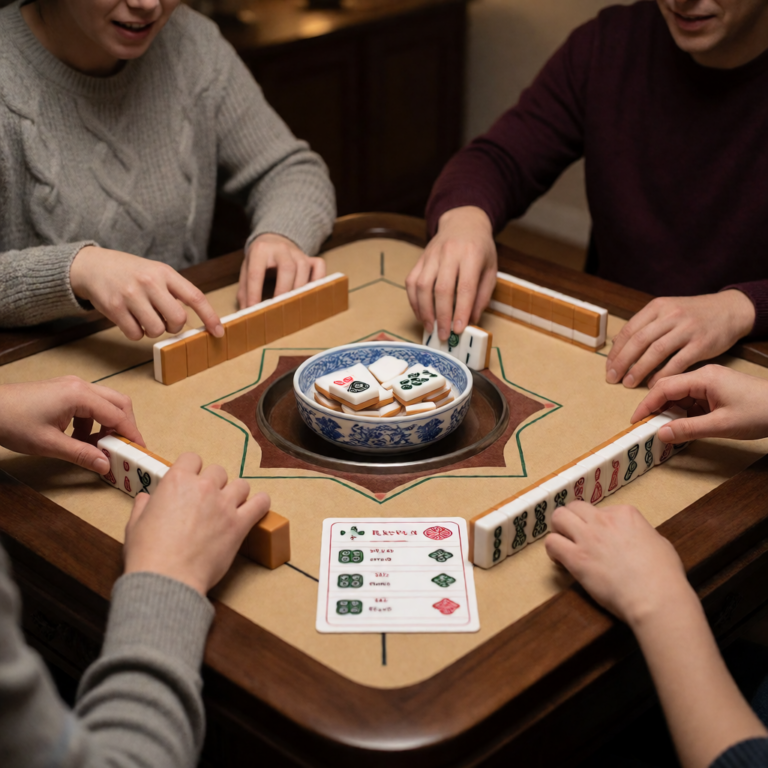
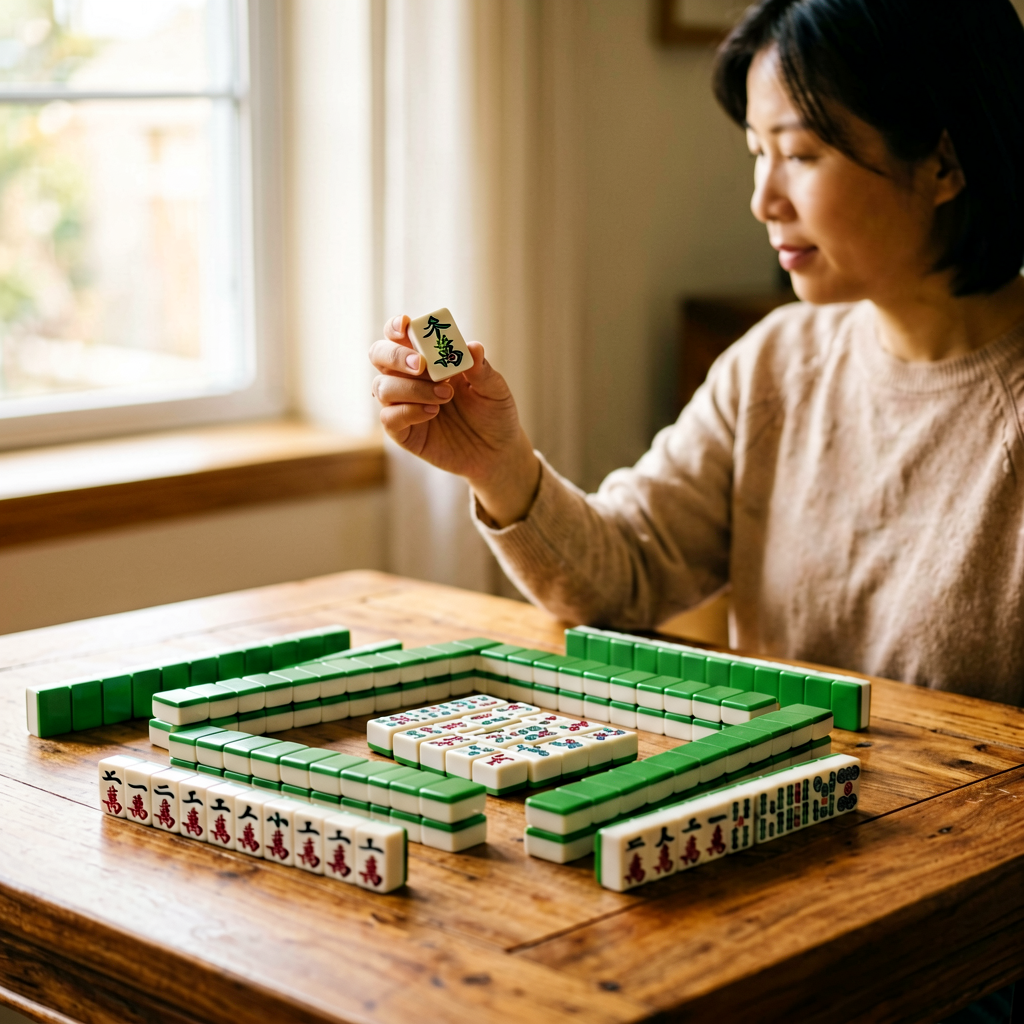
A good mahjong set is the kind of thing you expect to outlive you. And most do. But they are not invincible, and after a few hundred games little things start to show: a tile feels tacky, a rack wobbles, a joker goes missing and you swear it was there last week. None of this means the set is done. Almost all of it is fixable at home, and most of it is preventable.
Here is the short version of what goes wrong, and what to actually do about it.
Sticky or clacky tiles
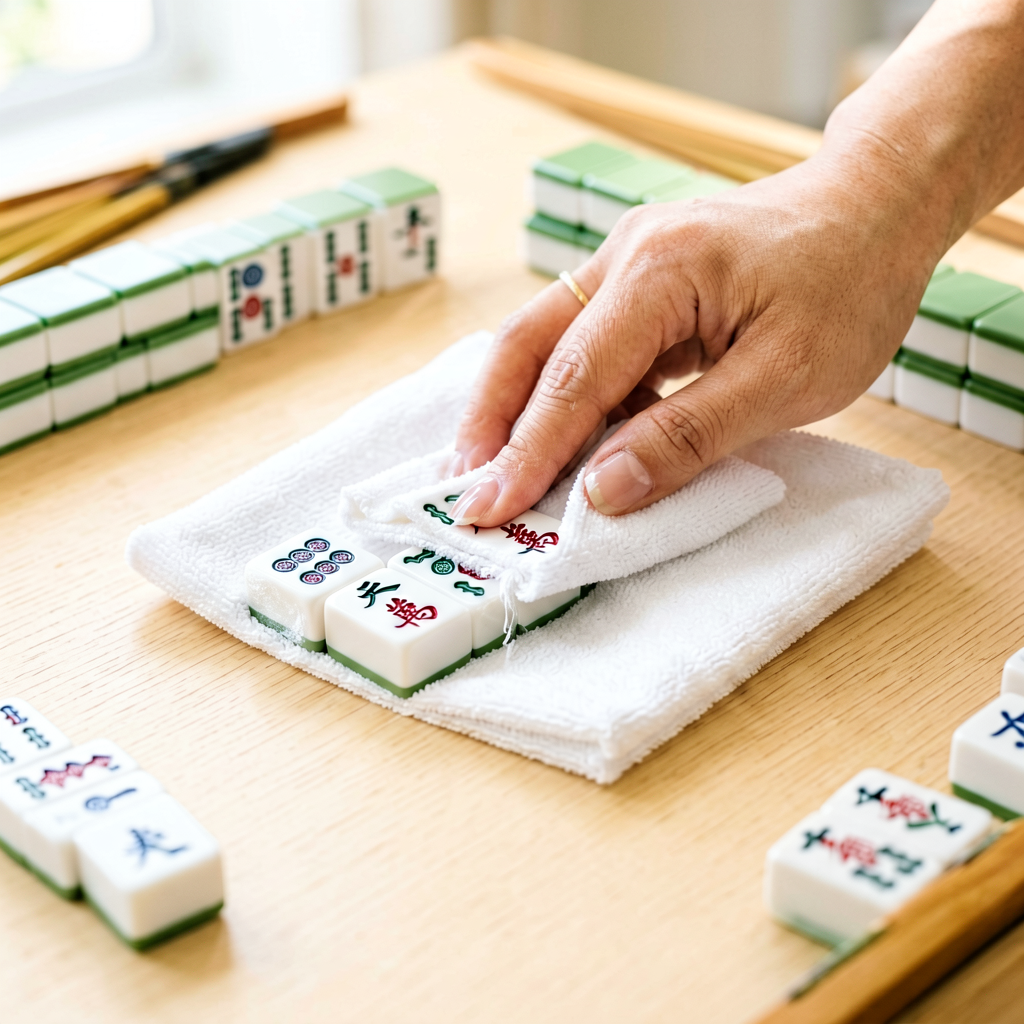
Tiles get tacky for boring reasons: skin oil, dust, and the faint film that builds up from a hundred hands. The fix is dull but it works. Wipe them with a soft cloth and a tiny bit of mild dish soap and warm water, then dry them completely before they go back in the case. Do not soak them, do not run them through anything, and skip the harsh chemicals — they can cloud the engraving or soften cheap materials.
If a tile suddenly sounds dull instead of crisp when it hits the table, moisture is usually the culprit. A day of air-drying in a dry room sorts most of them out. A tile that stays dull after that is often just worn, and that is fine; it still plays.
A cracked or missing tile
This is the one people panic about, and it is almost never as bad as it feels. First rule: do not superglue a playing tile back together. A repaired tile weighs and sounds different, and in a game where the clack is part of the read, that is quietly unfair to everyone at the table. If a numbered or flower tile cracks, order a single replacement from the maker instead. Most serious set sellers — including the ones who built yours — keep spare tiles exactly for this.
A missing joker is less urgent than a missing numbered tile, because jokers are universal across hands, but you still want the right count. The moment you notice a gap, set the case aside and order the spare rather than hoping it turns up in the couch. It will not, and you will want four players next Tuesday.
Warped or loose racks
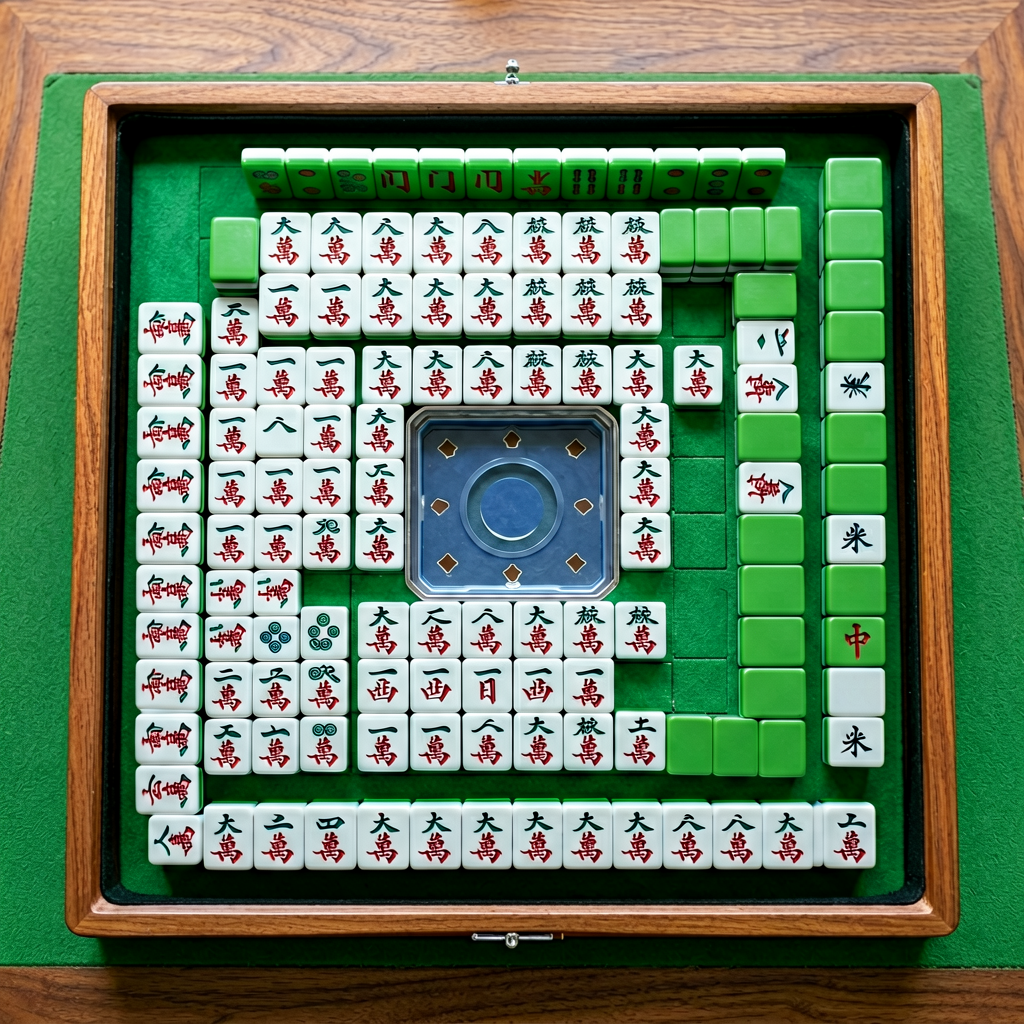
Racks warp from heat and direct sun, not from use. If a rack starts to bow, the cause is almost always where you stored it — a windowsill, the top of a radiator, the trunk of a hot car. Keep racks flat and cool and they stay straight for years. Loose end caps are a five-minute fix with a dab of wood glue, and a rack that rattles is usually just a cap, not the whole thing.
The table pad is wearing through
The felt on your table pad thins faster than the tiles do, because it takes every slide and shuffle. When it starts to pill or show the backing, rotate the pad so the worn spot moves out of the busiest lane, or lay a thin protector on top. Eventually it earns a replacement, and that is normal — a fresh pad makes an old set feel new again, which is a cheap win.
The small stuff: dice, jokers, zippers
The little pieces are the ones that actually vanish. Lost dice are the easiest problem you will ever have: any standard six-sided die works for seating and the break, though matching ones look nicer. Jokers that wander off are worth replacing as a set of spares so you are never short. A stuck case zipper usually loosens with a pass of plain soap or wax along the teeth — do not yank it, because a torn zipper is the one thing on this list that is annoying to fix.
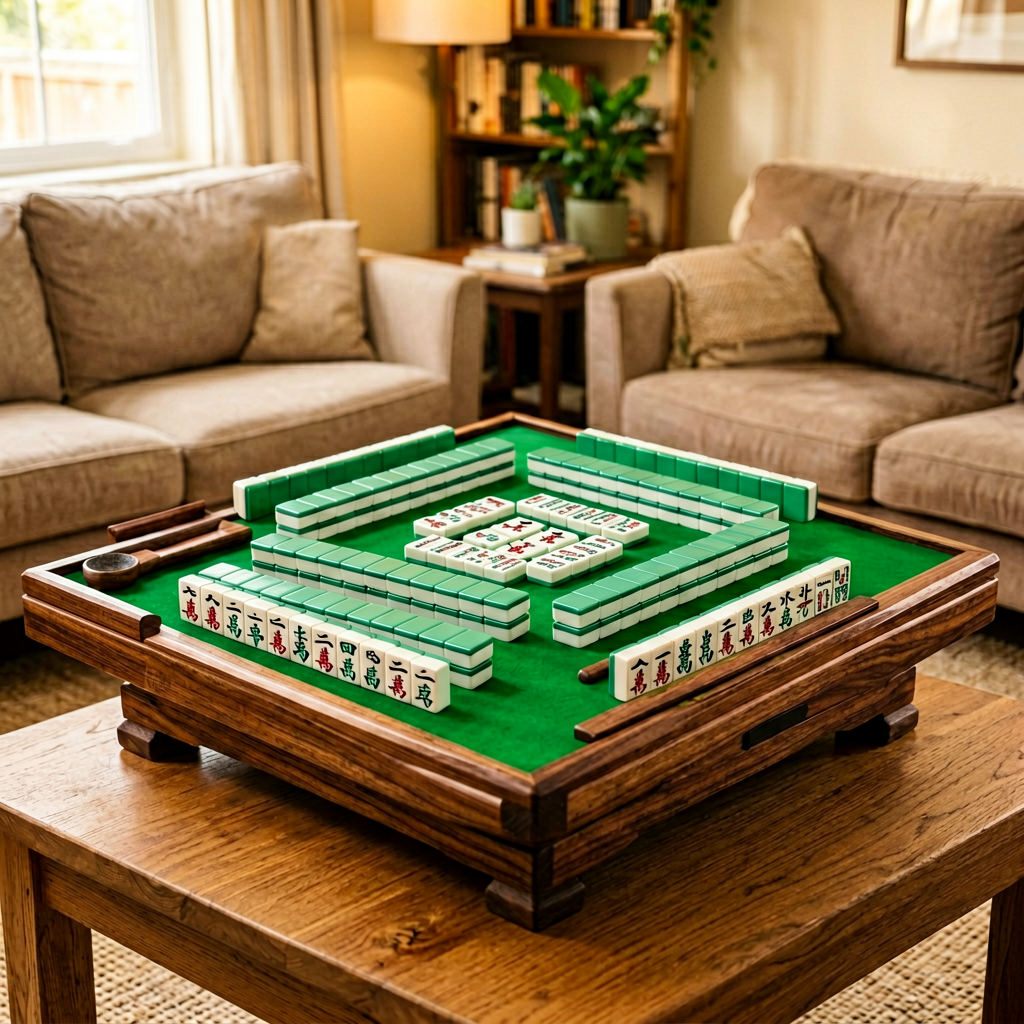
How to avoid most of this
None of the above is hard, but none of it is fun at game time either. A few habits keep the emergencies away. Keep the set in its case when you are not playing. Store it somewhere dry and out of the sun. Wash your hands before a long session — it sounds fussy, it is not. And once a year, open the case and check: any tile tacky, any slot empty, any rack loose. Ten minutes in spring saves a ruined fourth game in winter.
The truth is, a well-made set ages better than a cheap one ever will. Engraved tiles do not rub smooth the way printed ones do, and a solid rack does not shed caps. So if something on your set acts up, treat it as a small fix, not a sign. These sets are built to be handed down, and the only real secret is not ignoring the little things until they become big ones.