American Mahjong Tournaments: What to Expect at Your First One
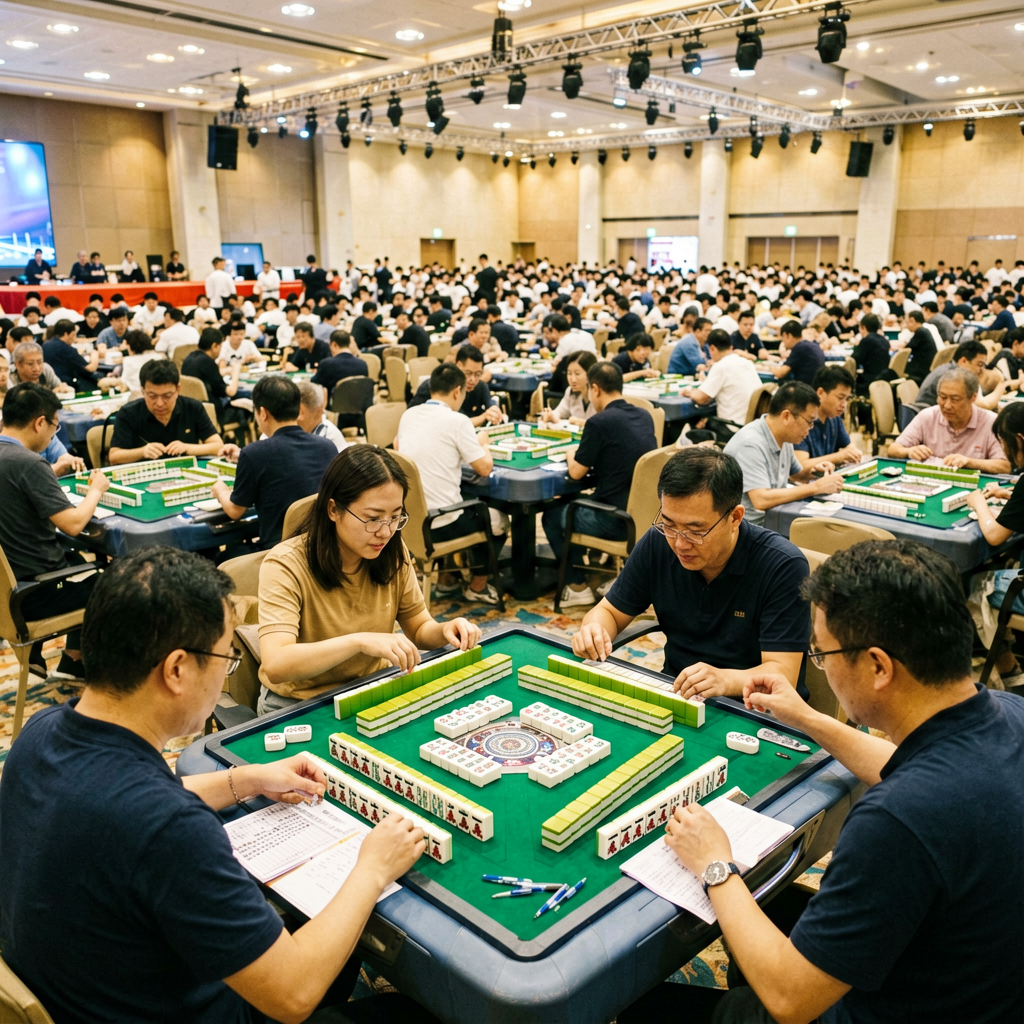
Tournaments scare people who only know the weekly game. The casual table is forgiving. Someone miscounts, you laugh, you fix it, nobody cares. A tournament is the same game with a clock on the wall, a scorekeeper at the table, and three strangers watching your discard. It is also, honestly, the most fun a lot of players ever have with the game. If you have learned the basics and you are wondering what the competitive side looks like, here is the version nobody writes down.
How a tournament differs from your Tuesday night
At home you play for points or a small pot, sometimes nothing at all. At a tournament every hand is worth a fixed number of points on a score sheet, and the sheet is the whole game. You are not only trying to beat the three people at your table. You are trying to beat everyone in your “flight,” which is the group of tables playing the same rounds. Your score gets ranked against theirs at the end.
So a hand you would shrug off at home, because it only cost you one game, can drop you ten places in a tournament. That shift in mindset is the first thing that gets newcomers. You stop playing to win the table and start playing to bank points, and those are not the same decision.
The rounds and the score sheet
Most American tournaments run on flights and rounds. You sit with three others for a round, usually about 25 to 30 minutes, and you play as many hands as you can in that window. When the round ends, a bell or a caller stops play, and you total your hands on a score sheet. Then you move. Depending on the event you either rotate to a new table or stay put and new players sit down. The player with the highest cumulative score across all rounds in the flight wins that flight.
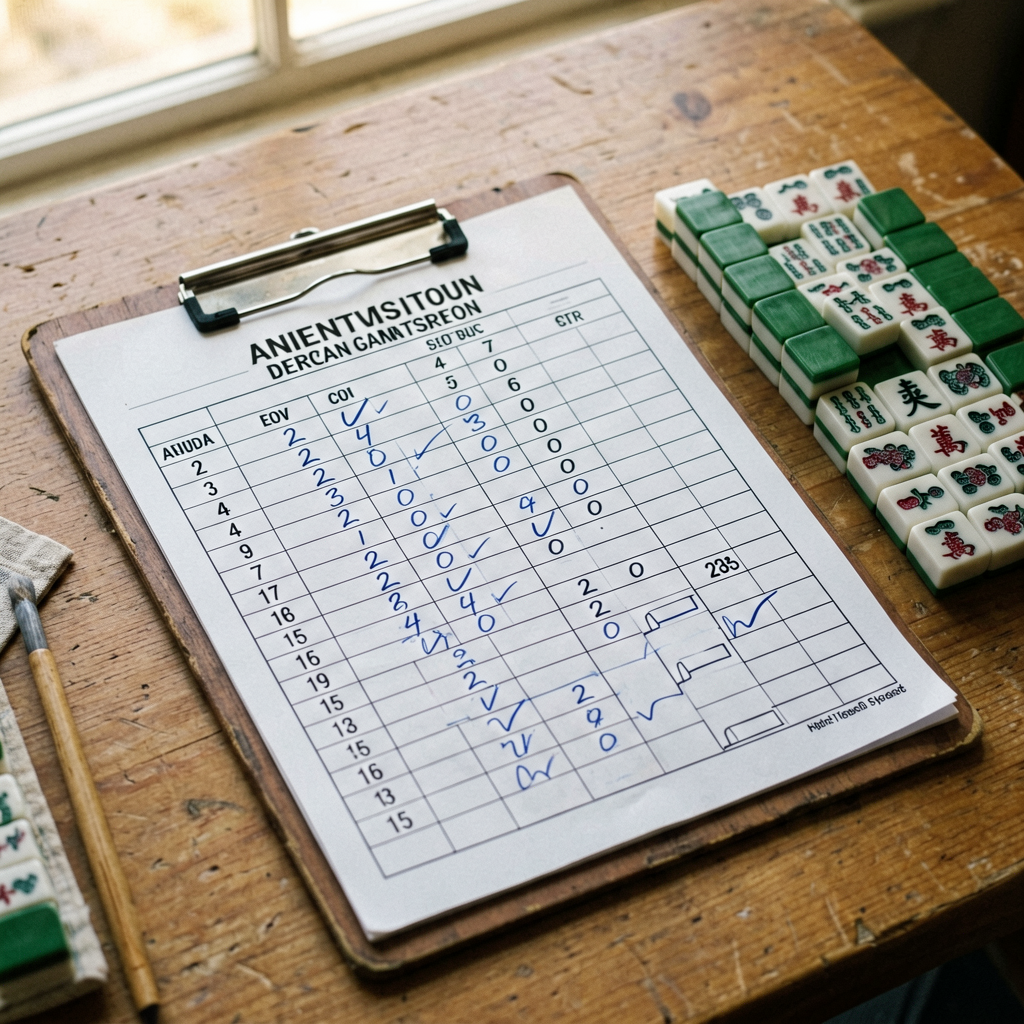
The sheet is simpler than it looks. You write the value of each hand you complete, and in many events you also note calls and defensive plays if the format rewards them. The trick is not the math. The trick is not freezing when the clock is running and the person across from you is already on their third Mahjong.
The calling system gets serious
In casual play, the call, where you claim another player’s discard to finish a group, is loose. In a tournament it is strict and loud. You call “Mahjong,” “Pung,” or “Kong” out loud, clearly, the instant you want the tile. If you hesitate, the tile passes to the next player and your call is dead. There are also the “valuation” rules, the official NMJL calling standards, that decide who gets a tile when two people want it at once. If you have never studied those, a tournament will teach you fast, usually the hard way.
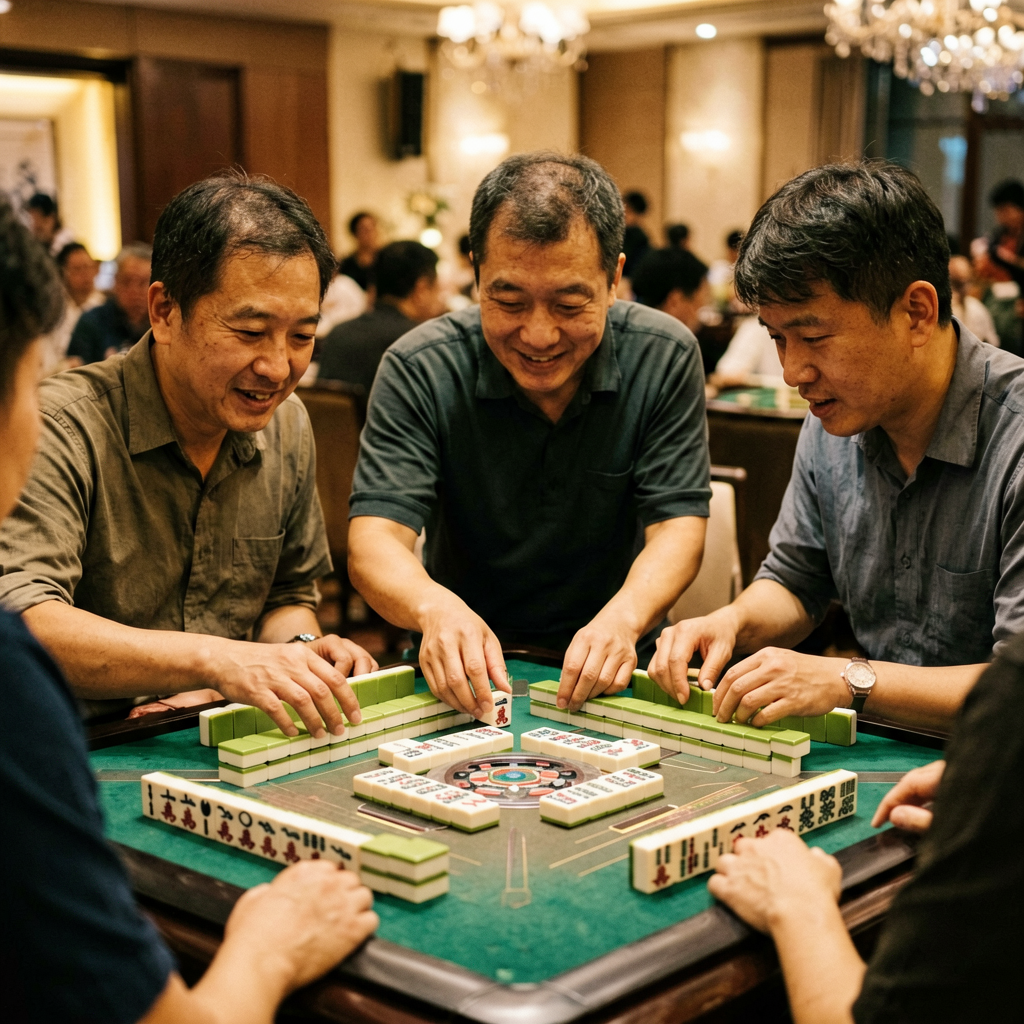
The flip side is that the strictness protects you. Everyone is playing by the exact same rules, called the same way, scored the same way. A good director runs it tight, and that fairness is a big part of why people come back.
What to bring
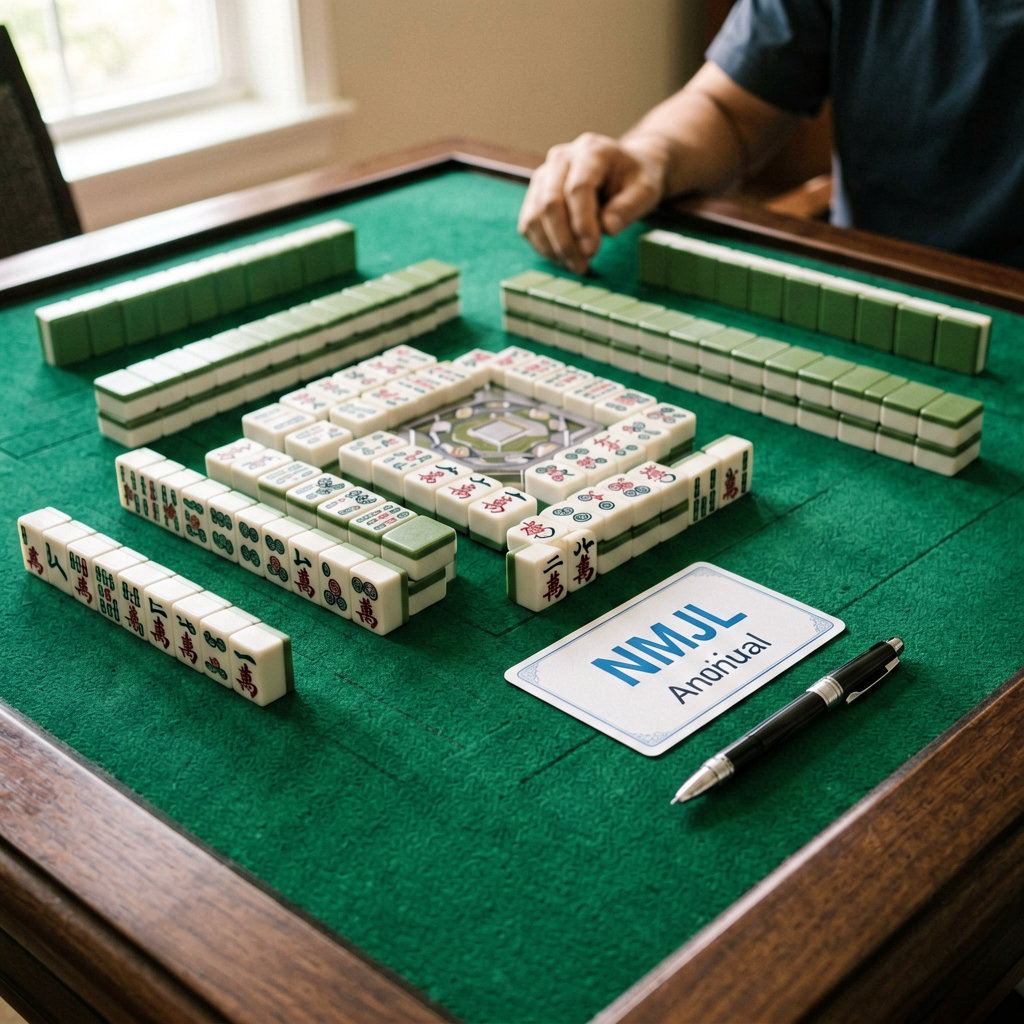
Bring your own set if the event allows it. Long tournament days mean you are handling tiles for hours, and the players who show up with a set they trust, weighted right and engraved clearly, play better simply because they are not fighting their equipment. Bring this year’s card, a pen, and a calm head. Some events provide sets; some expect you to carry your own. Read the registration email, because the answer changes per tournament and nobody warns you twice.
The etiquette nobody explains
Tournament etiquette is its own quiet skill. Keep your tiles low so the table next to you cannot read your hand. Don’t announce what you are building. Don’t coach the person beside you, even if they are about to throw away the game. And when the round ends, stop. The director’s word is final even when they are wrong, and arguing a ruling mid-flight is how you pick up a warning that costs you points.
Why people keep coming back
Here is the part that surprises newcomers. A tournament is loud, tense, and weirdly friendly all at once. You sit down with three strangers and by round three you are laughing about a hand that went sideways. The shared card means everyone is solving the same puzzle, and the competition is real but the table stays warm. That is the same thing that hooked people on the home game, just turned up a notch.
If you are thinking about your first one, start small. A local club tournament, a charity event, anything with a newcomers flight. Skip the national championship for year one. Bring a set you like, learn the calling rules before you walk in, and plan to lose a few hands you thought you had won. That is the tutorial. The second one feels like a different game.