American Mahjong for Every Hand and Eye: Left-Handed Racks, Large Tiles, and Tables Everyone Can Join
There is a version of American mahjong that a lot of people quietly drop out of, not because they stopped enjoying it, but because the table stopped fitting them. Hands get stiff. Eyes need more light than they used to. A right-handed rack just does not work for a left-handed player. None of that means the game is over. It usually means one or two small changes are missing.
This is the guide I wish more groups had. None of it is complicated, and most of it costs nothing. It is about keeping the people you like playing at the table with you.
Tiles: size and contrast do most of the work
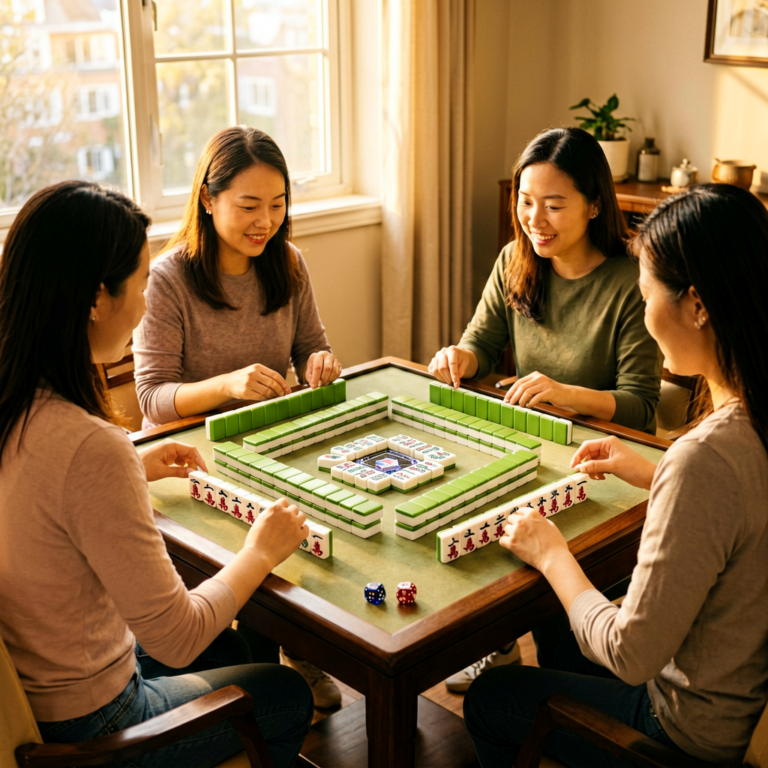
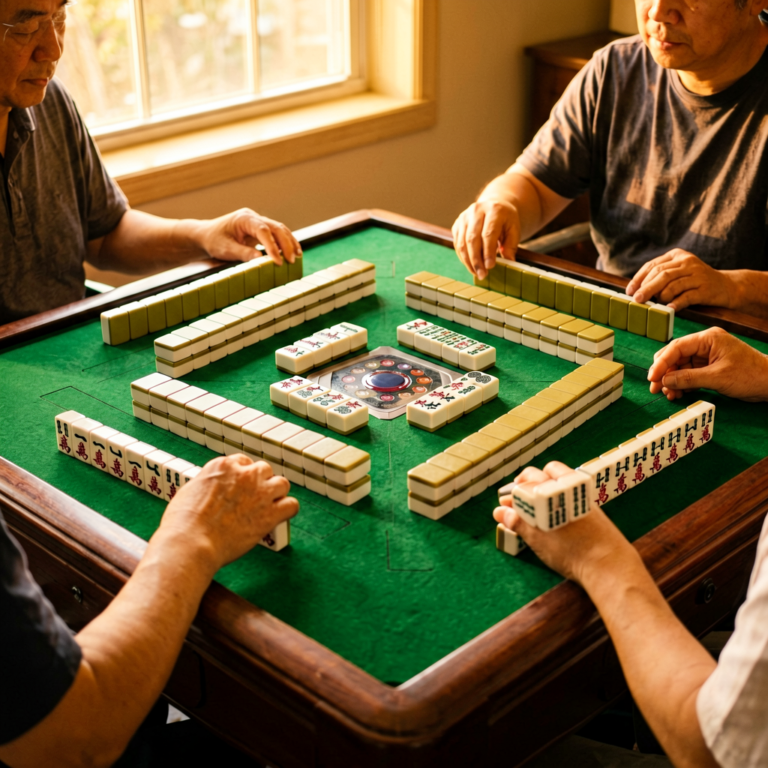
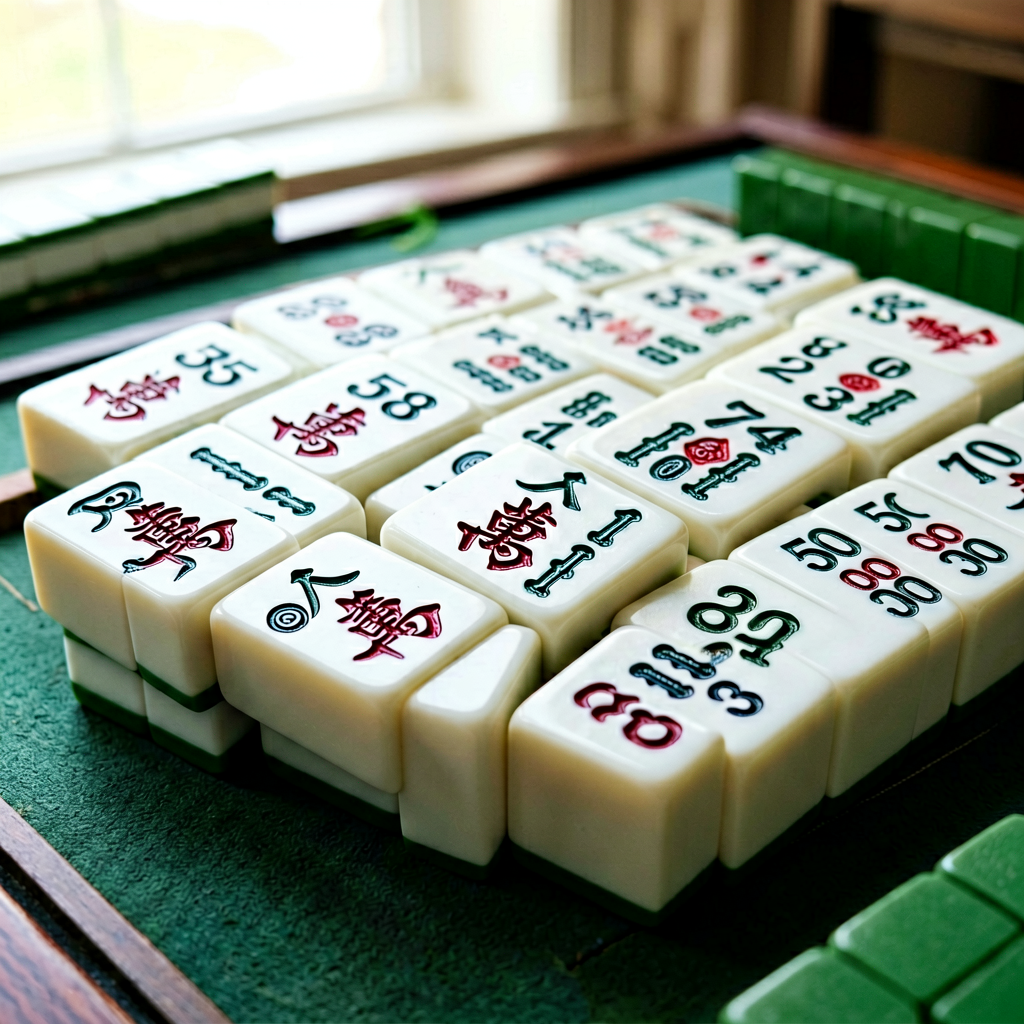
If one change helps more than everything else, it is the tiles. A set with larger faces and bold, high-contrast numerals is dramatically easier to read across a table, and easier to read without picking every tile up. The American tile already has a head start here, because its digits and letters are printed right on the face rather than relying on tiny carved symbols. Go bigger and bolder and the difference is immediate.
Contrast matters as much as size. Bright white or cream tiles with dark, clean printing beat busy or decorative faces every time for a player who is straining to see. And the tile body itself matters: a slightly heavier, square-edged tile is easier to pick up and turn than a slick, lightweight one, which helps anyone with reduced grip strength.
This is one of those places where a quality set pays for itself slowly. A good set is not just prettier. The faces stay readable and the bodies stay easy to handle year after year, which is exactly when it counts most.
Left-handed play is not a special case
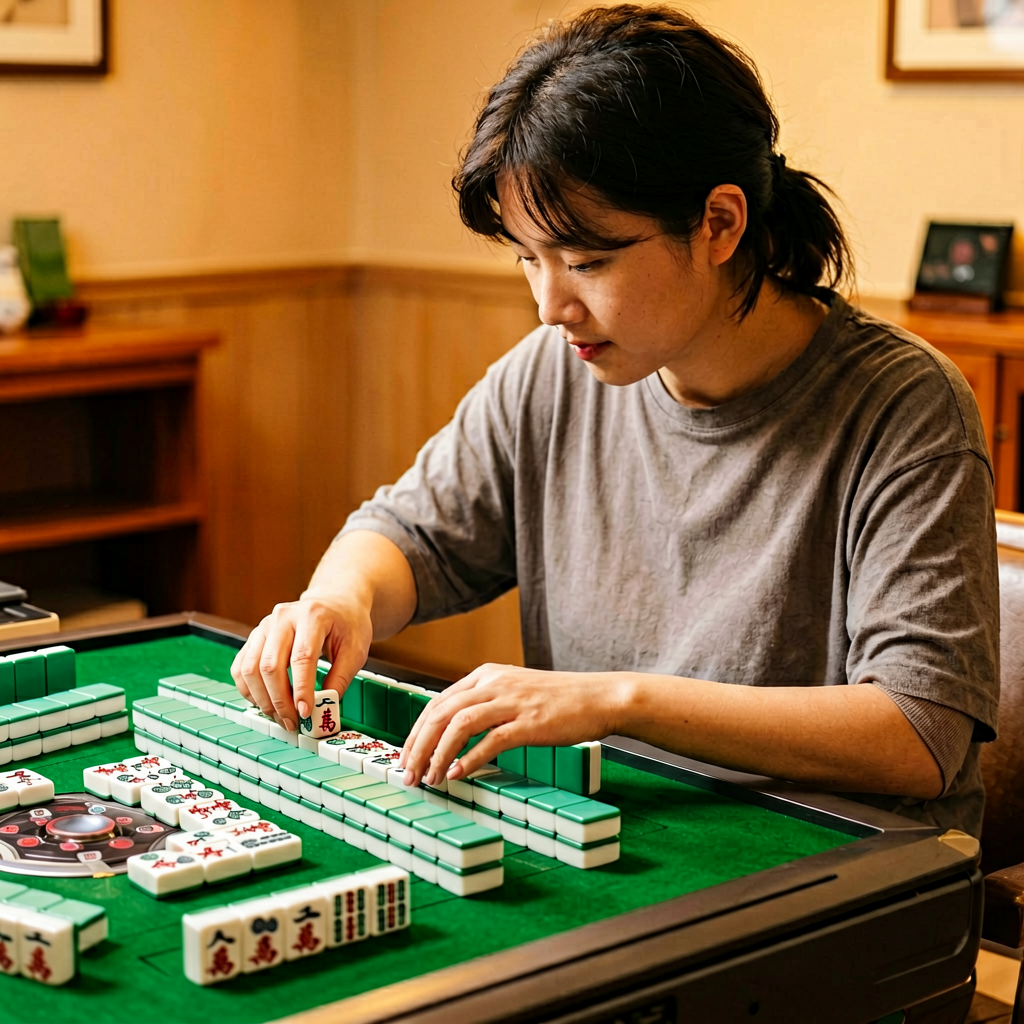
Most American mahjong racks assume a right-handed player: you draw from one side and discard to the other. For a left-handed player that means reaching across the rack all night, which is tiring and awkward. The fix is simple. Either get a left-handed rack, or just flip the whole arrangement so the draw and discard happen on the left. The game plays exactly the same. Nobody has to learn new rules.
At a home table, you can even let each player set their rack the way they like and just agree that discards go clockwise or counterclockwise consistently. The point is not uniformity. The point is that the person sitting down does not have to fight their own hands to enjoy the game. A left-handed friend who stopped coming back because the table was uncomfortable is a friend you can get back with a twenty-dollar rack.
Lighting and a little magnification
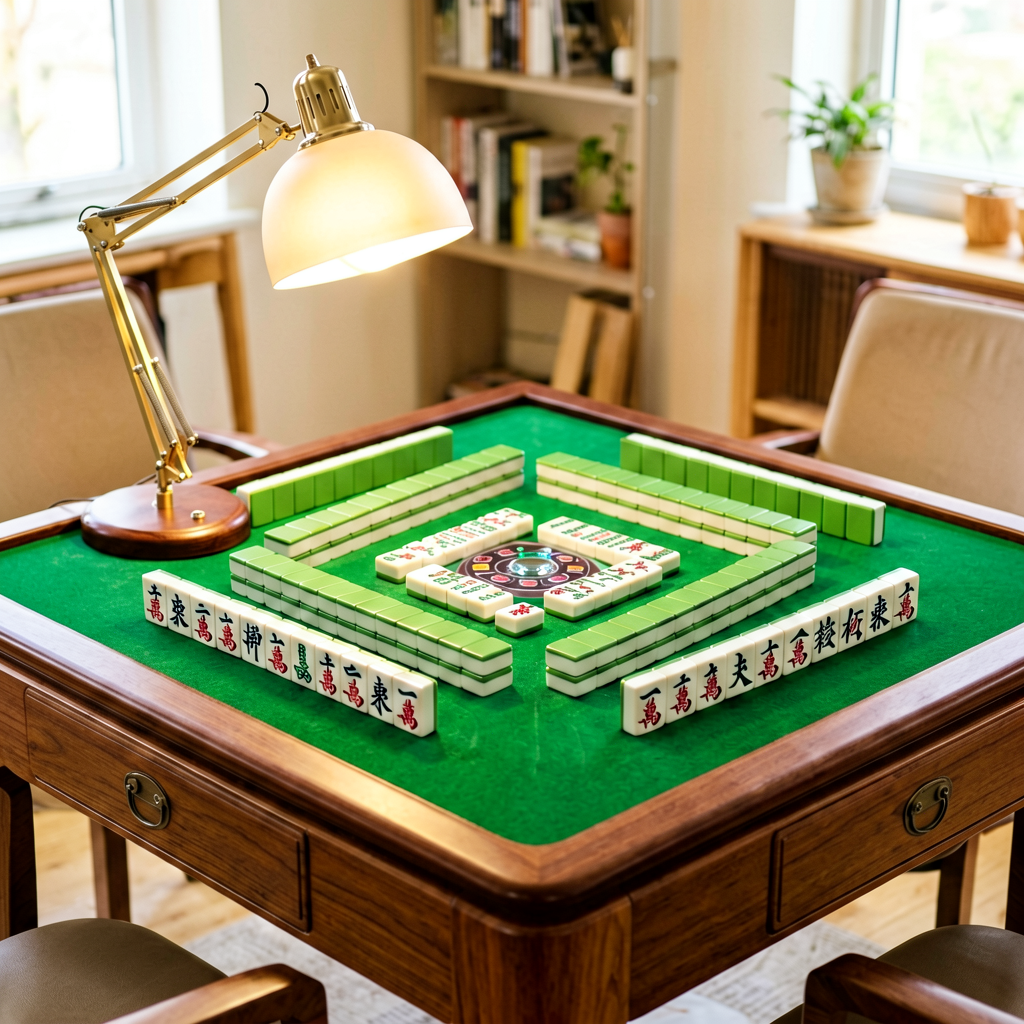
The second cheapest fix is light. Mahjong tables are usually lit from overhead, which casts shadows right where people are reading tiles. A simple lamp brought closer, or a brighter bulb, removes most of the strain. Some groups add a small magnifier on a stand next to the table for anyone who wants it, and nobody feels singled out because everyone is welcome to use it.
If you are setting up a regular game, think about it before anyone complains. Good even light, fewer shadows, and a clear space to lay tiles flat goes further than any gadget. And keep the table surface matte rather than glossy; a shiny finish turns every overhead light into a glare you are reading through.
Hands that get stiff, and what actually helps
Arthritis and general stiffness show up at mahjong tables constantly, because the game asks for a lot of small hand movements. A few things genuinely help. Heavier tiles are easier to grip than featherlight ones. A rack with a lip that holds tiles upright means less fiddling to keep them standing. And giving players permission to take their time, and to straighten and rest their hands between hands, removes the pressure that makes pain worse.
One more: do not make standing or reaching a requirement. A comfortable chair at the right height, with the table close, means a player with limited mobility can sit and play a full game without paying for it the next day. Groups that quietly accommodate this keep their players. Groups that do not slowly lose them.
Build the habit before you need it
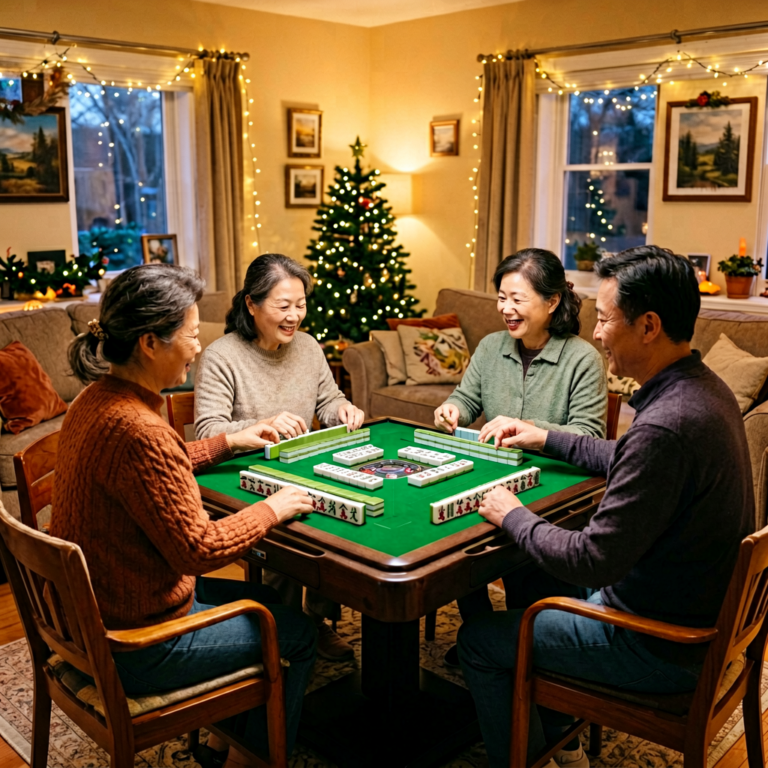
The trick is to make these adjustments normal, not exceptional. Put a left-handed rack in the box from the start. Keep a lamp and a magnifier with the set. Buy tiles you can actually read across the table. Then when a friend or a parent or a new player shows up with a need, the table already fits them, and nobody has an awkward conversation about being difficult.
American mahjong survived a hundred years precisely because it is a social game first. The whole point is the table full of people, and the longer everyone stays at it, the better the game gets. A few small changes keep the people you want there, playing, for a lot longer than you might expect. That is worth more than any fancy accessory, and it costs less than you think.