How American Mahjong Became a Women’s Game: A Hundred-Year Story
In the spring of 1922, a New York importer named Joseph Babcock started handing out small green booklets with a strange request attached. Play this Chinese game the way the booklet says, he wrote, not the way your friend in the next town learned it. Within two years, Americans had bought somewhere north of a million mahjong sets, and the click of tiles was coming out of parlors from Brooklyn to Beverly Hills.
Then, almost as fast, it collapsed. The 1920s craze ran out of steam, and for a while mahjong looked like a fad that had simply burned off. It had not. It went quiet, moved into living rooms, and turned into something the 1922 version never was: a women’s game.
The man with the rulebook
Before Babcock, mahjong in America was a mess. Every importer shipped their own tiles, scored their own way, and insisted their version was the real one. Babcock worked for an import company, saw the confusion, and did the obvious thing: he cut the rules down and printed them. His little red book, the one players nicknamed the Book of Babylon, is the reason American mahjong has fixed suits and a set structure at all. He also gave the tiles English names — cracks, bams, dots — that are still in use a hundred years later.
What he was really selling was consistency. A game you can’t explain in one sitting doesn’t spread. Babcock’s booklet let a stranger teach a stranger, and that is the only way a game jumps from a port city to the whole country.
Why the women kept it
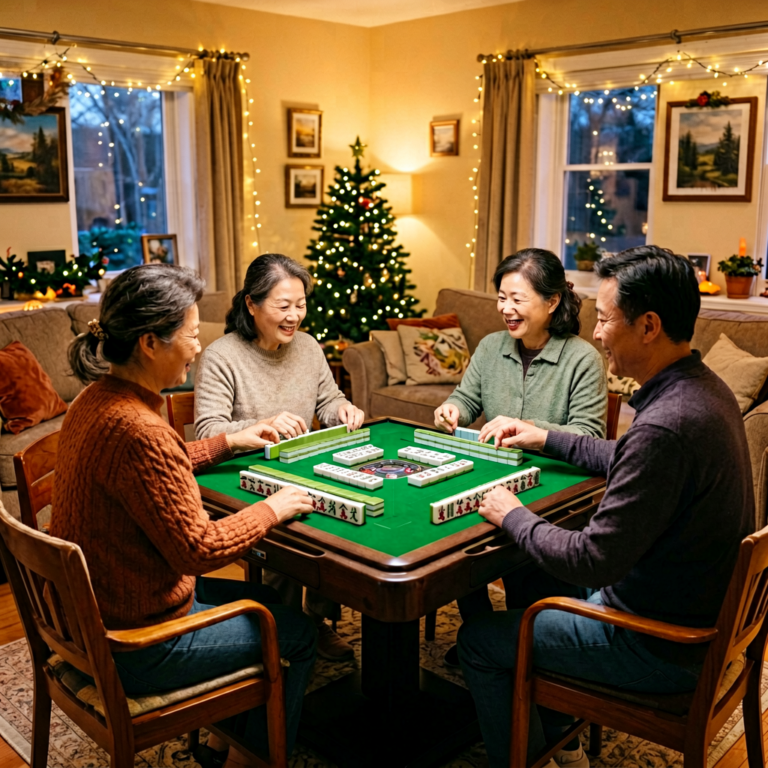
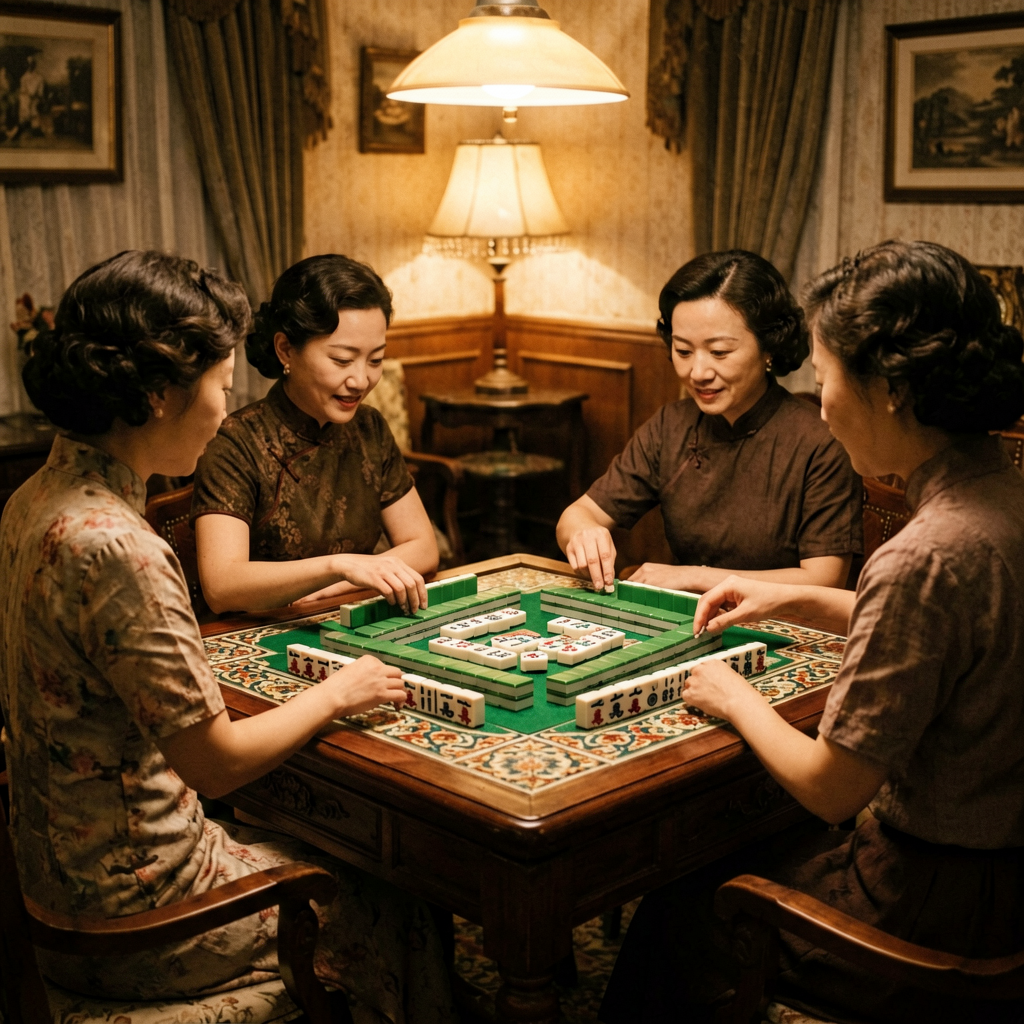
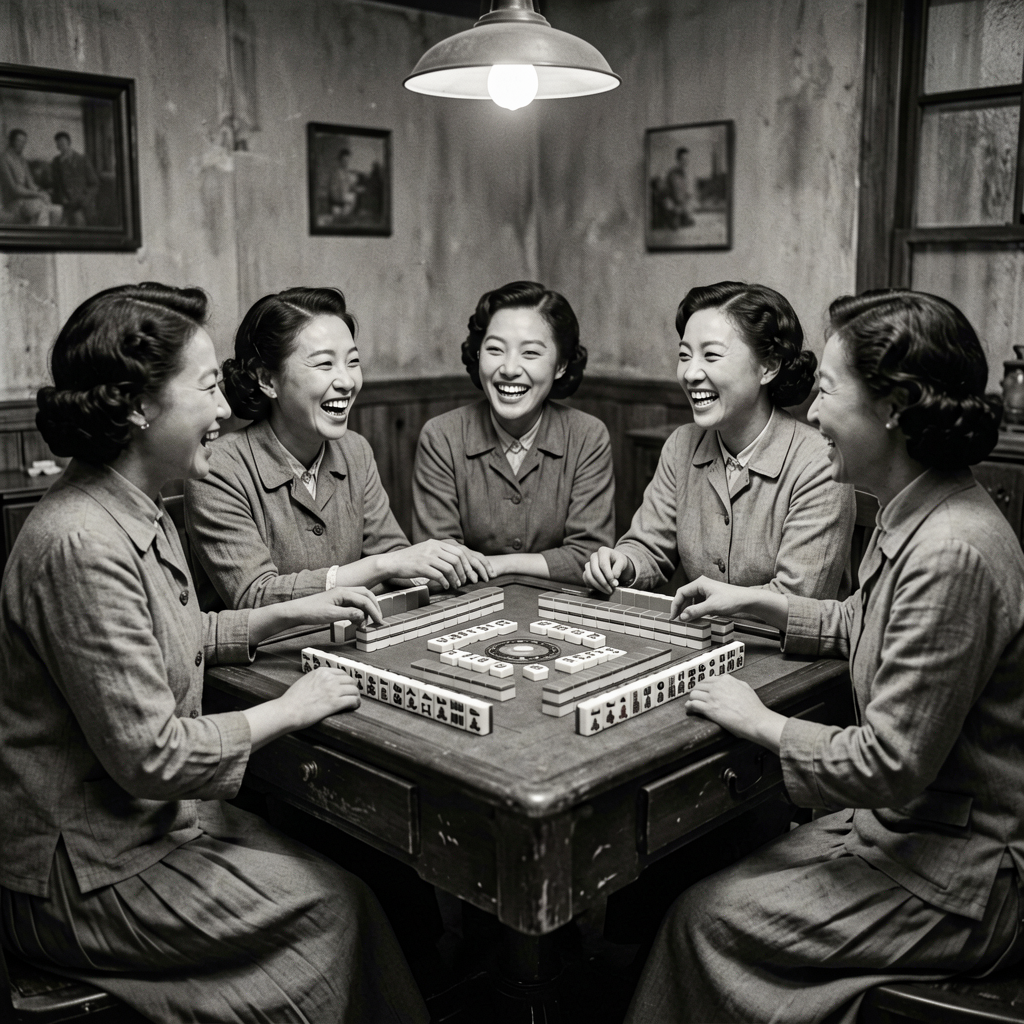
Here is the part most histories skip. Mahjong in the United States outlasted the 1930s not because men played it, but because women did. During the Depression a set was a single purchase that could entertain a group for years. No dues, no gear that wore out, just tiles and a card. Women’s groups took it up the way earlier generations had taken up bridge or quilting circles: as a reason to meet, talk, and be in the same room.
It also fit the rhythm of the time. You could play with one hand and hold a conversation with the other. The game was social first and competitive second, which is exactly what a weekly gathering needs to survive.
The League that fixed the rules
In 1937, a group of mostly Jewish women players in New York founded the National Mah Jongg League. Their first move was to publish a standardized card of winning hands, the same annual card players still buy every spring. The League did two things that kept the game alive. It gave every table the same rules, and it made those rules change every single year.
That annual reset is the reason American mahjong feels different from every other version. In Chinese or Japanese mahjong you build toward a general shape. In the American game you are solving a puzzle that a committee in New York redraws each spring. The women who founded the League built a game that renews itself, and a game that renews itself does not get old.
How it stayed a women’s game
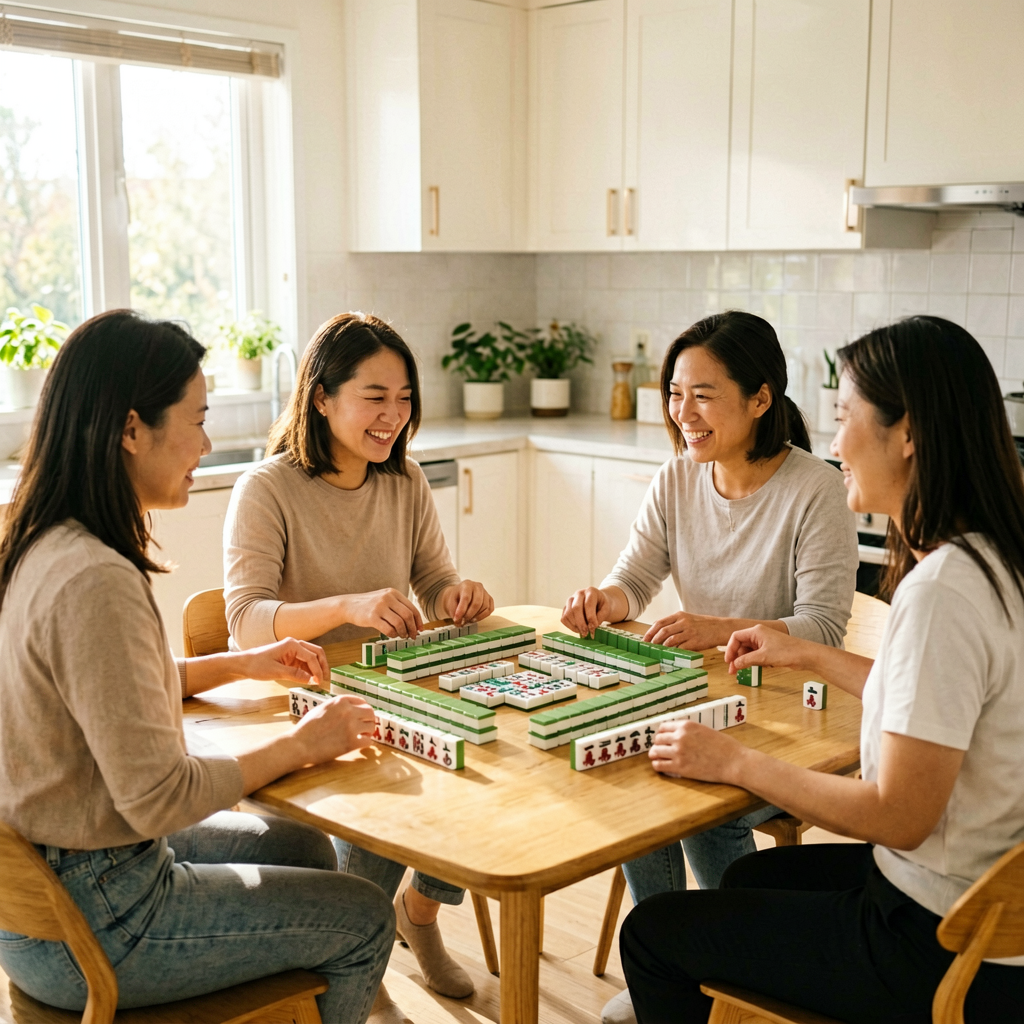
Plenty of games are “for everyone” in theory and lopsided in practice. American mahjong leaned female for concrete reasons. It was taught mother to daughter, played at fundraisers and synagogue socials, and organized through networks women already ran. By the time men came home from World War II and took over most sports and clubs, mahjong was already a women’s institution, and it stayed one.
Nobody voted on it. It just settled there, the way a kitchen becomes the room everyone ends up in.
The quiet revival
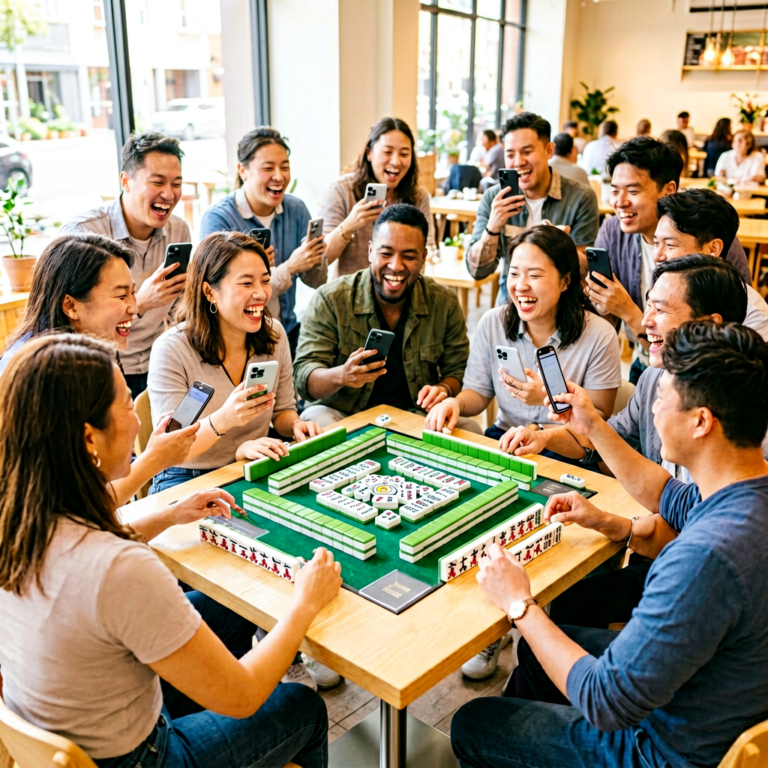
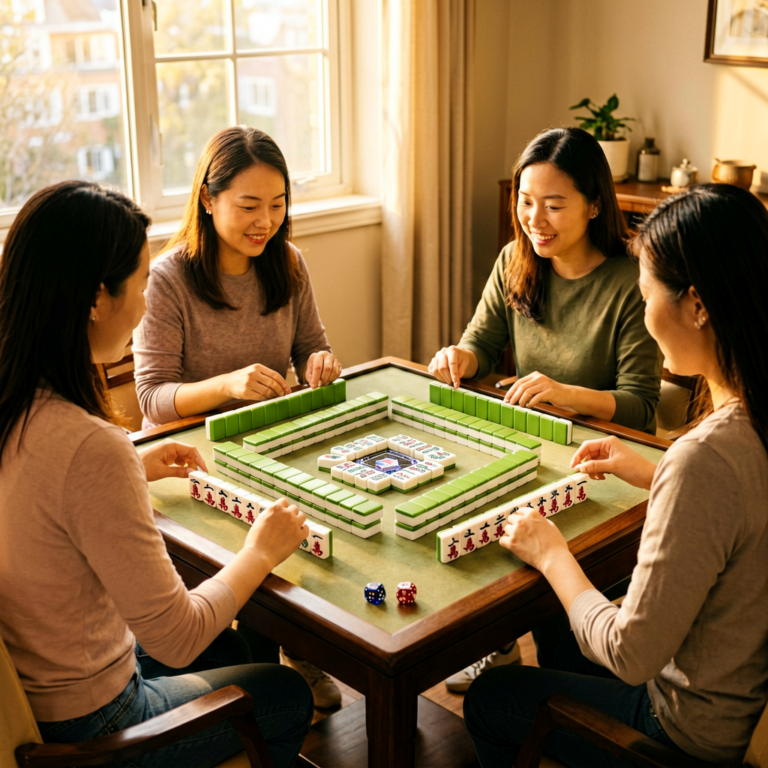
For decades the game sat steady but nearly invisible, the game of your grandmother’s Tuesday group. Then 2020 arrived. Stuck at home, younger players found it through older relatives, and just as much through Instagram and TikTok. The clicks and the card became content. Set sales jumped, and clubs that had met for thirty years suddenly had waiting lists.
The revival is not a nostalgia act. New players like that the game is loud and social and unhurried, a direct answer to the screen they are trying to get away from for an hour.
What it means when you buy a set
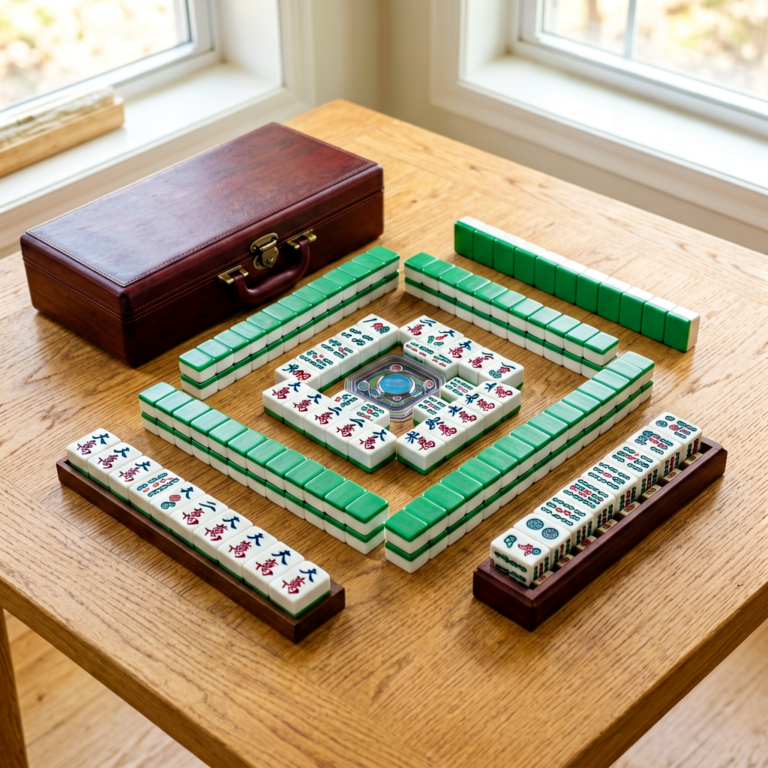
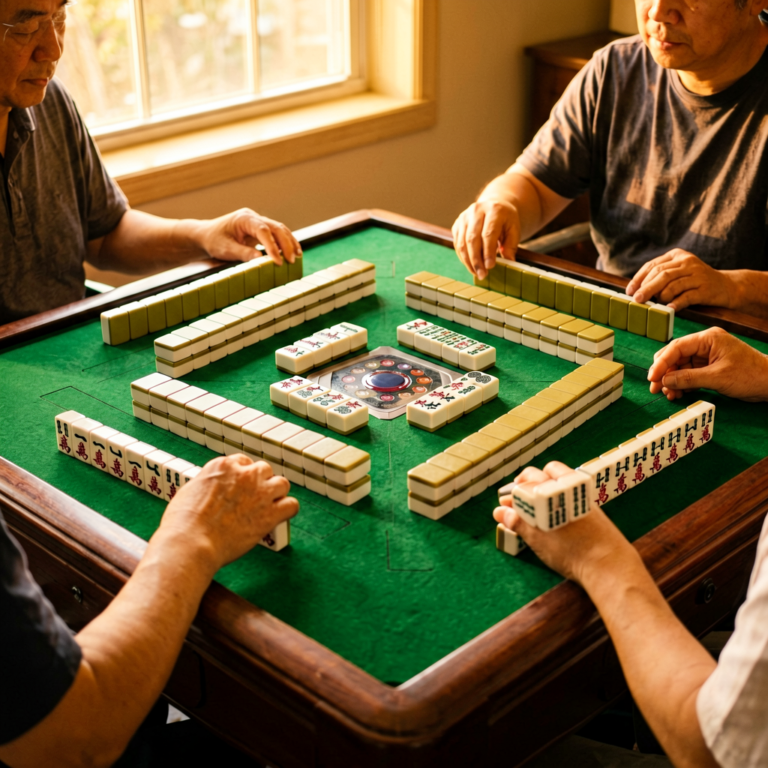
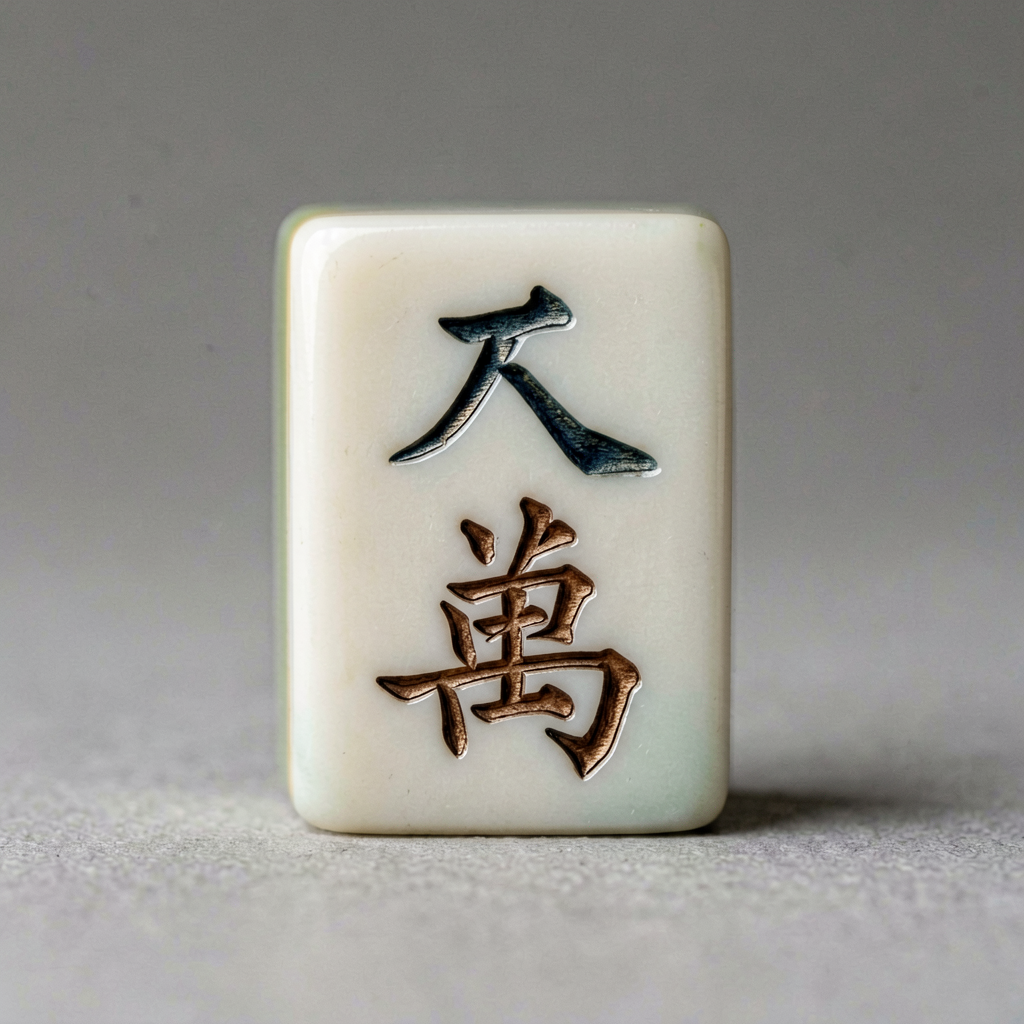
If you pick up a set in 2026, you are buying into that hundred-year line whether you mean to or not. The card you order is a descendant of the 1937 original. The suits Babcock named are still called cracks and bams and dots. And the reason a good set feels like an heirloom is that, for a lot of families, it becomes one.
That is why the cheap plastic set and the well-made engraved set are not the same purchase. One gets you playing this month. The other gets handed down, which is the whole point of a game that has survived by passing from one player to the next for a hundred years. When you sit down with it, you are joining the same table the 1922 players started, give or take a few rule changes and a lot of good conversations.