How to Teach a Friend American Mahjong in One Afternoon (Without Either of You Quitting)
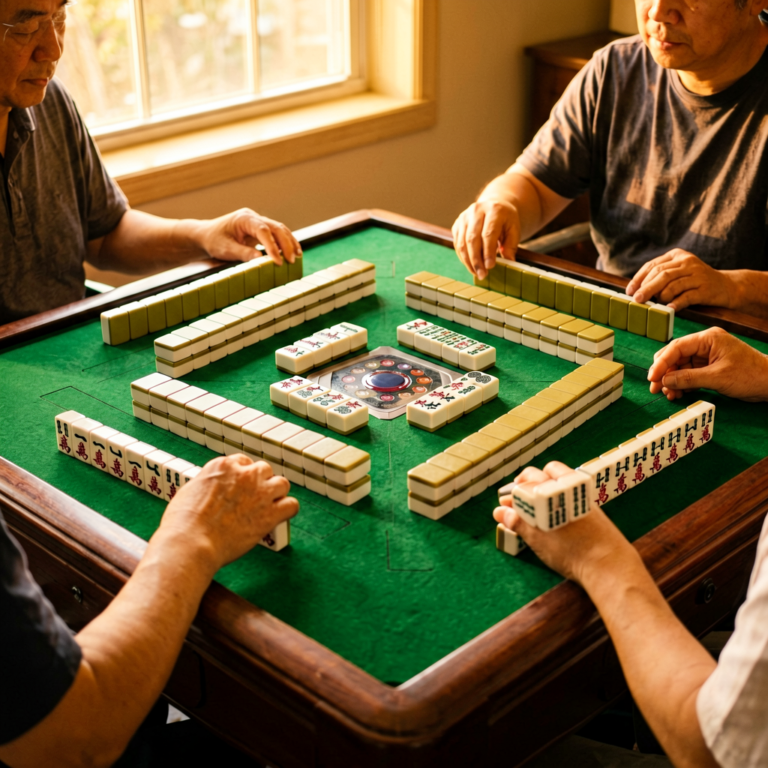
The fastest way to get someone into American mahjong is not a rulebook. It is you, a table, and one lazy afternoon. Most people who say they would never learn a game this complicated change their mind the moment a friend sits down and makes it feel like play instead of homework. The trick is not what you teach. It is how much you are willing to leave out.
I have walked a lot of first-timers through their first hands, and the ones who came back were never the ones who learned the most in session one. They were the ones who left wanting the next game. Here is the plan I keep coming back to.
Start with the tiles, not the card
The National Mah Jongg League card scares people. It is dense, it is coded, and it looks like a tax form. If you open with it, your friend’s eyes glaze over before the wall is even built. So don’t.
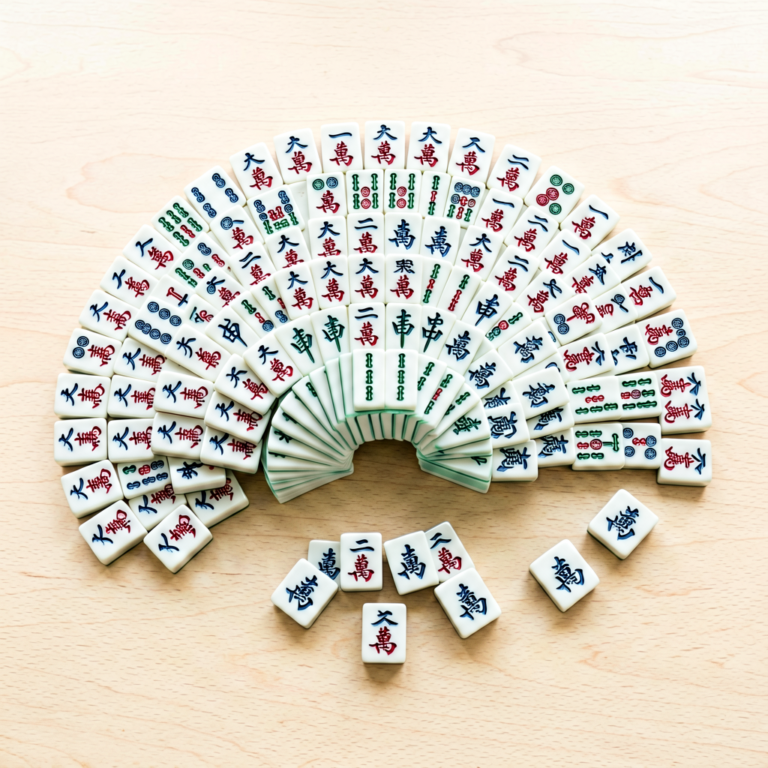
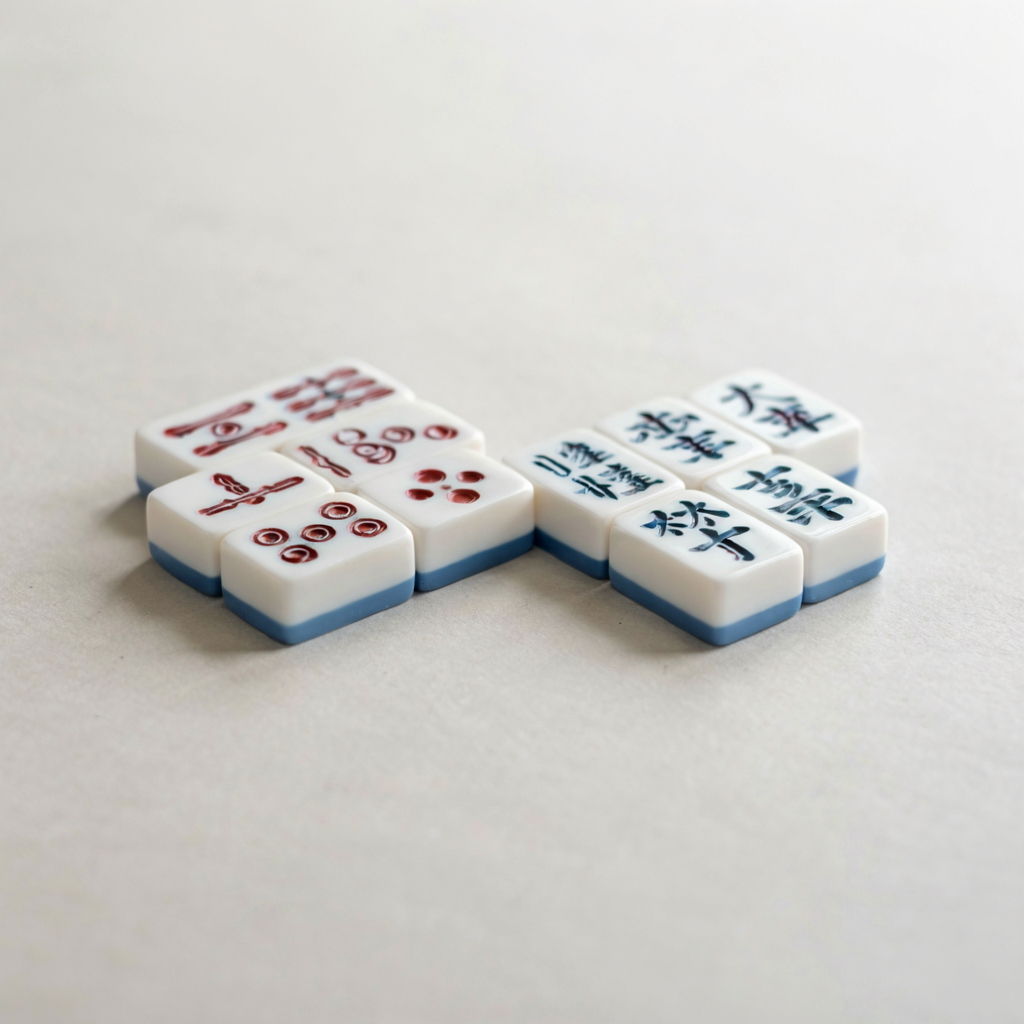
Put a few tiles on the table and name them out loud. Dots, bams, cracks. The winds. The dragons. Skip the flowers and jokers entirely for now. Let your friend pick up a tile, turn it over, feel the weight. The goal of the first ten minutes is just comfort with the objects, not understanding the system. A person who can tell a dot from a crack is already further along than most people think.
Teach three tiles at a time
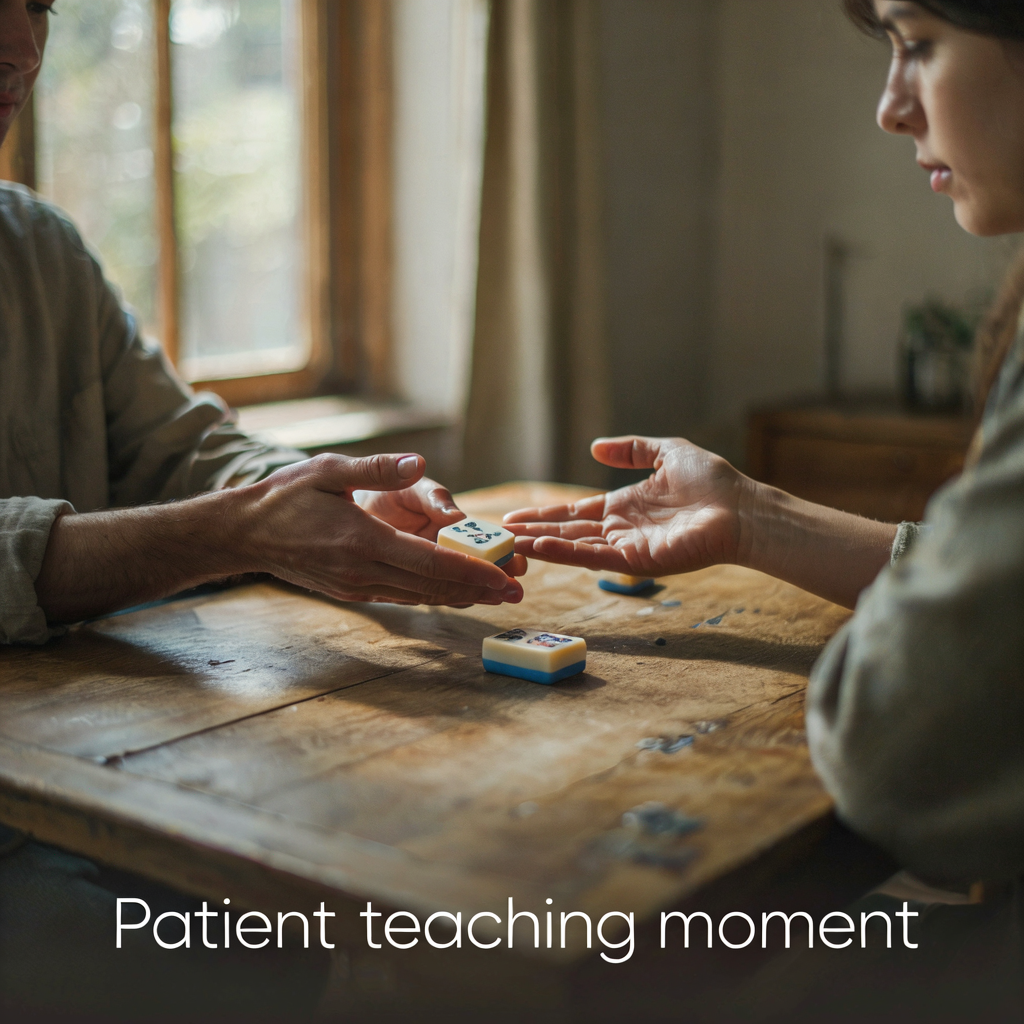
This is the part most teachers get wrong. They try to explain pungs, kongs, runs, quints, and the Charleston all at once, and the beginner’s brain quietly checks out. Instead, work in tiny chunks. Show three of a kind. Say, this is a pung. Let that sit. Then show a run of three in the same suit. Let that sit too.
You are not building a player. You are building a few clear memories. Each one should land before the next one arrives. If your friend can spot a pung and a run on their own rack by the end of the hour, you have done a better job than ninety percent of YouTube tutorials.
Let them win on purpose
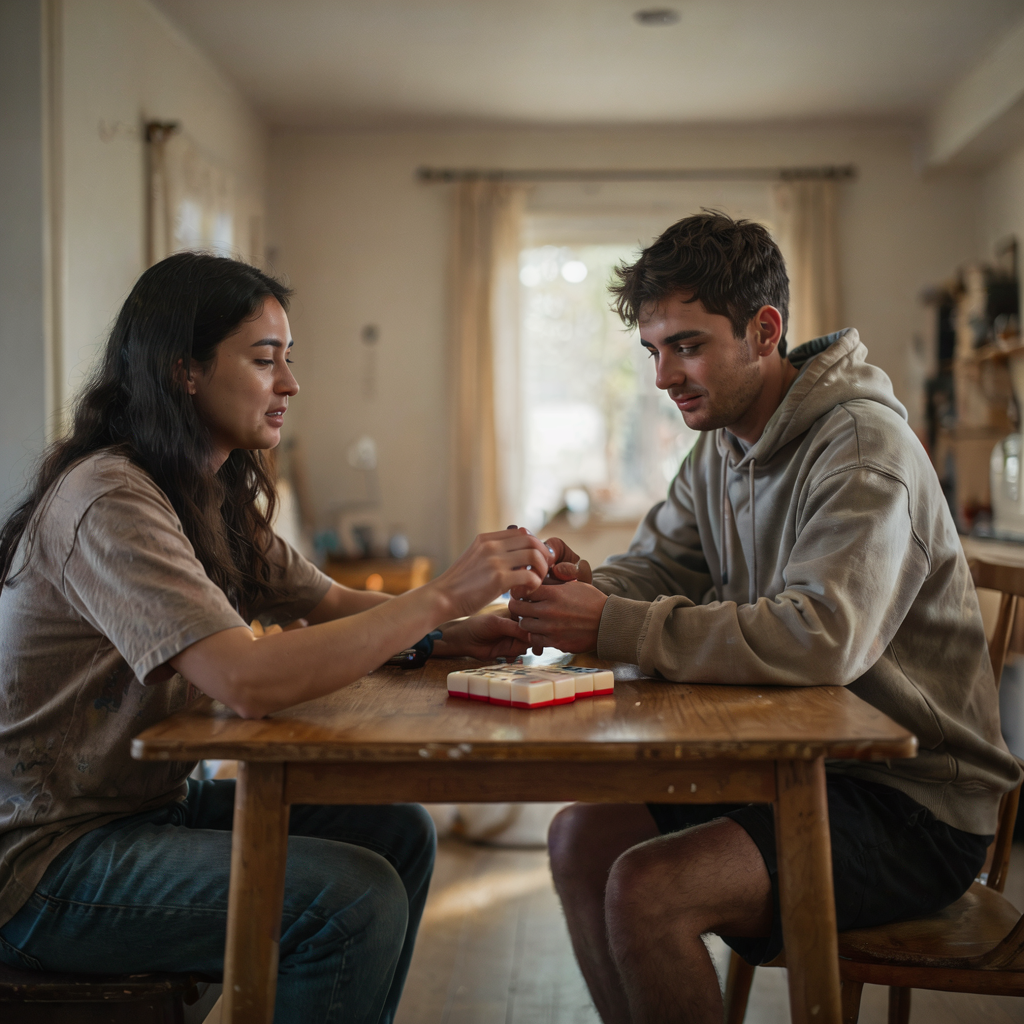
Here is the uncomfortable secret of good teaching: rig the first game. Build a wall, deal a hand, and quietly steer your friend toward a simple completed combination. Do not call it cheating. Call it a guided first win.
People remember how a game made them feel long before they remember the rules. A beginner who finishes one hand and thinks “I did that” is a beginner who will pick up the card on their own later. A beginner who spends two hours confused and loses every hand is a beginner who politely declines next time. You are not lowering the bar. You are showing them the view from the top first.
Skip the Charleston on day one
The Charleston is the most charming part of American mahjong, and also the worst thing to teach a brand-new player. Three passes, then a second Charleston, then a final courtesy pass, with rules about what you can and cannot send across the table. It is wonderful once you know the game. For a first-timer it is noise.
Deal the hands and just play. Let them draw and discard and see how a hand slowly takes shape. You can introduce the Charleston at session two, when the basic loop already feels normal. Trust me, the dance is a lot easier to learn once you actually want the tiles you are passing.
Answer questions, don’t lecture
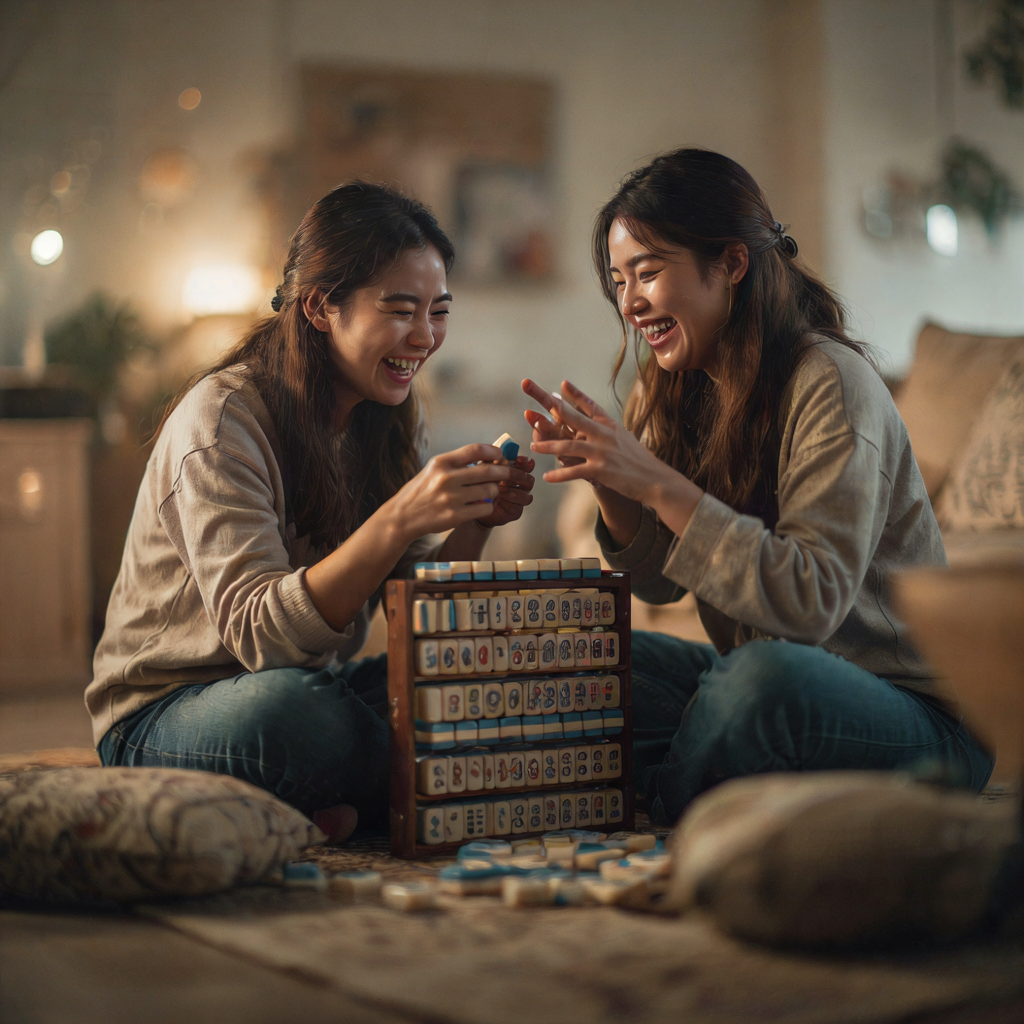
New players ask the same things. Why is this tile special. What happens if I run out of wall. Can I use that joker now. Resist the urge to give the full answer. Give the smallest useful answer, then play on.
Teaching American mahjong is less like a class and more like teaching someone to ride a bike. You hold the seat, you run alongside, and the moment they find the balance you let go. Talk too much and you are the thing they are trying to concentrate around, instead of the person they are playing with.
One afternoon is enough to hook them
You do not need to make a mahjong scholar in a single sitting. You need to make someone who wants to sit down again. Keep the first session short, keep it loose, and end it while they are still having fun rather than once they are tired.
Then do the easiest marketing in the world: invite them back. Same table, same tiles, one new idea added to what they already know. By the third game they will be the one explaining pungs to someone else, and that is the whole point. You did not just teach a friend a game. You gave them a thing to share.