American Mahjong Glossary: Every Term You’ll Hear at the Table, Decoded
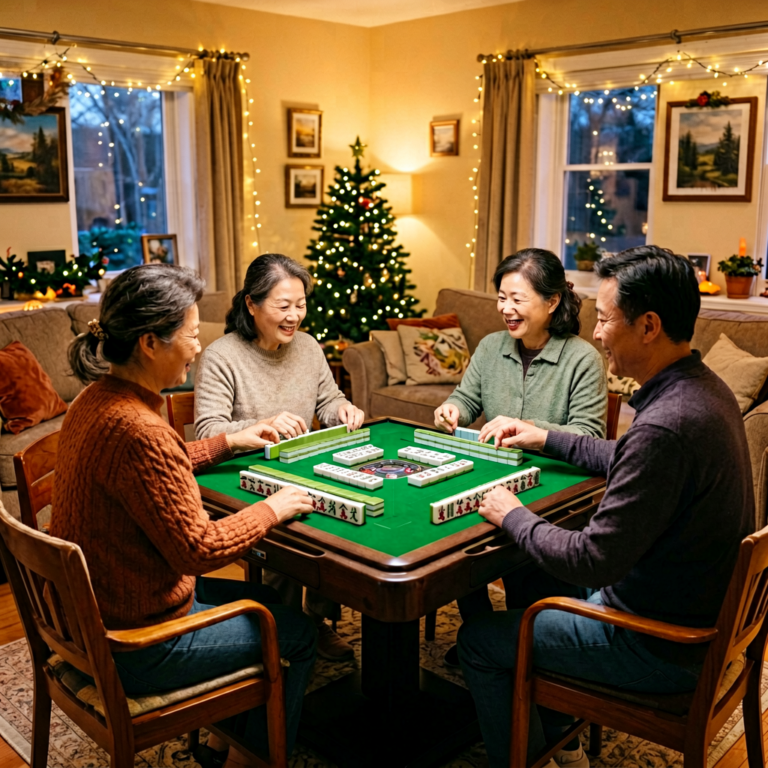
You sit down at your first American mahjong table and within five minutes you are completely lost. Someone calls pung, someone else announces a Charleston, and a third person is arguing about an exposure like it is the most normal thing in the world. It is not normal. Not yet. American mahjong has its own vocabulary, and nobody hands you the dictionary on the way in.
This is that dictionary. Keep it open on your phone for the first few games. You do not need to memorize it. You just need to recognize the words when they get said out loud, and the panic stops.
The tiles themselves
Start here, because everything else is built on these.
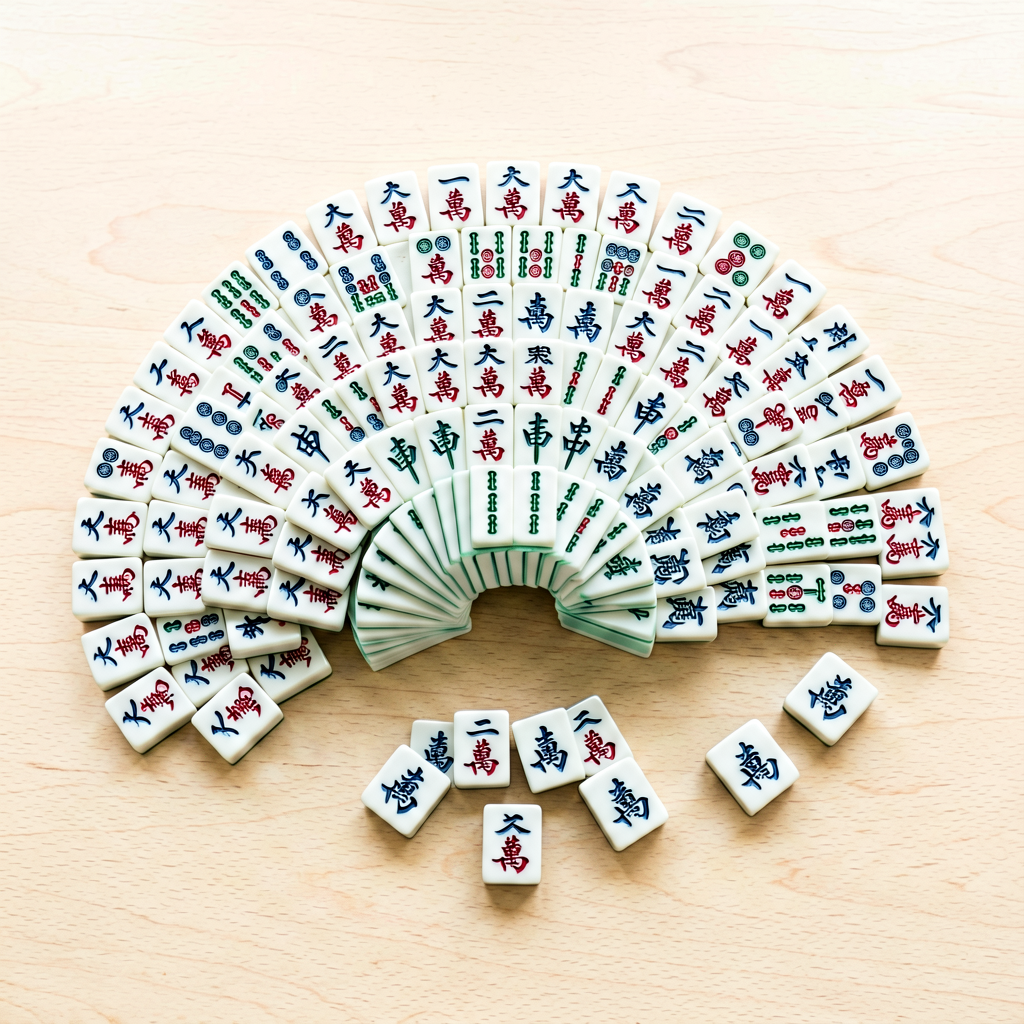
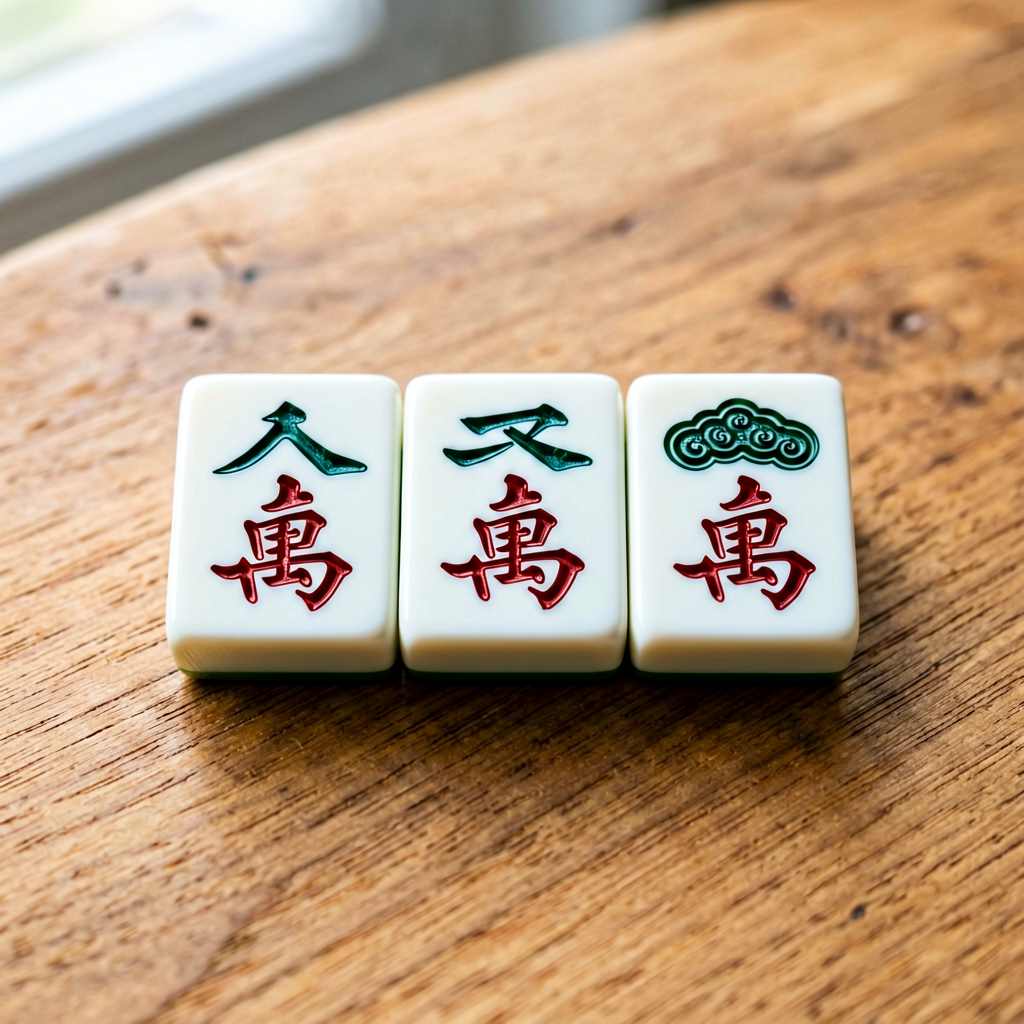
Dots, bams, cracks. Those are the three suits. Dots are circles, bams are bamboo sticks, cracks are the number characters. A player who says “give me a three crack” means the three in the characters suit, not a cracked tile. Nobody is being poetic.
Winds. East, South, West, North. There are four of each, and they matter more than they look like they should. East is the dealer and gets a small scoring edge.
Dragons. Red, Green, White. These are the honor tiles you chase for bonus points, and they show up in a lot of the hands on the card.
Flowers. One of each suit, eight total. They are bonus tiles you set aside the moment you draw them. They do not build a meld, but they pad your score.
Jokers. The wild cards. They stand in for almost anything except a single, lone tile you are still hunting for. Learn the joker rules early, because they are where most new players tie themselves in knots.
The moves you will announce
These are the verbs. When someone says one, they are claiming something.
Pung. Three of a kind, taken from a tile someone just discarded. Say it out loud, grab the discard, and you have a pung.
Kong. Four of a kind. It can be four you collected, or three plus a discard, or three plus a joker you draw. A kong is worth more than a pung and it is rarer.
Quint. Five of a kind. This is only possible because of jokers. You will not see it often, but when a hand on the card asks for a quint, that is what it means.
Run. Three tiles in a row, all in the same suit. Three-four-five bams is a run. Unlike a pung, a run has to be claimed and built from your own draws, never from a discard.
The card, and why everyone stares at it
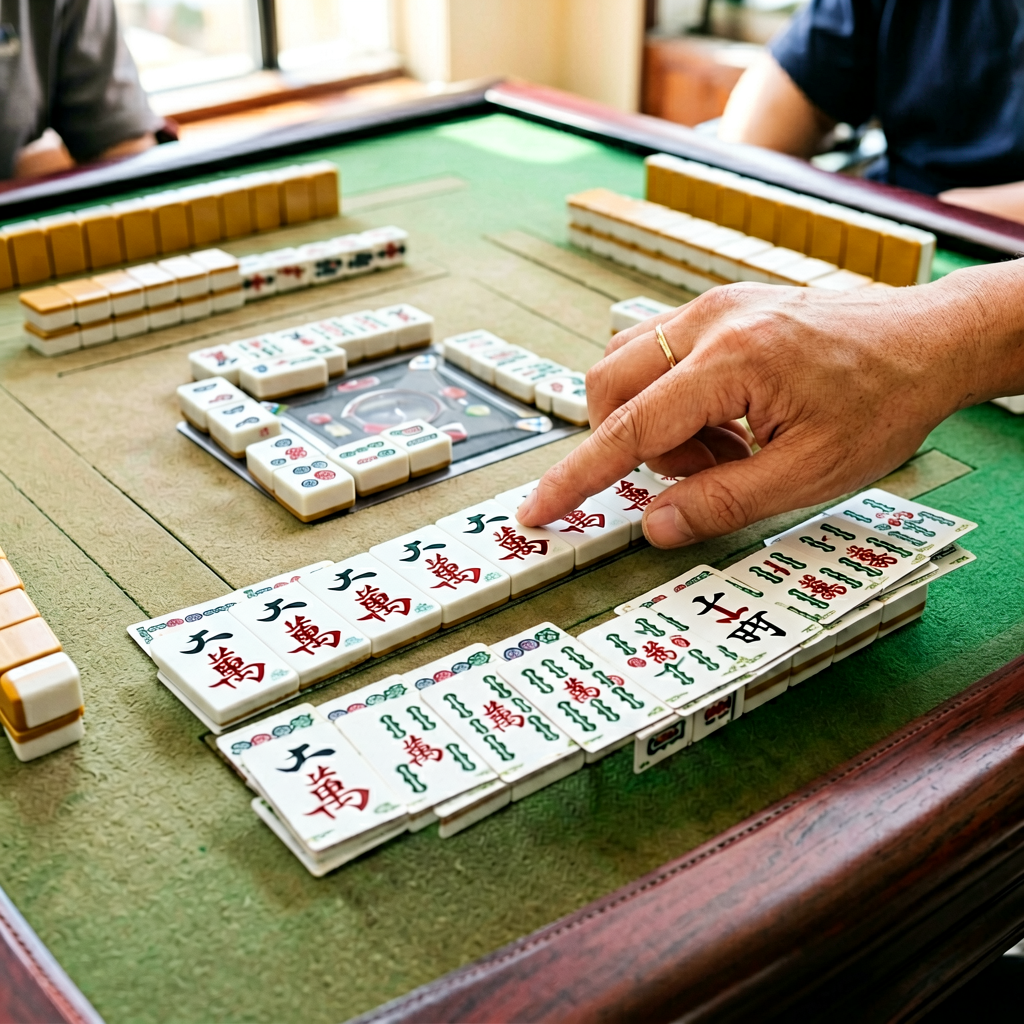
The card. In American mahjong there is one official card per year from the National Mah Jongg League, and it lists every legal winning hand. You cannot guess a hand. You pick one off the card and build toward it. The card is why the game feels dense at first and why experienced players keep it face-up the whole game.
Hand. Not your tiles in general. A specific completed combination copied from the card. “I’m going for the 13579 hand” means a named pattern on the card, not a vague plan.
Exposure. When you complete a group using a discard, you lay that group face-up on your rack so everyone can see it. An exposed hand is more obvious to read, but it is also locked in. You will hear “nice exposure” and “don’t expose yet” constantly.
The table customs nobody writes down
These are the parts that sound like ritual the first time you hear them.
Charleston. The tile-passing dance before real play starts. Three passes to the right, three to the left, sometimes a second Charleston, then a final courtesy pass. You are not playing yet. You are negotiating for better tiles. Skipping it is not an option in most groups.
Courtesy pass. The last little exchange in the Charleston where you can pass on a tile you do not want instead of sending it along. Quiet, optional, and easy to miss if nobody explains it.
Calling. Announcing a claim on a discard the instant it hits the table. In American mahjong you call pungs and kongs out loud. Hesitate and the moment passes.
Dead hand. A hand you can no longer win with, usually because you called wrong or the card you needed is gone. A dead hand sits out the rest of the round. Everyone has one eventually, and it stings less each time.
A few words that trip everyone up
Mah Jongg vs mahjong. The League spells the win “Mah Jongg” with two g’s. The game is usually just mahjong. Both are the same game. Do not let the spelling throw you.
Twenty-five points. Most hands on the card have a minimum value, and a lot of them sit at 25 points or more. If someone says “that’s only a ten,” they mean the hand is too small to count. You need the bigger one.
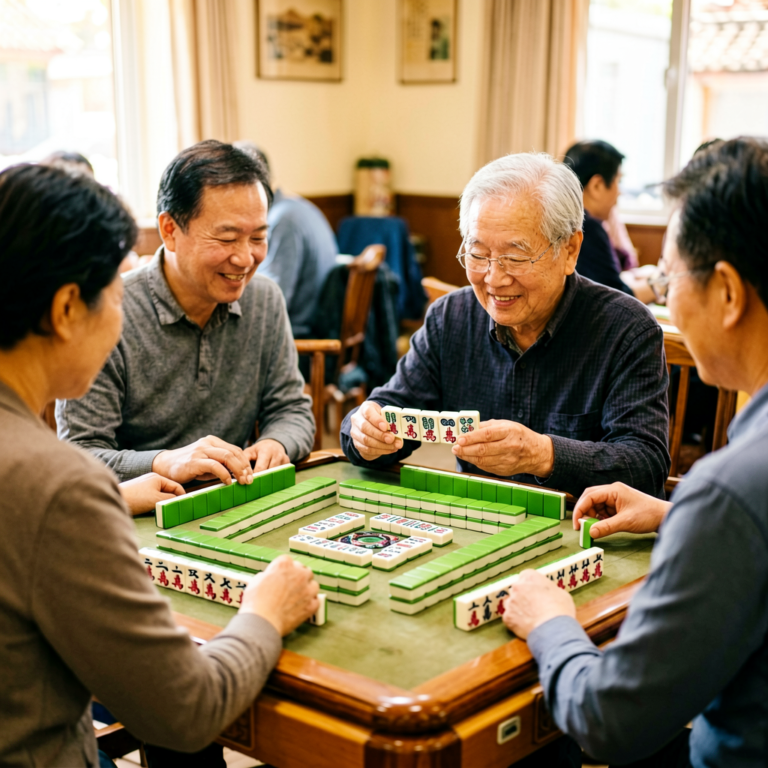
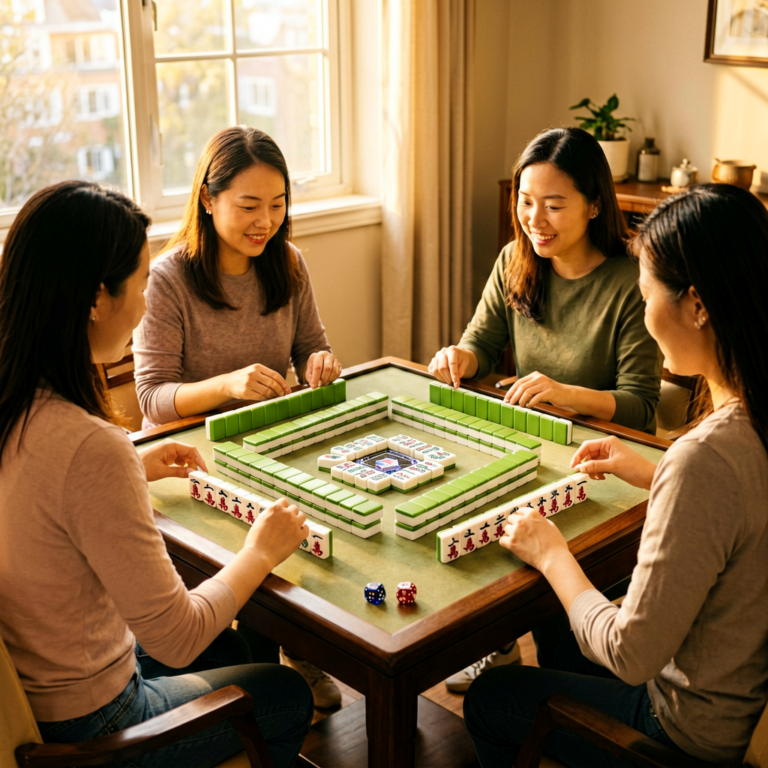
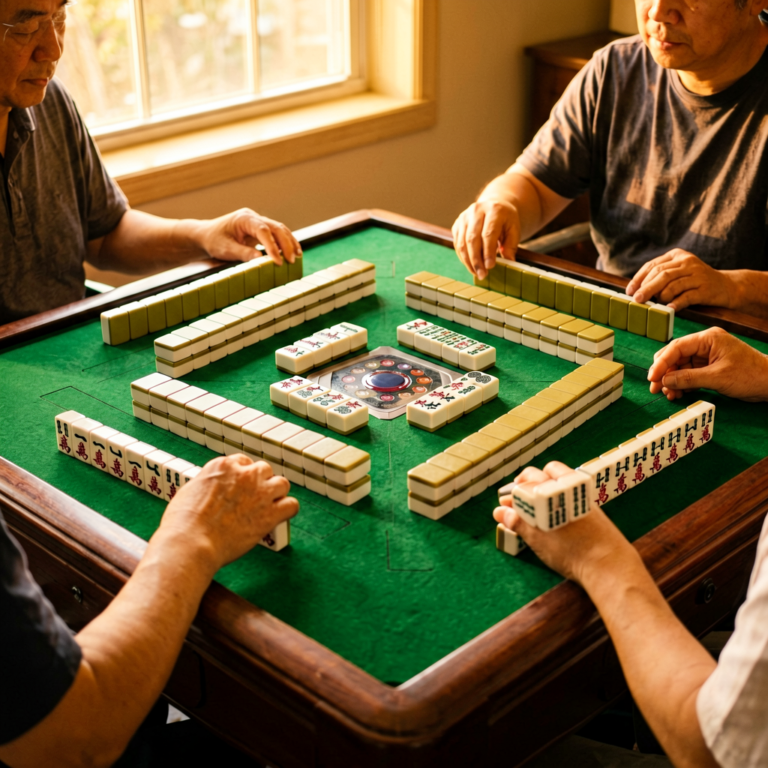
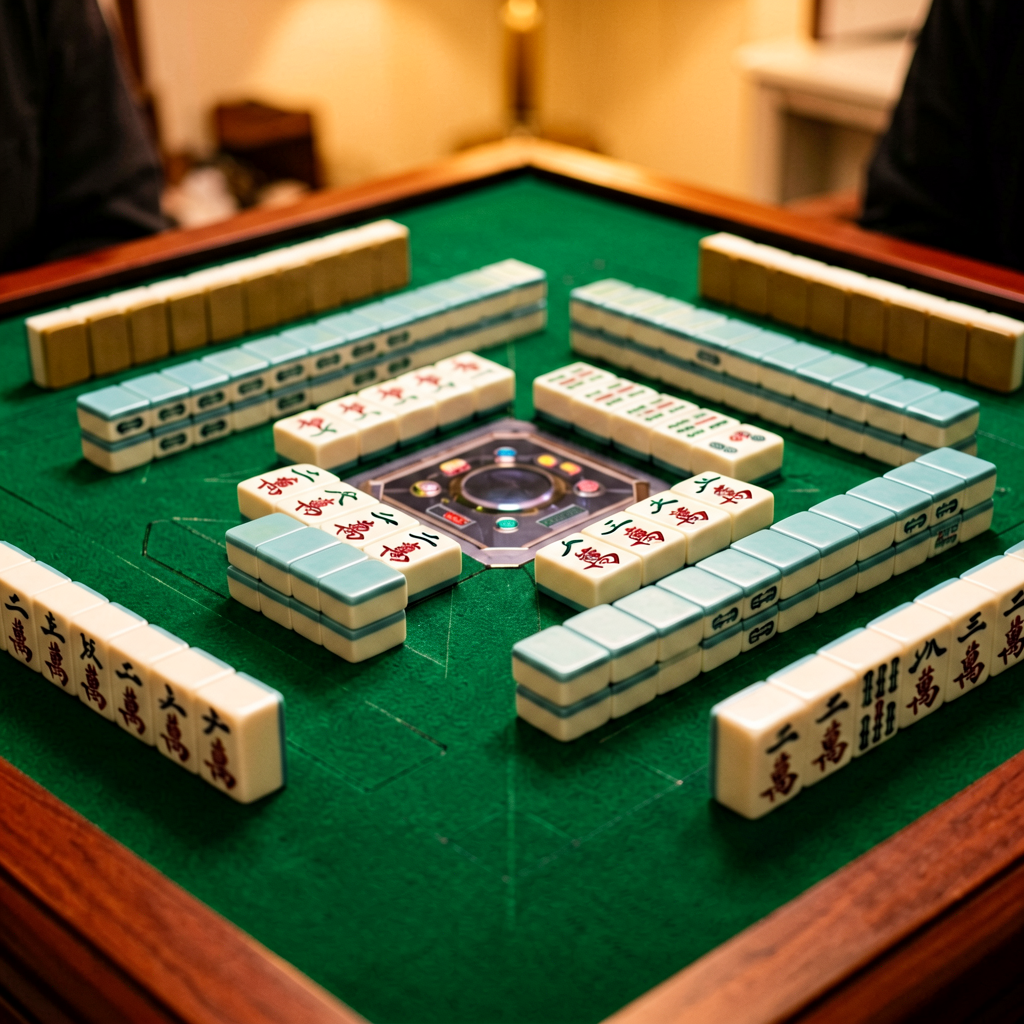
Wall. The stack of tiles in the middle you draw from. When the wall runs out, the hand ends. Simple, but new players panic the first time someone announces “wall’s dead.”
You will not remember half of this the first game, and that is fine. The point of a glossary is not to memorize it. The point is to stop freezing when the table speeds up. After a few nights the words become instinct, and you will be the one explaining pung to the next newcomer.