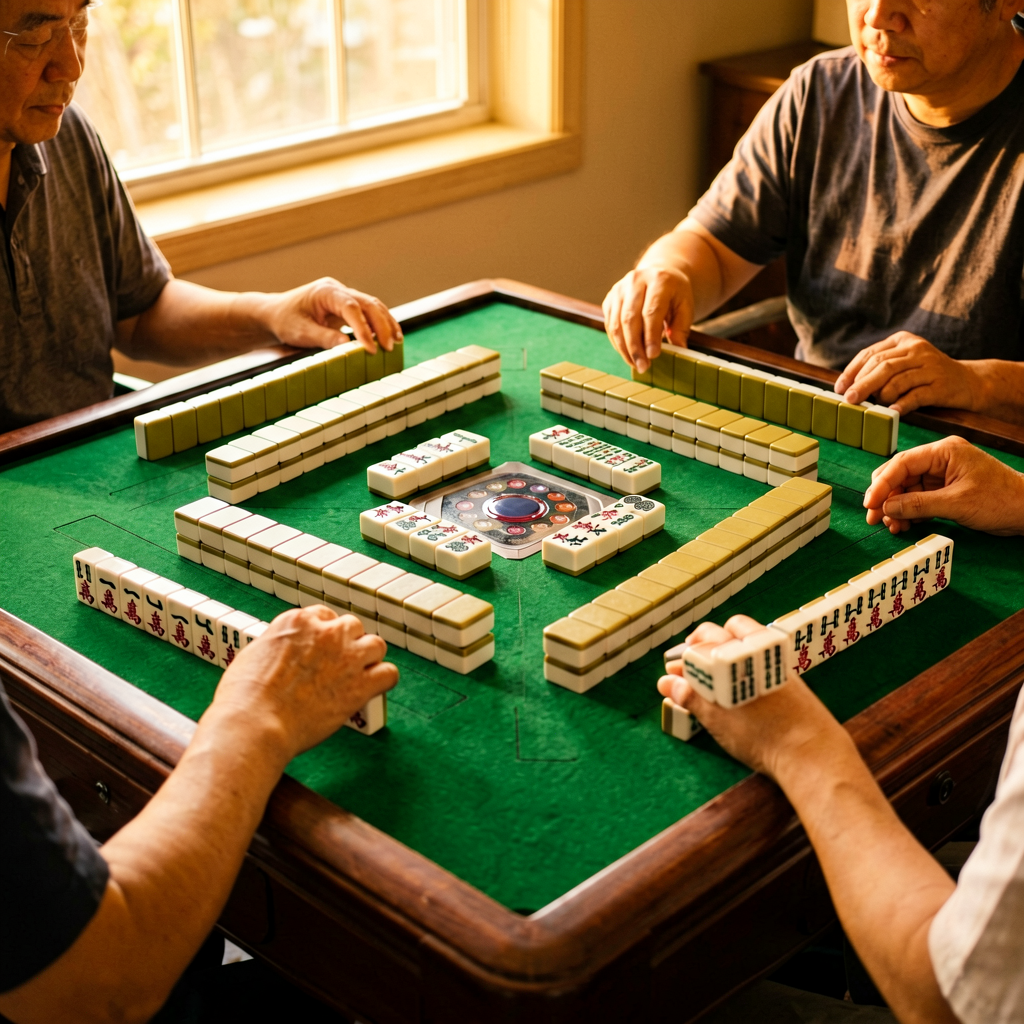
When Nobody Wins: Wall Games in American Mahjong and How to Play the Last Tiles
Nobody warns you about this one. You spend your first few games learning the card, the Charleston, the calling, and then one afternoon the tiles in the middle simply run out. Someone says “that’s a wall game,” everyone shrugs, and the tiles get pushed together for a reshuffle. No winner. No points. The whole hand just evaporates.
New players usually take it as a mistake, like something went wrong. It did not. A wall game is a normal, expected outcome, and how you handle the last stretch of a hand says more about your play than the flashy exposure you made twenty minutes earlier.
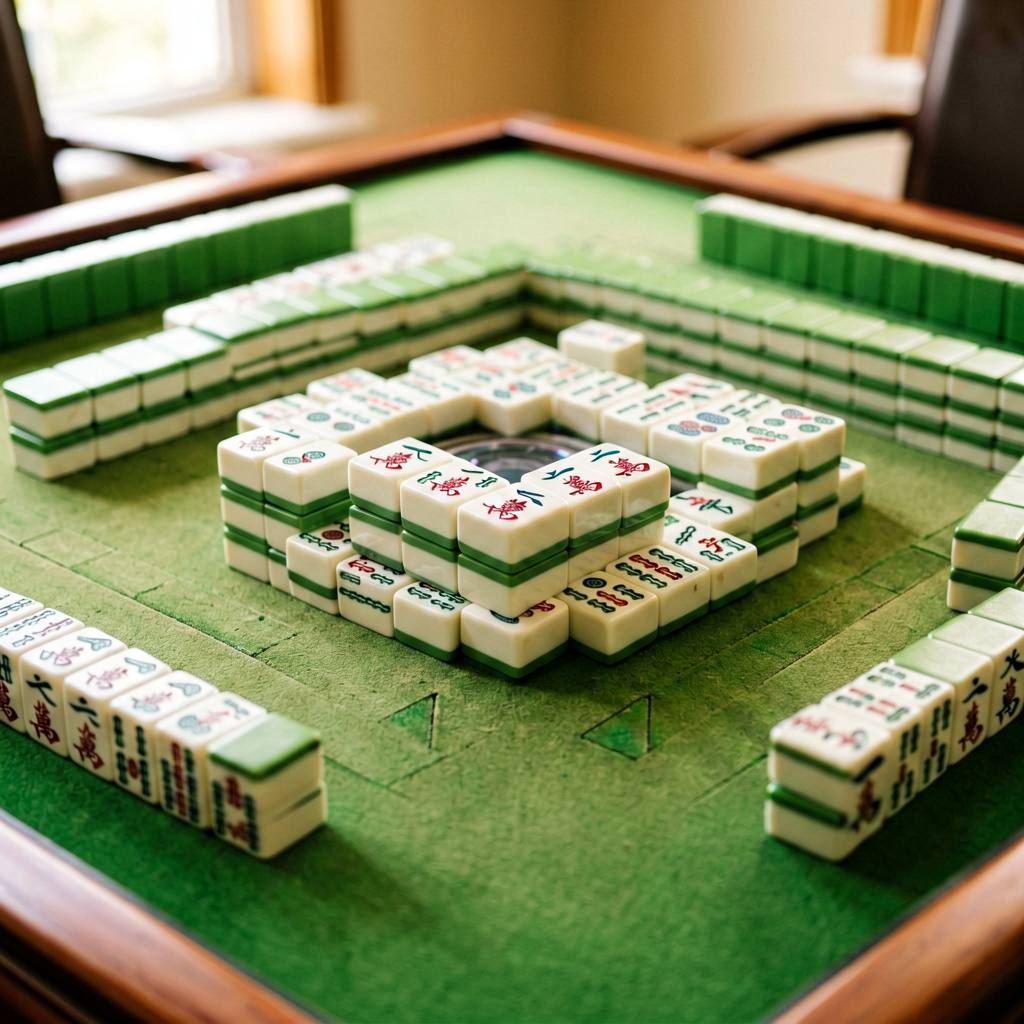
What a wall game actually is
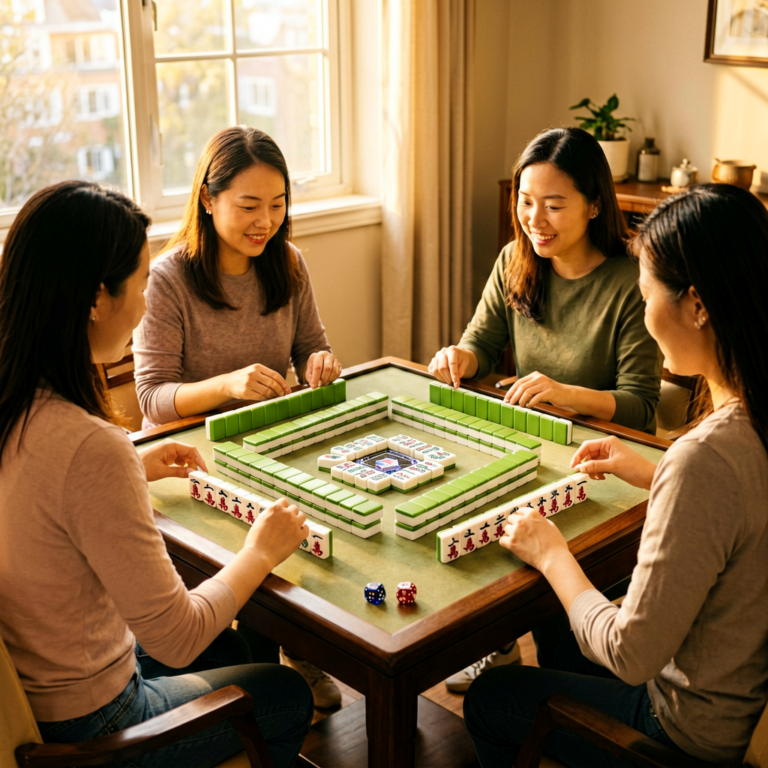
The wall is the stack of face-down tiles in the middle of the table. Every draw comes out of it. There are 152 tiles in an American set, each player starts with thirteen, and the dealer takes fourteen. Do the math and there is a hard ceiling on how many draws the table gets.
When the last tile is drawn and no one has declared mahjong, the hand ends right there. That is the wall game. In most groups nobody scores, nobody pays, and the deal stays with the same player for the next hand. Some tables pass the deal anyway. It is one of those details worth settling out loud before the first hand instead of arguing about it later.
Why it happens more than you would think
Three things push a hand toward a wall game, and usually all three at once.
Everyone is chasing something rare. If three players at the table picked a difficult hand off the card, the tiles they need are scattered and few. Nothing lines up in time.
The table is playing defensively. When people stop discarding useful tiles because they are afraid of feeding a win, the flow of live tiles dries up. Careful tables produce more wall games than reckless ones. That is not a flaw, just the cost of caution.
The Charleston went badly for everyone. Sometimes the passing rounds shuffle tiles around without helping anybody. Four mediocre starting hands rarely turn into one winner.
Experienced groups see a wall game maybe once every eight or ten hands. If your table is hitting them constantly, the culprit is usually hand selection: too many people committing to hard patterns and refusing to switch.
Reading the clock, not just the tiles
The single biggest habit that separates newer players from steady ones is tracking how much wall is left. Not precisely, not counting tiles like a card shark. Just roughly.
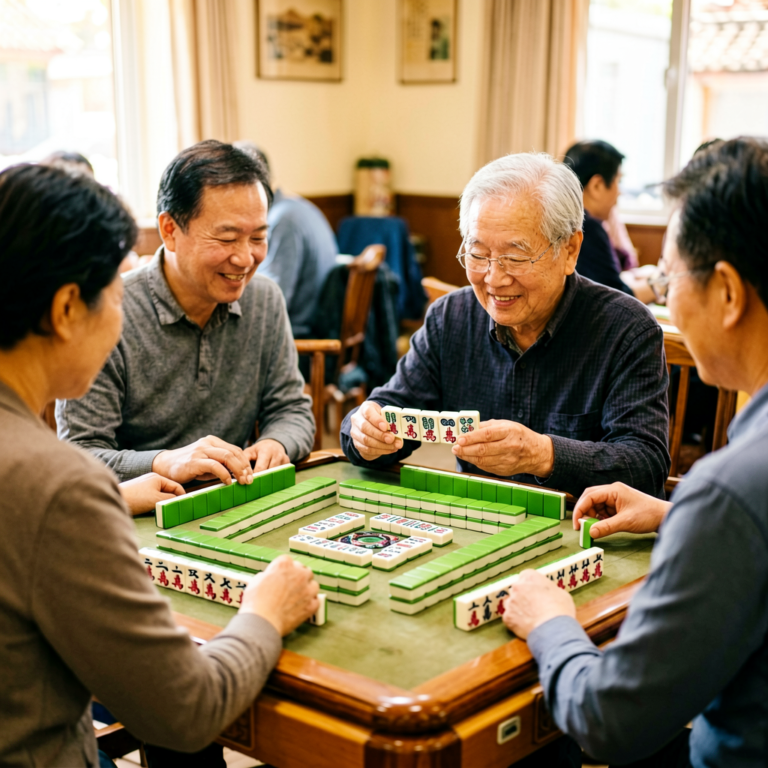
Look at the middle of the table every few turns. Half a wall left means you still have room to build. A quarter means it is time to be honest with yourself. Two or three stacks left means the hand is basically decided and you are playing for something other than the win.
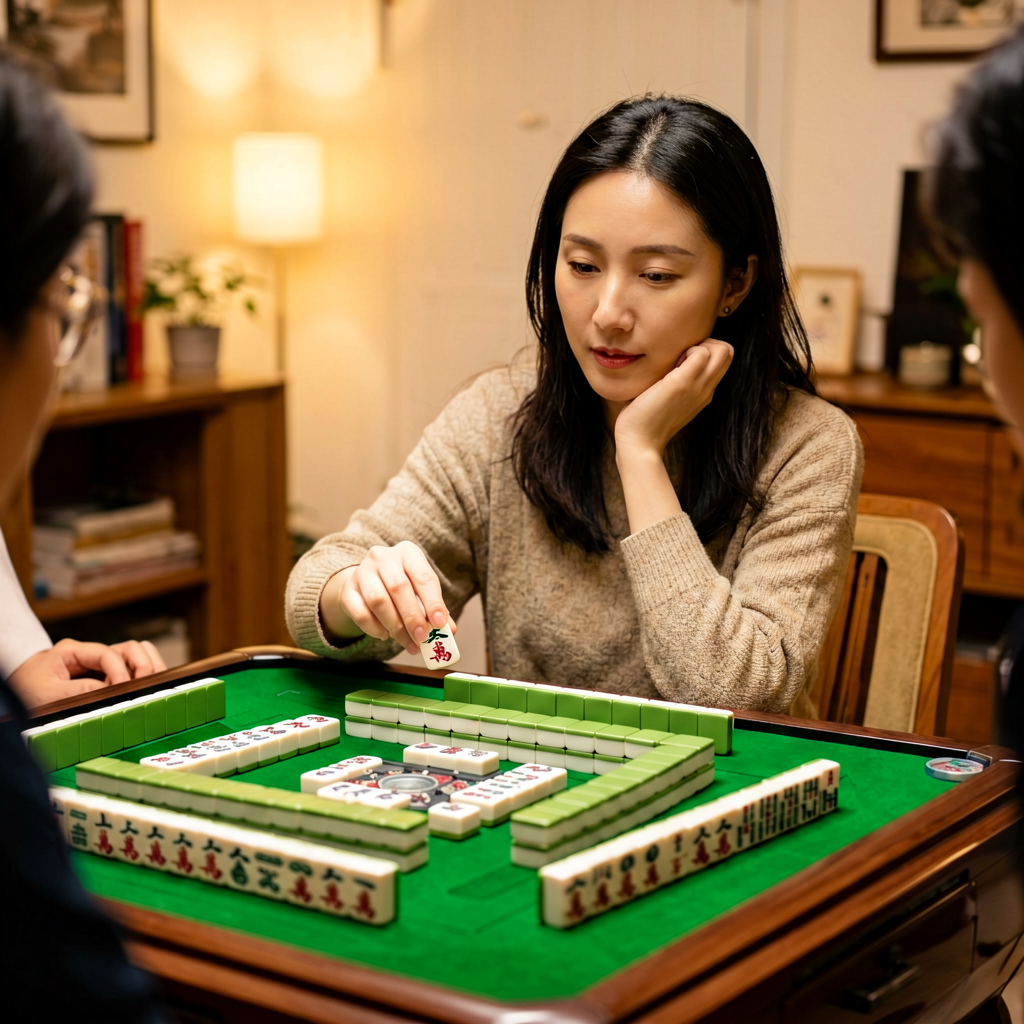
How to play the last ten tiles
Once the wall gets thin, your goals shift. Here is roughly the order they shift in.
Be brutally honest about your distance. Count how many tiles you still need. If the answer is four or more and the wall is nearly gone, you are not winning this hand. Accept it early. Players who cling to a dead plan until the last tile are the ones who accidentally hand someone else the win.
Switch to blocking. If you cannot win, the next best thing is making sure the player who is obviously close does not either. Look at their exposures. Hold tiles that match what they are collecting. Discard the ones nobody has shown interest in.
Stop feeding the table. Late in a hand, a discard that looked harmless twenty tiles ago can be the exact tile someone has been waiting on. Safe discards are the ones already sitting in the pile, or the ones that clash with every exposure you can see.
Do not slow the game to a crawl. There is a difference between thinking and stalling. Nobody enjoys watching someone agonize over a tile for two minutes when the hand is functionally over. Play it out, keep the rhythm, let the wall run dry.
And if you are the one who is close, the last tiles are when you finally get aggressive. Take the kong you were hesitant about. Grab the discard even though it reveals your plan. There is no later left to protect.
The part nobody says out loud
A wall game feels anticlimactic, but it is quietly one of the fairest outcomes in the game. Nobody got punished for playing carefully. Nobody got rewarded for a lucky draw at the end. The table just met its limit and moved on.
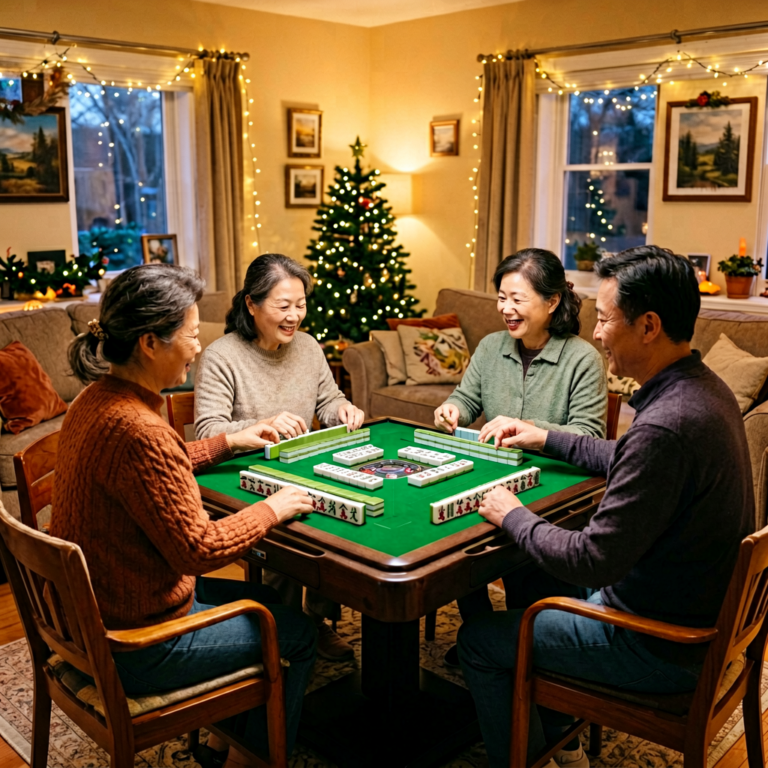
The tables that handle it well have a small ritual: someone says “wall game,” everyone flips their tiles face up for a second so people can see what they were building, and then it all goes back into the shuffle. That thirty-second reveal is genuinely useful. You learn how the other three players think, and they learn how you think, and everyone plays a little sharper next hand.
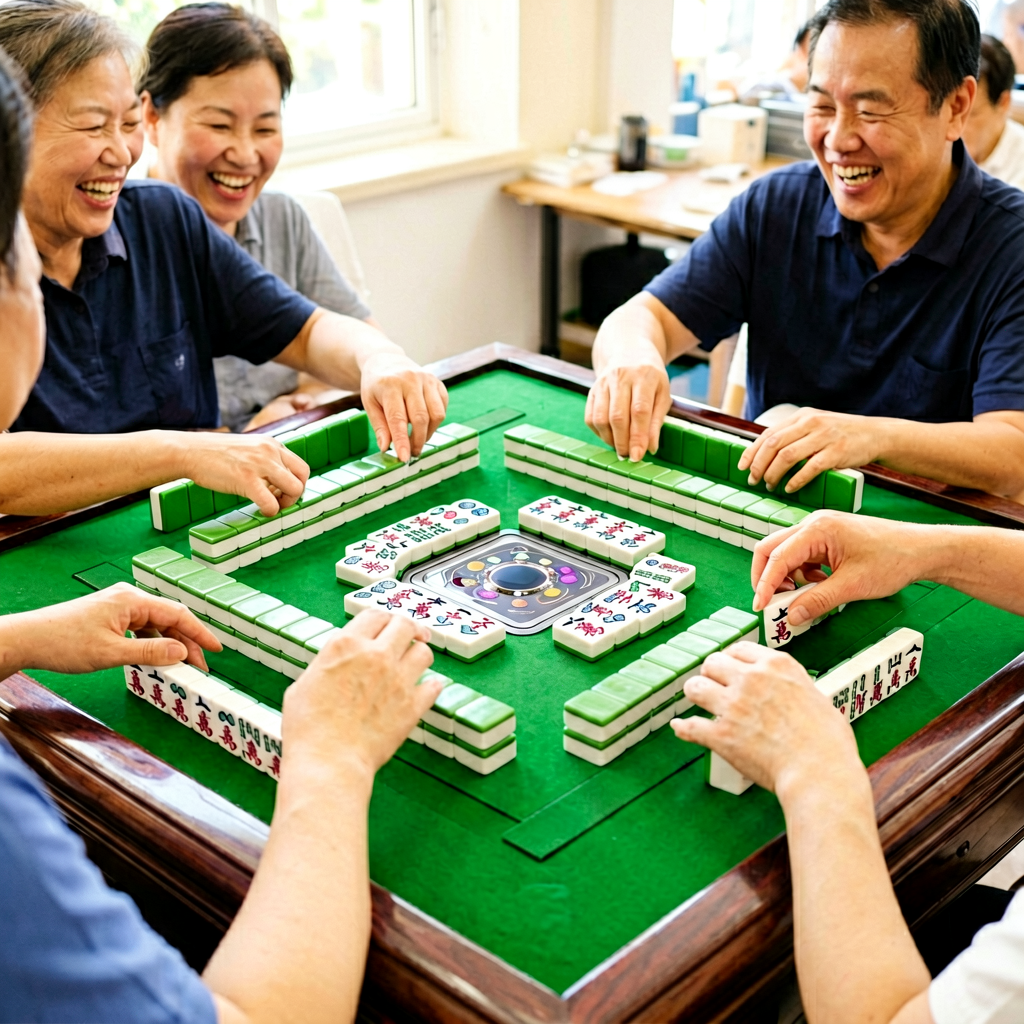
A quick note on tiles that last
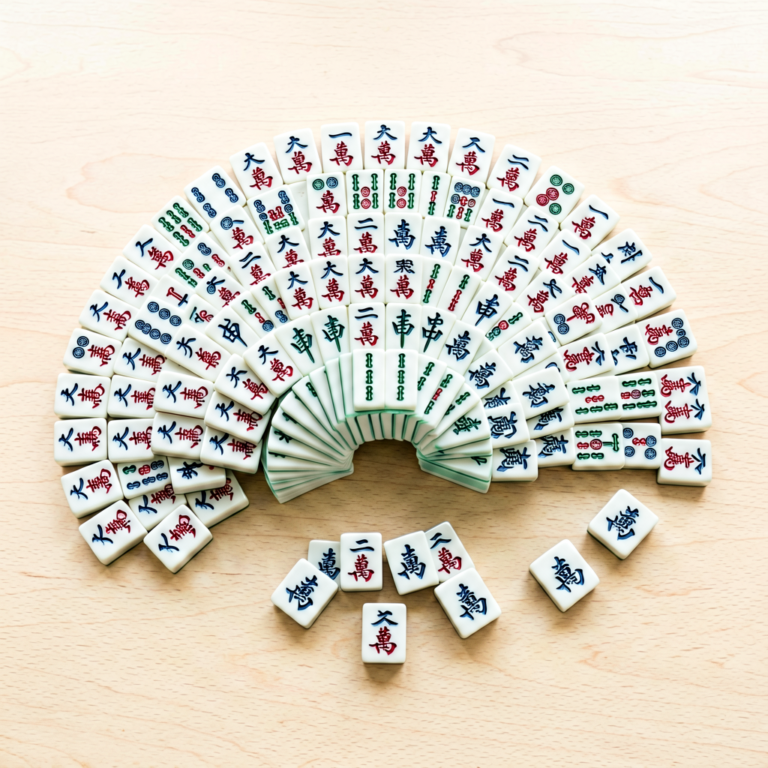
Here is the practical side of it. A group that plays regularly will shuffle a set thousands of times a year, and every wall game means one more full reshuffle. Tiles get pushed, stacked, knocked over and swept together again. Cheap tiles chip at the corners and the painted characters start to fade. Heavier tiles with engraved faces hold up, and they stack straighter, which makes building the wall faster and less annoying.
It is not the reason to buy a good set, but it is the reason a good set still looks right after five years of Tuesday nights.
So the next time the wall runs out on you, do not treat it as a wasted hand. Notice how far you were, notice who was closer, and notice what you would have discarded differently. That is the hand doing its job even without a winner.