No Two Tables Alike: How American Mahjong Changes From City to City and Family to Family
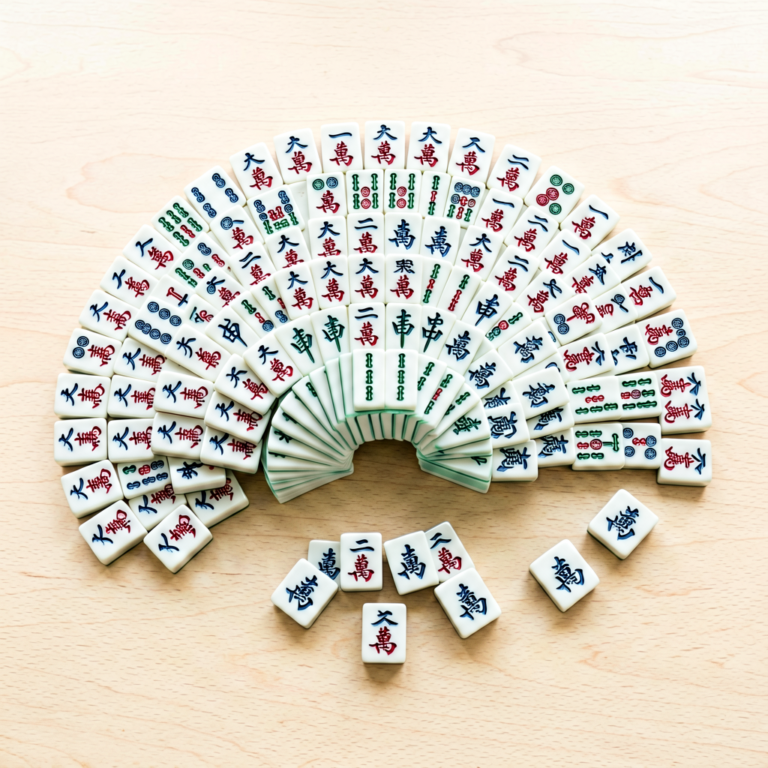
People talk about American mahjong as if it is one game with one rulebook. It is not. The tiles are identical, the card is shared, but the way a table actually plays can be totally different depending on where you are sitting and whose mother taught you. Spend a month visiting clubs and you start to notice it: the same hand, called a different way, with a different rhythm, and a house tradition nobody wrote down.
This is not a bug. It is the whole charm. Mahjong in the US grew up in living rooms and community centers, not in a league office, and it kept the fingerprints of every group that adopted it. Here is how that actually shows up.
The regional accents you can hear at the table
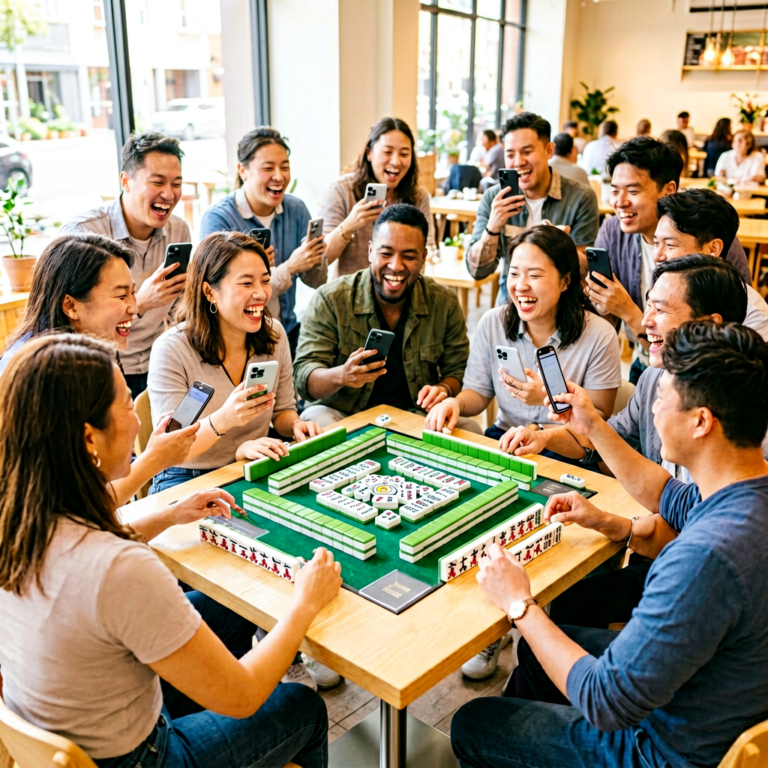
The strongest regional flavor in the US is the East Coast, especially the Long Island and New York-area clubs that grew out of Jewish-American community life. Those tables tend to be fast, loud, and social first. The Charleston is brisk, the calling is enthusiastic, and nobody is shy about telling you what they needed. If you learned there, you might assume every American table plays that way. It does not.
Down South, a lot of the play grew out of bridge-club and church-social culture, and the pace is often a touch more measured, with more small talk between hands and a stronger emphasis on the social ritual of the afternoon. On the West Coast, where a huge share of the new wave of players picked the game up in the last few years, you see younger groups mixing in app habits, looser calling, and a willingness to invent friendly variants on the spot. None of these is wrong. They are dialects of the same language.
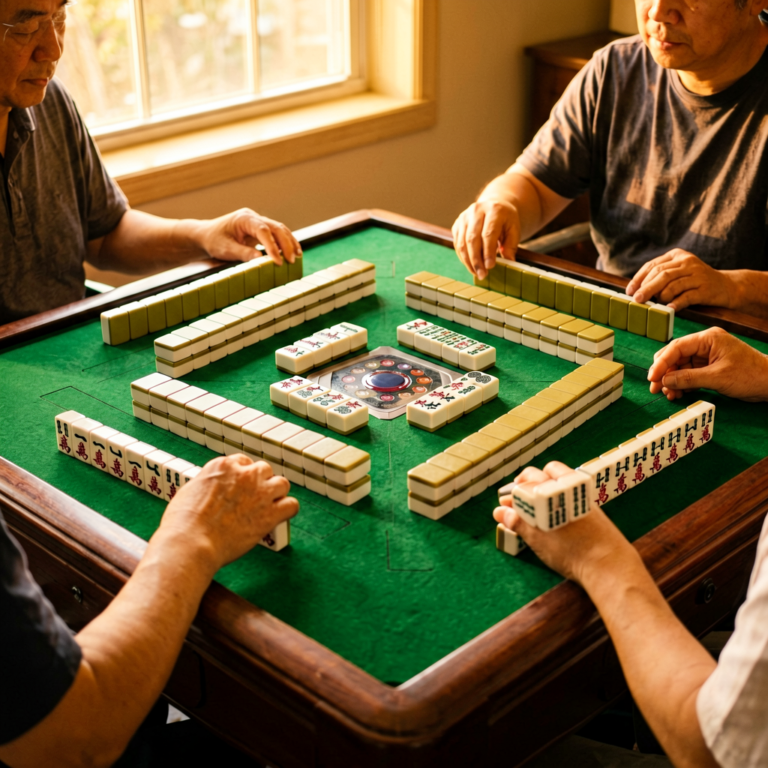
Even the card gets read differently by region. Some groups treat the national league card as gospel and never deviate. Others treat it as a starting point and quietly keep a few “old” hands from previous years alive because the table likes them. Both tables will tell you they are playing by the rules. They are. Just not the same ones.
What families pass down that the card never mentions
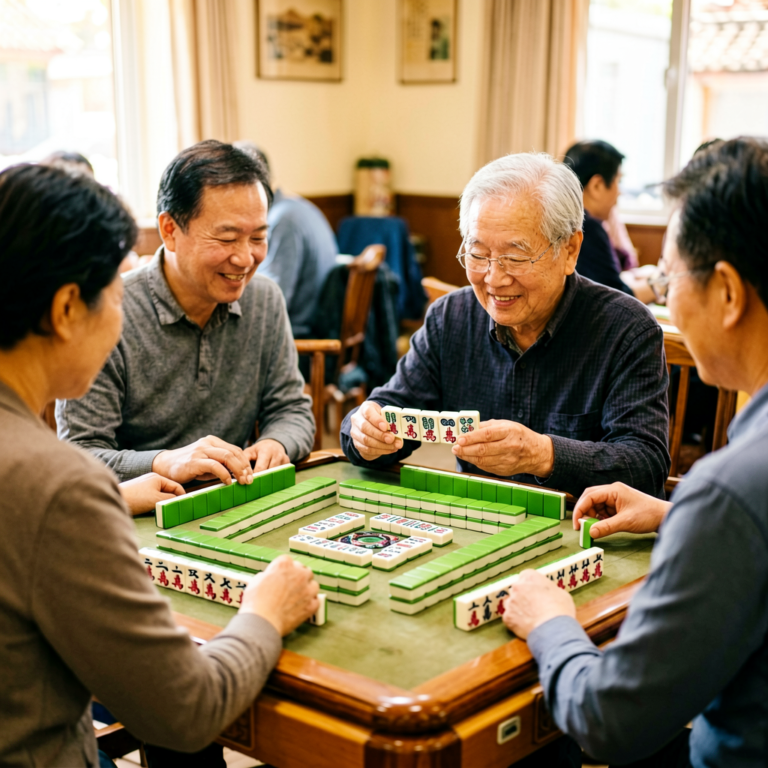
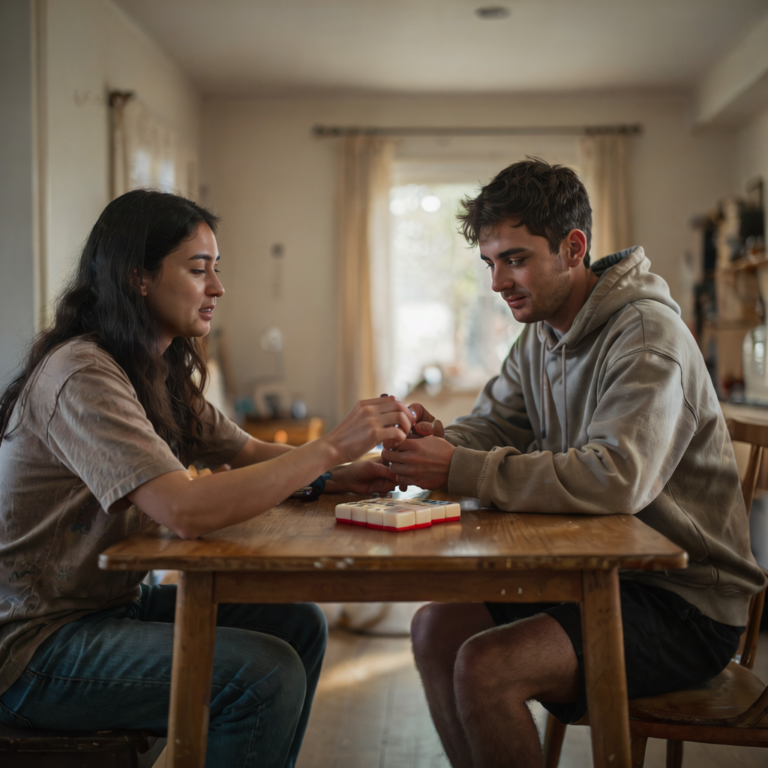
The deeper variation is not geographic. It is generational. Every family that has played for a while has a hand, a habit, or a whole evening format that exists only at their table, inherited like a recipe.
Sometimes it is a named hand nobody else has heard of, invented by a grandmother forty years ago and kept alive because it is fun and it is theirs. Sometimes it is a tiny rule, like “the dealer always starts the Charleston to the left” or “whoever goes Mahjong first picks the music next round.” These things sound trivial until you realize they are the reason a kid wanted to keep coming back. The game was wrapped in belonging.
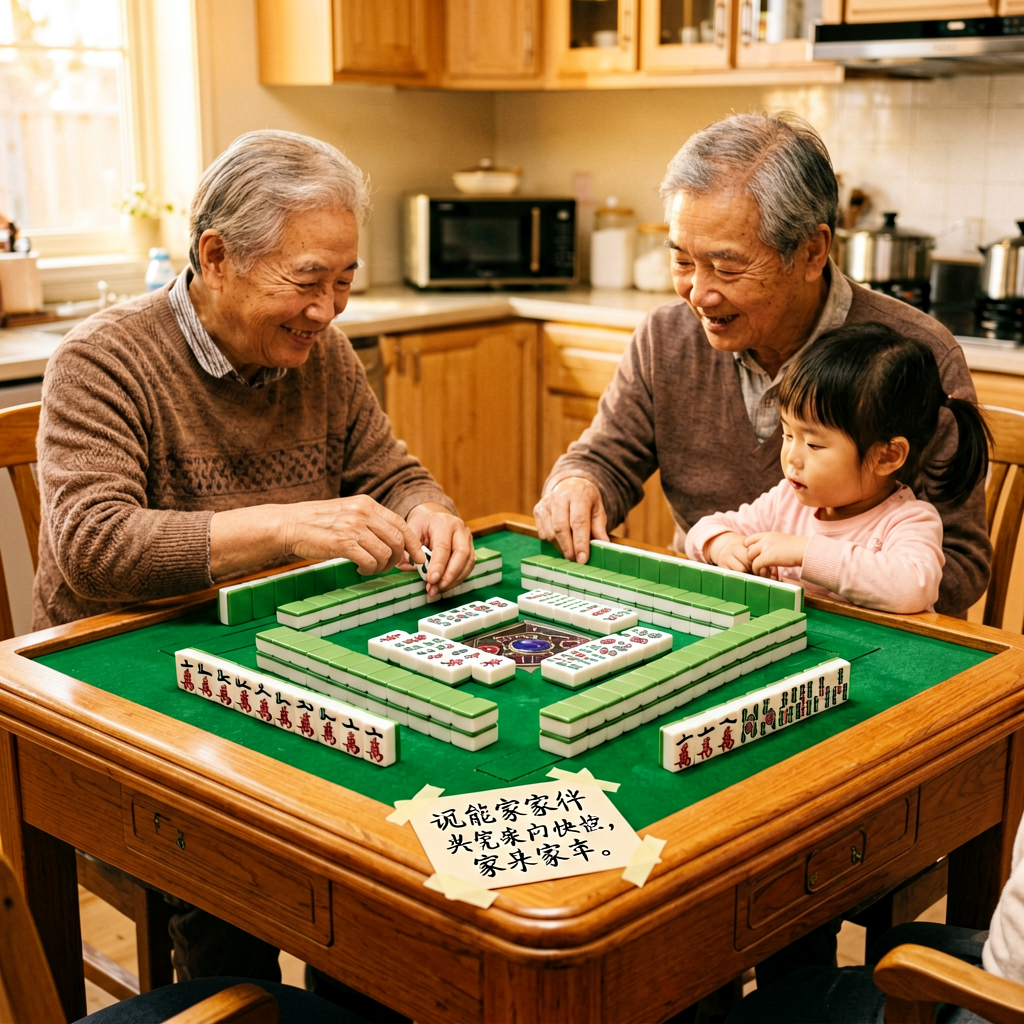
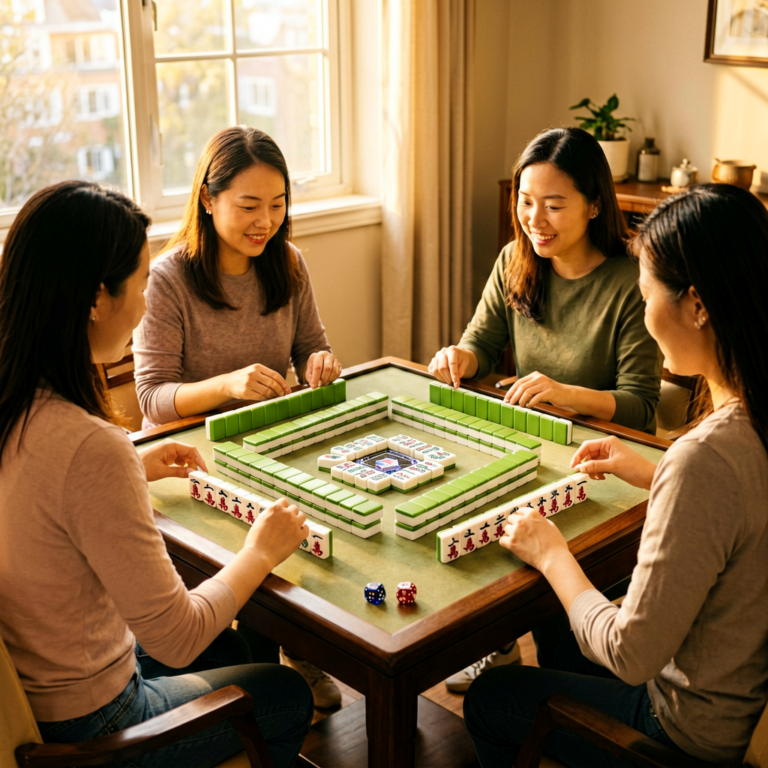
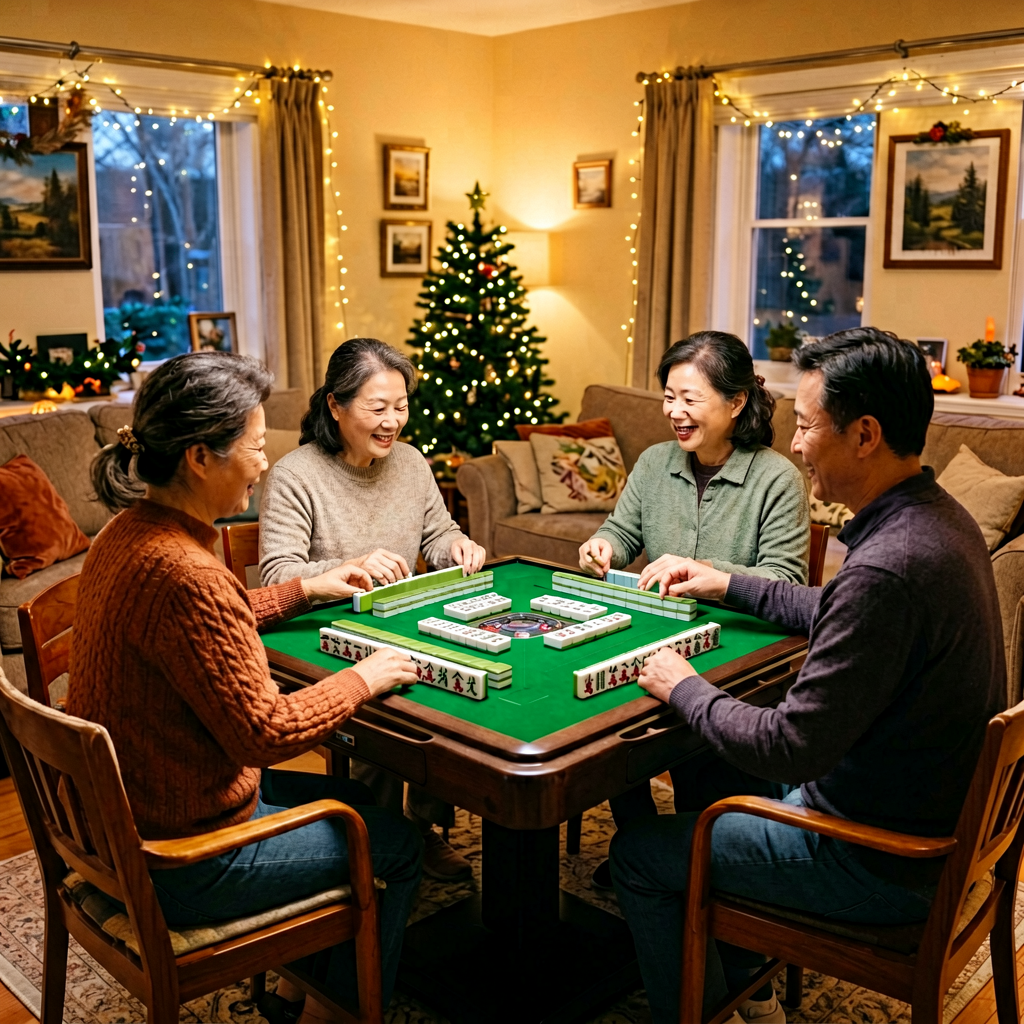
There is also the holiday version of the game. Plenty of families have a specific way they play on the first night of a gathering, a looser, sillier set of hands meant to include the cousin who only plays once a year. That is real mahjong too. The skill is lower, the stakes are snacks, and the memory is the point. If you only ever learn the competitive form, you miss half of what the game is for most people.
I have seen families where the “real” rules are the ones grandma enforces, and the league card is just a suggestion she tolerates. That is not confusion. That is ownership. The game belongs to the people playing it, and it always has.
Why the variation is healthy, not messy
New players sometimes get anxious about this. Which version is correct? The answer that saves you stress: the one at the table you are sitting at. When you join a group, you are not joining “American mahjong.” You are joining that table, with its customs, and your job for the first night is to watch and ask, not to correct.
The variation is also why the game survives. A sport with one rigid rulebook can feel like a test you have to pass before you are allowed to enjoy it. Mahjong instead meets you where you are. A strict tournament player and a holiday-family player are both playing the same tiles, and both would happily sit at the other’s table and adapt. That flexibility is rare and worth protecting.
How to collect the good versions
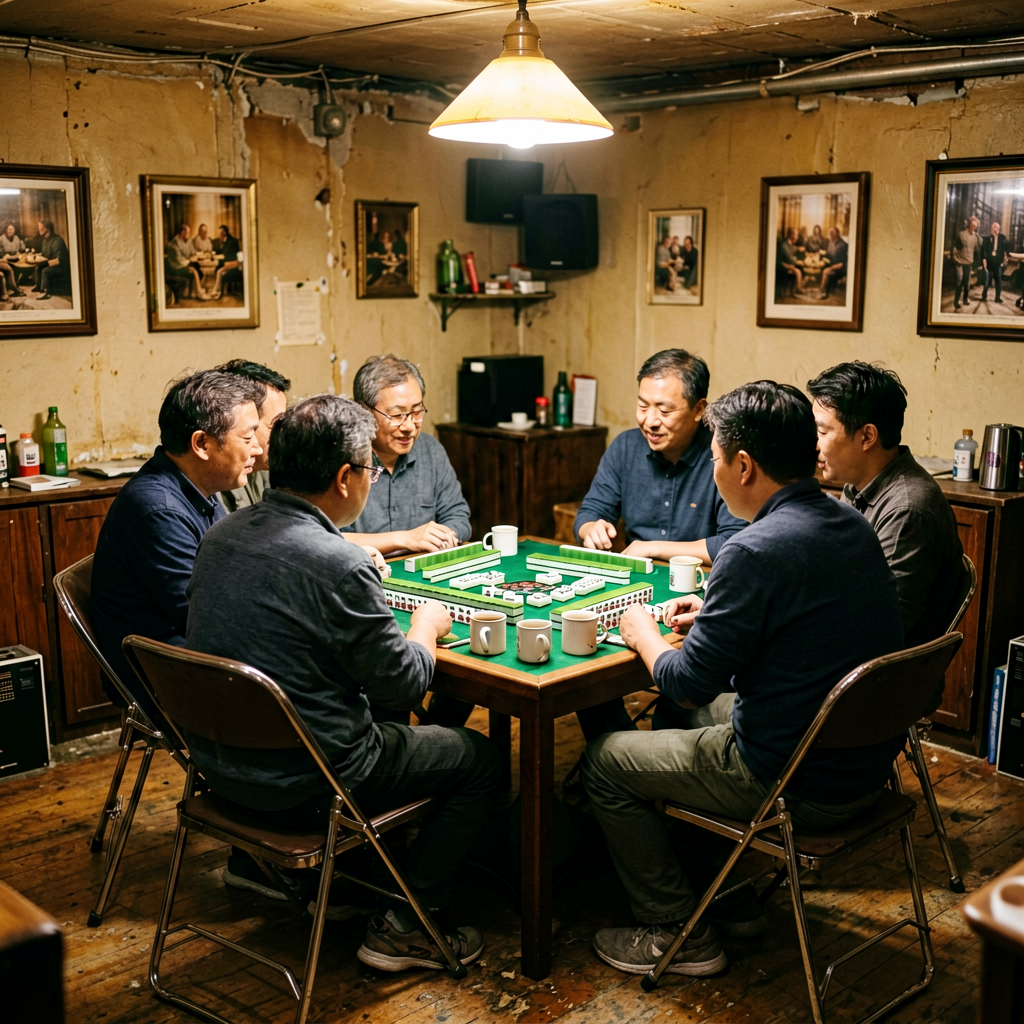
If you want to actually learn the range, do not just read the card. Sit at different tables. Visit a formal club, then a casual friend’s kitchen, then a family gathering if you can talk your way into one. Ask what they do differently and why. Most players love explaining their quirks, and you will pick up more about the game’s spirit in three different rooms than in thirty practice hands alone.
Start your own tradition too. The game is loose enough that you are allowed to. Maybe your table keeps a “rookie hand” that only first-timers can call, or a rule that the winner deals the next round and picks the music. Small things like that are what make a group want to come back, and in twenty years someone will call it the way you played.
And if you are putting together a set for exactly this, the physical object matters more than people admit. Tiles that feel good and read clearly make a holiday-table game with mixed ages work, and a case that survives being lugged between houses means the tradition actually travels. That is the kind of thing we think about at EastCraft, but the tradition is yours. The tiles just carry it.