Short-Handed Mahjong: How to Play American Mahjong With Just 2 or 3 Players
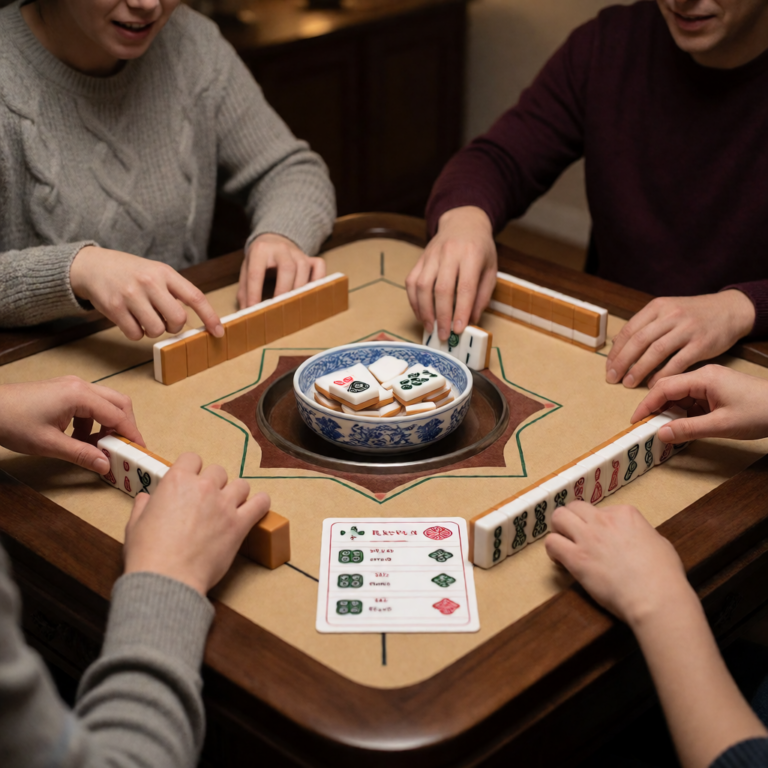
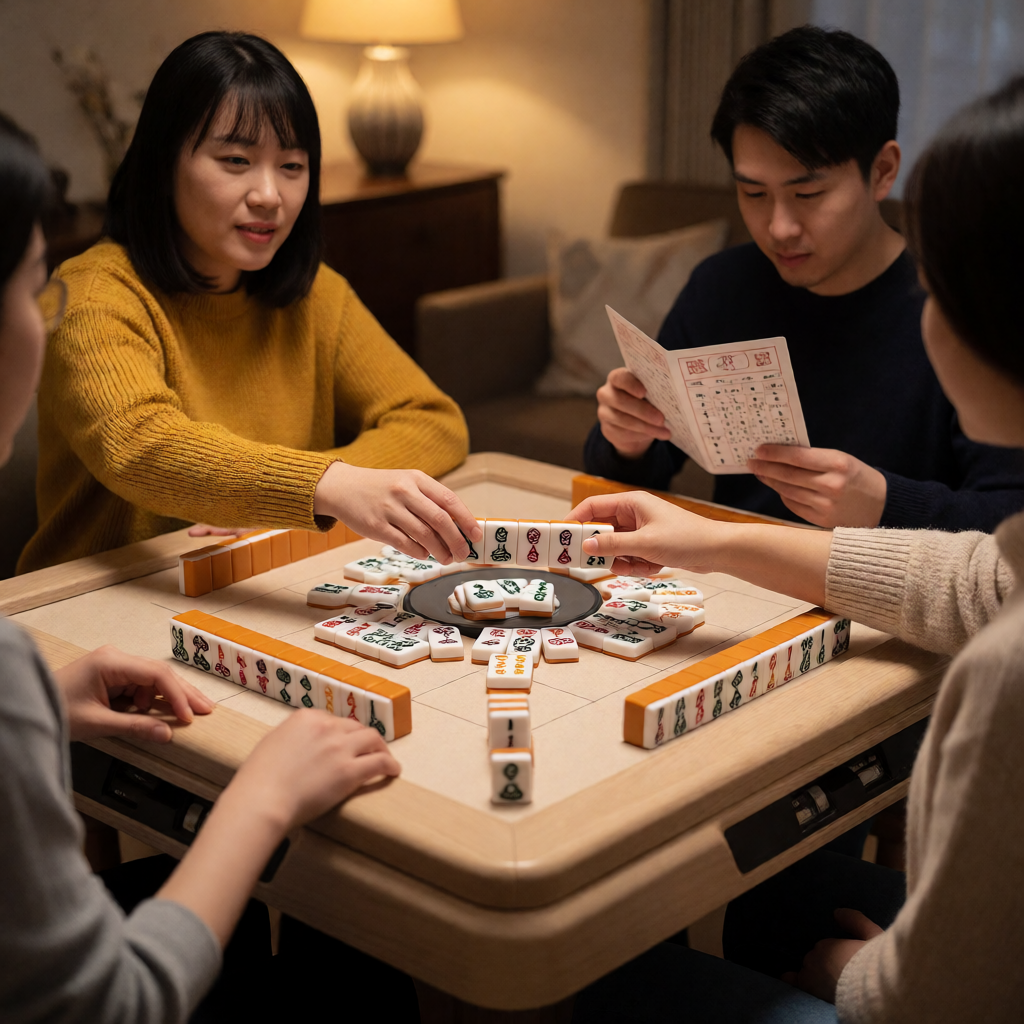
You invited four. Two showed up. The tiles are already out, the card’s on the table, and the group chat is full of apology emojis. Don’t pack it away. American mahjong wants four players, but the game bends. With a couple of agreed tweaks, two or three of you can still get a real game in — and honestly, it’s one of the best low-pressure ways to learn the card.
One honest note before we start: the National Mah Jongg League’s official rules assume four players. Everything below is the house adaptation most groups use when they’re short. Say the changes out loud, write nothing down, and you’ll be fine.
The three-player game — the easy one
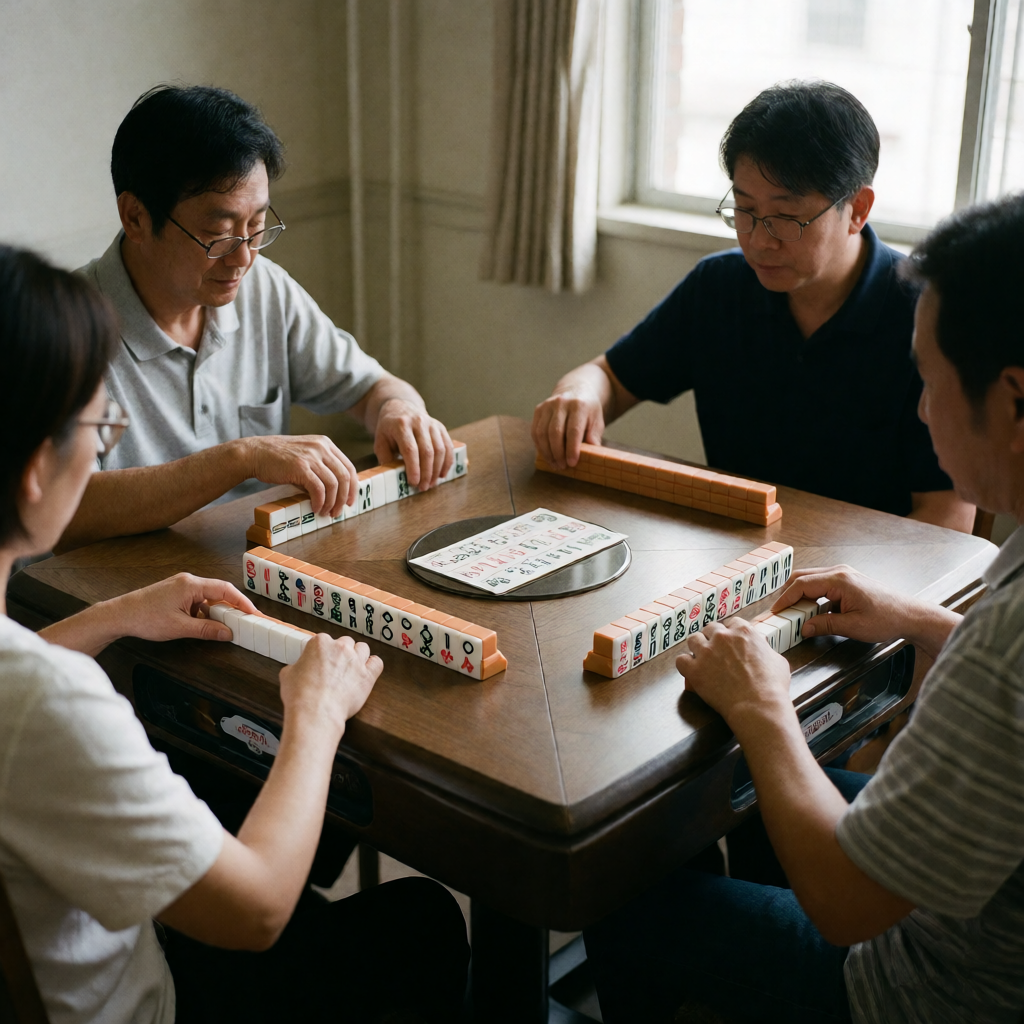
Three is the natural short-handed count. You keep almost everything from a normal game.
Deal to three, not four. Each player still gets 13 tiles (14 on the deal, then discard). The fourth rack simply doesn’t exist — those tiles stay in the wall.
The Charleston is the only real wrinkle. The standard version has you passing across and to the sides, and with three people there’s nobody across to pass to. So you pass to your left, then your right, then left again — or just rotate every pass to the left. Everyone still moves three tiles each turn, so nobody’s shorted. Some groups toss in one extra tile per pass to keep the math tidy. Decide which before you start, because arguing mid-Charleston is its own kind of game.
Leave the dead wall alone. Fewer players means more live tiles per person, so the game moves faster and you see your hand shape sooner. That’s the upside.
The two-player game — get creative
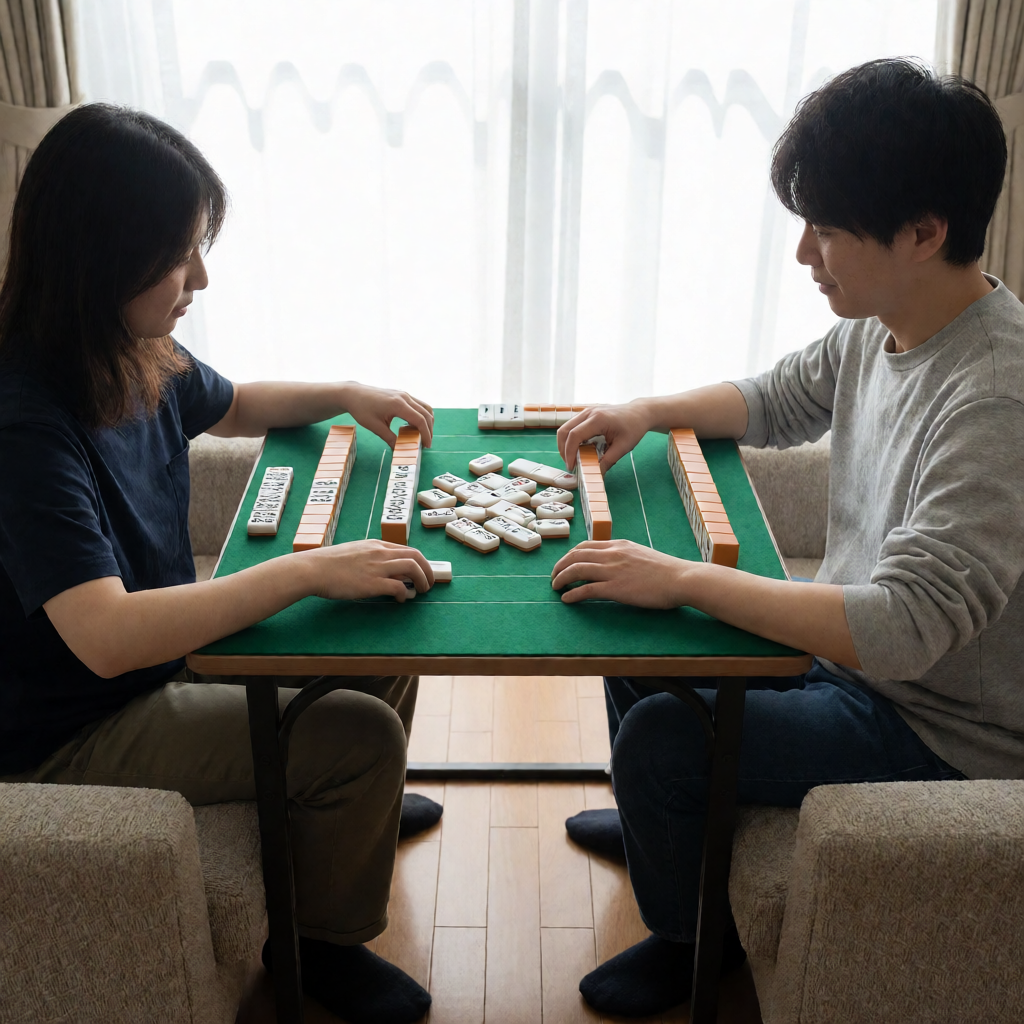
Two is harder, because American mahjong hands lean on kongs and on reading discards you can’t see with only one opponent. But head-to-head works if you change the deal.
The common fix: deal each player two racks’ worth of tiles. One person plays two hands at once, drawing and discarding for both, or you split a single rack into “your hand” and “the dummy.” It sounds odd. It plays fine — you’re racing a second hand you control, and the goal is to complete one of your two hands first.
A simpler version: play against the card. One player builds toward a hand while the other calls tiles from a shared wall. Whoever completes a legal hand first scores. Less about competition, more about practice — which is usually what two players actually want.
What actually changes in the strategy
Fewer players flips a few habits.
More tiles, fewer eyes. With three or two, you draw from a fatter wall and see fewer discards. You can’t read opponents the way you would at four. So lean on the card. Pick a hand early and build to it rather than reacting to what everyone dumps.
Jokers matter more. A short table means you hit your joker opportunities faster. Don’t burn them. Hold one back for the pair if your hand allows it.
The pace is gentler. This is the real gift of a short game. You can talk through a hand, second-guess the card out loud, and actually learn something. Bring a beginner to a three-player night and they’ll absorb more than they would in a four-hour four-person marathon.
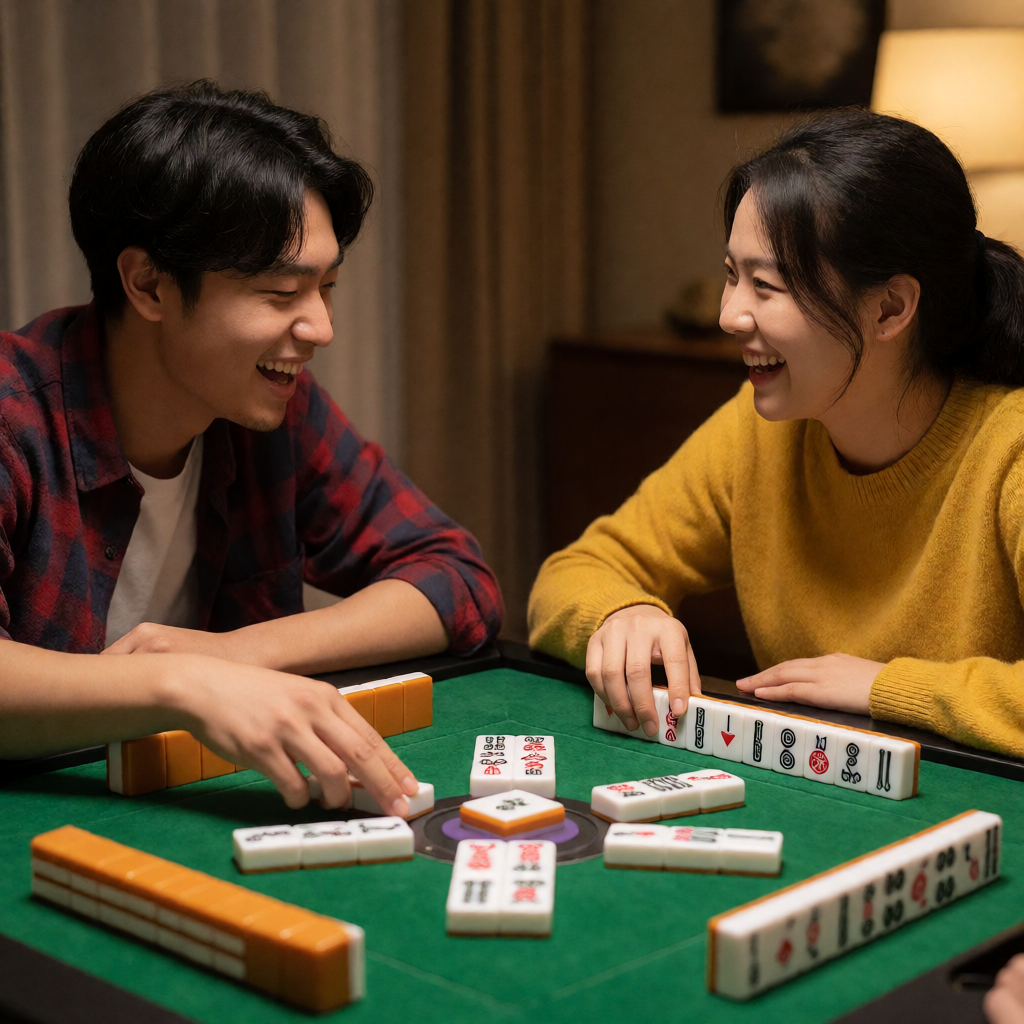
Keep it friendly, keep it agreed
Short-handed rules are house rules by definition. Say them before the first tile moves: how you’ll handle the Charleston, whether the two-player game uses a dummy rack, what counts as a win. The moment someone feels a rule wasn’t stated, the game sours. Five minutes of talking saves a whole evening.
If you’re the host, set the table for it. Compact racks and a travel case make a three- or two-person setup feel intentional rather than like a game that lost two chairs. That’s the point — a short table is still a real game.
Next time the numbers don’t add up
Don’t cancel. Pull up a chair, name your rules, and play. The card doesn’t care how many of you there are. It just wants a hand built to match.