Lucky Tiles and Quiet Rituals: The Superstitions American Mahjong Players Actually Keep
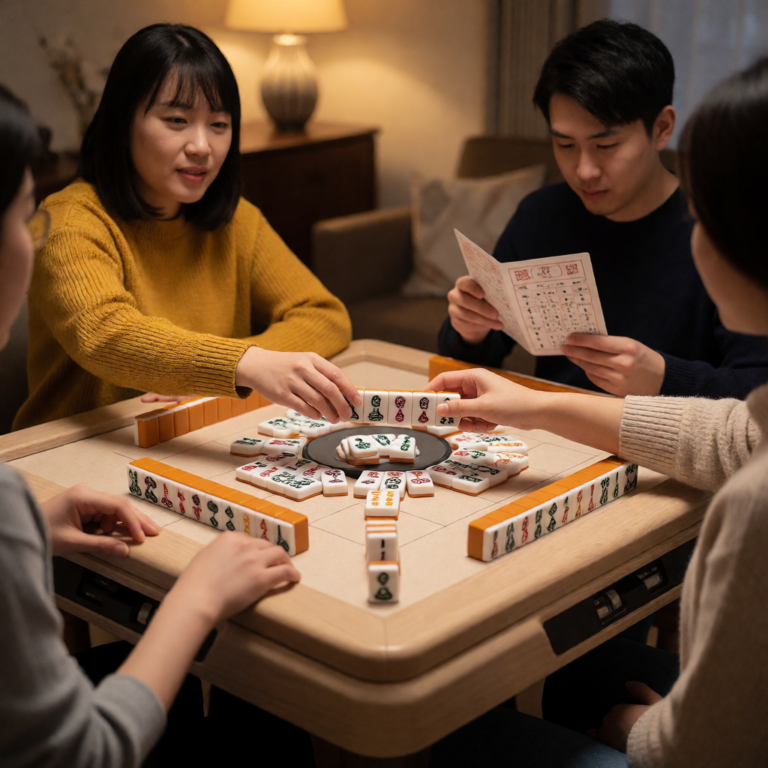
Ask any group of regular players what they believe about luck, and you will get a smile first. Then they will tell you. Every table I have sat at has at least one little habit nobody can quite explain, and everybody quietly respects it. None of this changes the math. All of it changes how the game feels.
So here is a run through the small superstitions and rituals that show up again and again at American mahjong tables, and why they are probably here to stay.
The one lucky tile
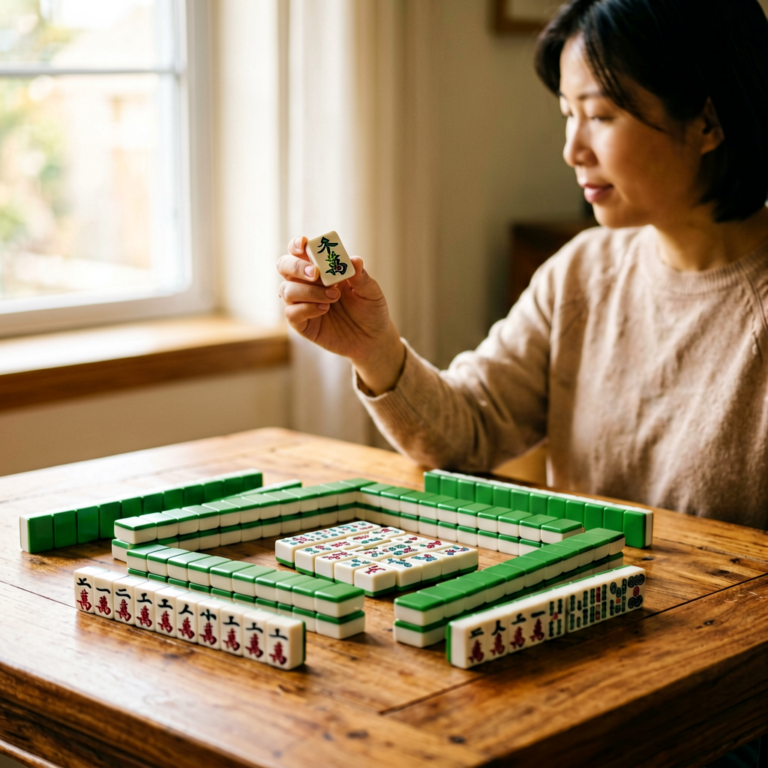
The most common habit is also the sweetest. A player picks a single tile, usually a favorite flower or a number that means something at home, and keeps it close. Not in the hand, not in play. Just sitting on the rack or beside the case as a kind of mascot. Nobody expects it to do anything. It just feels right to have it there.
I have seen a woman who would not start a game without her tile from her grandmother’s set on the table. The tile was never used. It did not need to be. It was the thing that told her hands to slow down.
The tap, the knock, the pause
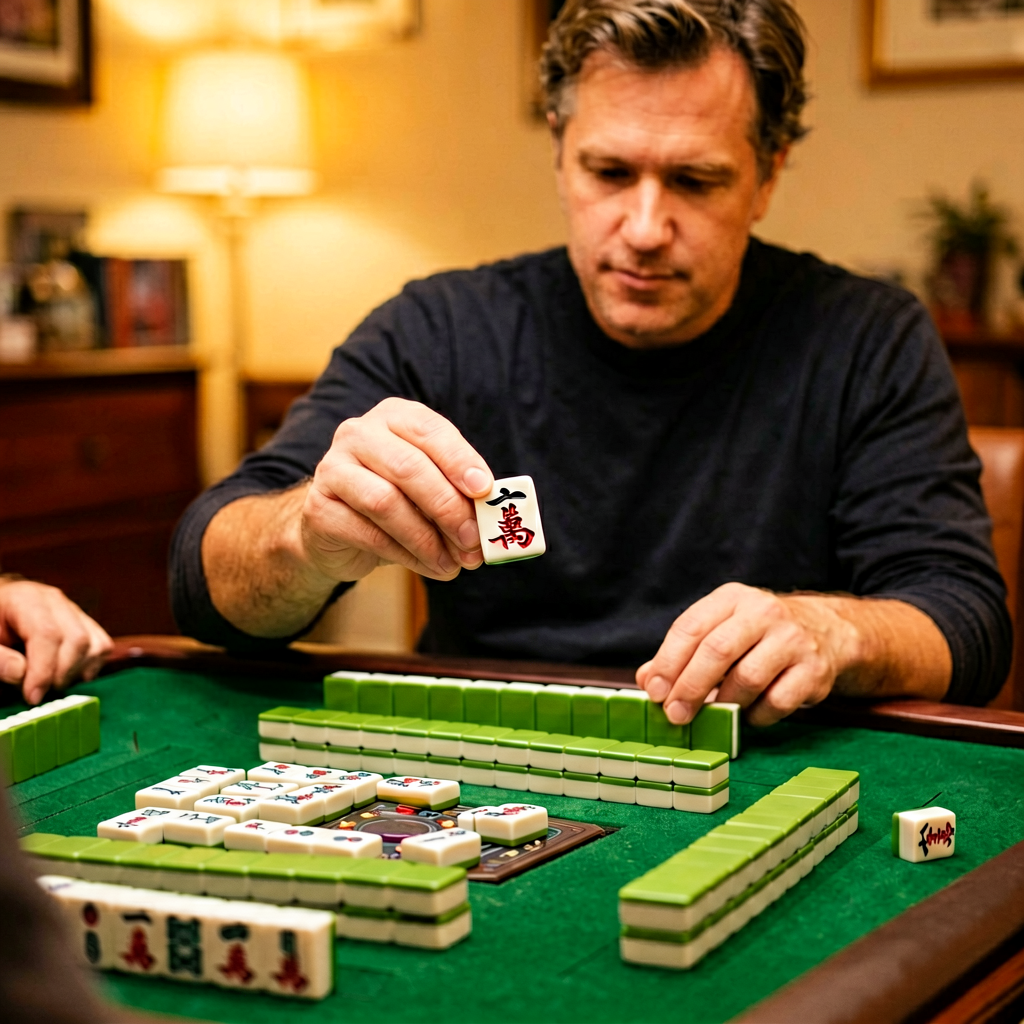
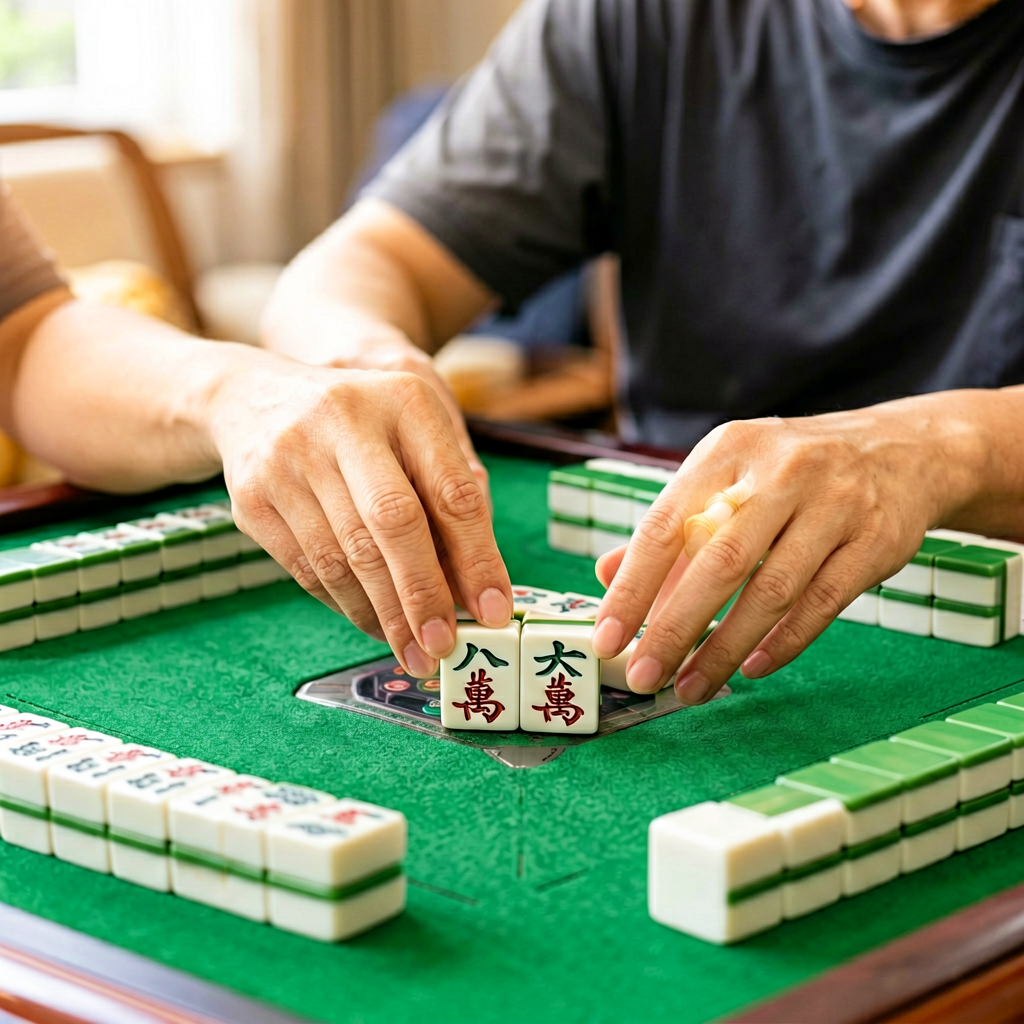
Before the first draw, a lot of players do something with their tiles. A quick tap of two together. A soft knock on the table edge. A deliberate pause, eyes closed for a second, like a batter settling into the box. These are not rules. They are the body remembering that a game is about to begin, and giving the mind a moment to catch up.
One host I know taps her rack three times, then says the name of the hand she is going for, out loud, once. She says it keeps her honest. I think it keeps her calm. Either way, her table runs smooth.
Where you sit, and who deals
Seats matter to people, even when they say they do not. The East seat, the dealer’s chair, gets treated with a strange mix of pride and suspicion. Some players will trade seats before the dice are even picked up. Others refuse to, on principle, and then quietly hope the rotation lands them somewhere good.
The truth is the dealer rotates every hand, so nobody keeps a seat for long. But the ritual of choosing where to sit first, the little negotiation over who takes the window side, is half the fun of arriving.
The things you simply do not do
Every table has its forbidden moves, and they are almost never in the rulebook. Do not sweep tiles off the table with your hand, some say, because you are brushing your luck onto the floor. Do not say the word “dead” near a live hand. Do not let a joker sit face down where nobody can see it, or someone will swear the game turned.
Are any of these real? Of course not. Does the table go quiet when someone breaks one anyway? Every single time. The habit is the point, not the logic.
Charms, coins, and the mahjong gods
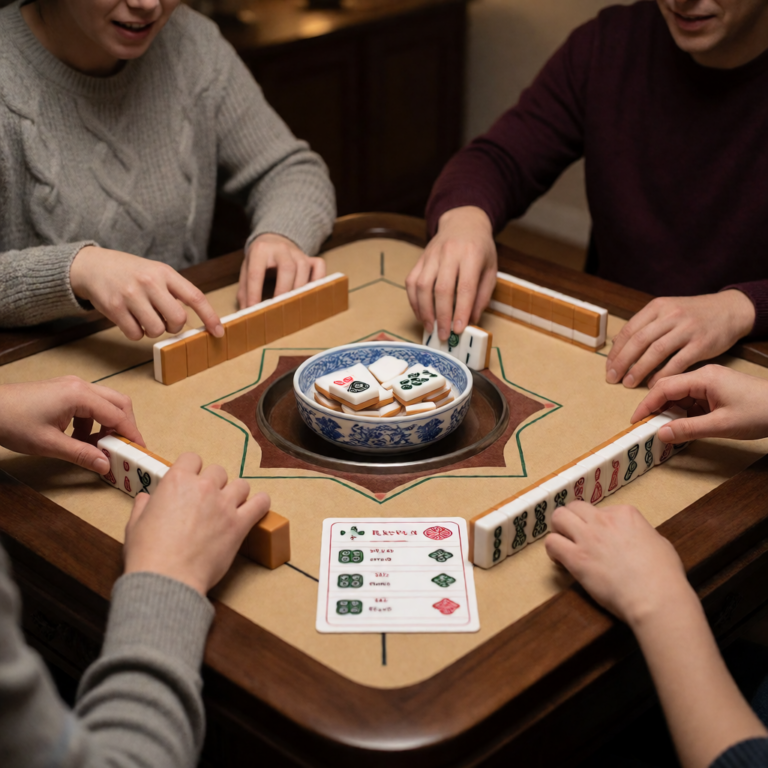
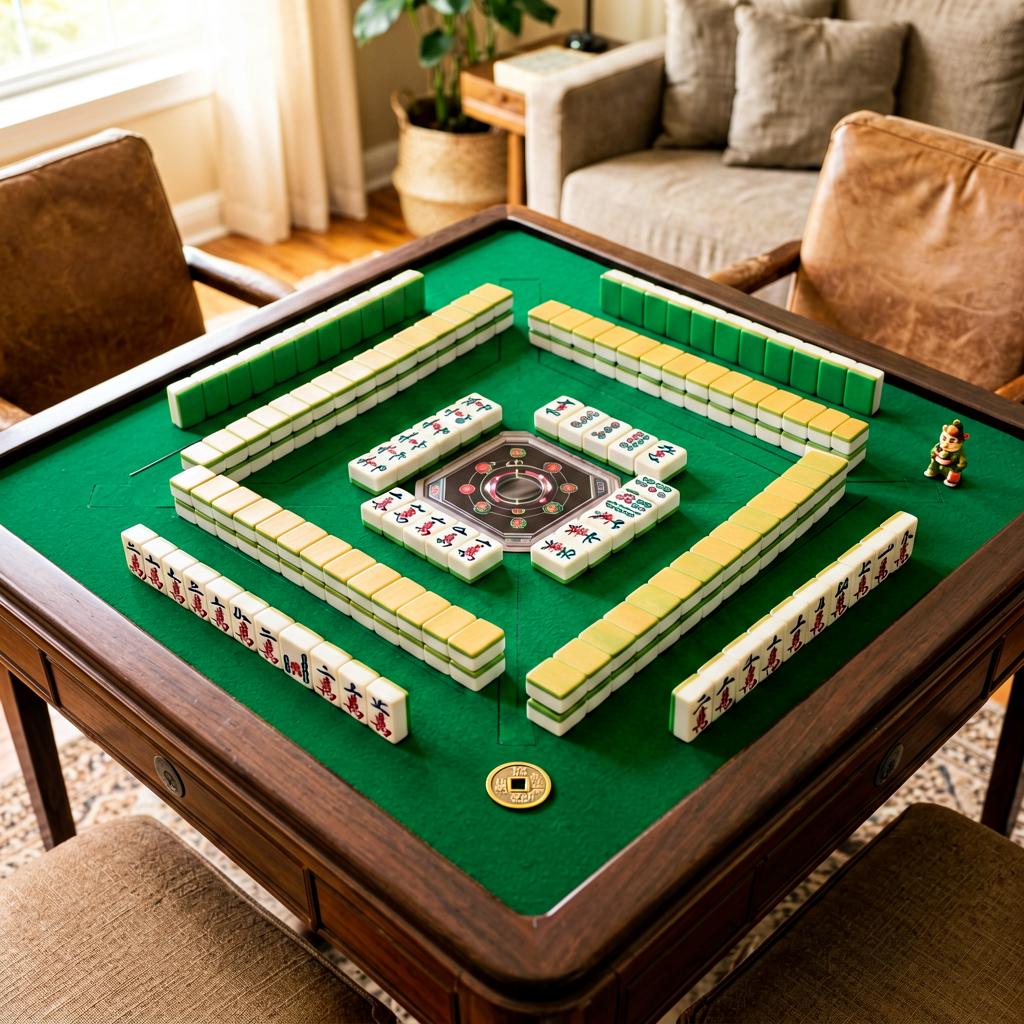
Walk up to any serious table and look closely. There is usually something small and unnecessary sitting near the rack. A coin. A tiny ceramic cat. A bead from a trip nobody else took. Players call them lucky pieces, or they laugh and call them nothing at all, and then they never move them.
A custom set makes this easier, honestly. When the tiles are yours, engraved the way you like, the whole table feels claimed, and the charm just completes it. People who play on a set that means something tend to guard their little rituals the hardest.
Why any of this matters
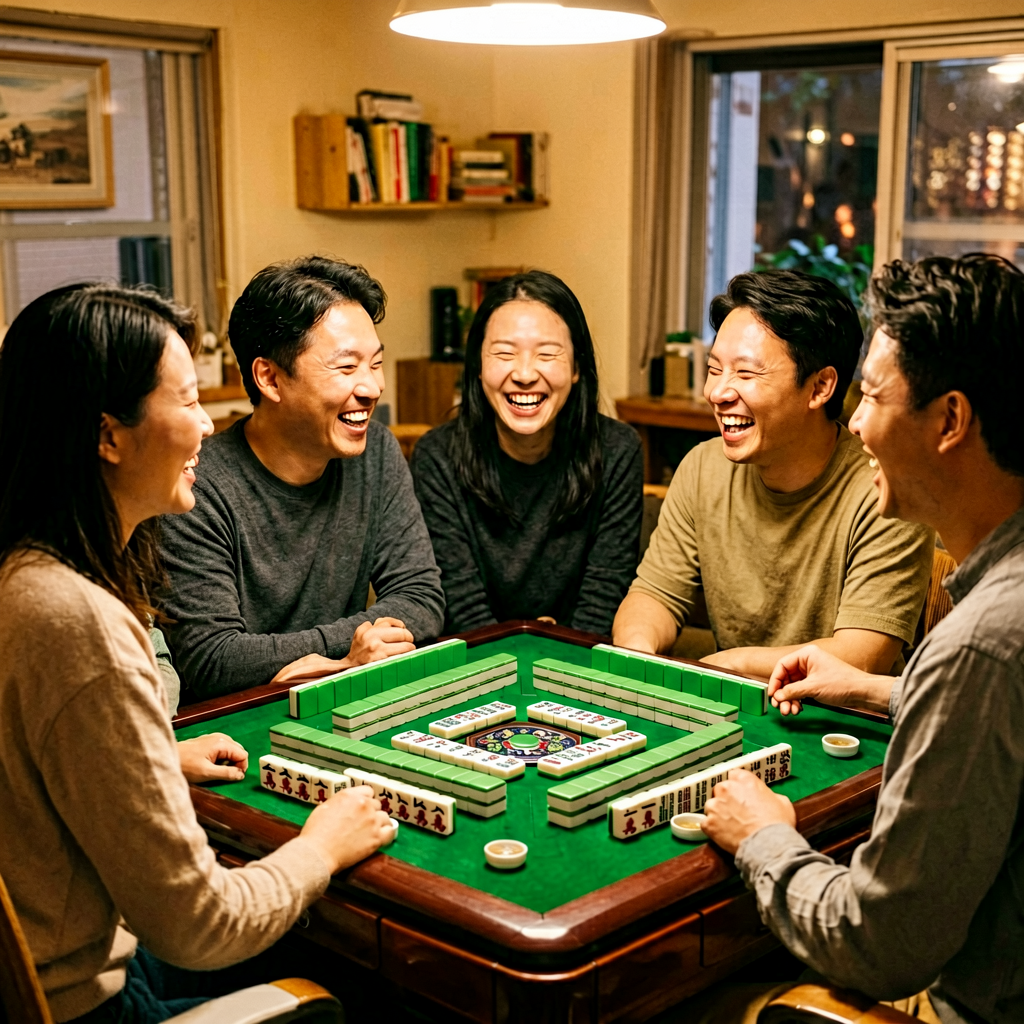
Here is the part nobody says out loud. The rituals are not about luck. They are about nerves. Mahjong asks you to read a wall of tiles, track three other players, and commit, often with incomplete information. A small habit, a lucky tile, a knock on the table, gives the hands something to do while the brain gets ready.
So keep your charm. Keep your tap. Keep the tile that reminds you of home. None of it wins the game, and all of it makes you want to sit down again next week, which is the only superstition that has ever actually paid off.