American Mahjong Has Cousins: Jewish, Hawaiian, and Other Western Styles Worth Knowing
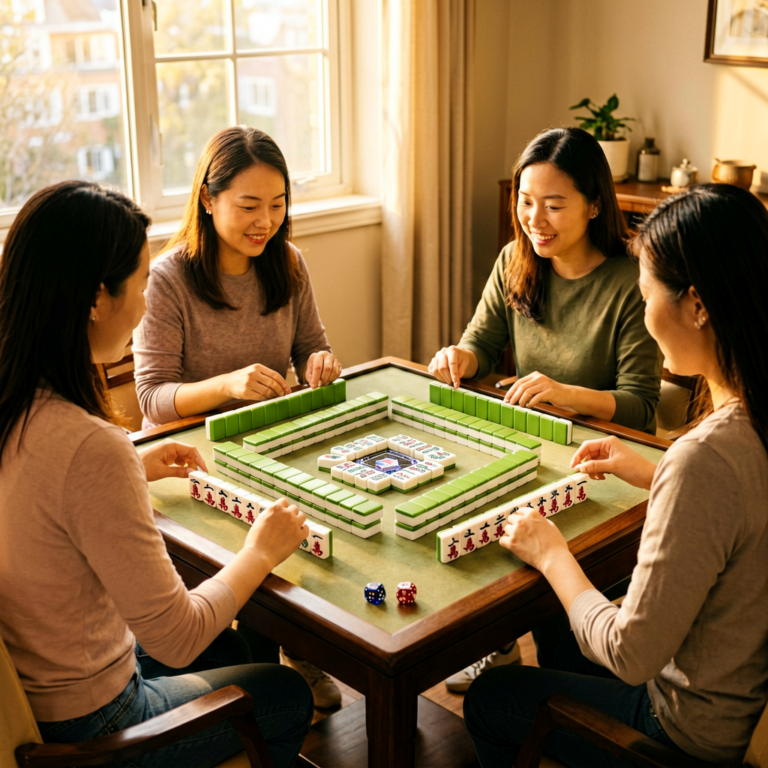
American mahjong, the version with the annual card and the Charleston, feels like one fixed game. It isn’t. Walk into different communities and you’ll find the same tiles played with different rules, different rhythms, and different stories attached. If you’ve only ever played NMJL-style, meeting these cousins is a fun way to see how flexible the game really is.
The Jewish-American roots you’re already part of
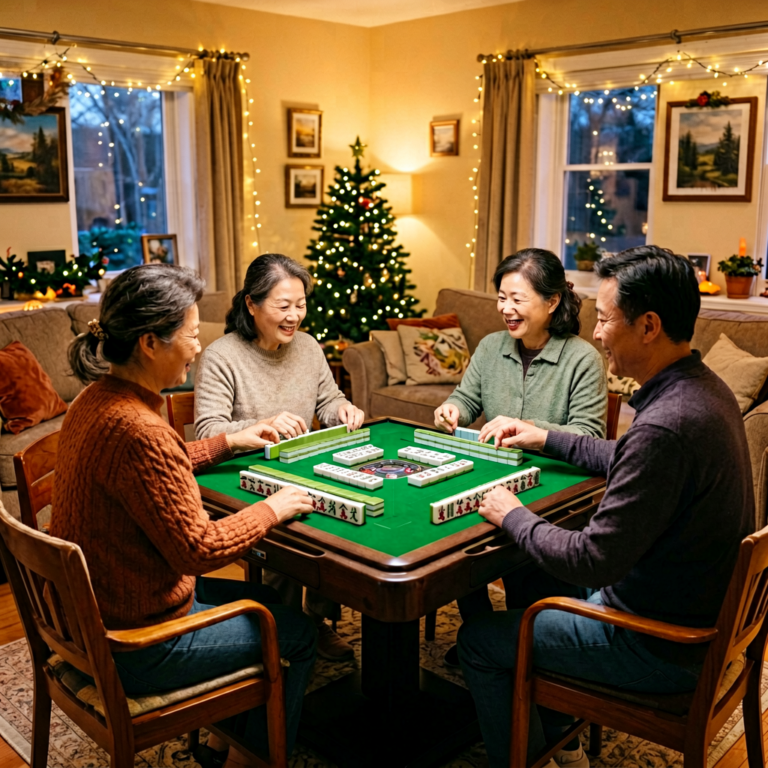
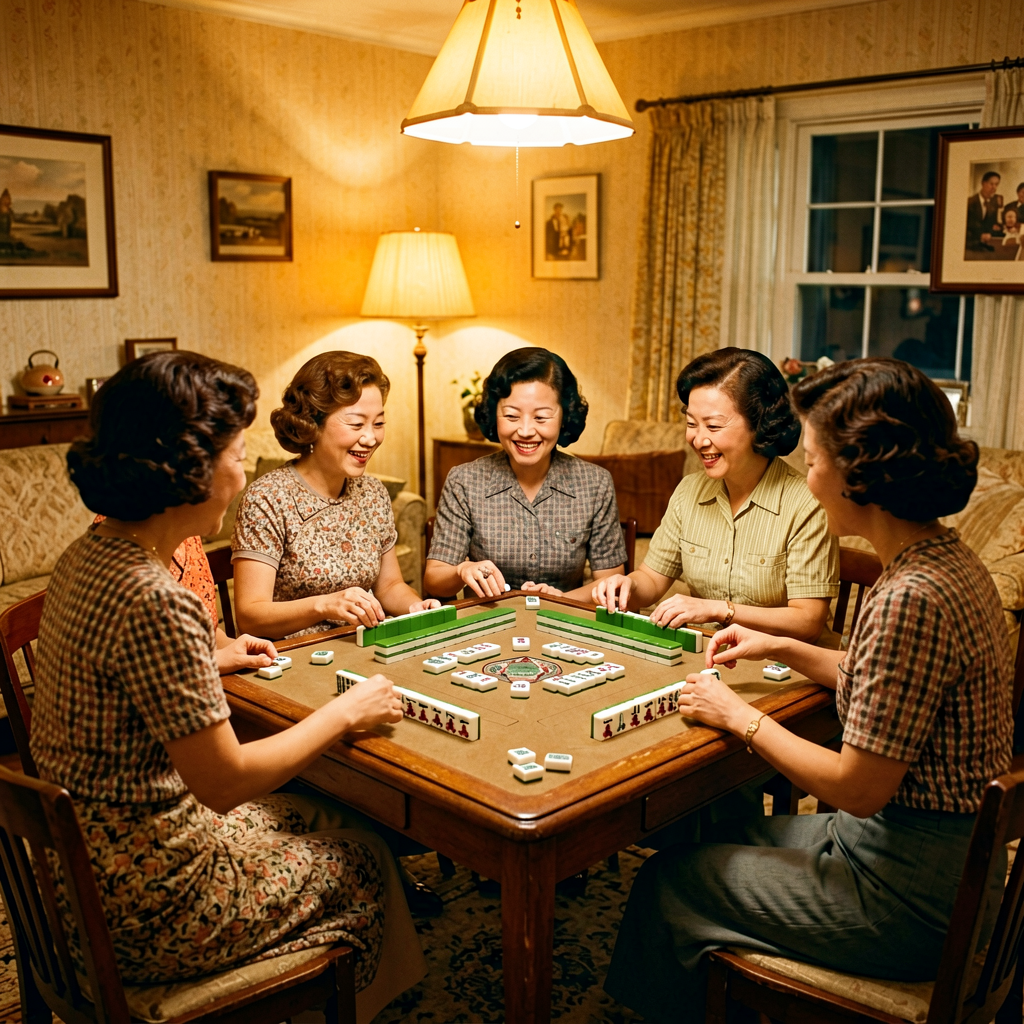
Most American players don’t realize it, but the modern game they sit down to grew straight out of a Jewish-American community. The National Mah Jongg League was founded in New York in 1937 by a group of Jewish women, and for decades “mah jongg” was a fixture of Jewish social life: lunch clubs, fundraisers, summer camps, the whole circuit. When you play an NMJL card today, you’re playing a tradition that was shaped in those living rooms.
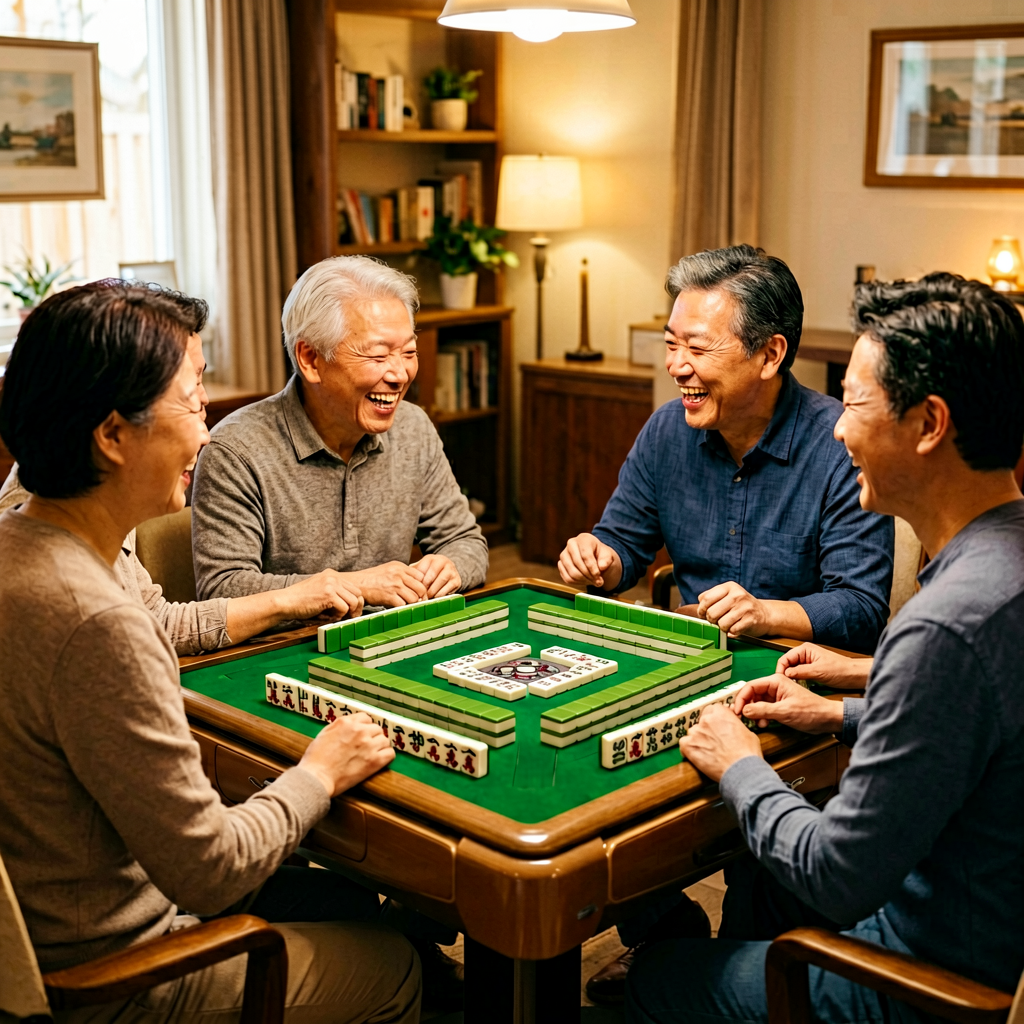
That history explains a lot about how the game feels. It’s social first. The point was never only to win; it was to have a reason to gather. Much of the warmth people associate with American mahjong comes from that origin, whether or not they know the story. You’re not just learning a card. You’re joining a tradition.
Hawaiian mahjong: same tiles, faster pace
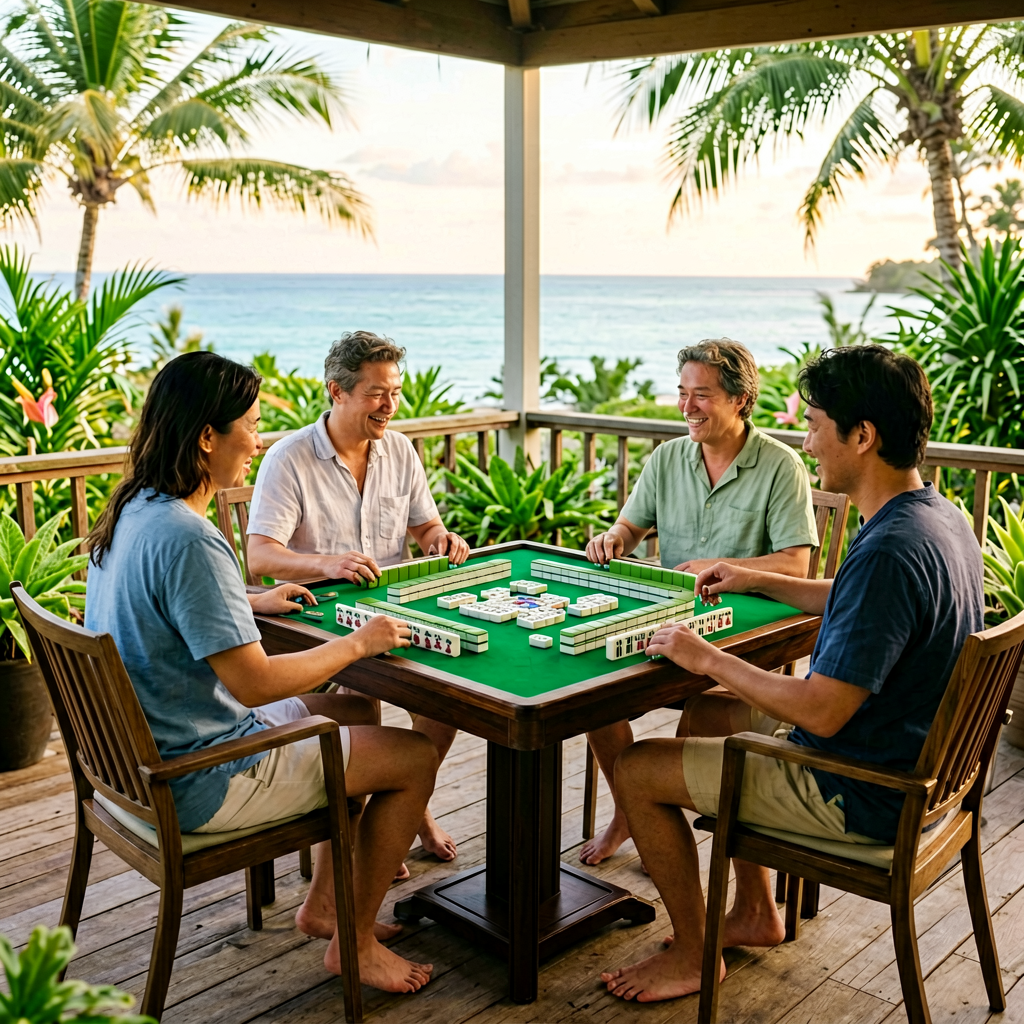
Out in Hawaii, players took the game and bent it to local taste. Hawaiian-style mahjong is its own thing: faster, looser, and built for big social games. The hands and scoring shift, the local card looks different from the NMJL one, and the whole session moves at a clip that surprises mainland players used to a slower table.
The specifics vary house to house, which is part of the charm. If you sit in on a game on Oahu or Maui, expect to be taught the local rules on the spot rather than handed a printed card. It’s less formal, more “watch and copy,” and a genuinely good time if you can roll with it. Bring your tiles, leave your assumptions at the door.
What changes, and what stays
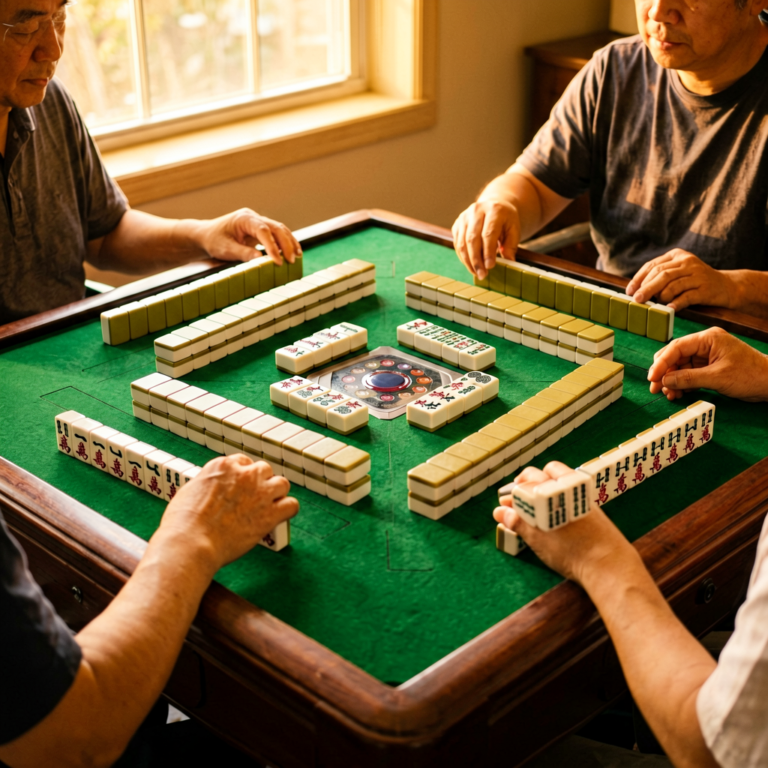
Across every Western cousin, the bones are identical: 152 tiles, four players, suits and honors, a goal of completing a hand. What changes is the goalposts: which hands count, how much they’re worth, whether you Charleston, how strict the card is. That’s a thin layer of difference sitting on top of a huge shared base.
Once you see that, switching between styles feels like visiting a relative who rearranged the furniture, not learning a new language. The tiles are the same tiles. You just need to learn where they put the couch.
Other Western cousins worth a look
Hawaii and the Jewish-American tradition aren’t the only branches. (We covered the big rulebook families, NMJL versus Wright-Patterson versus Bahamas, in a separate piece; this is the cultural and regional side.) A few others turn up depending on where you are:
- Regional card clubs that print their own annual hands, sometimes for charity.
- Family variants passed down with house rules nobody ever wrote down.
- Travel groups that carry one style to a new city and seed a local game.
None of these are “wrong.” They’re the game adapting to the people playing it, the same way it always has.
Why knowing the cousins helps you
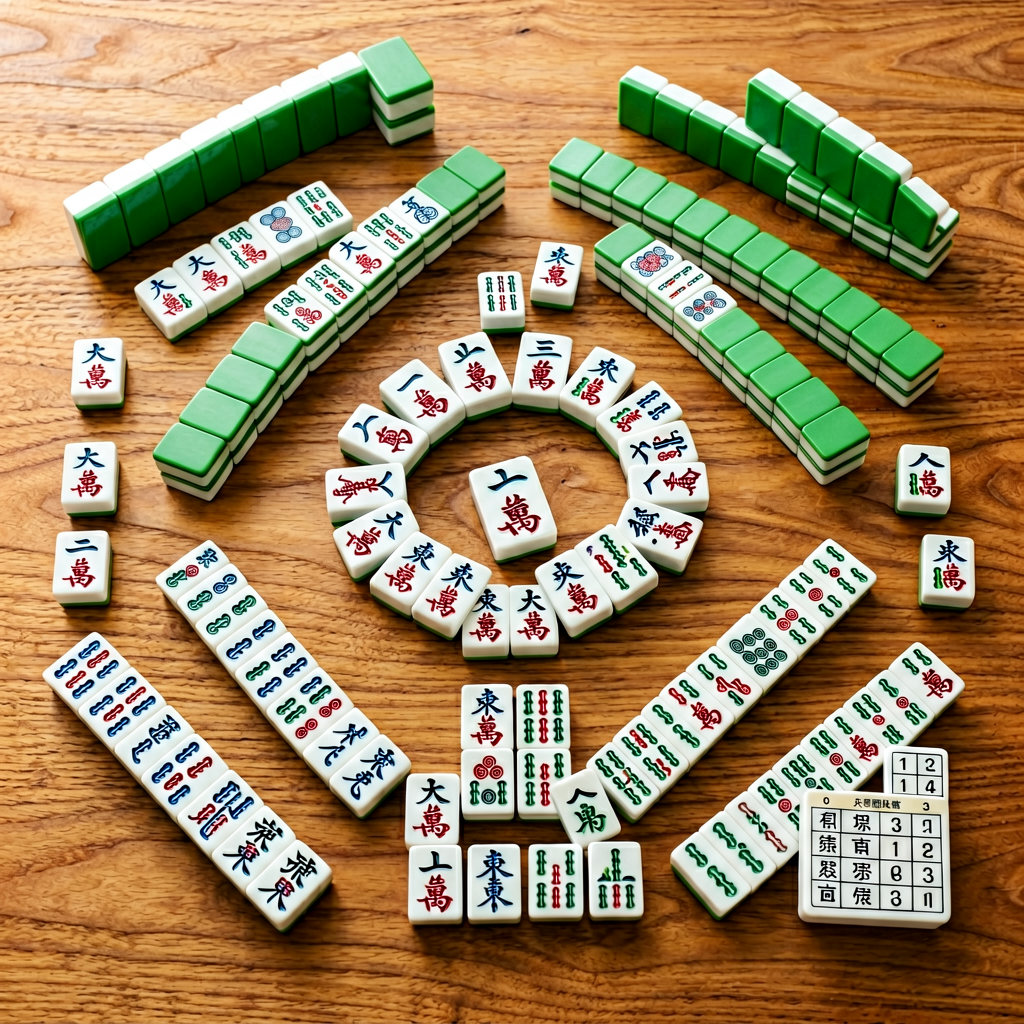
You don’t need to master any of these to enjoy your regular game. But knowing they exist changes how you play. When a visitor sits at your table with a different rule, you’ll recognize it as a cousin, not a mistake. You’ll be quicker to ask “what are your house rules?” instead of correcting them. And if you travel, you’ll walk into a stranger’s game with an open mind instead of a fixed one.
It also makes the game feel bigger. American mahjong stops being “the card” and becomes a whole family of play, with your table as one branch of it. That’s a nicer thing to be part of than a rulebook.
How to try one
The easiest path is local. Find a Jewish community center or a “mah jongg” group and ask to sit in; many run open beginner days. For Hawaiian style, look for Hawaii travel groups or players who’ve brought the style stateside, often on the West Coast. Online forums and local clubs are full of people happy to teach their variant.
You can also invent a gentle cousin at home. Borrow one rule from another style, play it for a night, see how it feels. The game has always evolved in living rooms. Yours is as good a place as any to keep that going.
The short version
American mahjong isn’t one game. It’s a family. The Jewish-American community built the version most of us know. Hawaii plays a faster local cousin. Dozens of smaller variants live in clubs and kitchens. Knowing that makes you a more generous player and a more interesting one, and it’s a reminder that the best rule changes have always happened at the table, not in a league office.
Next time someone plays a hand you don’t recognize, don’t correct them. Ask them where they learned it. You might meet a cousin you’ll want to invite back.