The Most Common Mistakes Beginners Make in American Mahjong
Every game has a learning curve, and American mahjong has one of the steeper ones. Not because the rules are hard to read, but because the habits that trip people up are sneaky. You can know the card inside out and still lose half your hands to small, repeatable errors. Here are the mistakes new players make most often, and the simple fixes that actually stick.
1. Waiting too long to commit to a hand
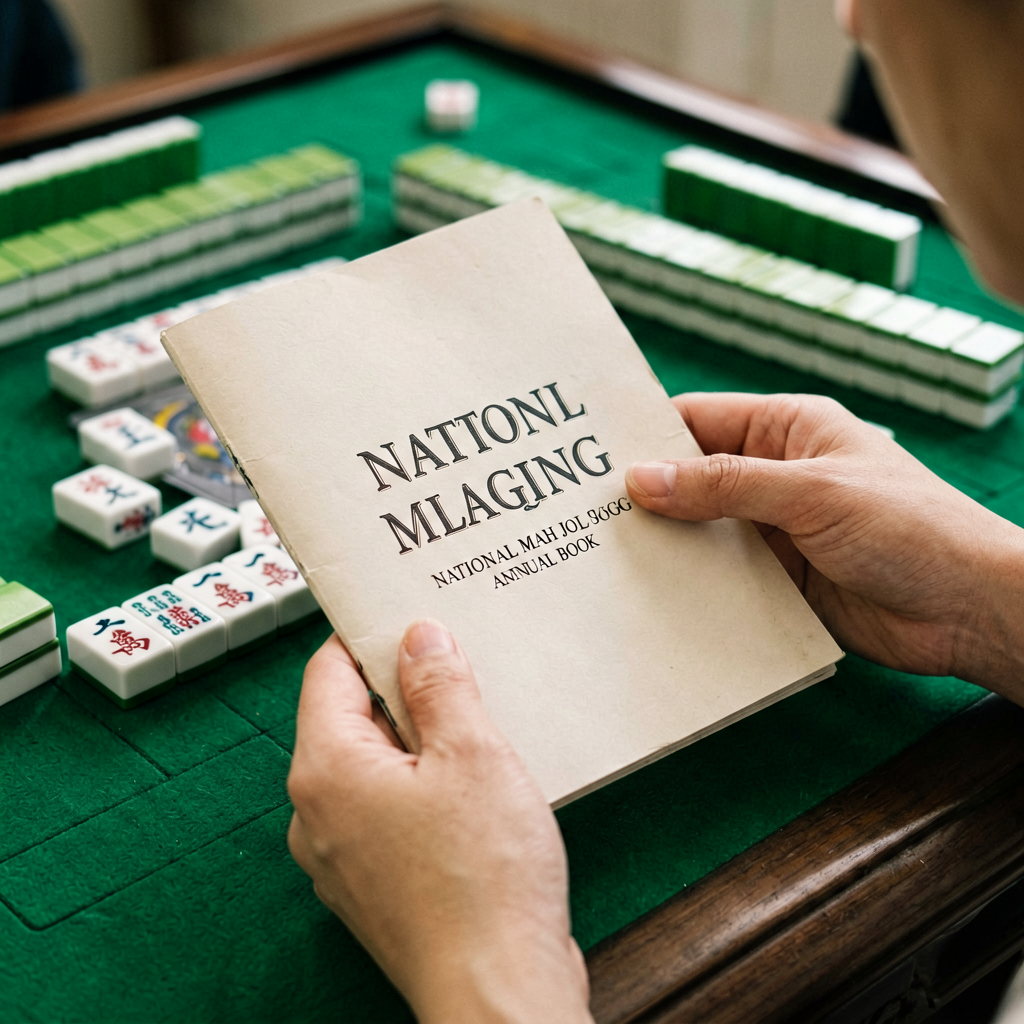
This is the big one. In American mahjong you do not just build any hand that comes together. You pick a pattern off the annual card at the start, and you are chasing that exact shape. A lot of beginners keep their options open for far too long, collecting tiles that point in five different directions. By the time they settle, the table has moved on.
The fix is uncomfortable at first: choose your hand early, even if it feels premature. Once you decide, every draw and discard has a purpose. A committed hand beats a flexible one almost every time.
2. Treating jokers like ordinary wild cards
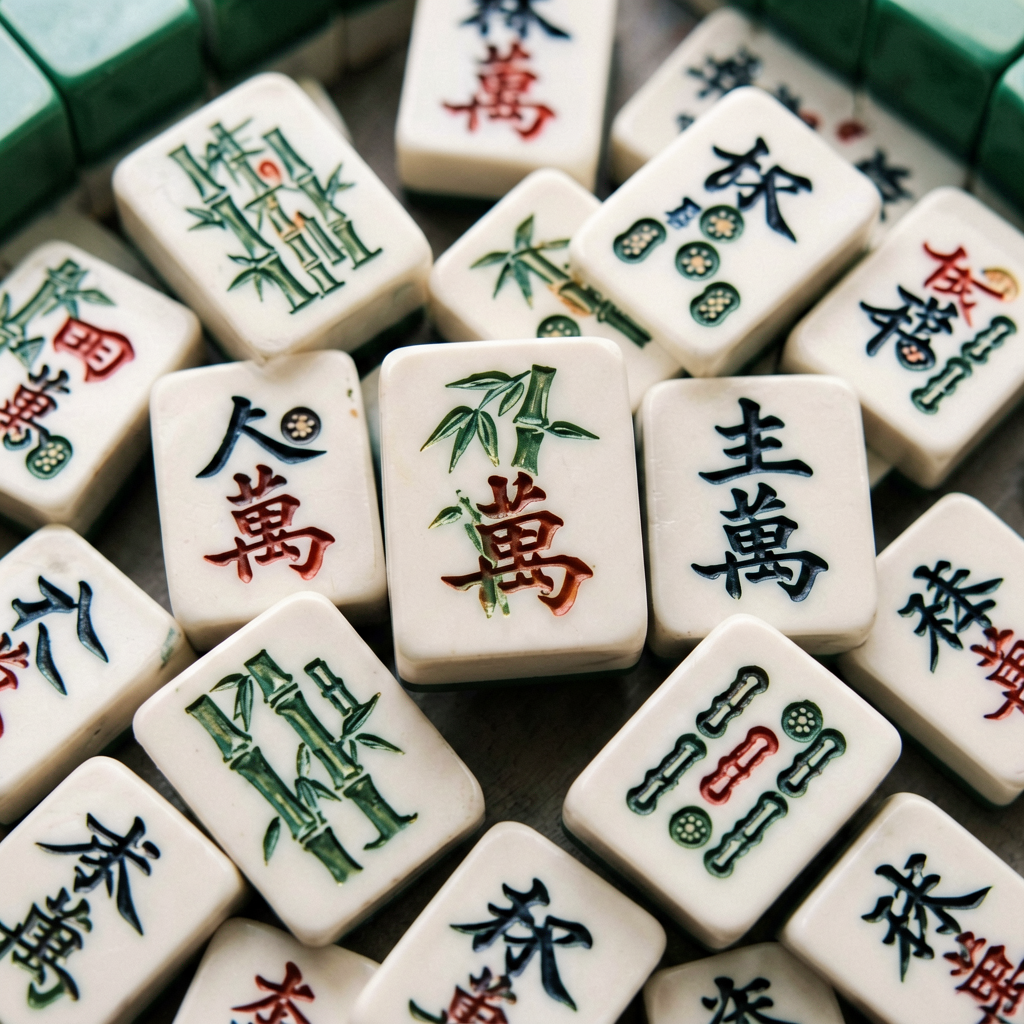
Jokers are the most misunderstood tiles in the set. They are not free substitutes you can drop in anywhere. Each hand on the card tells you exactly where jokers are allowed, and some hands barely use them at all. New players hoard jokers, or spend them the moment they get one, then wonder why their hand no longer matches the pattern they picked.
Read the joker rules for your specific hand before you touch them. A joker used in the wrong spot is worse than no joker at all.
3. Wasting the Charleston
The Charleston, that three-pass exchange at the start, is free information and free improvement. Beginners often pass tiles they actually need, or hold onto dead weight because it might come in handy. The whole point is to move tiles you cannot use toward hands that can. A bad Charleston leaves you stuck with a hand that was doomed from the shuffle.
Pass the tiles furthest from your chosen hand. Be honest about what you are keeping and why. The Charleston is where good games are quietly won.
4. Calling tiles and locking yourself out
When someone discards a tile you need, you can call it to complete a group. It feels great. It is also a trap. Calling too early locks part of your hand into a fixed shape, and if the rest of your tiles do not cooperate, you have boxed yourself in. Plenty of new players call the first useful tile they see and then spend the rest of the hand stuck.
Before you call, ask whether it helps the hand you actually picked. If it only helps a hand you abandoned, let it go.
5. Forgetting the 25-point floor
Not every completed hand counts. American mahjong has a minimum value, and a hand that comes up short is not a win no matter how proud you are of it. Beginners sometimes race to finish a low hand and call Mahjong, only to be told it does not reach the line. That is a painful way to learn the scoring.
Know the value of your hand as you build it. If it is drifting under the floor, switch tracks early rather than limp across the line for nothing.
6. Letting etiquette slide
American mahjong is a social game, and the table has its manners. Calling tiles out of turn, failing to announce a claim clearly, or calling Mahjong after someone else already did are the classic slips. They slow the game and frustrate the people you are playing with, which matters more here than in most games.
Say what you are doing out loud. Announce calls, name the tile, and call Mahjong the moment you are done. The table runs smoother and people want to play with you again.

7. Clinging to a dead hand
Sooner or later your chosen hand stops being possible. Maybe the jokers are gone. Maybe the tiles you needed got called by someone else. Beginners hate to abandon a plan, so they keep drawing, hoping the wall will rescue them. It rarely does. A dead hand is just lost time.
Give yourself a checkpoint, maybe after the Charleston and a few draws. If the hand is clearly unreachable, switch to the next best option on the card. Flexibility here is not the same as never committing. It is knowing when the commitment has died.
Where to go from here
None of these mistakes are permanent. Most clear up after a handful of games, once the rhythm of the table feels normal. The fastest improvement comes from playing with people who already know the flow and asking questions out loud. The card gives everyone the same playbook, so the learning is shared.
And if you are still shopping for your first set, the small things matter more than they look: tile weight, clean engraving, a case that actually closes. A set that feels good in your hands makes every one of these mistakes easier to forgive.