The Rhythm of a Good Game: Pace of Play and Table Talk in American Mahjong
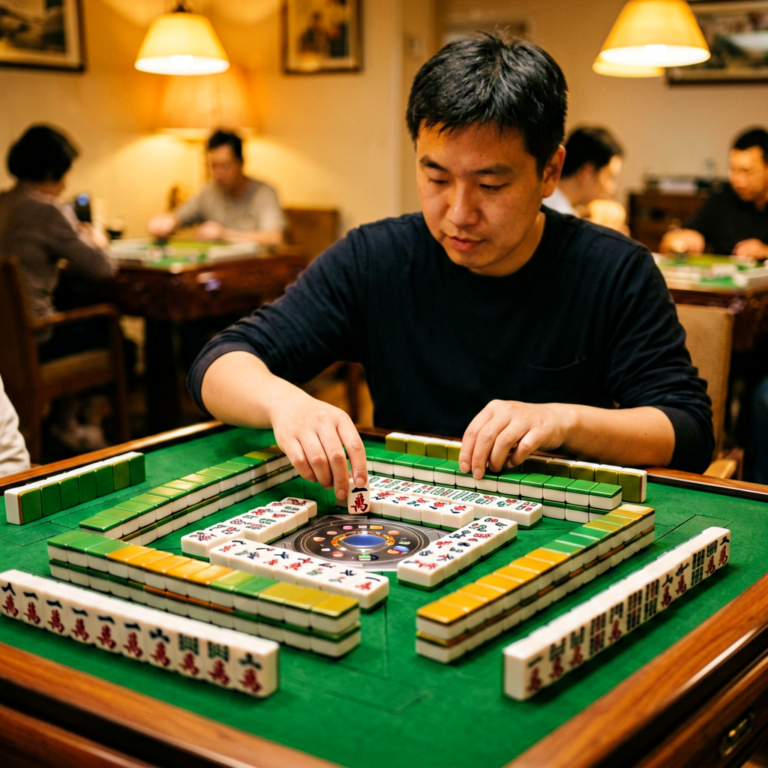
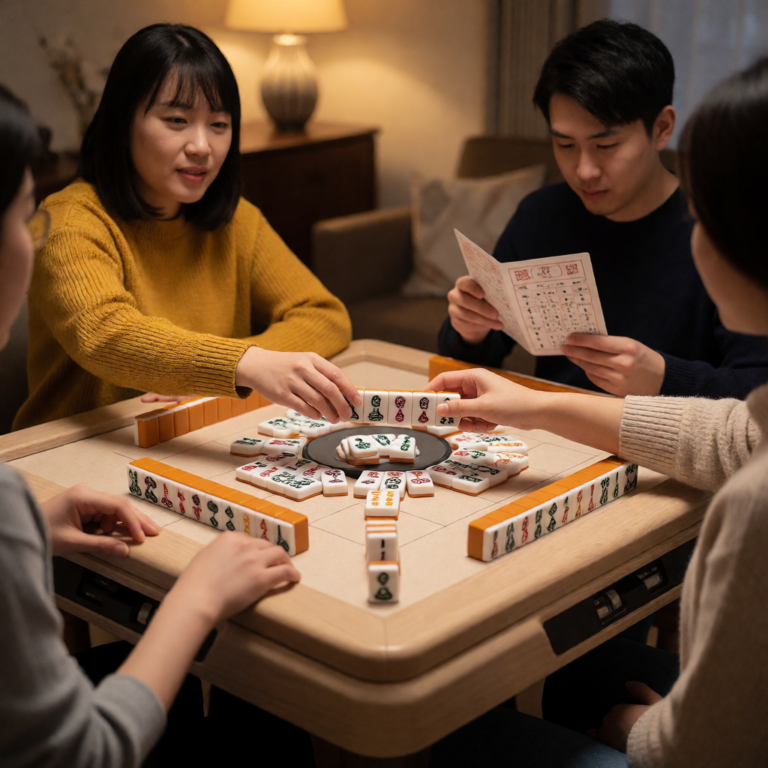
Nobody shows up to a mahjong night because they love watching someone stare at a discard for four straight minutes. They come for the tiles, sure, but mostly for the people. The rhythm of the evening — how fast the tiles move and how the talk flows — is what makes a game feel alive instead of feeling like a chore. Here’s what I’ve picked up running games, and a few habits worth stealing.
Get the pace and the chatter right and people come back. Get them wrong and you’ve got four people quietly checking their phones between turns. The tiles will sort themselves. This part is on you.
Speed is a courtesy, not a race
American mahjong has a built-in tempo. You draw, you decide, you discard. The Charleston sets that rhythm right at the start, and the rest of the game rides it. When one player freezes on every single turn, the table goes quiet in the wrong way — the good kind of quiet is concentration, the bad kind is everyone waiting on you.
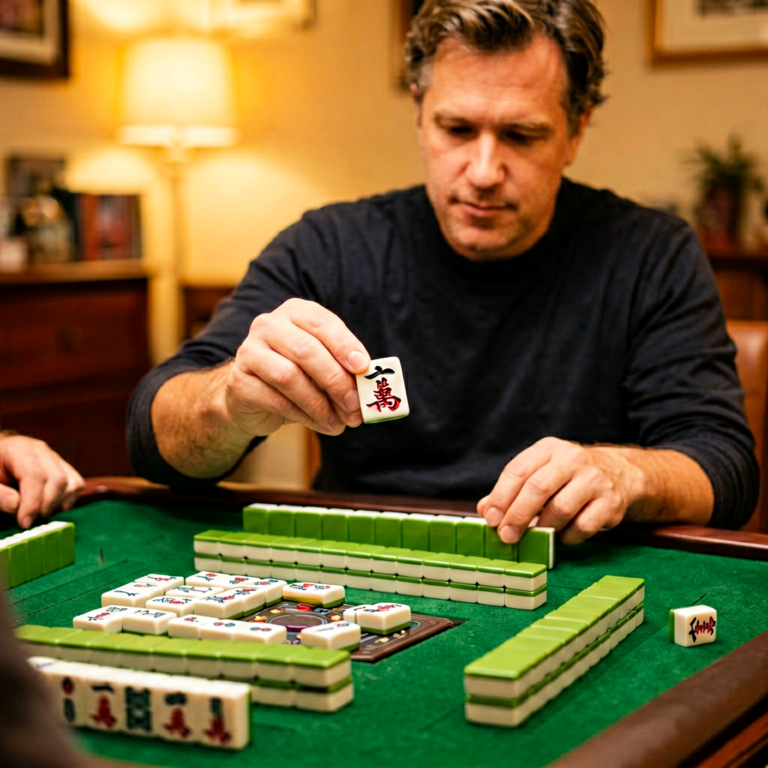
You don’t have to snap tiles down like a tournament pro. But you owe the table a decision in a reasonable beat. If you need a minute, say so. “Give me one” is a totally normal thing to hear at a friendly table, and it takes the awkwardness out of the pause.
What ‘thinking time’ really looks like
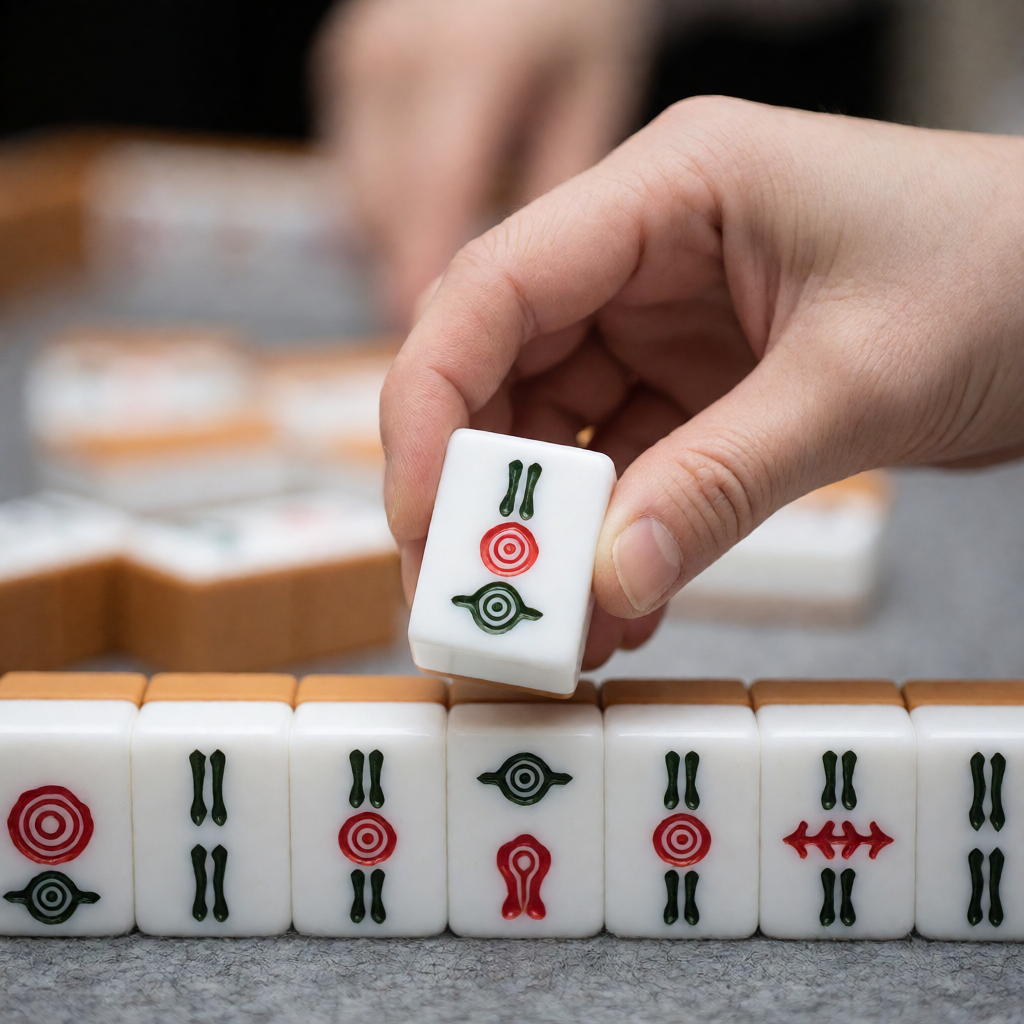
Here’s the thing nobody says out loud: most of your real decisions should happen while other people are playing, not on your turn. You’ve got a full rack and a wall in front of you. Watch the discards. Track where the jokers went. By the time it’s actually your turn, you mostly know what you’re doing.
The players who move well aren’t geniuses. They just paid attention on the other three turns. If you wait until the tiles are in your hand to start thinking, you’ll always be the slow one — and the table will feel it even if nobody says anything.
Talking during play — yes, but with a line
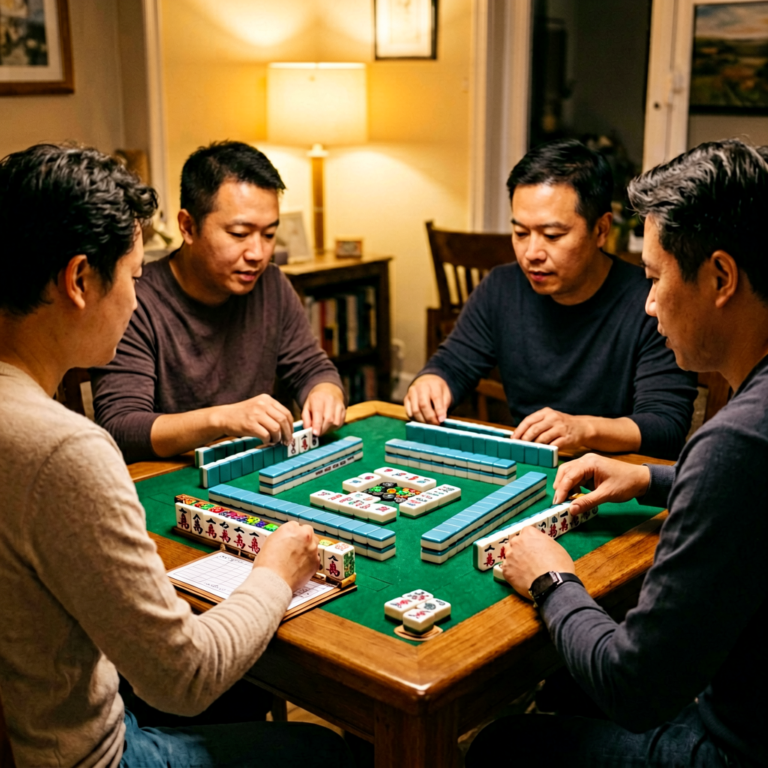
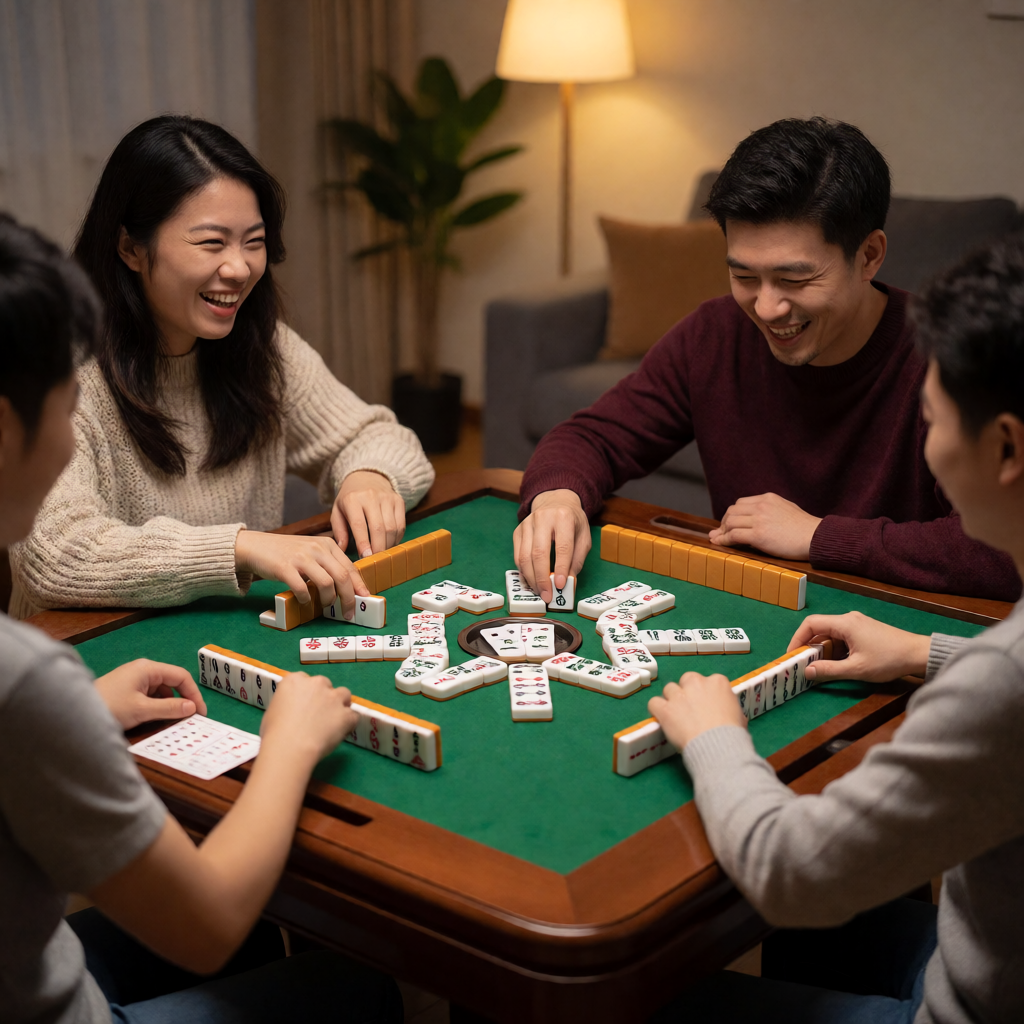
Mahjong is a talking game. Always has been. But there’s a difference between chatting and coaching, and the good tables know exactly where it sits. Talk about your day, the food, the ridiculous hand you nearly made last week. Don’t narrate another player’s options. Don’t sigh when somebody picks up the tile you needed — we all hear it, and it’s not as subtle as it feels.
The best tables hum with conversation and everybody still knows what they’re doing. The worst ones go silent the second the first tile drops, and that silence is usually somebody being scared of making a mistake. Your job as a player is to keep the room loose enough that mistakes feel cheap.
The host sets the tempo
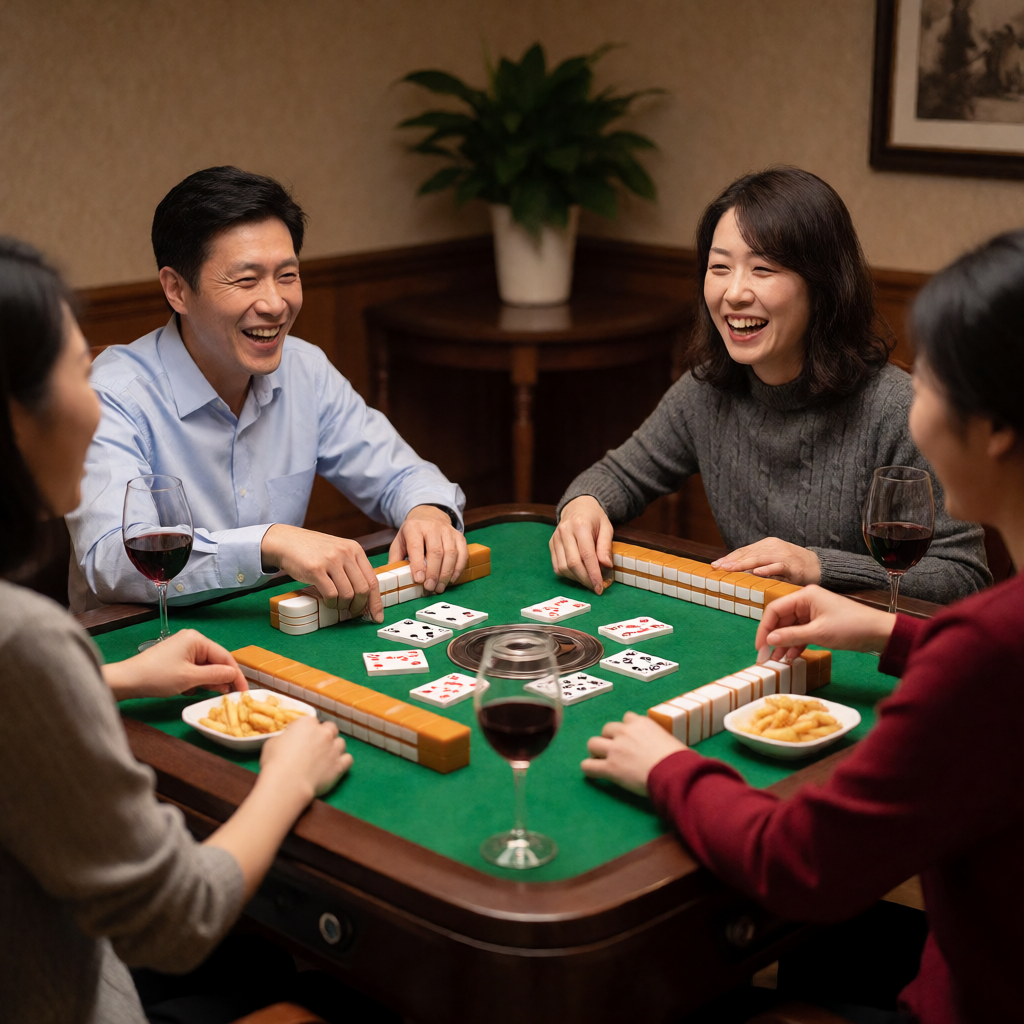
If you’re running the night, a lot of the pace lands on you, and most of it happens before anybody sits down. Have the tiles sorted and the racks out before people arrive. Keep the snacks on a side table, not next to the rack where a stray elbow ends the game early. Decide the stakes — kitty, quarters, or bragging rights — before the first Charleston, so nobody’s arguing about it in round three.
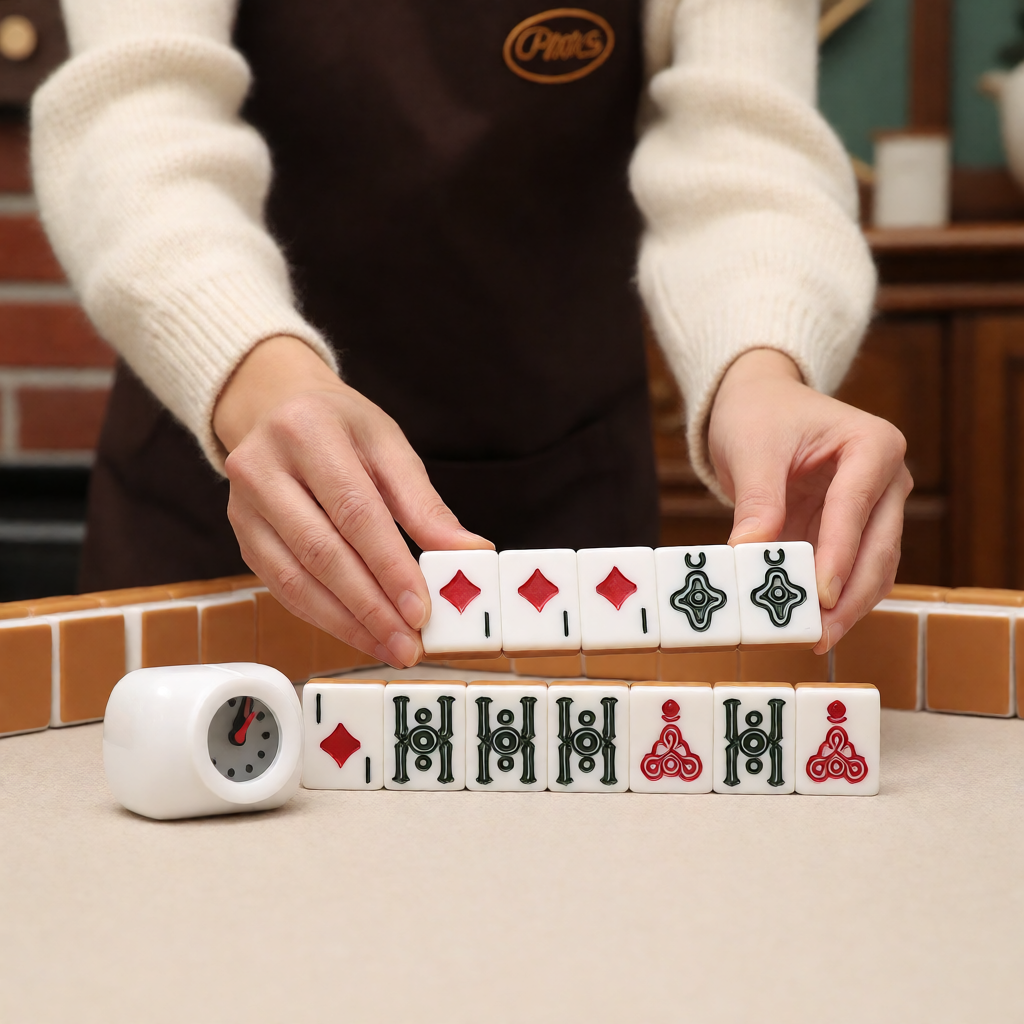
A kitchen timer sounds fussy until you’ve hosted a table that drifts. Fifteen minutes a round is plenty for a social game; the timer isn’t there to pressure anyone, it’s there so the night doesn’t quietly become one very long hand. Most groups forget it’s running within twenty minutes, which is exactly the point.
When somebody’s new
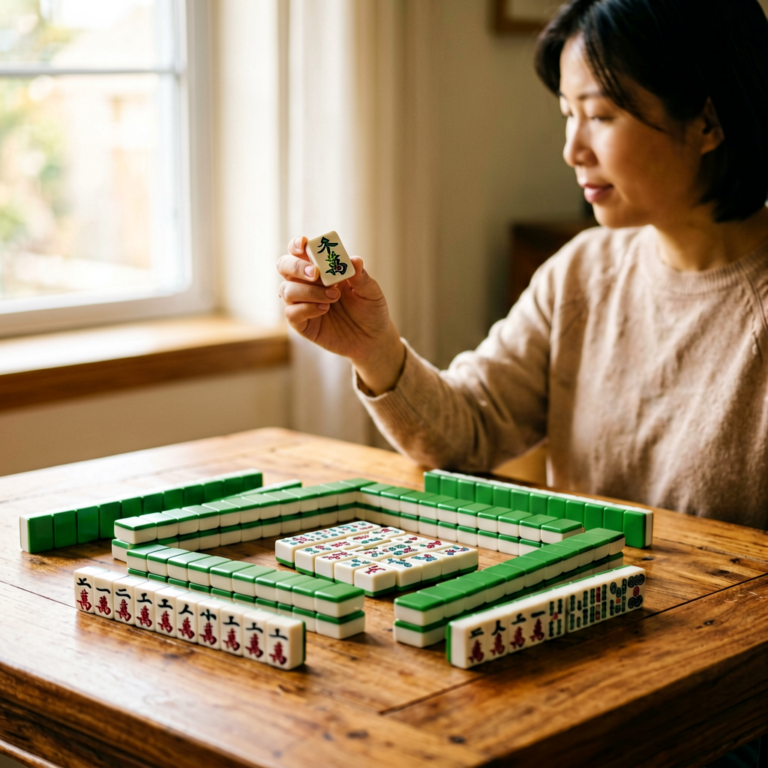
Nothing slows a table like a first-timer who’s afraid to move, and the natural instinct — to hurry them along — is the worst thing you can do. The fix isn’t speed, it’s pressure relief. Tell them out loud that the table will wait. Pair them with the most patient player you’ve got. Let them call their discards instead of just tossing tiles, because saying it forces the thinking that makes the next game faster.
A new player who feels safe learns the rhythm in one night. A new player who feels rushed quits, and then you’ve lost a future fourth forever. Worth the slow round.
The unspoken stuff that keeps it fun
- Don’t count another player’s tiles out loud. Ever. It reads as pressure even when you mean it as math.
- If you call mahjong, mean it. Calling and then taking it back wrecks the moment for everyone.
- Celebrate the weird hands. The 2468 that finally landed, the Nevada that took all four rounds — those are the stories people tell later.
- Whoever lost gets to reshuffle. It’s tradition, it’s fair, and it gives the slowest sorter a job.
At the end of the day
The tiles will take care of themselves. The pace and the talk are the only part you actually control, and they’re the part people remember. Move with the table, keep the room loose, and let the new player breathe. Do that and the game runs itself — and the group texts you the next week asking when the rematch is.
That’s the whole trick. Not strategy, not the card, not the jokers. Just a table where the tiles keep moving and nobody’s afraid to laugh.