How to Take Care of Your American Mahjong Set: Quiet Tiles, Clean Cases, and a Set That Lasts
There is a moment, a few months into owning a set, when you notice the tiles don’t sound the way they used to. They clack instead of click. Or the case lid doesn’t quite close. Or a number has worn pale on your most-played tile. None of it is dramatic. It adds up. A good American mahjong set is not a cheap thing, and the ones worth owning are built to last decades if you treat them right. Here is what actually keeps a set in playing shape, from someone who has ruined one by not paying attention.
The tiles: what to clean them with
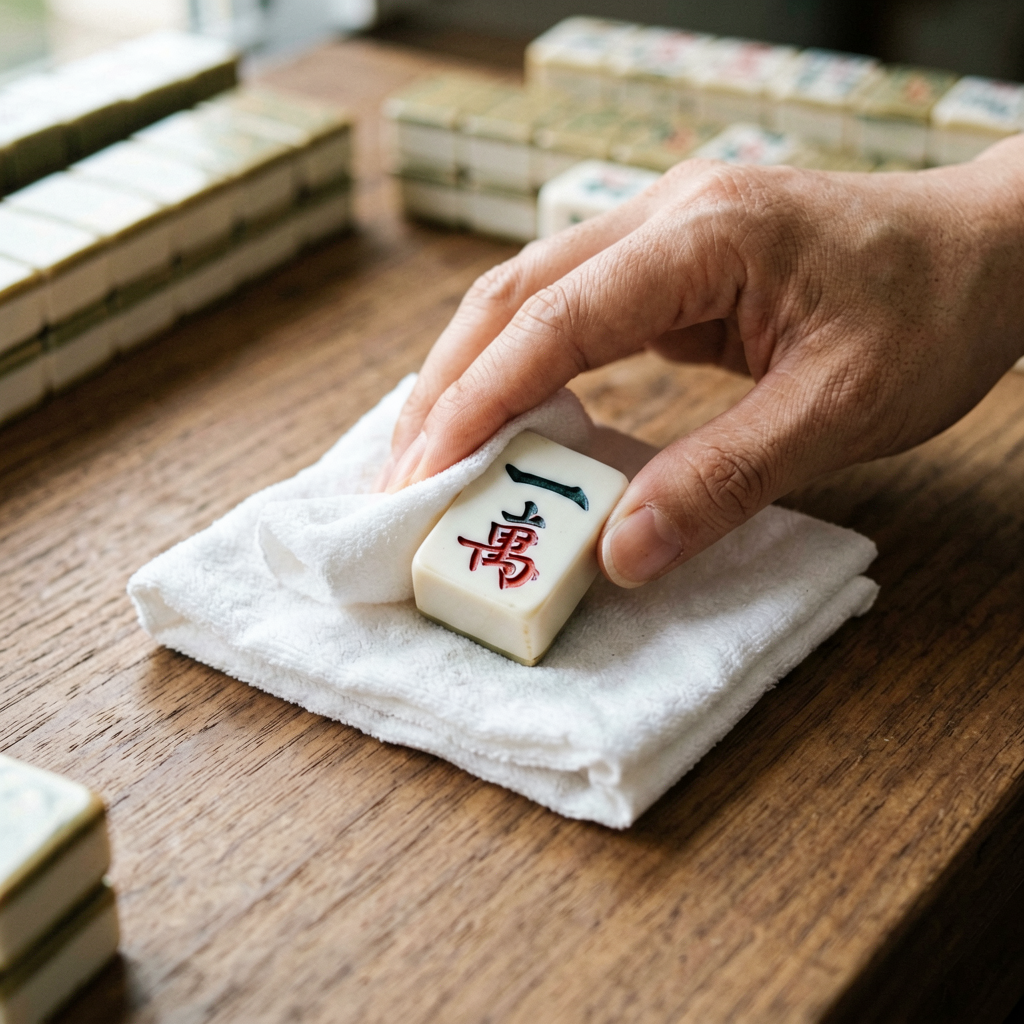
Dust and the oil off your hands are the only real enemies of the tiles. Once a month, or after a long game night, wipe them down with a slightly damp cloth and a drop of mild dish soap. That is it. Dry them right after with a towel, because water that sits in the engraved numbers is how you get mildew in the corners, and mildew on a tile is a stain you will not get out.
What you do not do matters more than what you do. No bleach. No alcohol wipes. No magic kitchen spray. Those eat the finish and cloud the engraving within a few cleanings. If a tile picks up a sticky mark, a dab of rubbing alcohol on a cotton swab, used once and never as a habit, is the most I would reach for, and even that I avoid on painted surfaces.
Storing the set without wrecking it
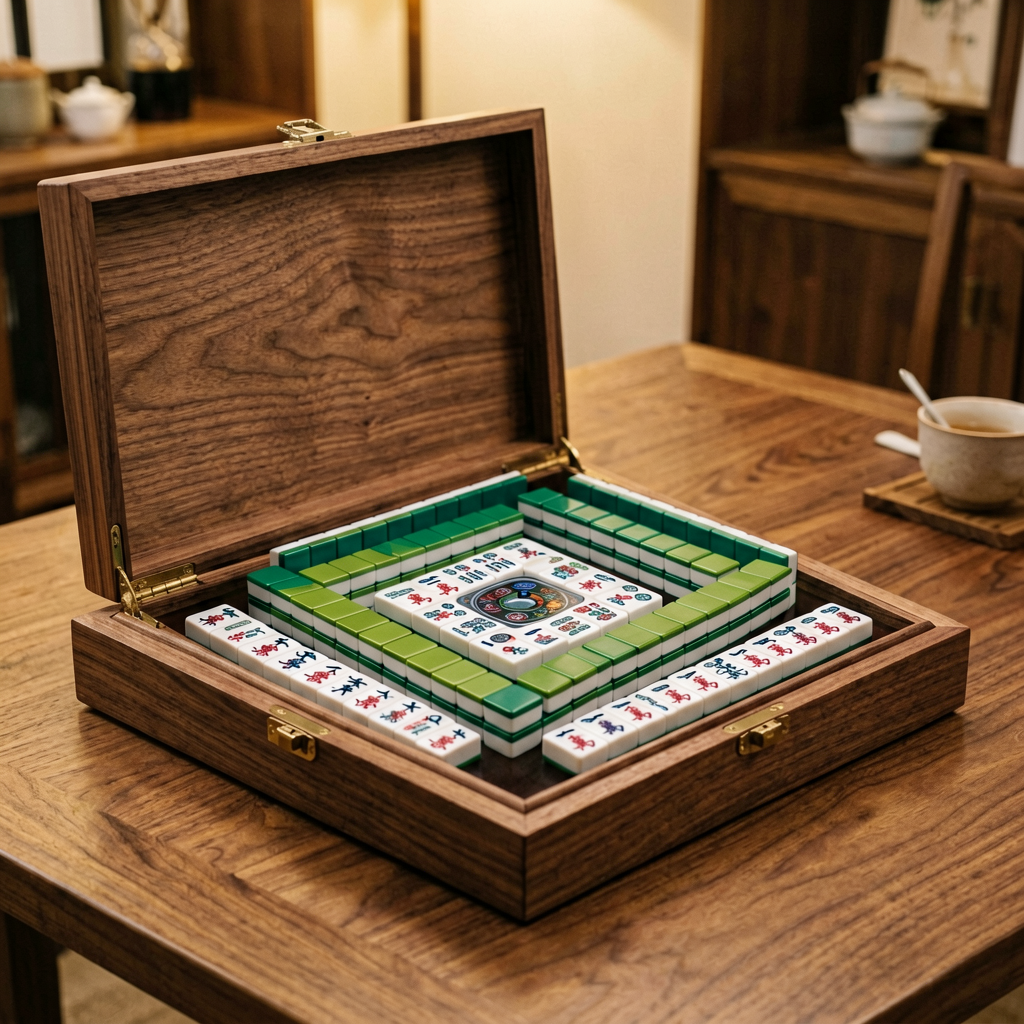
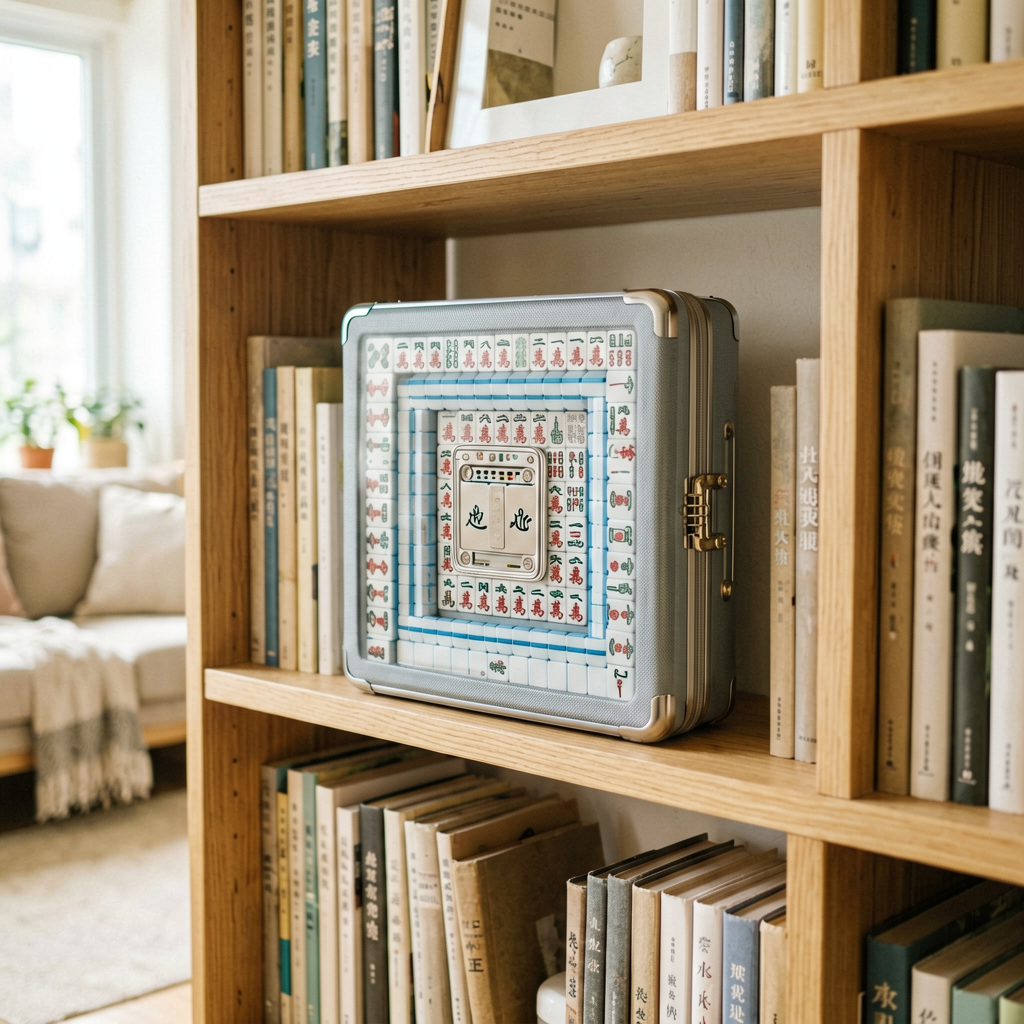
The case the set came in is doing real work. Keep the tiles in it. The foam or felt slots are cut to the tile, and tossing them loose into a box is how edges chip and corners go soft. If your case has a lid that latches, latch it. A case left open in a closet collects dust on the one surface you handle every game.
Two things to watch beyond the case itself. Heat warps. A set left on a sunny windowsill or in a hot car will have tiles that no longer sit flat, and a warped tile is a tile that flips when you don’t want it to. And humidity swells the case. If you live somewhere damp, a small silica packet tucked into the lid is cheap insurance, and you change it when it goes hard.
Why your tiles got loud
New tiles have a crisp, almost musical click. Old ones develop a flat clack, and eventually a rattle. The change is usually the backing. Many American tiles are backed with a thin cork or felt pad to soften the sound and protect the table, and those pads dry out, lose their glue, and start to shift. A tile with a loose pad sounds wrong and slides wrong.
You can reback a tile, but it is fiddly and most people never bother. The cheaper fix is prevention: keep the set out of dry heat, and when a pad does come loose, a dot of contact cement under it before it fully falls off saves the tile. Once the pad is gone and the tile has been played bare, the back scuffs the next tile it meets. Quiet tiles are a maintenance problem you can see coming from a year out.
The racks, the jokers, and the small stuff
The racks take less care but more abuse. They stack, they get leaned on, and the little end caps pop off if you yank them. Store them flat, not jammed sideways into the case on top of the tiles, because the pressure cracks the rails. The jokers, being wild and therefore handled more, pick up grime faster than any other tile; they are the first ones to need the damp cloth.
If your set came with a card holder or a spinner, those are the parts that actually break, not the tiles. A cracked spinner base is the most common casualty I see, and it is almost always from being pulled instead of lifted. Lift the whole thing. The tiles have survived worse than you.

Taking the set to someone else’s table
Most sets travel eventually, to a friend’s or to a weekly group. Carry it by the handle, not by the lid, because the lid is the part that fails first under a swing. If you are driving, the floor behind the seat beats the trunk in summer and the seat in winter; both extremes are where warping starts. And bring the case’s strap or latch into the habit of actually using it, because an unlatched case that tips in a car spills 166 tiles across a back seat, and you will never find the one you were looking for.
The short version
Wipe the tiles with a damp soapy cloth and dry them. No bleach, no wipes. Keep them latched in their case, out of sun and damp. Watch the tile backs for loose pads before they rattle. Lift the spinner, don’t pull it. Carry by the handle. None of it takes time you would notice, and a set cared for this way outlives the people who bought it, which is the whole point of owning a good one.