How to Host an American Mahjong Night Your Friends Will Actually Want to Repeat
You sent the text. Four people said yes. Now what. Hosting an American mahjong night sounds more intimidating than it is, mostly because everyone assumes they need to be a tournament player before they are allowed to own a table. You do not. You need a set, a card, and a plan that keeps people laughing instead of googling the rules under the table.
The hosts who pull it off almost never do the thing beginners fear most: they do not run a class. They set up the room, hand people the card, and let the game teach itself while they refill the snacks. Here is how to do that without losing your evening to panic.
Get the headcount right before you worry about anything else
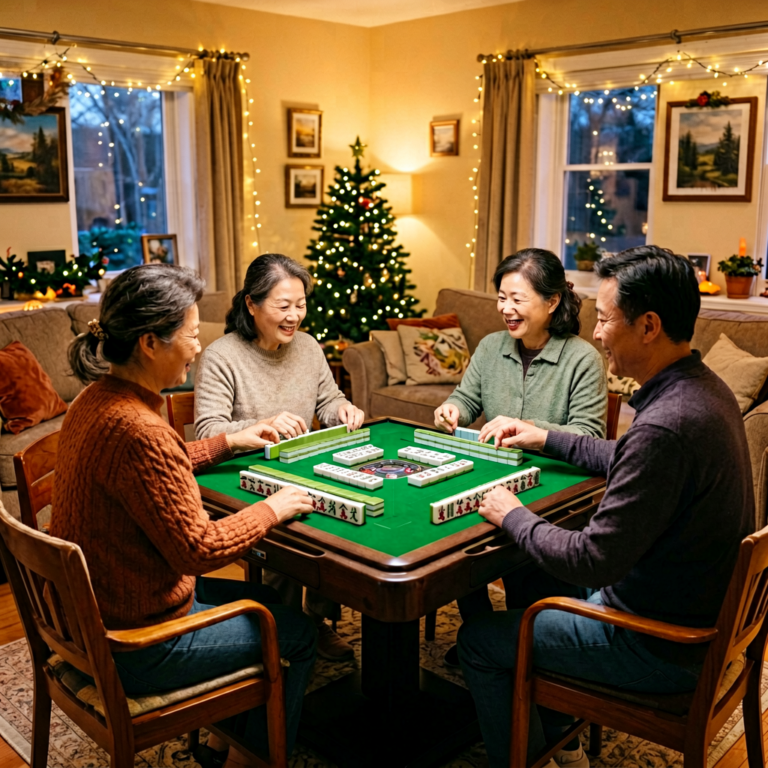
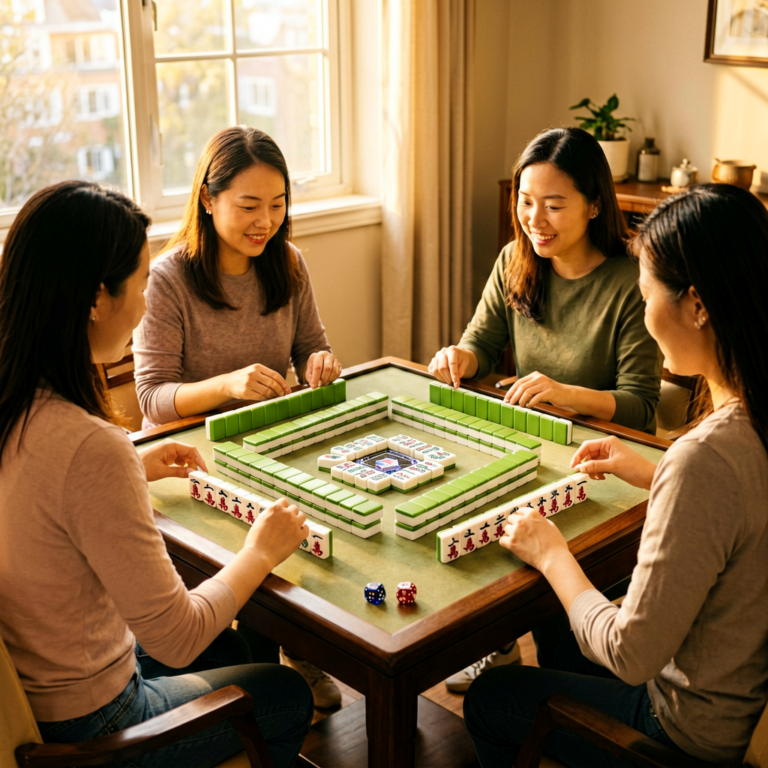
Four is the number the game was built for. Two pairs, four racks, one table, and the Charleston works clean. Three people leaves a dead seat and a lopsided wall. Five is worse: someone sits out every hand and gets bored in ten minutes. If you have a fifth, do not try to squeeze them in. Cap it at four, or find a fourth friend and make it a proper table. Six can work as two tables if you have the sets, but your first night should be four. Keep it simple and the night is already half won.
Set the table while the door is still locked
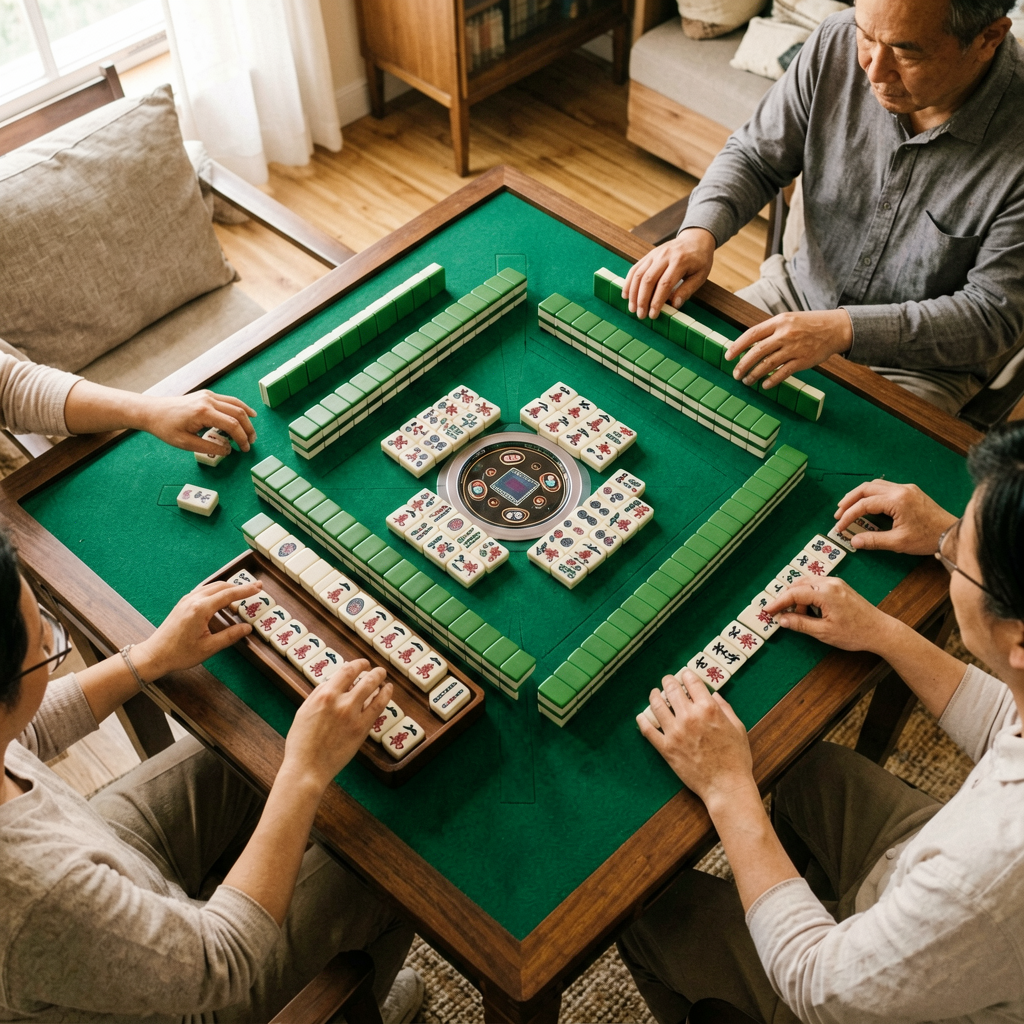
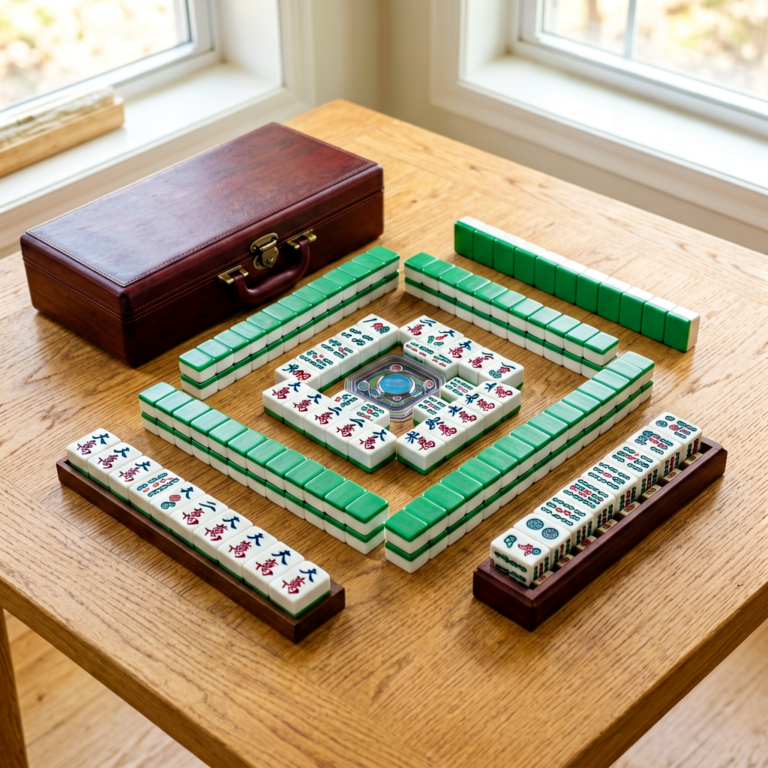
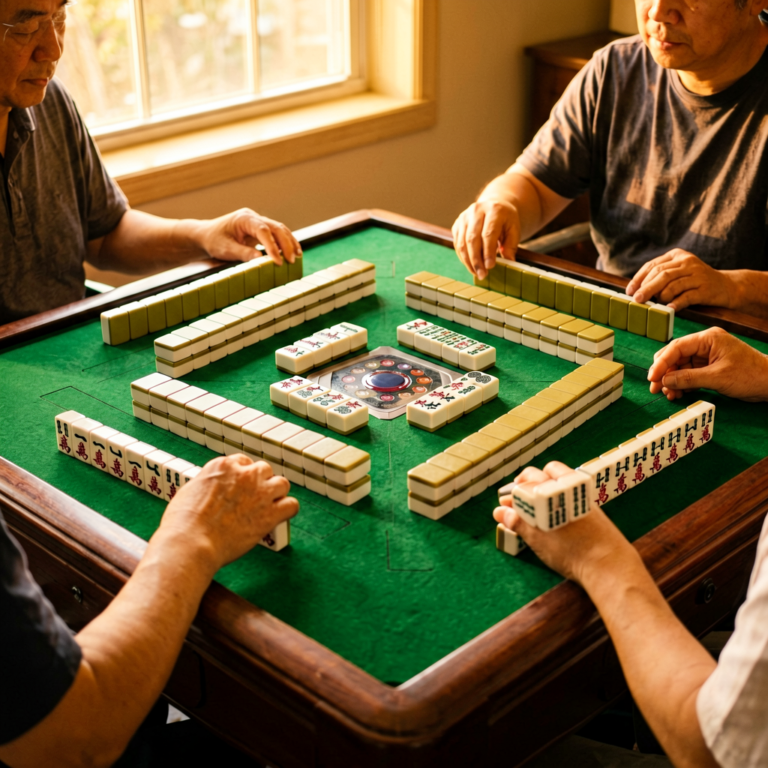
The single biggest hosting mistake is building the table in front of your guests. Do it first. Racks out, one tile set sorted into its tray, the yearly card face-up in the middle where everyone can see it, and a joker pile where people will not knock it over. Print one cheat sheet per person, a single page that shows the suits and the weird symbols, and put it by each rack. You are not being condescending. You are being the host who thought ahead, and people remember that more than they remember who won.
Also clear the literal clutter. Mahjong eats table space. Move the candle, the phone chargers, the mail. A bare, intentional surface tells people this is a real game night and not a kitchen table you forgot to clear.
Teach the card in five minutes, not fifty
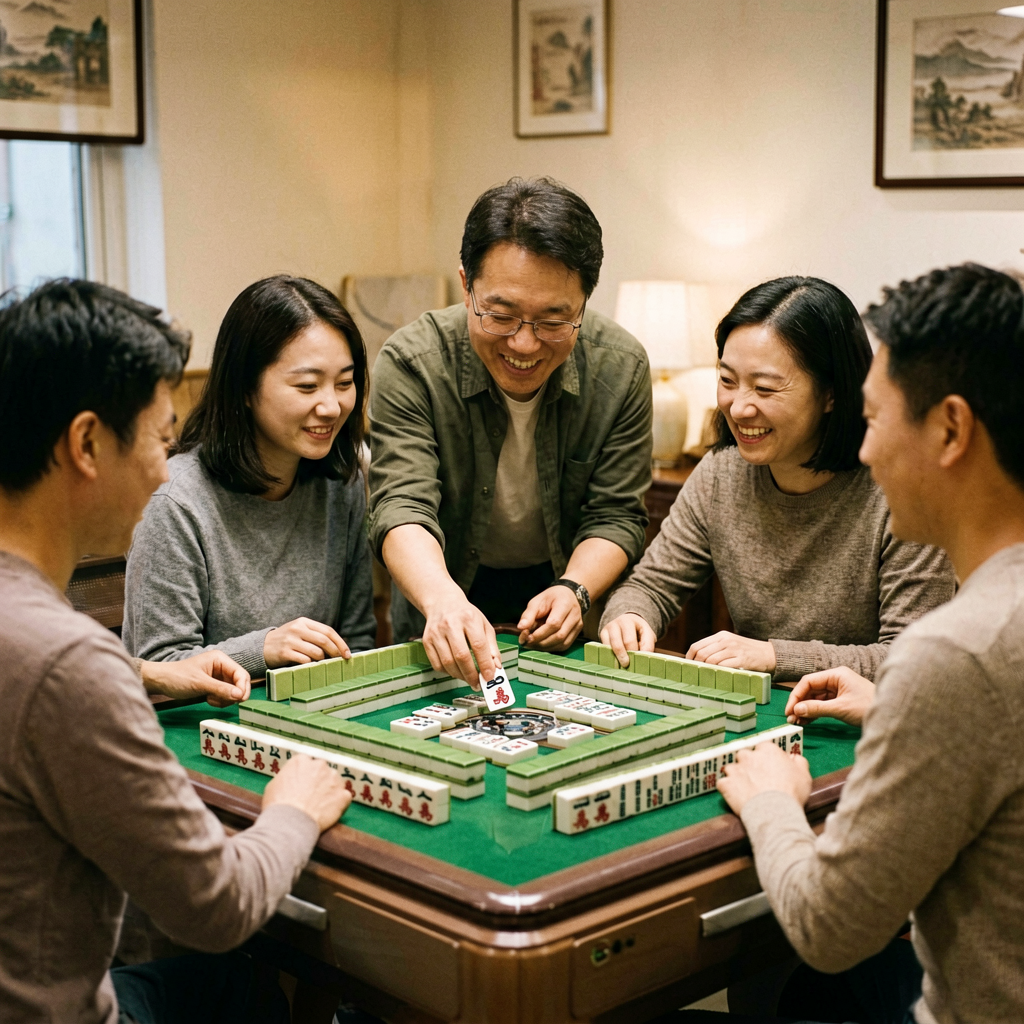
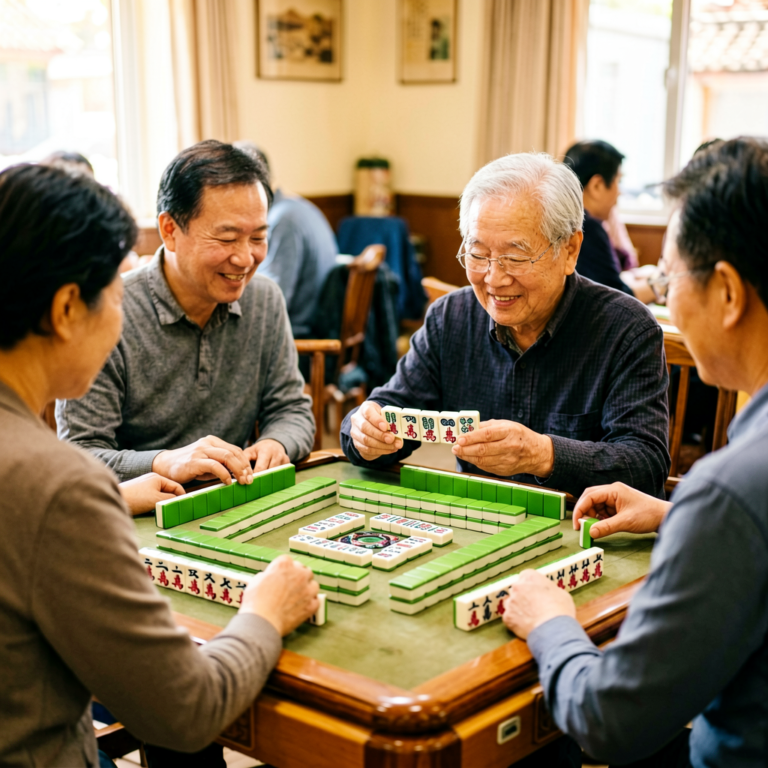
Here is the part new hosts overthink. You do not explain the whole card. You point at it and say: pick one hand that looks fun, build toward it, and if it stops working, pick another. That is the entire lesson. The card is a menu, not a manual. When someone freezes, ask them what they are collecting, not what the rule says. Ninety percent of first-night confusion clears the moment a person realizes they are allowed to switch hands mid-game.
Do not lecture. Do not read the card aloud. Let them hold tiles and figure out the shapes with their own hands while you answer questions as they come. The game was designed to be learned by doing, and a host who talks less gets a better room.
Pick a format that does not punish beginners
Decide before anyone sits down how seriously you are playing. For a first night, points are optional. Play for the win, keep a running tally if you like, but skip the scoring that requires a judge. The goal is that everyone wants to come back, not that anyone proves they are good.
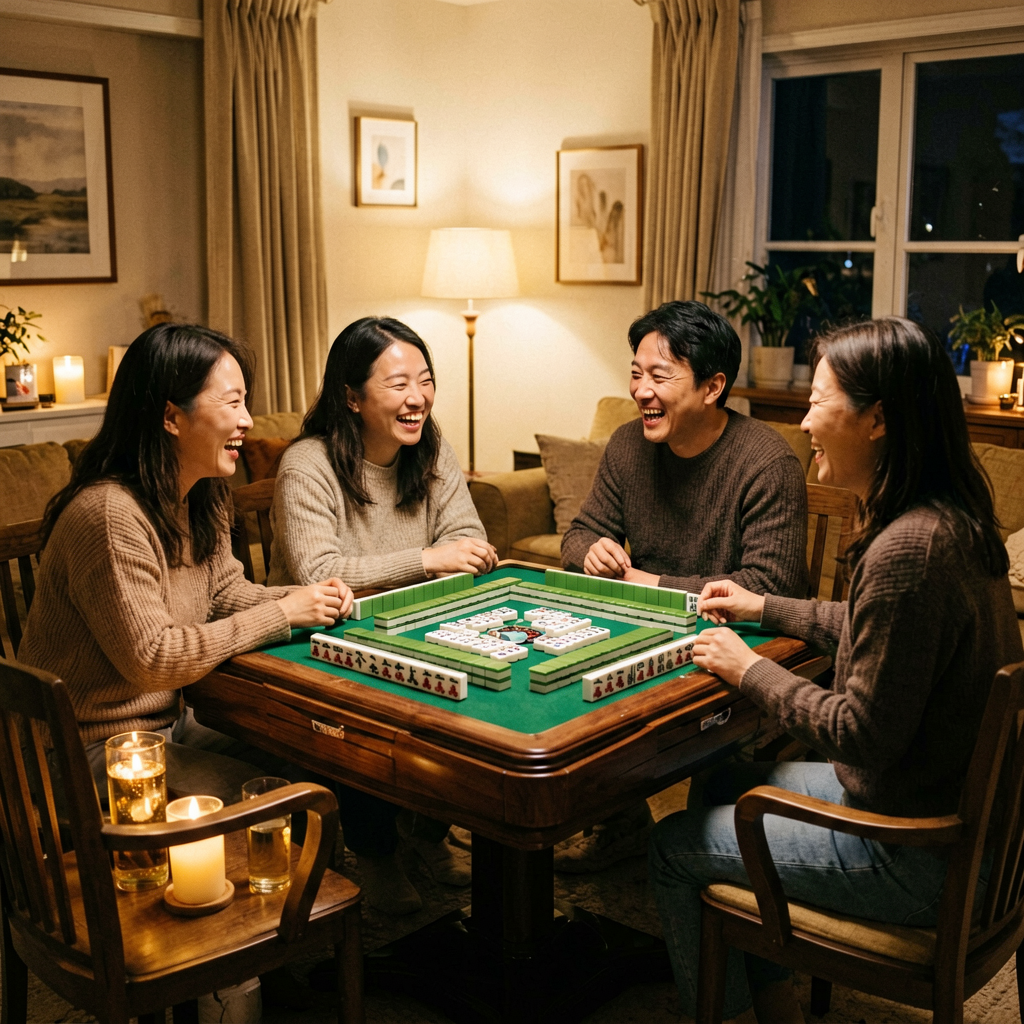
And use the Charleston. That opening pass-three ritual is the best icebreaker in the game. It is three rounds of handing tiles to friends and joking about what you are stuck with. Do not skip it to save time. The Charleston is the time. It is where the room loosens up, and a table that loosens up early is a table that stays late.
Feed them things they can eat with one hand
Mahjong is a one-hand game. You need snacks that survive that. Think finger food, not fondue. Pretzels, grapes, a cheese board, anything with no sauce. Put drinks where they will not murder the tiles if tipped. And time it: a quick bite before the first hand, then let the game run. People who are fed and not rushed play looser and stay longer.
The host’s real job during the night is the refill, not the rules. Keep water visible. Offer a top-up between hands. That is hosting.
When someone gets stuck, you are the referee, not the teacher
Sooner or later a hand stalls and a player goes quiet. Resist the urge to take over. Ask what they are one tile away from. Nudge, do not solve. If a real rules fight breaks out, and it will, about the Charleston or an exposure, make a call fast and move on. The wrong call with a smile beats the right call after a ten-minute debate. People came for the evening, not the verdict.
The set on the table does more than you think
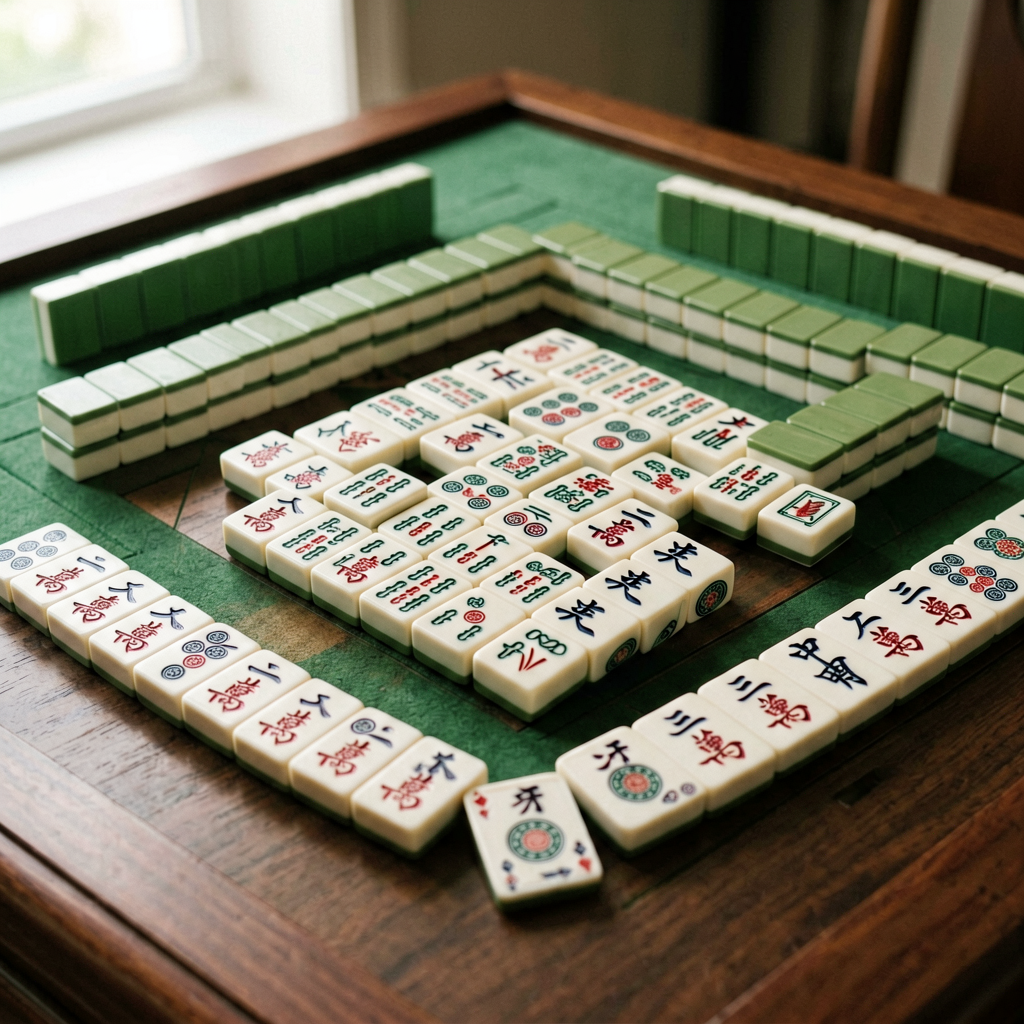
This is the quiet truth about hosting: the set sets the mood. A rattly plastic set makes the night feel like a toy. A proper set, weighted tiles, crisp engraving, jokers that actually read across the table, makes people slow down and take it seriously, even when they are losing. Guests pick up the weight and something shifts. They stop treating it like a phone game and start treating it like an object worth keeping.
That is the difference a good American mahjong set makes, and it is why hosts who care about the room tend to care about the tiles. You can run the exact same rules on a junk set or a well-made one. Only one of them makes people ask where you got it.
End on a reason to meet again
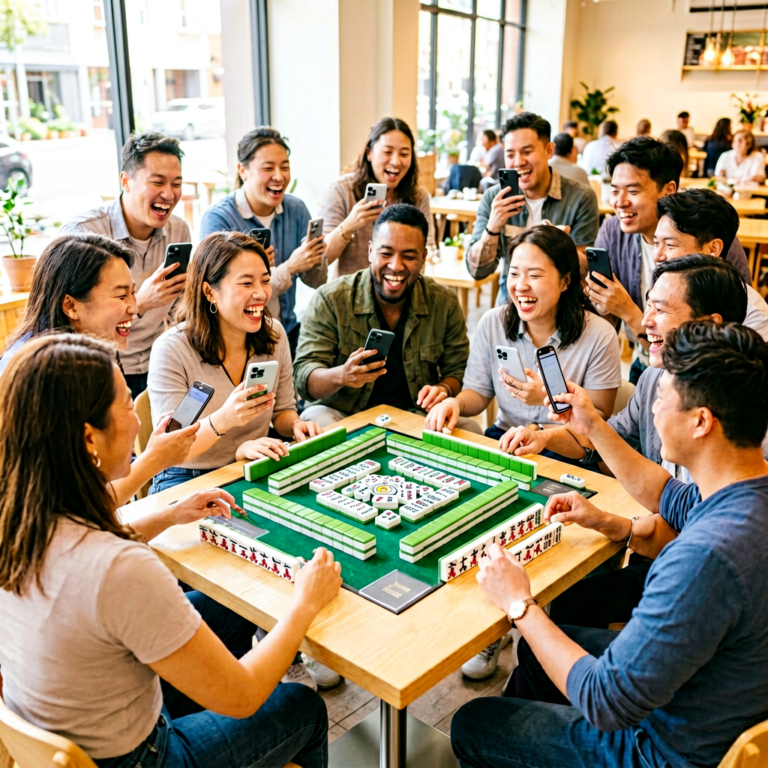
Close the night with something silly, worst hand of the evening, best bluff, the person who passed the tile everyone needed. Give it a stupid prize. Then say the date for next month out loud before anyone leaves. A mahjong night that does not get a sequel is just a party. A mahjong night with a standing date is a thing your friends start to plan around.
That is the whole job. Four people, a set you are proud of, snacks that do not need a fork, and the confidence to let the game run itself. Send the text, clear the table, and open the door. The rest is just tiles.