Why American Mahjong Is Good for Your Brain and Your Social Life
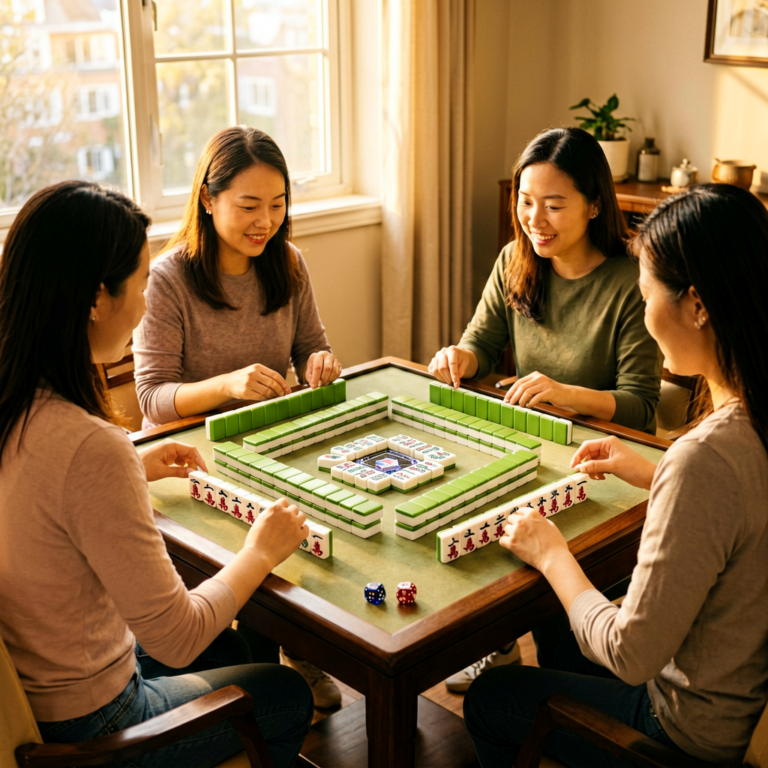
You think you are just playing a game. Two hours pass, you look up, and you have laughed more than you did all week. The tiles are still warm from your hands. Something about American mahjong does that to people, and it is not only the winning.
Players have been saying mahjong is good for you for a hundred years, usually in the same breath as crossword puzzles and a good walk. The difference is that mahjong asks for your hands, your eyes, your memory, and three other people at the same time. That combination is rarer than it sounds, and it is why the game keeps pulling in new players long after the novelty should have worn off. Here is what is actually going on when you sit down to play.
It works a kind of memory your phone stopped training
Most of your day runs on reminders, search bars, and the autocomplete that finishes your sentences. American mahjong shuts all of that off. You are holding a rack of thirteen tiles, tracking what you passed in the Charleston, watching what your friend just discarded, and quietly building a hand from the yearly card in your head. None of it can be Googled mid-game.
That is working memory doing real reps. You are holding several moving pieces at once and updating them every time a tile moves. It is the same mental muscle you use to follow a conversation or plan a meal, and like any muscle it gets stronger from use. Players who have been at it for years are not smarter than anyone else. They have just been doing this particular workout for a long time, and it shows.
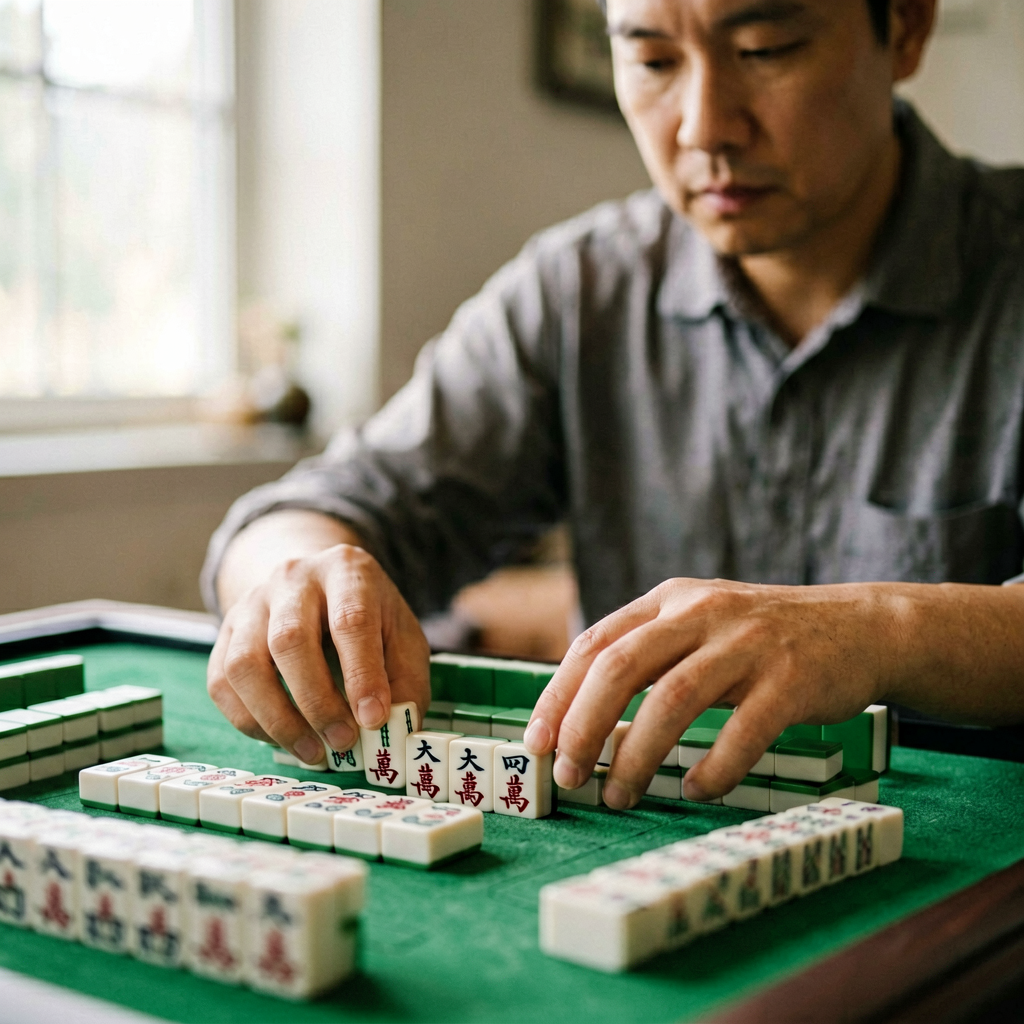
The card itself is the trick. Every year the National Mah Jongg League puts out a new one, with new hands and new rules to learn. You never quite master it. You stay a beginner forever, in the best way, and a brain that is still learning new patterns is a brain that stays sharp.
The focus it builds is the quiet kind
We talk about attention like it is a crisis now, and most focus advice is just another app telling you to close your other apps. Mahjong does the opposite. It gives you one physical thing to look at, a table, and asks you to stay with it. No notifications. No second screen. Just the next tile.
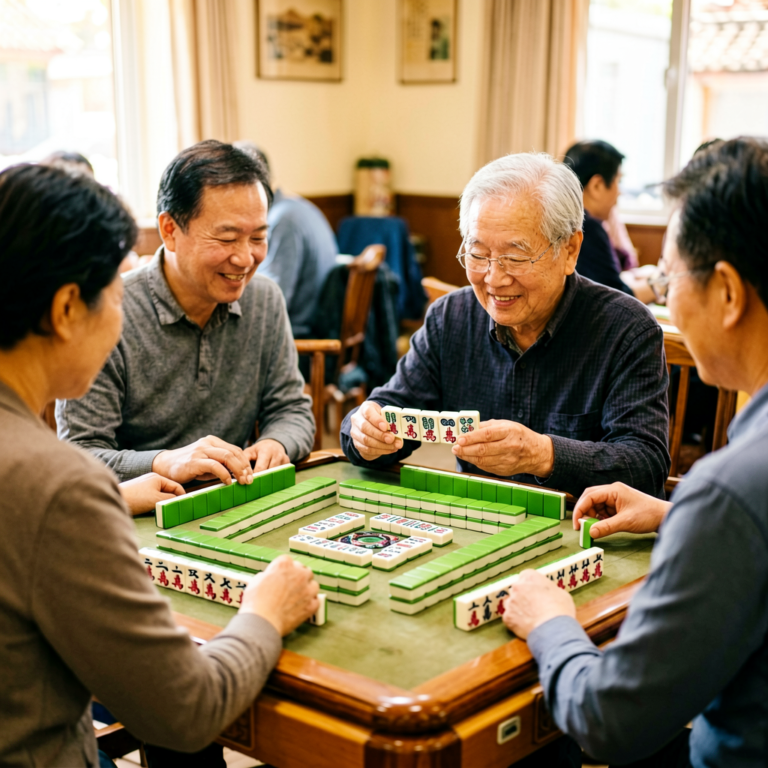
That single-tasking is harder than it looks, and that is the point. For an hour or two your mind stops bouncing. Players describe it as the only time in their week they are not thinking about the email they forgot. The game will not let you half-pay-attention, because the moment you do, someone exposes a hand you missed and the table tells you.
It hands you a social routine without the awkward part
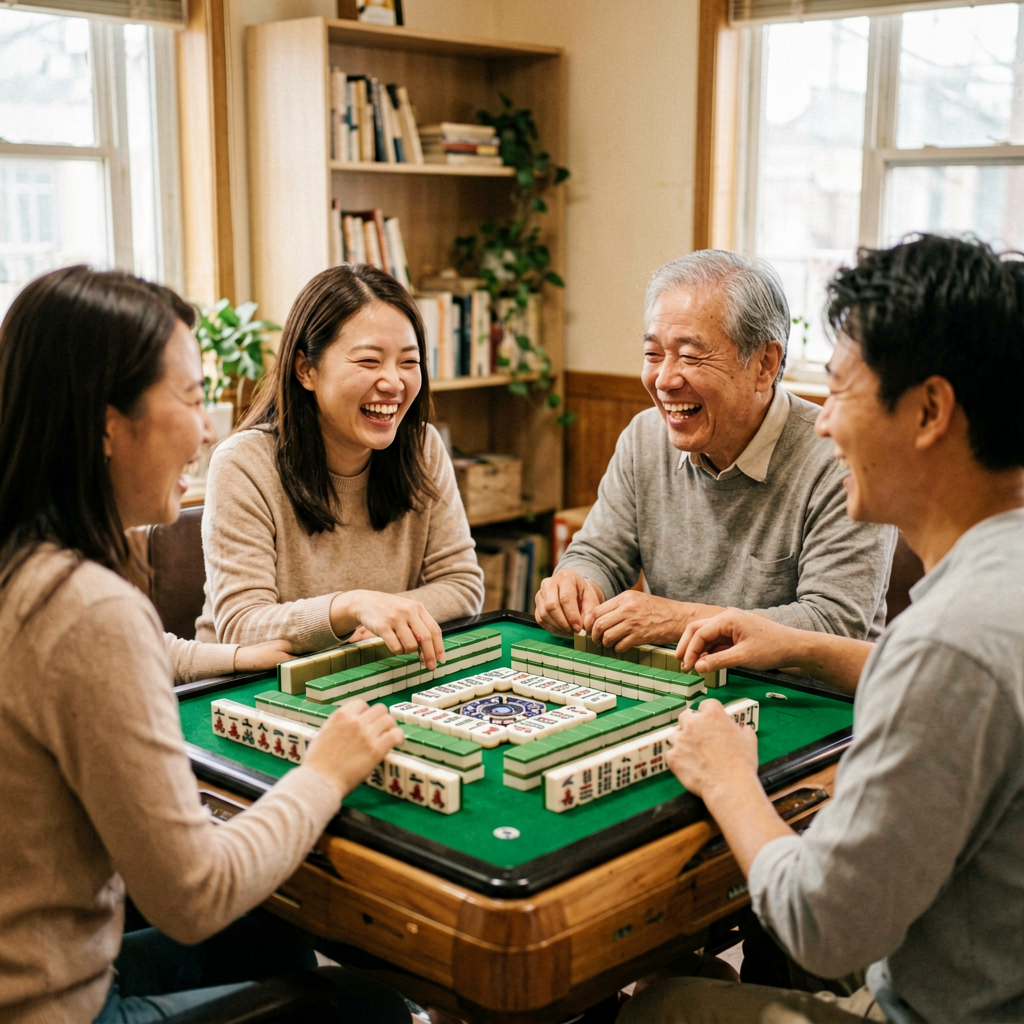
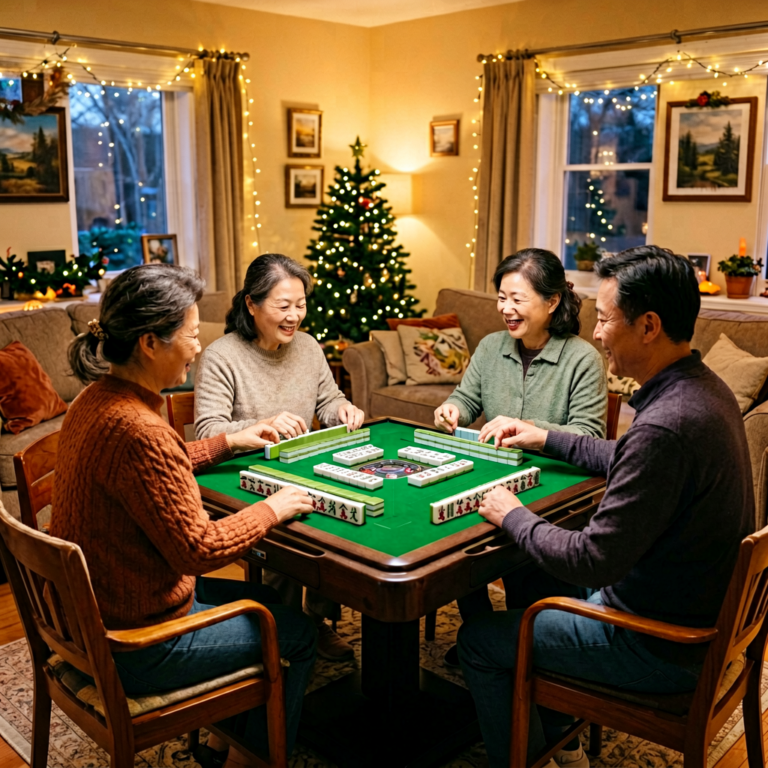
Try to start a new friendship as an adult and watch how hard it is. You meet for coffee, the talk stalls, you both check the time. Mahjong solves the part that is normally awkward, because the table gives you something to do with your hands and your eyes while you talk. You are not staring at each other. You are staring at the tiles, which is somehow easier.
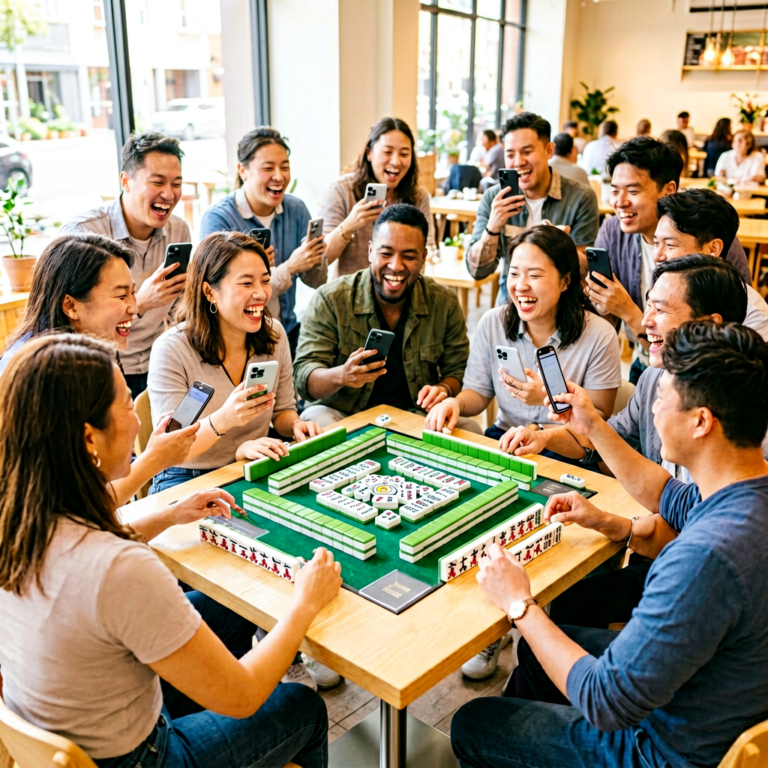
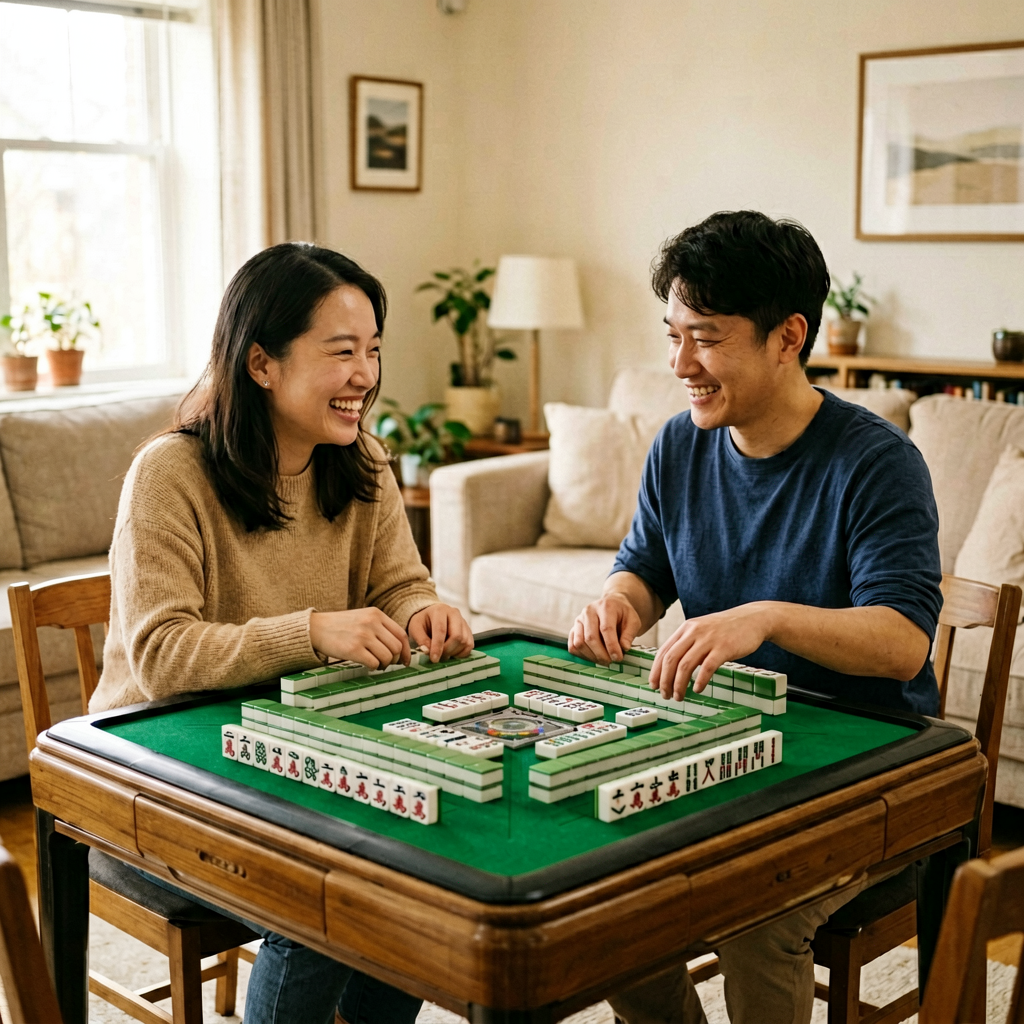
This is why the game built such a strong social tradition and why it still works for families, mixed groups, and strangers who just met. The structure carries the conversation. You can go twenty minutes saying almost nothing and still feel like you spent time with people. And when you do talk, it is about the game, which is safe, which is the whole relief.
The tiles themselves matter more than people admit
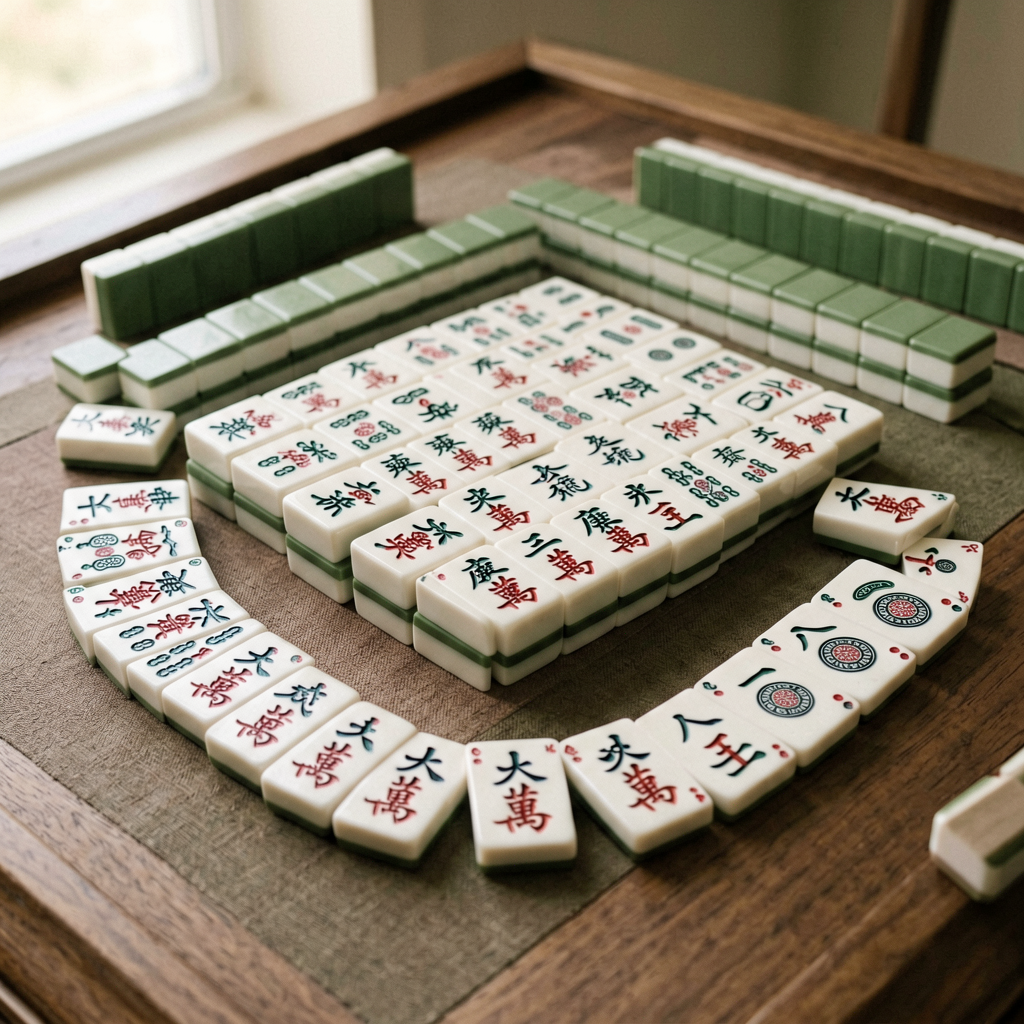
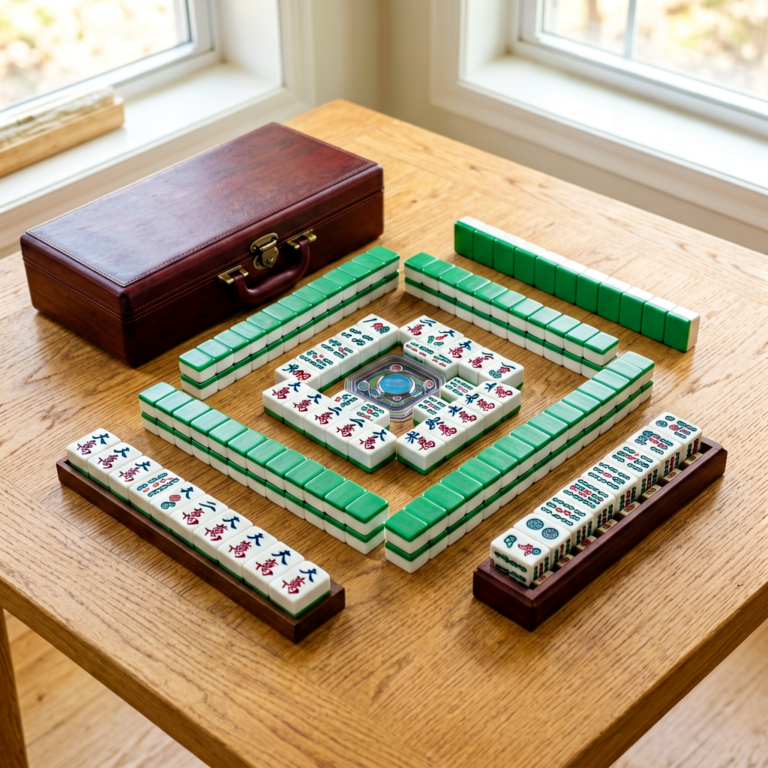
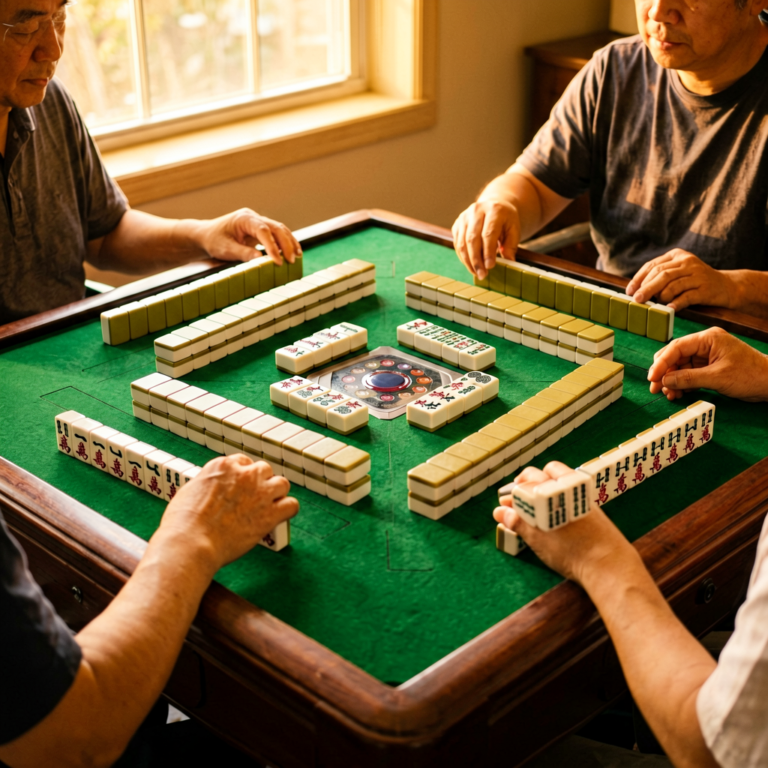
Here is the thing nobody tells you up front. The tiles matter. A rattly plastic set you bought for thirty dollars plays the same rules as a weighted, well-made set, but it does not feel the same in your hands, and feeling is most of the game. Good tiles are readable across the table. The characters sit clean. The jokers actually mean something when you pick them up.
A proper set is the kind of object people keep for decades, and that is not a small thing. A game you play on a screen disappears the moment you close the laptop. A real set sits on the shelf and quietly asks to be taken out again. The object itself becomes the reason the group meets next month.
None of this requires being any good at it
The benefits do not care about your win rate. A beginner gets the memory workout, the focus, and the company on the first night, before they can name a single suit. You do not earn the good parts by getting better. You get them by showing up.
That is the quiet trick of American mahjong. It is good for you in the ways that are hard to schedule otherwise, your brain, your attention, your people, and it asks for almost nothing in return except a table and a few hours. Pick up a set, invite three friends, and let the tiles do the rest. The part where it helps you happens while you are busy having fun, which is the only kind of good-for-you that ever sticks.