
American Mahjong at Work: How to Run a Team-Building Session People Actually Enjoy
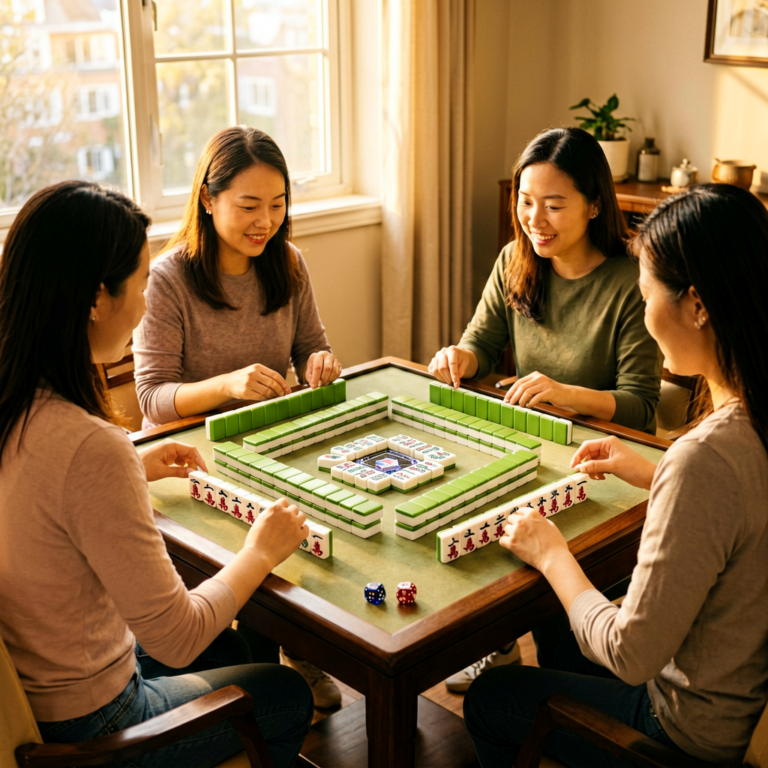
You booked the room, ordered the food, and now you need an activity that won’t make people fake a headache. Most team-building ideas fall into two buckets: too competitive or too embarrassing. American mahjong lands in a third, much better bucket. It’s a real game with real decisions, but you can play it half-asleep on a Friday, and nobody needs to be athletic, loud, or good at PowerPoint.
Here’s how to run one that your team talks about for the right reasons.
Why this game, specifically
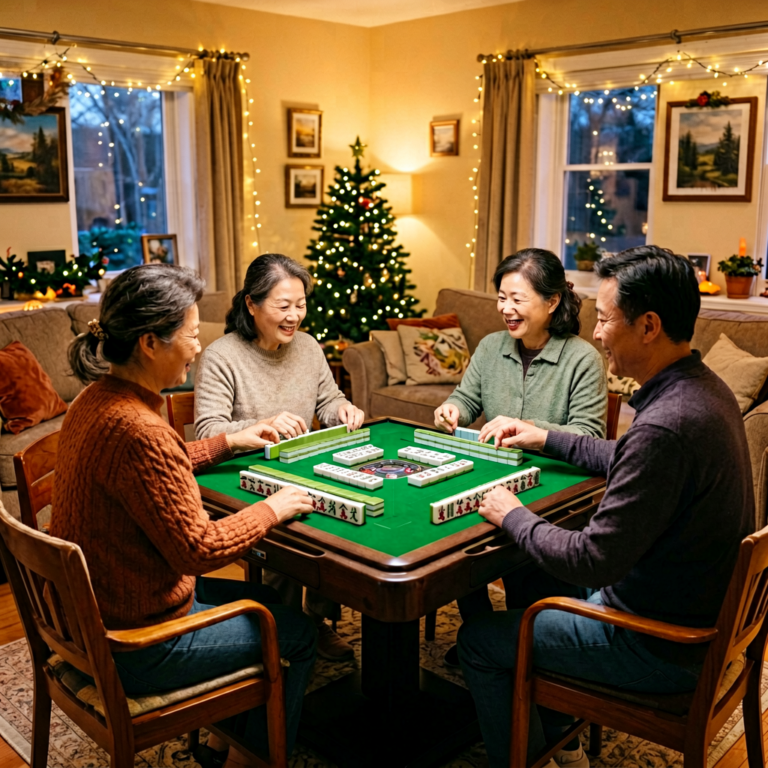
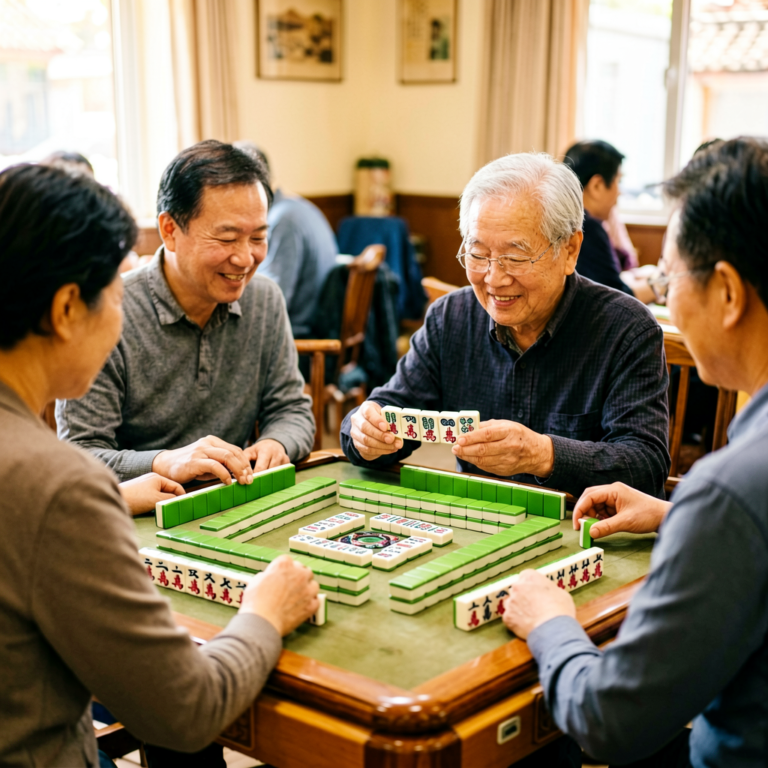
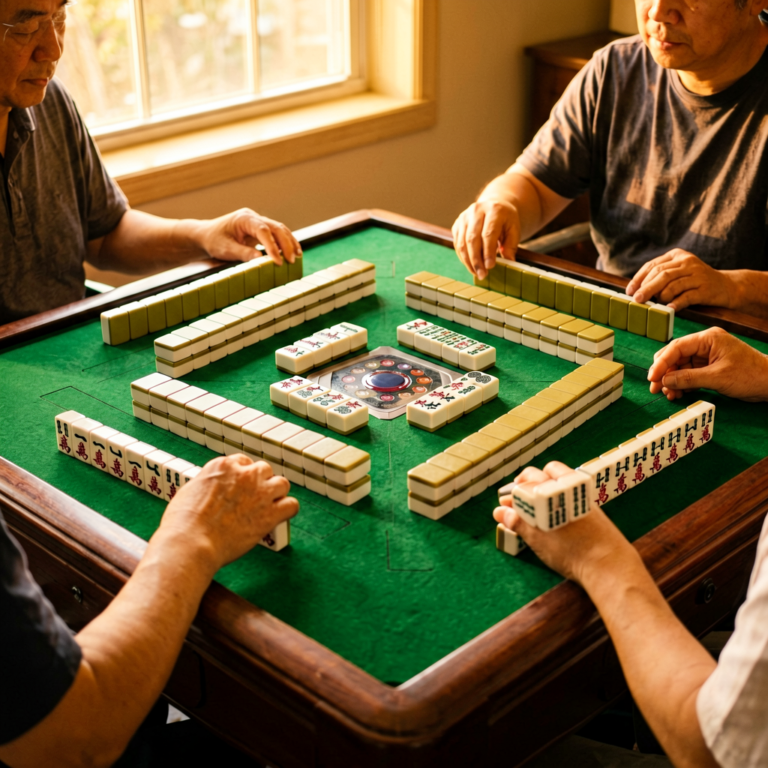
Most office games break down for the same reason: someone dominates, or nobody understands the rules, or it needs a screen and a charger. Mahjong avoids all three. Four people sit at a table, the tiles do the talking, and the barrier to entry is lower than you’d guess. A new player can be sorting tiles and making decisions within ten minutes, which is roughly nine minutes faster than your average escape room.
It also scales down nicely. You don’t need a tournament bracket or a referee. One table of four is a complete event. Two tables is a small party. Three and you’ve got a real afternoon.
The part nobody expects — it flattens the room
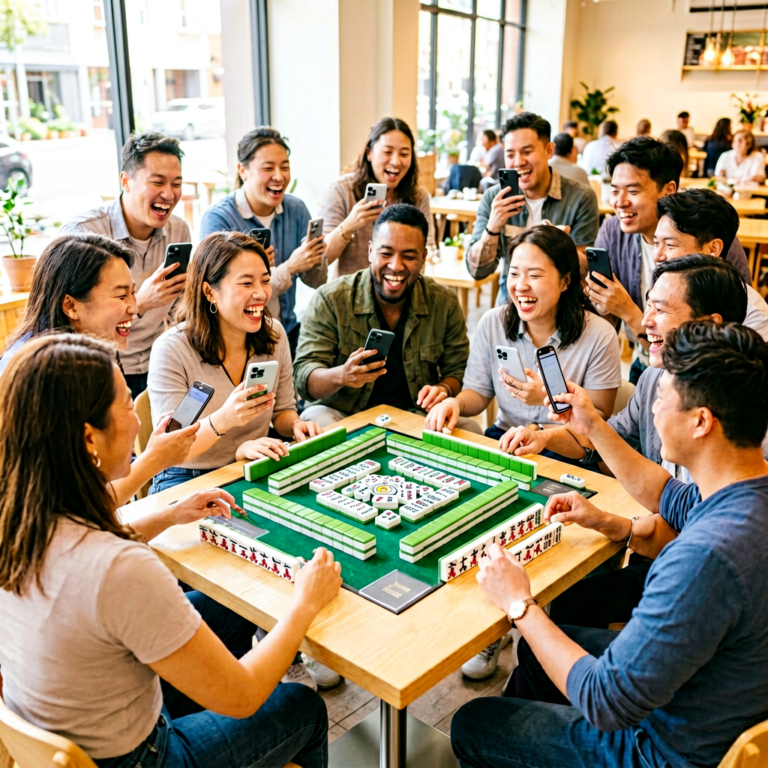
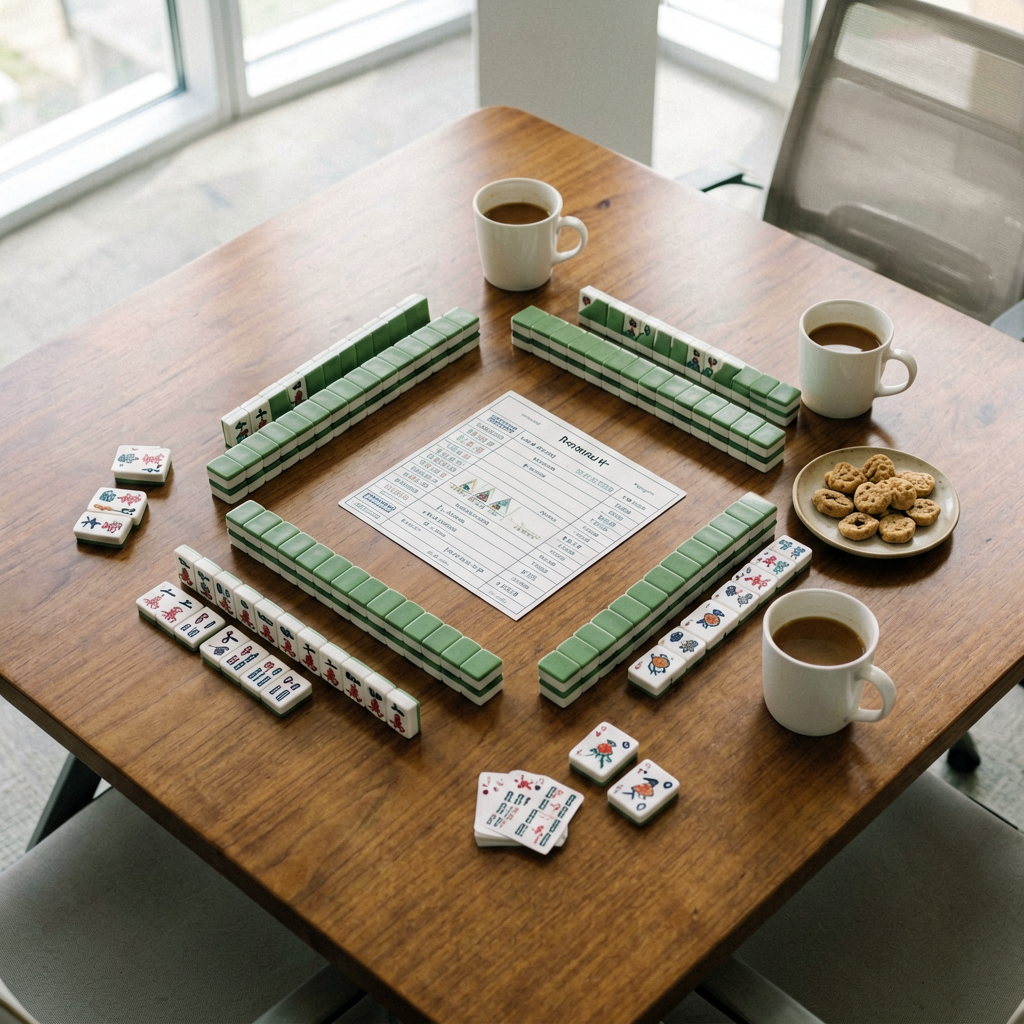
This is the thing I didn’t anticipate. Put the CEO and the new intern at the same table, hand them both a rack of tiles, and the org chart disappears. There’s no laptop to hide behind, no meeting agenda, no “who speaks first.” You’re both just trying to figure out if that red dragon tile helps.
That matters more than it sounds. A lot of team-building is really about getting people to see each other as humans for an hour. Mahjong does that without a single trust-fall. People laugh at their own bad discards. The quiet analyst suddenly calls the table’s strategy. The boss asks the intern for help reading the card. That stuff sticks.
Setup that doesn’t wreck your afternoon
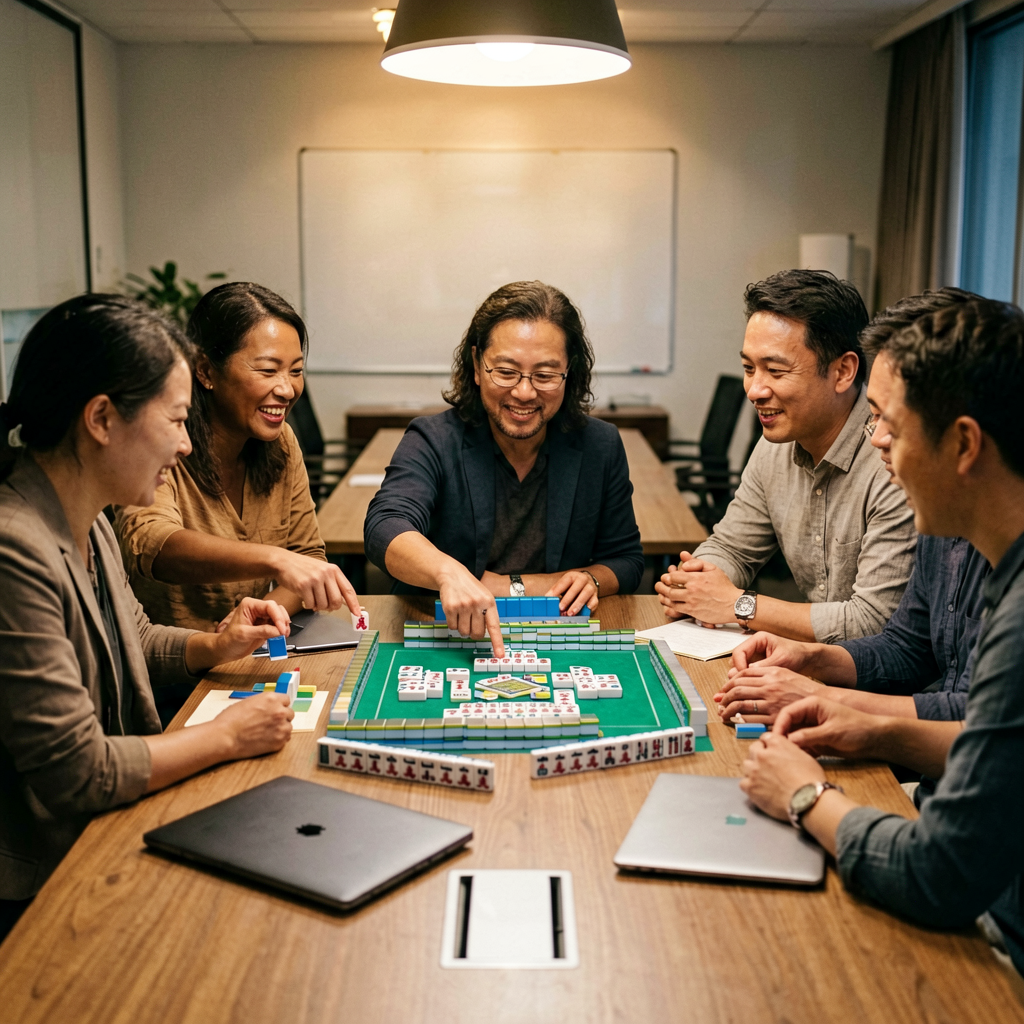
You don’t need much. A table, four chairs, a set of tiles, and about ninety minutes. Book a room with a door if you can — the clack of tiles is part of the charm but your neighbors may not agree.
Time-box it. Two rounds of play, maybe ninety minutes total, then food. If you let it run past two hours you start losing the people who’d rather be at their desk. The goal is a good memory, not a championship.
One practical note: have a rules resident ready. Pick one person who’s played before to run the first hand at each table. They don’t need to be good. They need to be willing to answer “what do I do now” about forty times.
Teach it fast — one line, not the whole card
The National Mahjong League card looks scary. It’s a full page of hands, and showing it to a beginner is how you lose them. So don’t. Pick one simple line — a basic run or a matching pair hand — and write it on a sticky note. Everyone at the table plays toward that one goal for the first round.
Once they’ve completed one hand, the whole game clicks. They start seeing patterns, asking about other lines, flipping the card themselves. That moment of “oh, I get it” is the best part of teaching this game, and you can get a whole table there in under half an hour if you keep the first target narrow.
Make it a team sport
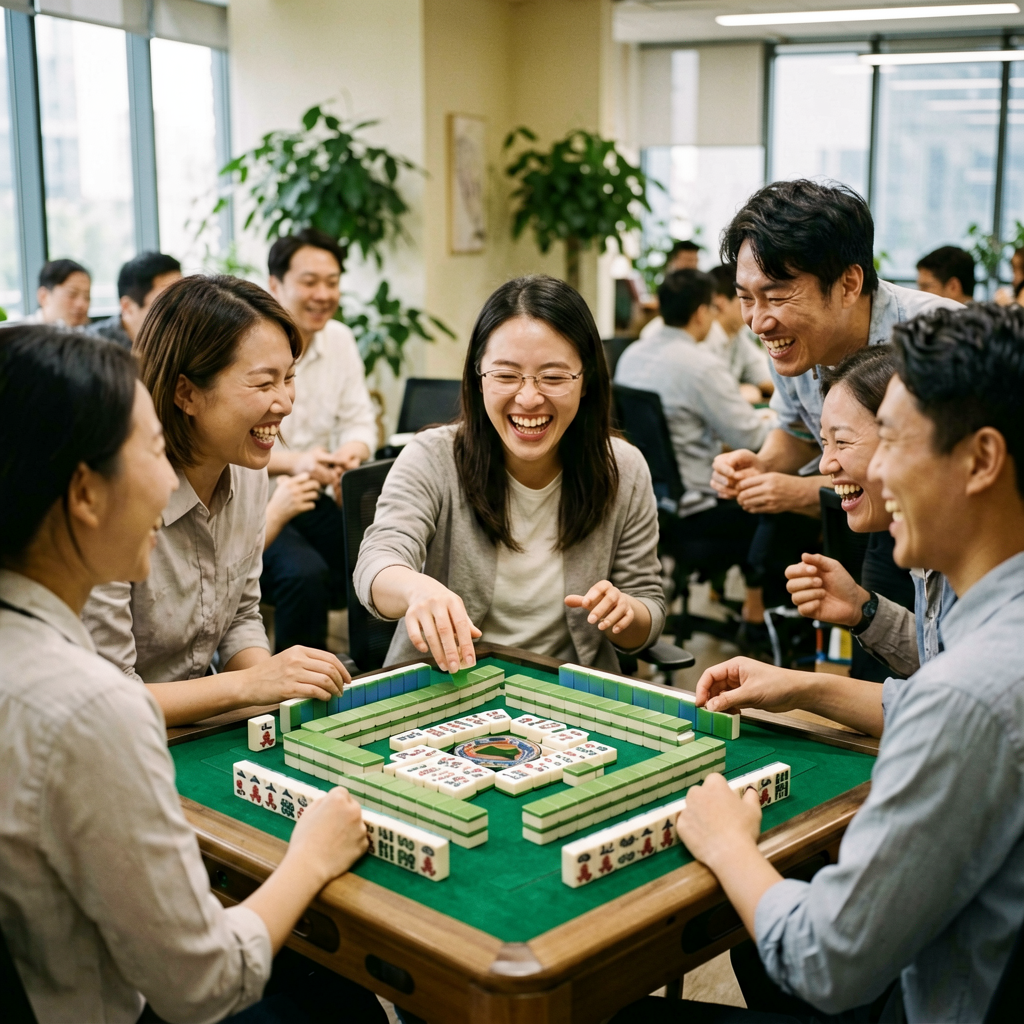
Here’s the move that turns a quiet card game into an actual bonding session: don’t play every person for themselves. Pair two people as one team at a table, or treat the whole four-person table as one unit competing against the next table’s time. Suddenly people are leaning in, whispering strategy, and high-fiving over a lucky draw.
Teams also take the pressure off the rookies. Nobody’s individual score is on the line, so the new player relaxes, asks questions, and actually enjoys it instead of quietly calculating how soon they can leave.
The few things that sink it
A short list, because most of this is easy:
Don’t keep score too seriously. A silly prize is fine. A spreadsheet is not.
Don’t force the non-players. Some people just want the snacks and the chat, and that’s a valid way to spend the hour.
Don’t start cold. Open with food or coffee so the room is already warm before the first tile drops.
Don’t drag it. Ninety minutes. Then release everyone.
The set you bring changes the mood
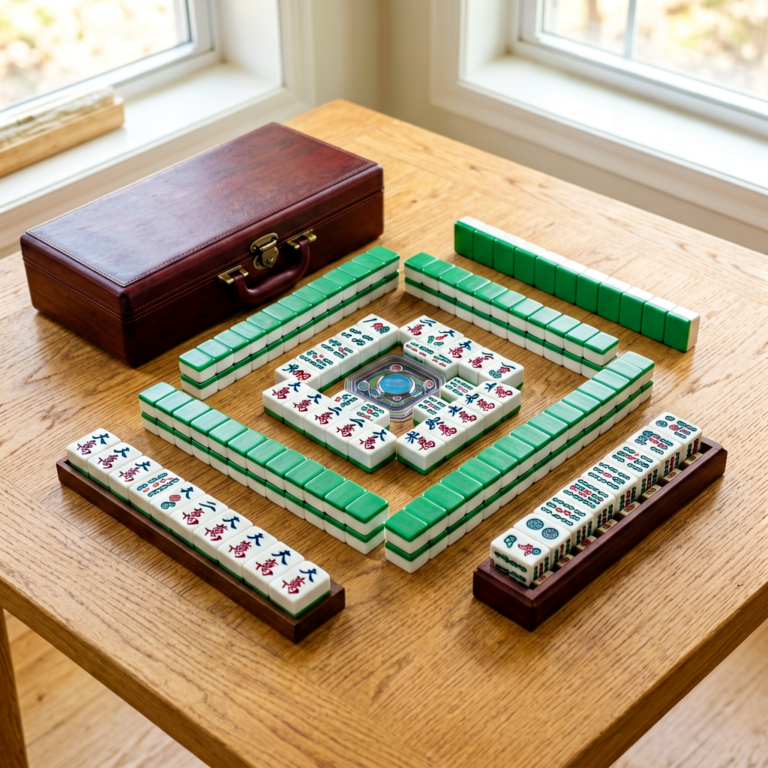
This is where it gets practical. A cheap set with tiny, worn characters turns a fun hour into a squinting contest. A good set — tiles you can read across the table, a case that opens without a fight, a rack that holds without tipping — is the difference between “that was nice” and “when’s the next one.”
We make ours to be pulled out without a second thought: clear engraving, a case that actually closes, tiles weighted so they sound right. Because the real win isn’t the game you play once. It’s the one people ask to play again, and that starts with a set that doesn’t get in the way.
Mahjong won’t fix your standups or your roadmap. But an hour with tiles on the table, phones in pockets, and the boss asking you for help — that’s a different kind of team meeting, and most offices could use one.