How to Play Defense in American Mahjong (and Stop Handing Opponents the Win)
Most beginners think the game is about the hand in front of them. You draw, you discard, you chase the pattern on your card. That part is real, and it’s the fun part. But here’s what nobody tells you until you’ve lost a few games you should have won: a lot of American mahjong is defense. Your discards feed the other three players. Every tile you throw is a small gift to somebody at the table.
Play defense well and you’ll win games you had no business winning. Play it badly and you’ll watch your neighbor call mahjong off a tile you threw two seconds earlier. So let’s talk about the quiet half of the game.
Why defense even matters here
In American mahjong, players expose tiles when they claim them. A pung sits open on the rack. A kong of four shows everyone exactly what that person is collecting. That means the table is constantly broadcasting information, and most people are too busy staring at their own tiles to read it.
The goal of defense is simple: don’t throw the tile that somebody else is waiting for. You can’t always know what they need, but you can usually guess, and you can almost always avoid the obvious traps. That’s enough to cut your losses in half.
Read the open sets first
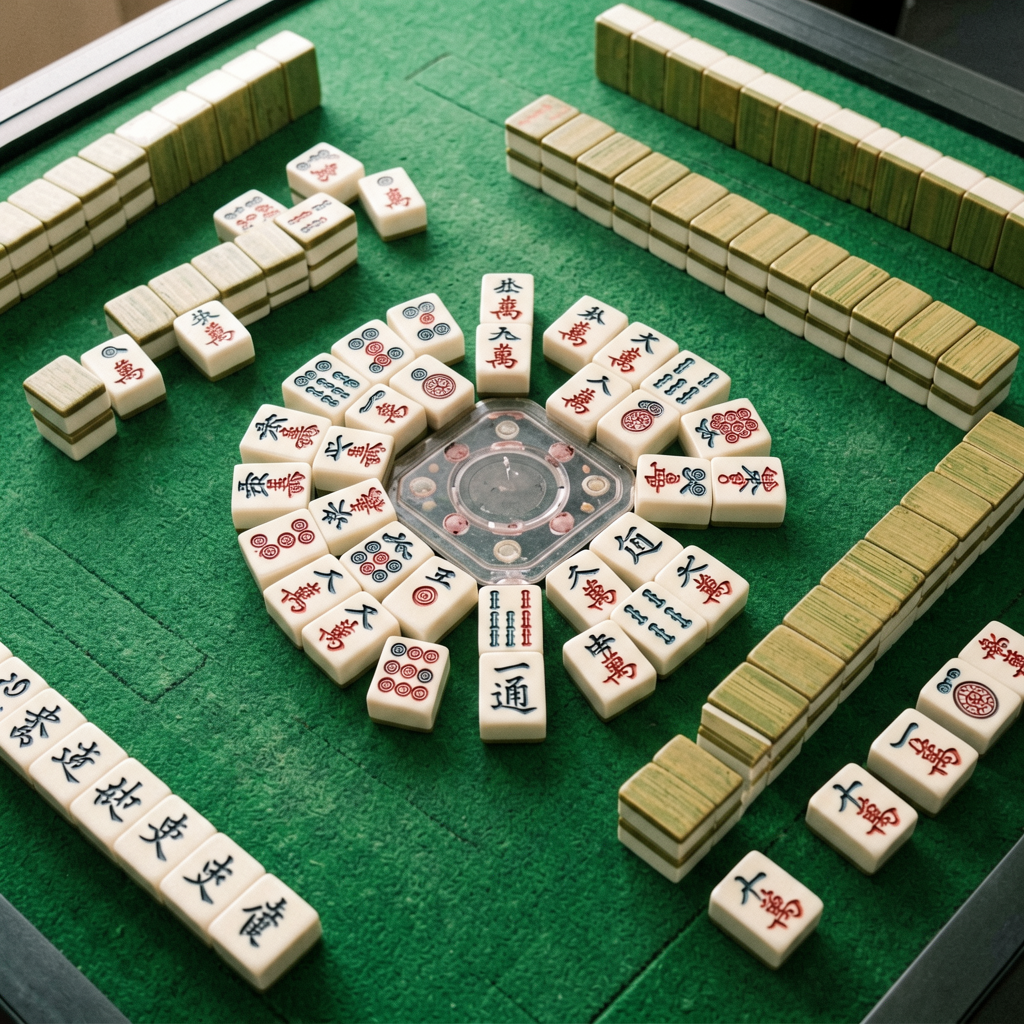
Before you discard, glance at what’s exposed. If someone has a pung of Red Dragons on the table, they are not fishing for a Red Dragon. That tile is dead for them. If someone has three North Winds showing, the fourth North is either in the wall or already claimed. The exposed sets tell you what each player is building toward and, just as useful, what they’ve already finished collecting.
A handy habit: when a player exposes a set, ask what kind of hand it points to. A couple of clean pungs early often means a winds-and-dragons hand. A run of sequences pointing at numbers suggests they’re working the suits. You don’t need to solve their whole hand. You just need to know which tiles have gotten dangerous.
Watch what’s already been claimed
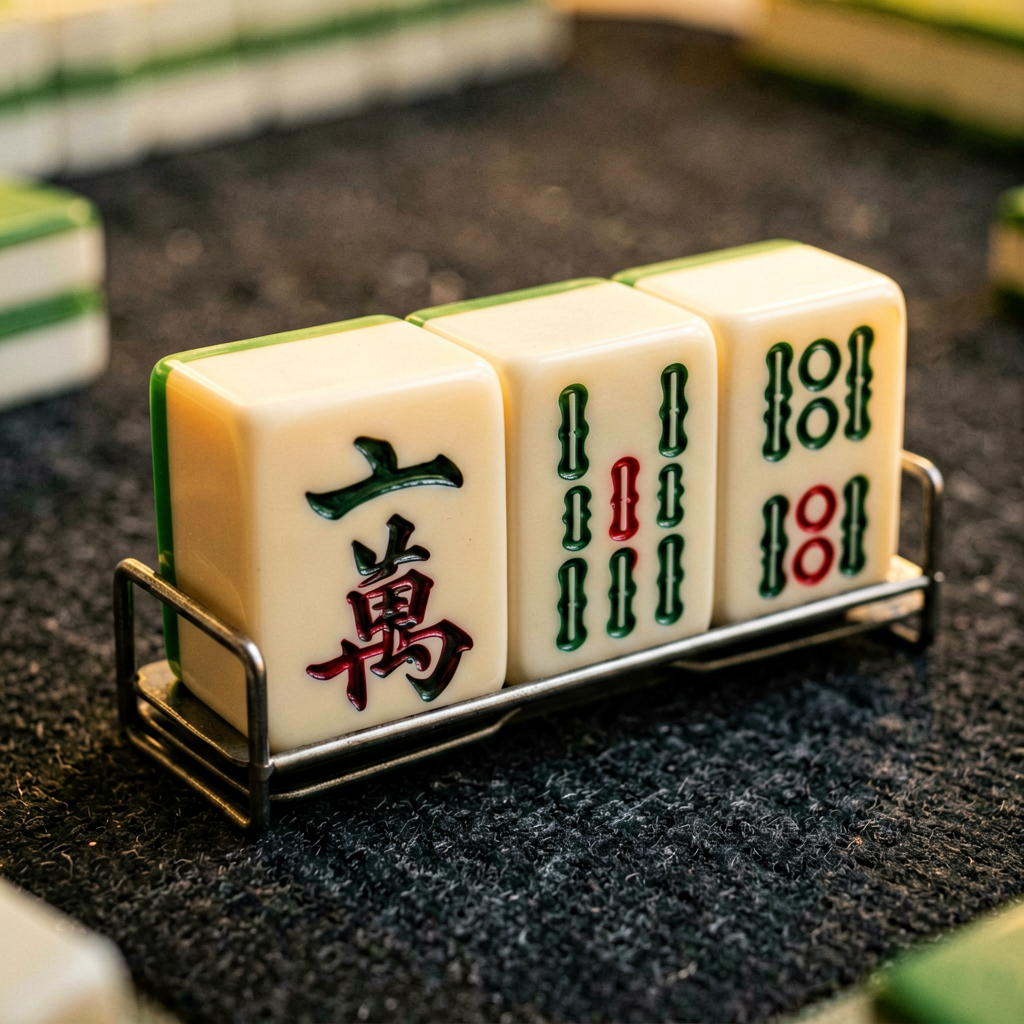
Here’s a detail newer players miss. Once a tile has been called and exposed, the matching tiles become safer to throw, because the player who wanted that group probably has it. The truly dangerous tiles are the ones nobody has shown yet. An opponent who has exposed nothing is the hardest to read, and the one most likely to surprise you.
So when you’re stuck between two discards, the one that matches something already on the table is usually the safer throw. It’s not a rule, it’s a lean, and leaning right wins more than it loses.
What counts as a safe tile
The cleanest safe tile is one that’s already been thrown by someone else and then passed over by everyone. If a 4 Dot sits in the discard pile and all three opponents declined to claim it, throwing your own 4 Dot is about as safe as a discard gets. Players call these “safe” because the table has already shown it isn’t wanted.
The next safest group is honors that haven’t appeared and aren’t on anyone’s exposed set, late in the game, when the useful tiles have mostly been claimed. Early on, though, honors are wild and dangerous. Timing matters. A tile that’s safe in the last round was a gift in the first.
Know when to quit your hand
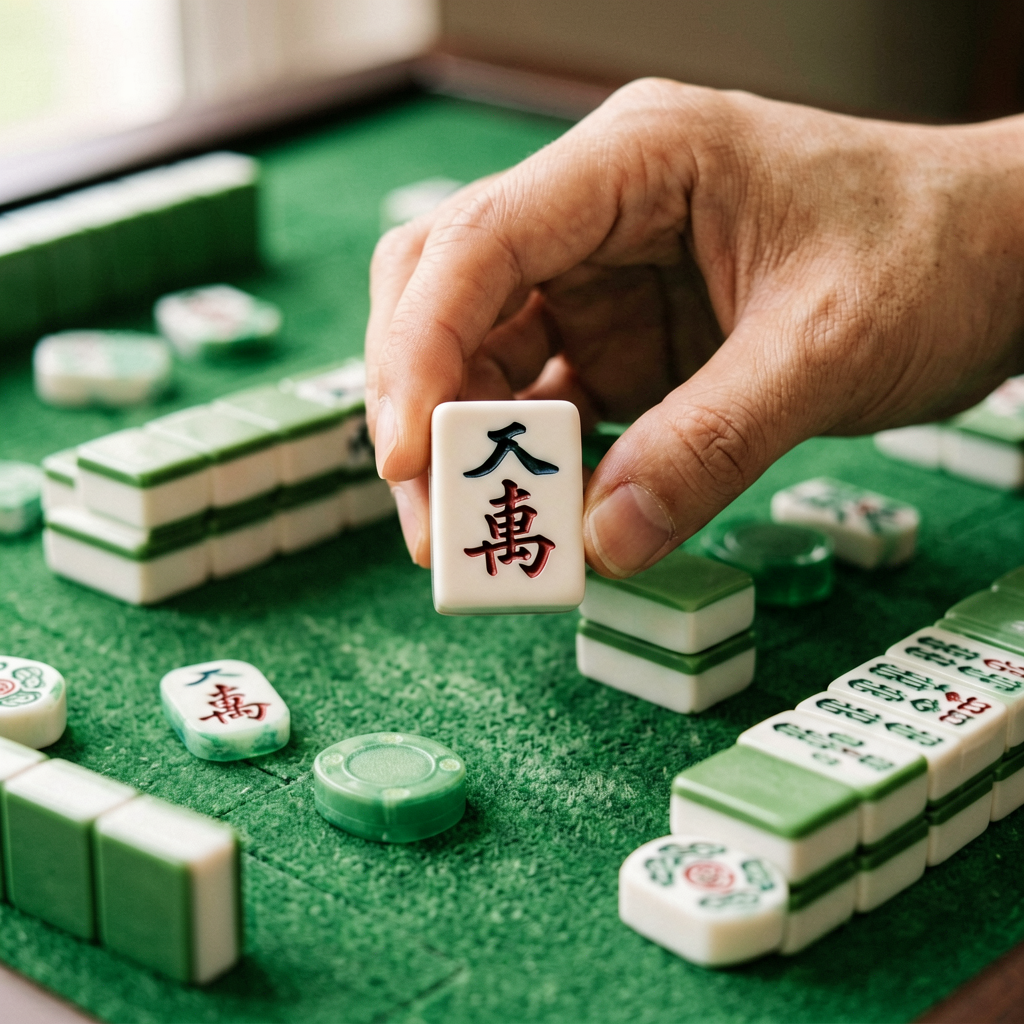
This is the hardest defensive skill, and the most valuable. Sometimes your hand just isn’t coming together, and worse, the table has gotten loud. Two opponents have exposed sets, the discards are thinning, and you’re three tiles away from nothing. That’s the moment to stop chasing.
When you bail, you stop drawing for speed and start throwing the safest tiles you can find, even if they wreck your own pattern. You won’t win that hand, but you also won’t hand someone else the win on a platter. In a four-player game, not losing is often the same as gaining a place.
One habit that changes everything
You don’t need to be a genius to play good defense. You need one habit: pause for two seconds before every discard and ask, “who benefits if I throw this?” Most costly discards happen because somebody threw without looking up. The pause costs you nothing and saves you games.
Pair that with a quick scan of the open sets and the discard pile, and you’re already playing better defense than most casual players at the table. The offense is what gets the photos. The defense is what gets the wins.
Why this shows up in the tiles themselves
A word from the side of the table we know best. Clear, deep engraving matters more than people expect when you’re playing defense, because reading the table means reading tiles fast, in bad light, mid-conversation. A soft or muddy tile face slows that read down at exactly the wrong moment, and a missed exposure is a discarded tile thrown straight into a pung.
So the next time you sit down, remember the game has two halves. Build your hand, sure. But lift your eyes every few turns and see what the other three are telling you. The players who win consistently aren’t always the ones with the best cards. They’re the ones who stopped feeding the table.