American Mahjong Isn’t One Rulebook: NMJL, Wright-Patterson, and What Changes Between Them
There’s a moment every new player hits. You learn the basics from a friend, you buy a set, you sit down for your first real game, and then somebody slides a completely different card across the table and says “we play by these rules.” Wait. What rules?
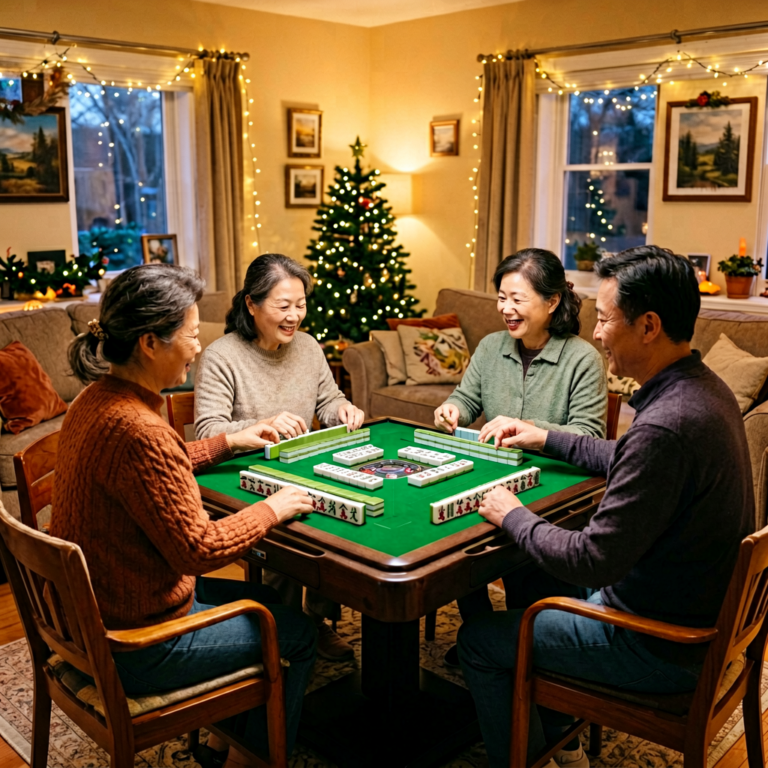
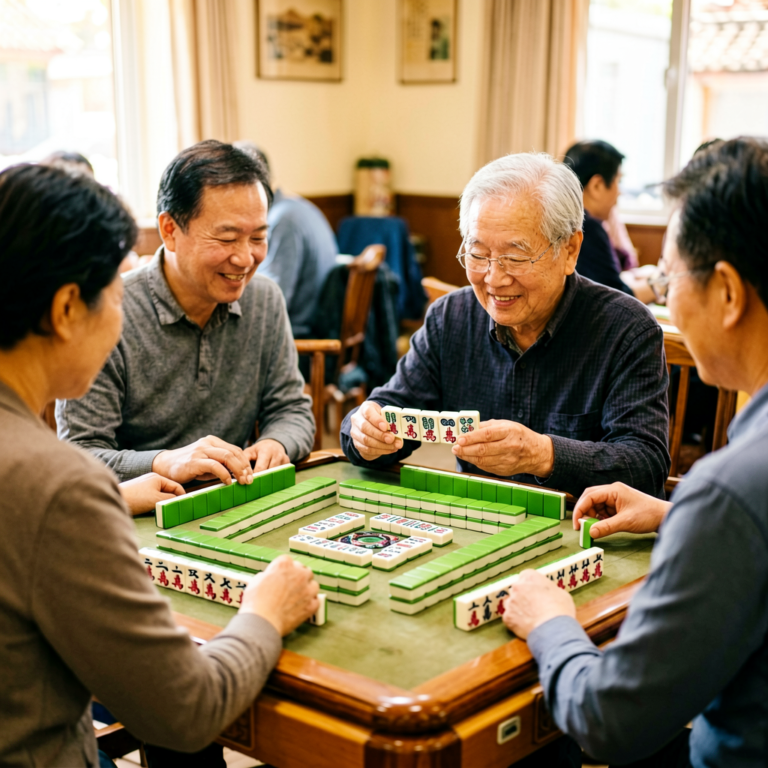
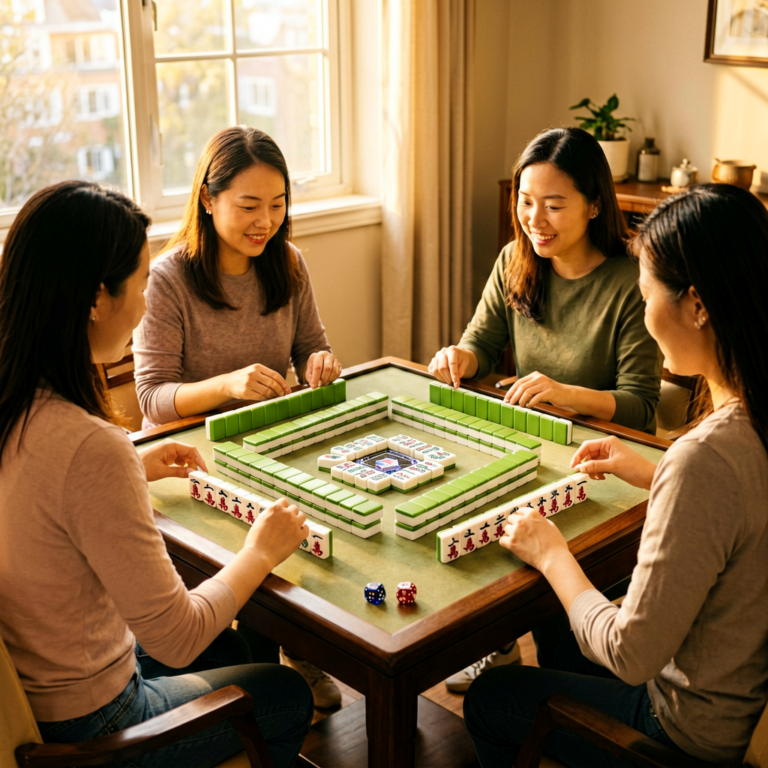
Here’s the thing nobody warns you about: “American mahjong” isn’t a single game with one official rulebook. It’s a family of games that share a tile set, a table ritual, and a love of the annual card. The rules underneath can shift a lot depending on who’s dealing. So before you get blindsided at your third game, let’s walk through the main versions people actually play in the United States.
The part everybody shares
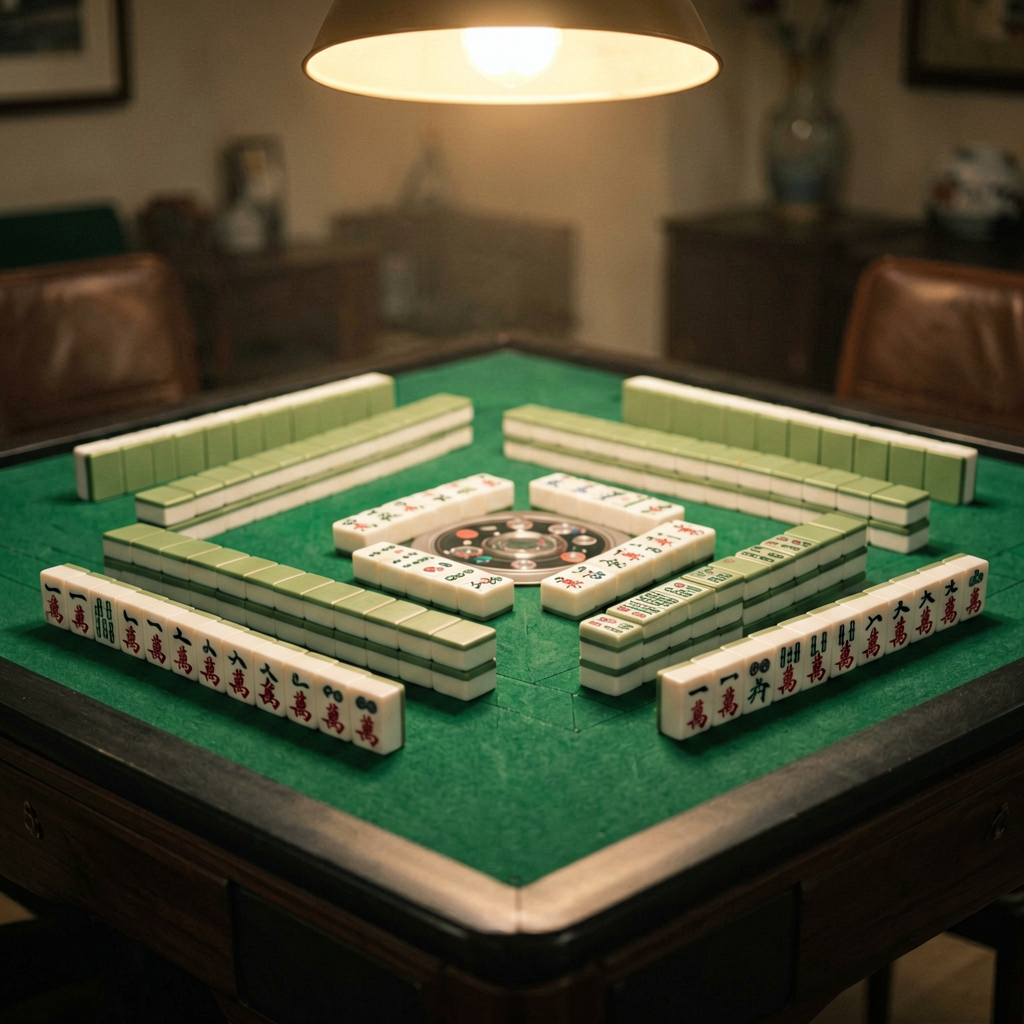
No matter which rulebook is in play, a few things stay constant. You still build a hand from 152 tiles. You still do the Charleston. You still call pungs and kongs and chase a pattern printed on a card. That shared skeleton is why a player from New York can sit down in Arizona and mostly follow along. The differences show up in the details, not the bones.
Think of it like barbecue. Everybody agrees it involves fire and meat. The sauces, the woods, the cuts, the arguments at the cookout? Those are local.
NMJL: the card most of us mean
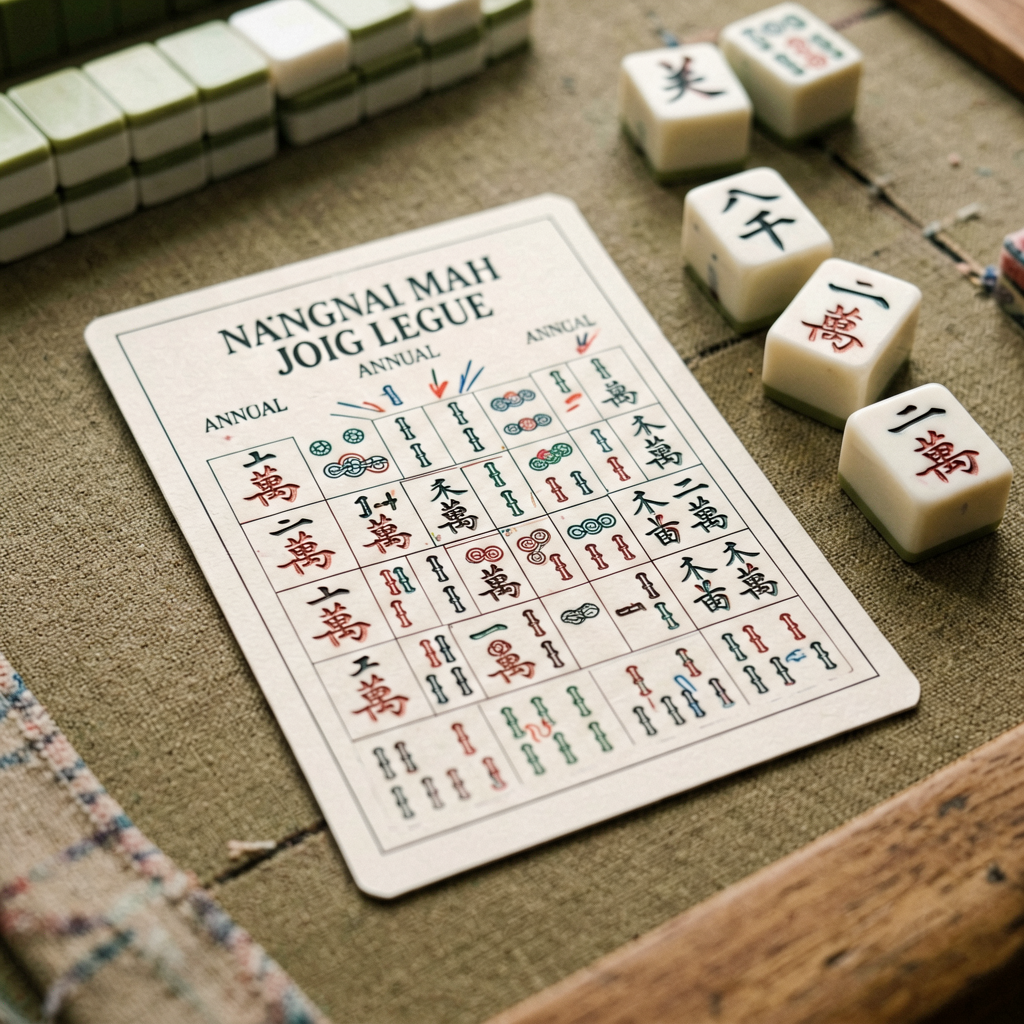
When someone in the U.S. says they play American mahjong, nine times out of ten they mean the National Mah Jongg League version. The NMJL publishes a new card every year, and that card is the whole game. It lists combinations – runs, pungs, singles, and those weird “2468” or “13579” groups – in colored sections. Each year the hands change, which is part of the fun and part of the panic for newcomers.
The NMJL card leans on jokers as wild tiles, allows the Charleston with its optional passes, and scores most winning hands at 25 points or more. It’s social, it’s flexible, and it’s the version you’ll find at most casual tables, community centers, and family game nights. If you only learn one rulebook, learn this one.
Wright-Patterson: the spreadsheet version
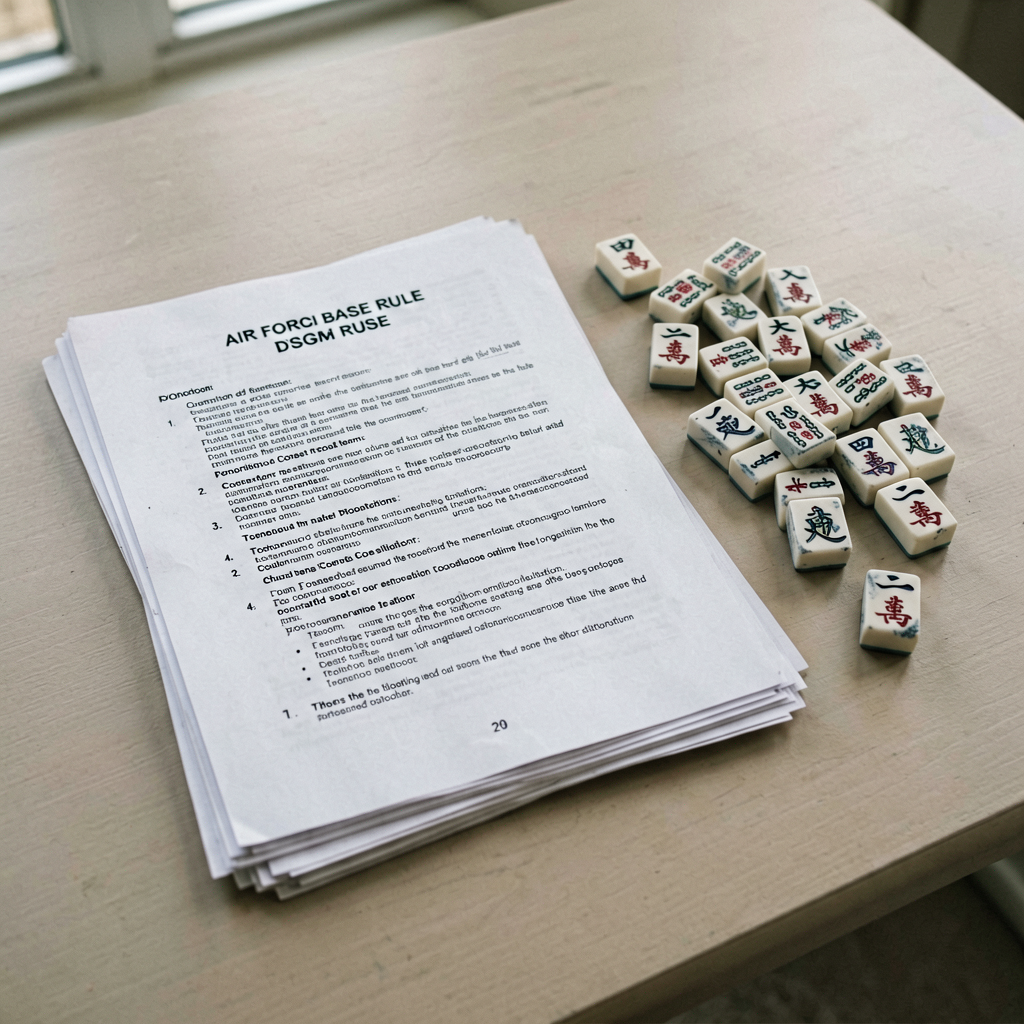
Now for the one that surprises people. Wright-Patterson rules, also called Air Force rules, grew out of the Wright-Patterson Air Force Base community. Where the NMJL card reinvents itself every year with brand-new hands, Wright-Patterson uses a fixed, printed set of combinations that doesn’t change annually. Players keep reference sheets instead of a fresh card.
The feel is a little more rigid and a lot more consistent. Fewer “what does this new symbol mean” moments, more “here’s the exact list, memorize it.” Some players love that stability. Others miss the yearly shake-up that keeps NMJL feeling fresh. Neither is wrong. They’re just different flavors of the same bones.
The smaller flavors
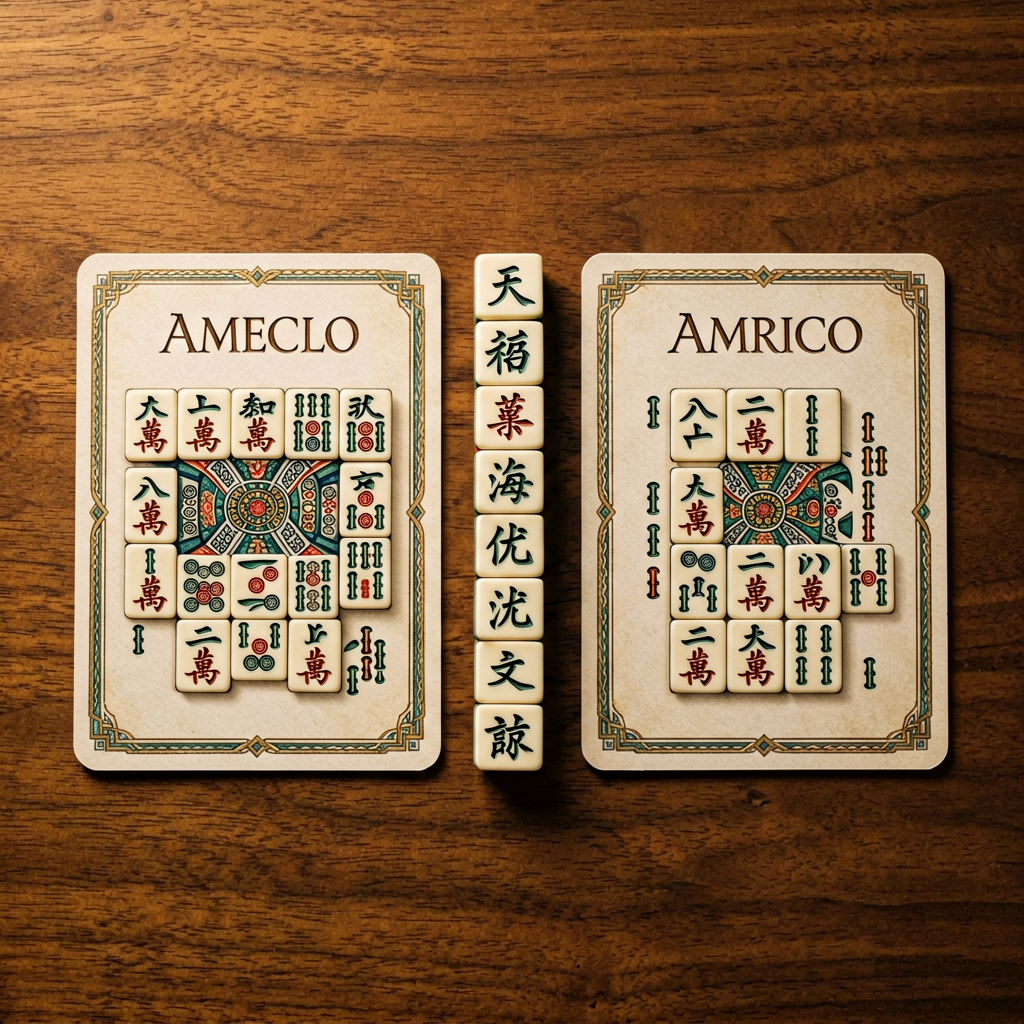
Those are the two big ones, but they aren’t the only ones. You’ll run into Bahamas rules (popular on cruise ships and in some Florida circles, with their own card and a few scoring twists), and a scattering of house or regional variants that a particular club has quietly run for decades. Most of these stay close to the NMJL skeleton and just tweak which hands count, how jokers behave, or what the minimum score is.
The practical takeaway: if you’re joining a new group, ask which card or sheet they use before you sit down. Five minutes of asking saves an hour of confused discards.
What actually changes when you switch
So what really moves between these rulebooks? Three things matter most.
First, the hands themselves. The NMJL card changes every year, so the exact combinations you’re chasing this season won’t be the same next season. Wright-Patterson and the smaller variants keep a steadier list, so you can learn it once and lean on memory.
Second, jokers. Almost every American version treats jokers as wild, but how many you can stack, whether they count in certain hands, and what happens on a replacement draw can shift. A hand that’s legal under one rulebook might be a dud under another.
Third, scoring minimums and bonuses. The 25-point floor is common, but not universal, and some variants hand out extra points for things like using all winds or completing a hand on a self-draw. Know the floor before you celebrate.
How to figure out which one you’re playing
It’s easier than it sounds. Ask the host for the card or the sheet, and glance at three spots: does it have a year printed on it (NMJL), is it a plain typed reference list (Wright-Patterson or a club variant), or is it a colorful cruise-style card (Bahamas or similar)? That single look tells you most of what you need.
And if nobody’s sure? Default to NMJL. It’s the most common, the most documented online, and the one most teaching materials assume. You can always adapt once you see the actual card on the table.
Why this matters for your tiles
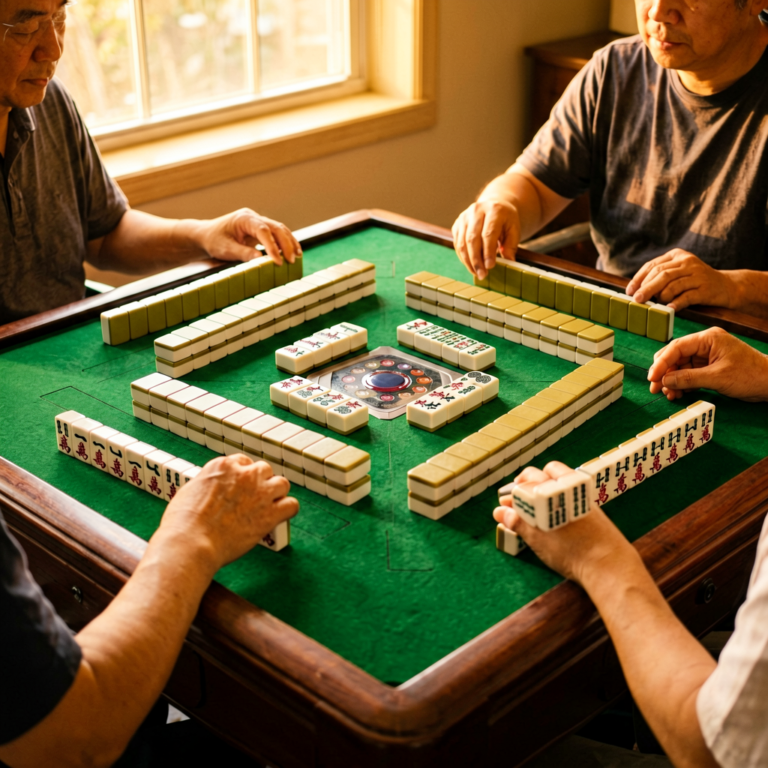
Here’s the part that touches the gear. All of these rulebooks use the same 152-tile American set, but the card you play from changes how often you’re reading tiny markings, comparing hands at a glance, and calling combinations across a noisy table. Clear, deep, consistent engraving stops being a luxury and becomes the thing that keeps you from misreading your own card mid-Charleston.
Whatever rulebook ends up in front of you, the game underneath is the same warm, social, slightly chaotic ritual that’s kept American mahjong alive for a century. Learn one set well, stay flexible when you visit a new table, and you’ll never be the person squinting at a card nobody else is using.