
American Mahjong Myths: What Most People Get Wrong Before They Ever Play
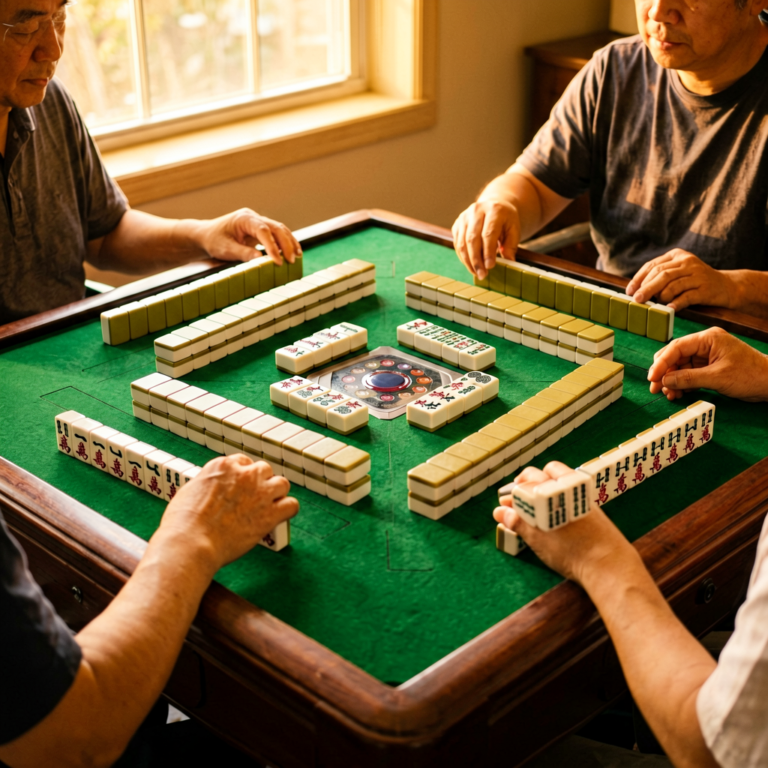
Most people hear “American mahjong” and fill in the blanks with something they already know. Usually it is the Chinese game they saw once, or a vague idea that it is a grandmother’s hobby. Almost none of it matches what the game really is. Here are the myths that stop people from trying it, and what you actually find at the table.
Myth 1: It is just Chinese mahjong with English tiles
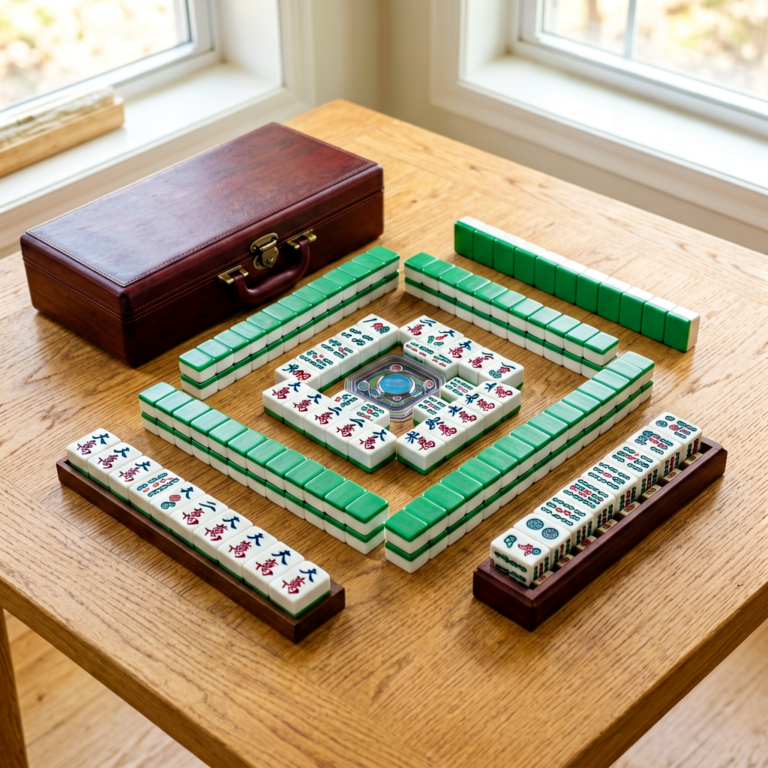
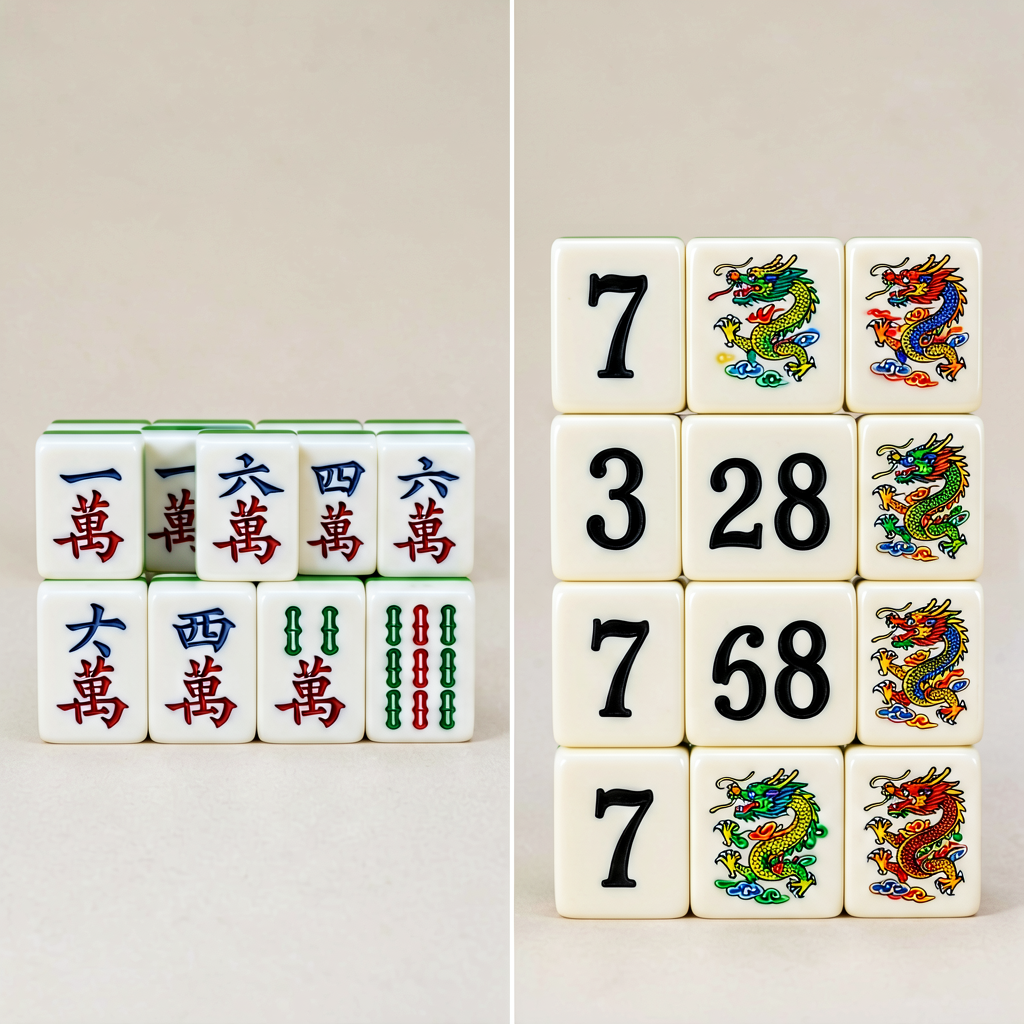
This is the big one, and it is wrong. The tiles do carry Arabic numerals, which helps. But the game underneath is a different animal. American mahjong is built around a card that lists hundreds of named hands, and you win by matching one of those hands, not by the standard melds every other version uses.
So the numerals are the easy part. The real difference is the card. Two players can both “know mahjong” and still be playing completely different games if one is Chinese-style and the other is American. Think of them as cousins who share a name, not the same person with a translation.
Myth 2: You have to memorize hundreds of hands first
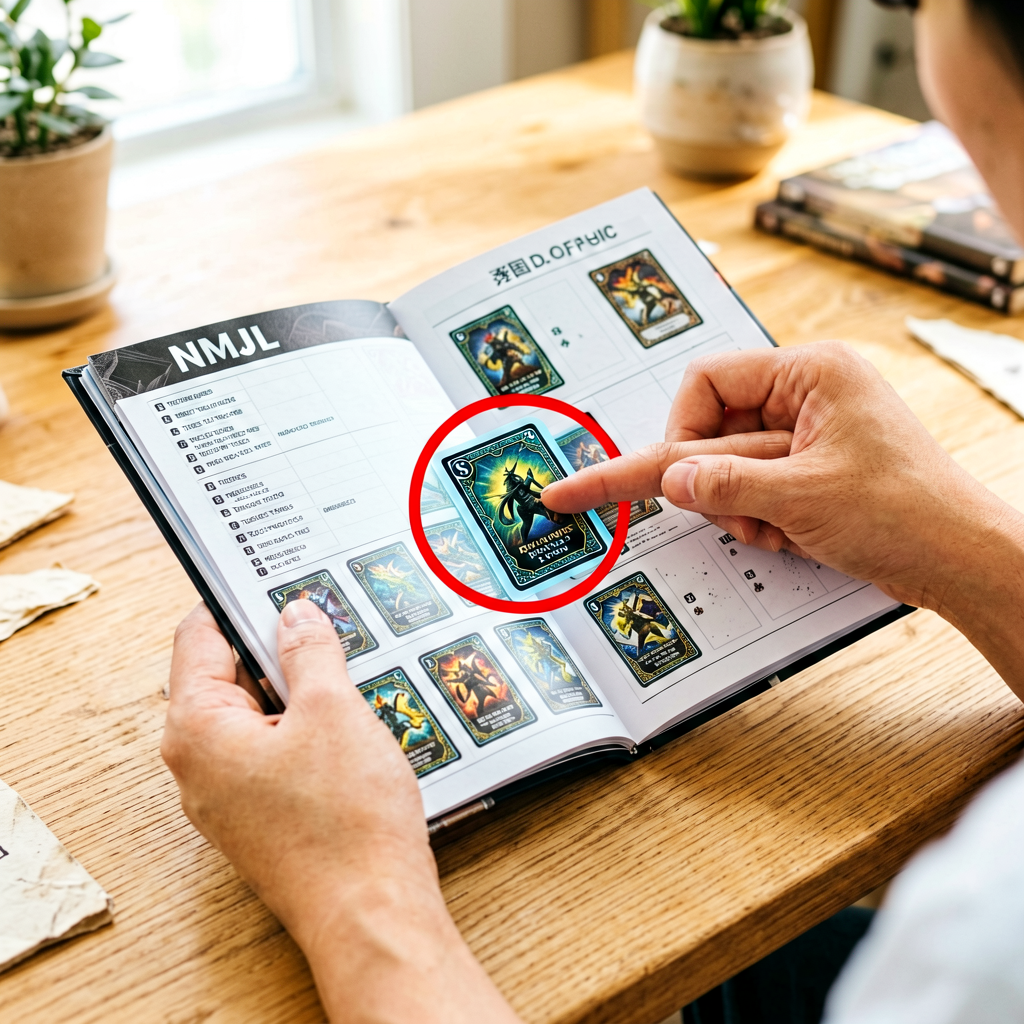
The card does list a lot of hands. That looks terrifying in a photo. But nobody memorizes the whole thing before playing. You learn the card the way you learn a menu: a few favorites first, then more over time.
In a real game most players keep the card open in front of them and check it as they go. Beginners lean on the simpler sections, the ones with clear patterns, and ignore the rest until they are ready. You do not need to know every hand to win one. You need to know the one you are building.
Myth 3: The jokers are free wildcards you can drop anywhere
American mahjong is the only major version with a wild tile, and yes, that sounds like a free pass. It is not. The joker follows the same card rules as everything else. A hand that calls for three ones can use a joker in that group, but a hand that says “no jokers” means exactly that.
Players who treat jokers as a get-out-of-jail tile lose them fast. The smart move is to plan where a joker earns its place, not to sprinkle them hoping something works. They are powerful, but they are not a substitute for reading the card.
Myth 4: It is a gambling game
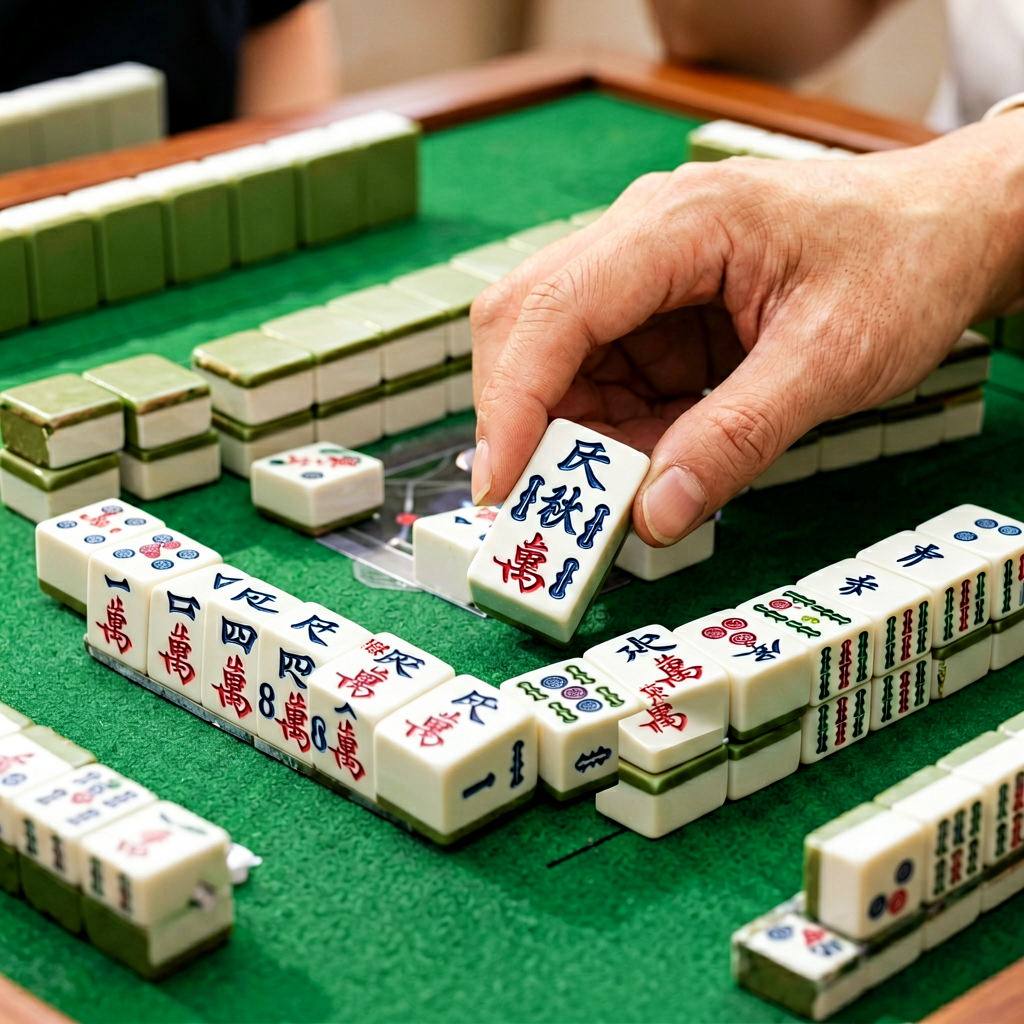
Some mahjong cultures do play for money. American mahjong mostly does not. The standard game is played for points on the card, for a small pot among friends, or for nothing but the win. Walk into almost any club or community group and you will find people keeping score with pennies or not at all.
If you want to play for stakes, you can find those tables. But the default experience is a social game, not a casino. Most newcomers are relieved to learn the pressure is lower than they feared.
Myth 5: It is only for grandmothers
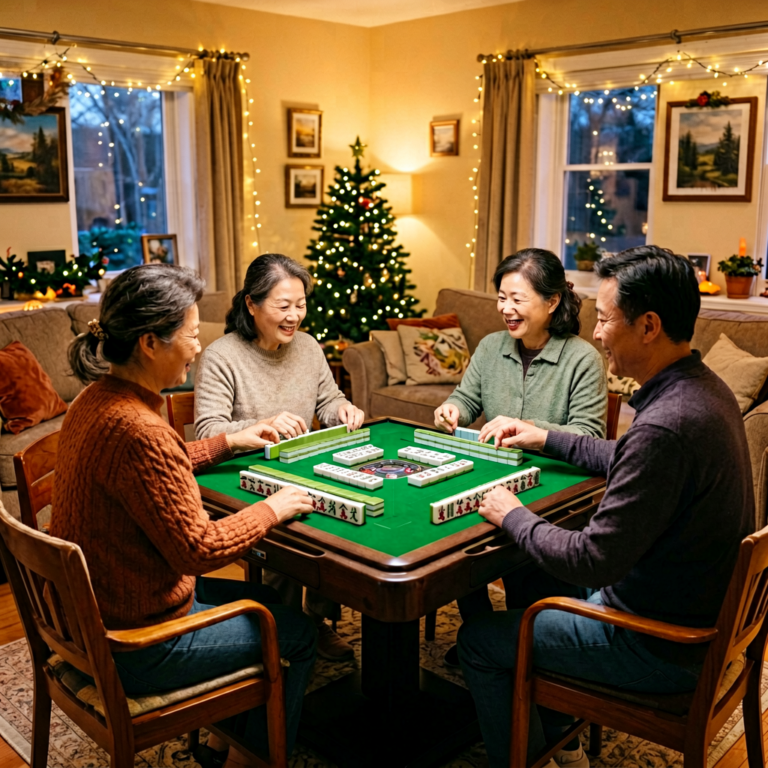
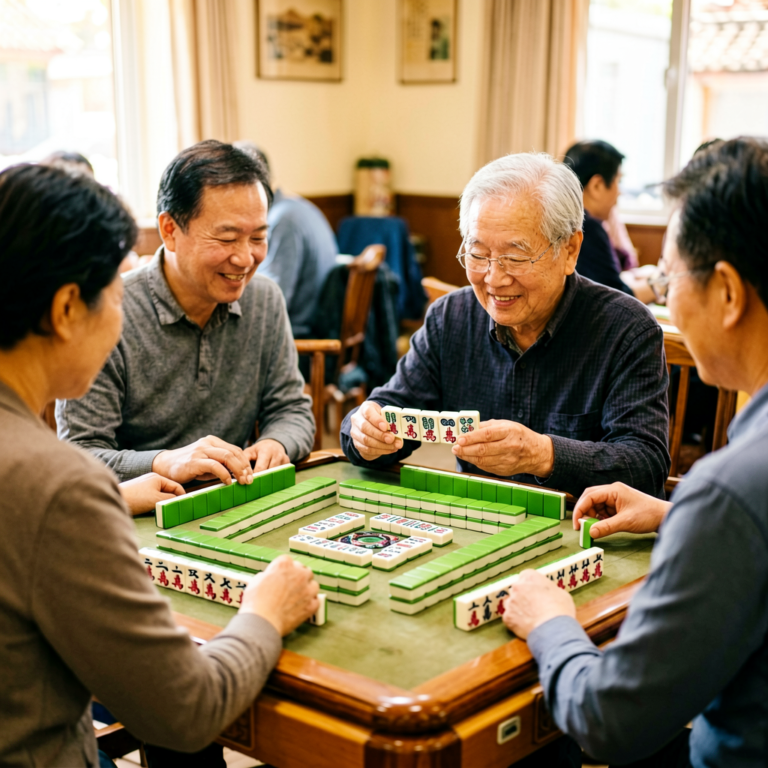
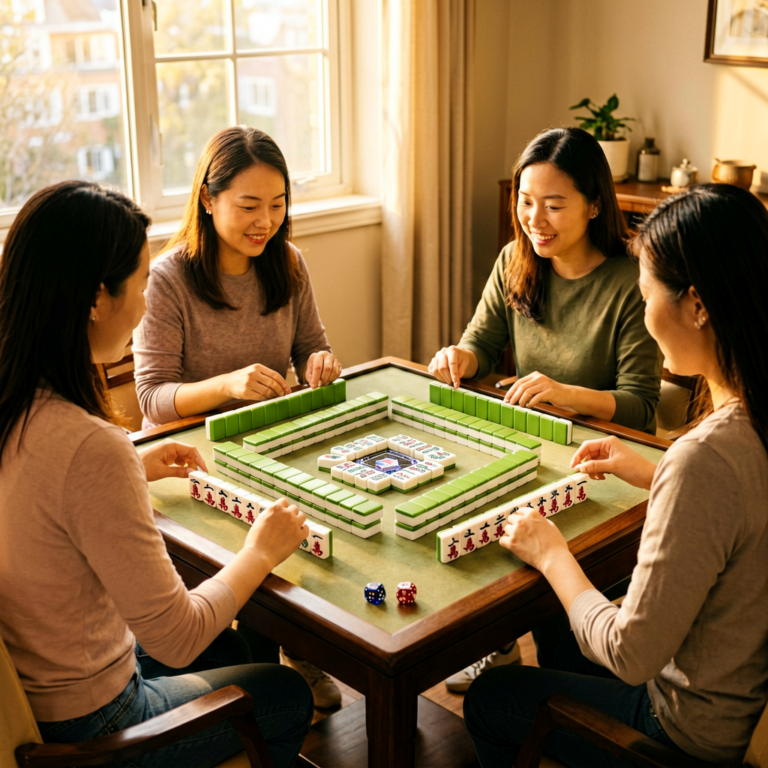
The game has deep roots in women’s communities, and that history is worth respecting. But the table today is not one generation. Young adults pick it up for the same reason anyone does: it is social, it is strategic, and it is tactile in a way screens are not.
Look at a modern club and you will see college students, parents, and retirees at the same table. The “only grandmothers” story was true a generation ago. It simply is not the whole picture now, and it has not been for a while.
Myth 6: You need someone to teach you in person
This one holds people back more than any other. The truth is you can learn the bones of the game in an afternoon from a video or a written guide, then get good by playing. The Charleston, the card, the passing, none of it is secret knowledge.
A teacher helps, sure. So does a friend who already plays. But waiting for the perfect mentor is just an excuse. Open the card, deal a few hands against yourself, and the shape of the game shows up faster than you expect.
What is actually true
Strip the myths away and American mahjong is a friendly, pattern-based game with a card instead of a fixed rulebook, jokers that follow the card, and a table that is open to anyone who sits down. It is not Chinese mahjong with a translation. It is not a memory test. It is not a casino, and it is not a retired-only club.
The fastest way past every wrong idea is one real game. The myths melt the moment you sort your first rack. Bring a little patience, keep the card in front of you, and the rest is just playing.