American Mahjong Hand Types, Explained: Pungs, Kongs, Quints, and the Rest
A lot of new players open the NMJL card, see a wall of columns and numbers, and assume the hard part is memorizing it. It is not. The hard part is smaller and friendlier than that. Every hand on the card is built from the same few pieces. Learn what those pieces are, and the card stops being a mystery and starts being a menu.
So before you chase any named hand, learn the building blocks. There are only a handful, and you have already seen most of them if you have touched any other tile game.
The pung: three of a kind
This is the easiest piece to recognize. A pung is three tiles that are exactly the same: three red fives, three north winds, three of anything that matches. When you sort your rack and see a triplet sitting there, that is a pung, already done.
Pungs show up in almost every hand on the card. They are the bread and butter. If your rack has two of something early, you are quietly hoping a third shows up, because that third tile is a pung waiting to happen. It is the most common way a hand takes shape.
The kong: four of a kind
A kong is just a pung with one more. Four identical tiles. It is less common than a pung because you need one extra copy, but it carries more weight on the card. Several hands ask for a kong specifically, and some hands are worth more because they include one.
Here is the thing beginners miss: a kong is not always a gift. If the card hand you are building does not call for four of a kind, those four matched tiles can actually box you in. Read the hand you want before you celebrate the kong.
The quint: five of a kind, and yes, it is American-only
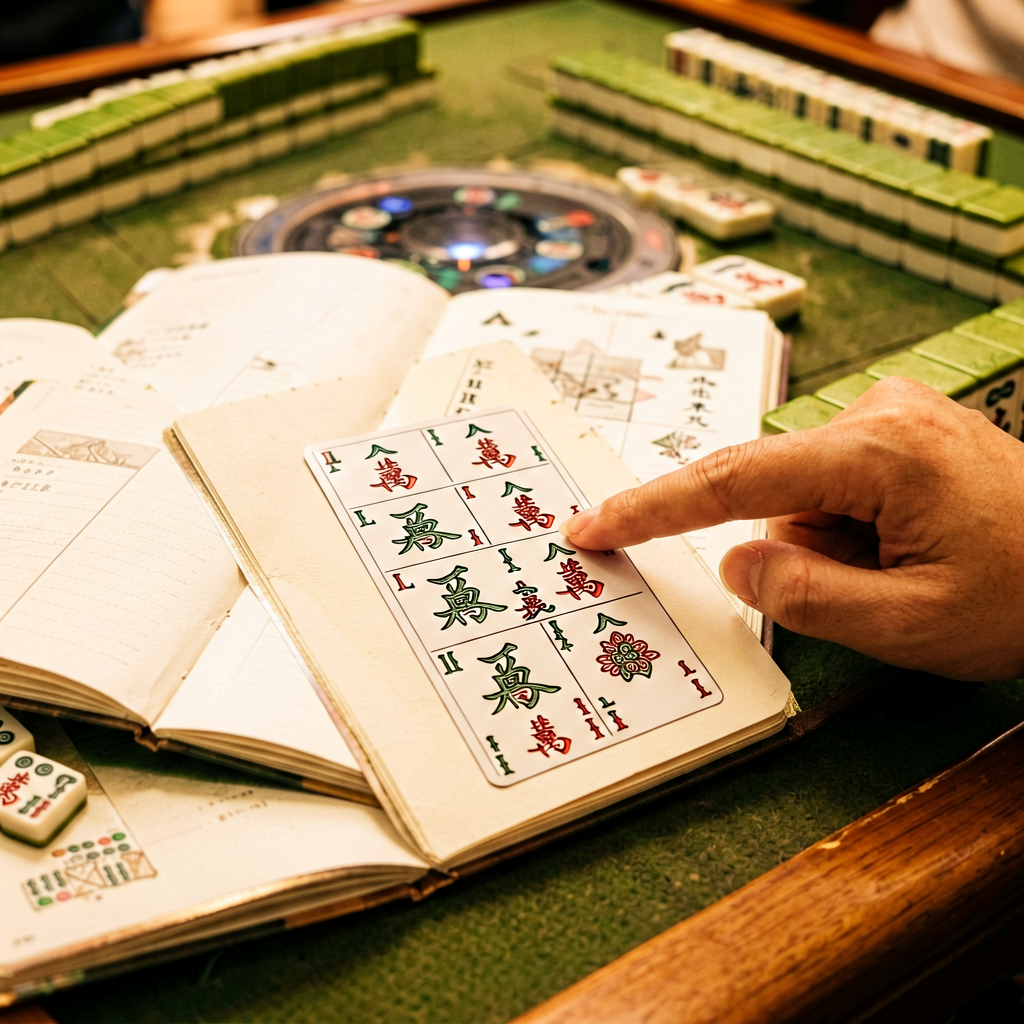
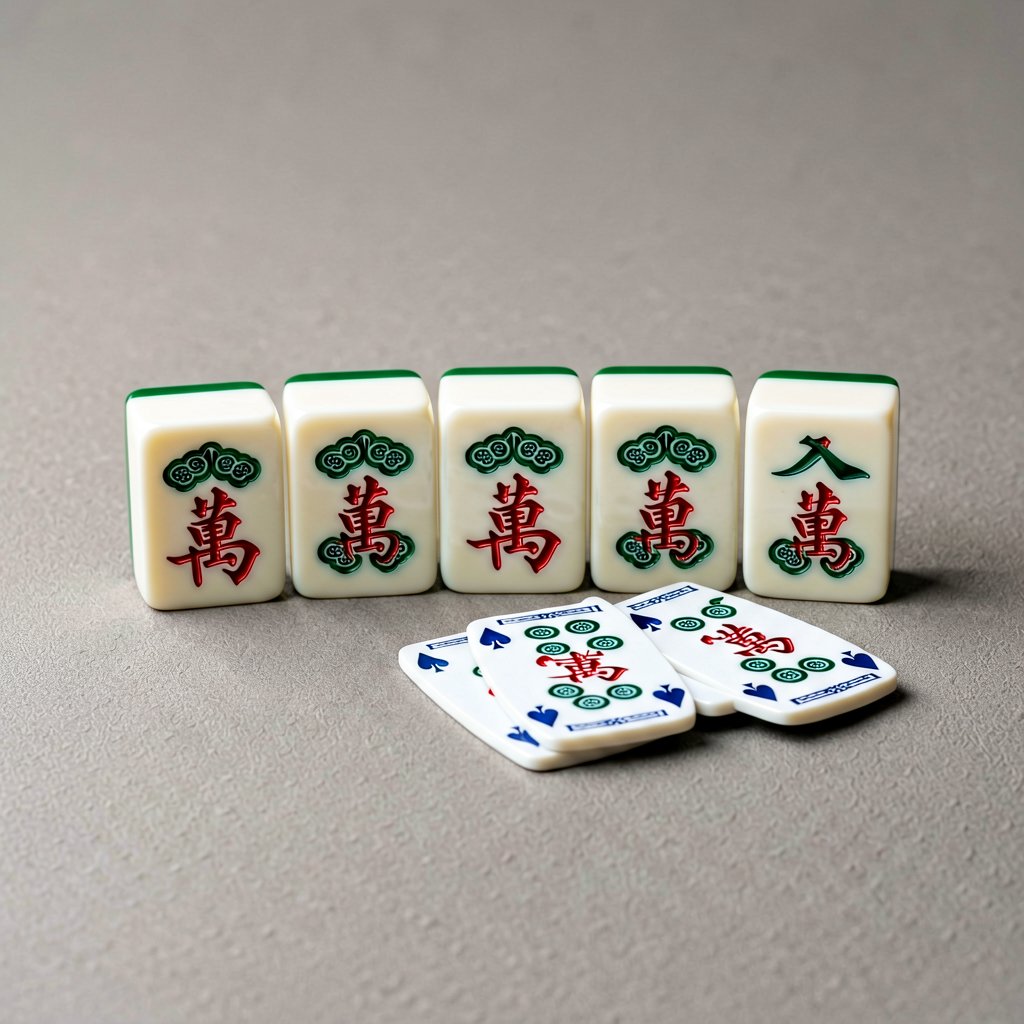
This is the piece that does not exist in Chinese or Japanese mahjong. A quint is five identical tiles, and because a normal suit only has four of each, you almost always build a quint with jokers standing in for the missing copies. Three real fives plus two jokers is a legal quint.
Quints are where the joker earns its keep. A hand that calls for a quint is, in practice, a hand that calls for jokers in a specific spot. If you are sitting on jokers and the card shows a quint hand, that is often the moment those wild tiles become the most valuable thing in your rack.
Runs and sequences: numbers in a row
Not every piece is a group of matches. Many hands want numbers in order: one-two-three, or four-five-six. These are runs, and they work the way you would expect. Consecutive tiles of the same suit, lined up.
The card marks these with patterns like 123 or 456, and it will tell you exactly which suit and which direction. A run is the other half of your toolkit next to the groups. Most hands are some mix of matched groups and ordered runs, stitched together until the whole thing matches one line on the card.
Any like, and the oddballs
You will also see hands tagged “any like” or “2468” or “13579.” Those are just patterns spelled out for you: same number across different suits, or only the even numbers, or only the odd ones. There is no secret mechanic. The card is describing the shape it wants, and your job is to build that shape from the pieces above.
Flowers and jokers have their own lines too. Some hands want specific flowers. Some want zero jokers. The card is blunt about it once you know how to read the shorthand, and the shorthand is always built from the same small vocabulary.
How to read your own rack
After a Charleston, do not stare at the card first. Stare at your rack. Count your groups. Count your near-groups, the tiles where you already hold two and need one more. Notice any run you could extend. That quick inventory tells you which columns of the card are even worth your time.
A rack with three pairs and a run is not every hand, but it is a handful of hands. A rack with two jokers and a couple of triplets is pointing at quint lines. You are not choosing from all hundred hands. You are choosing from the few your tiles already halfway built, and that is a much smaller, much calmer list.
Why this matters more than the card
The card changes every year. The pieces do not. Pungs, kongs, quints, and runs are the same game underneath every edition, and once they are second nature, a new card is just a new set of recipes using ingredients you already know.
So the next time you sit down, do not try to learn the card. Learn the blocks. Build a pung, spot a run, save your jokers for a quint, and let the card tell you which combination wins. The game gets quiet and mechanical in the best way, and the wins start showing up.