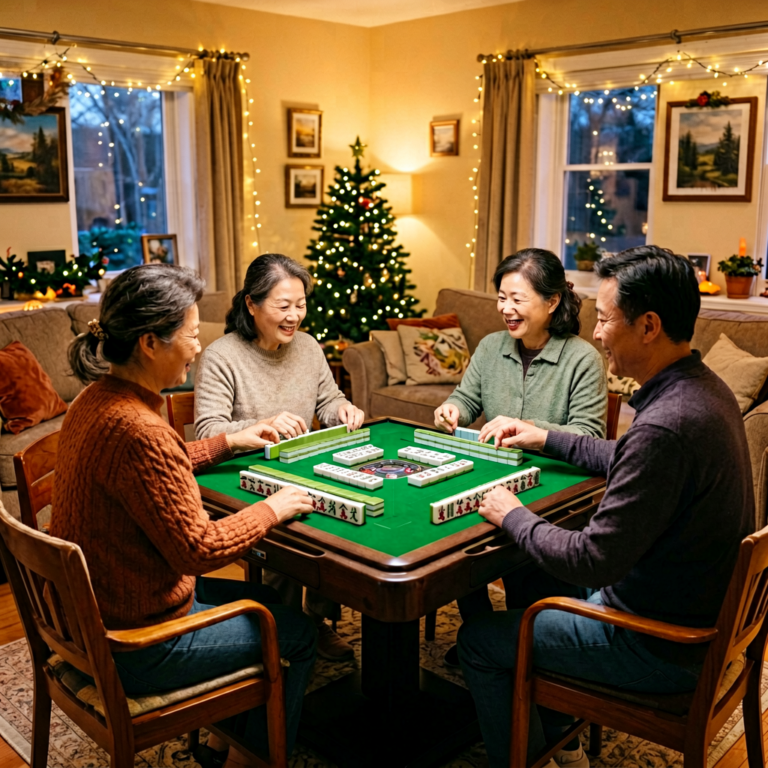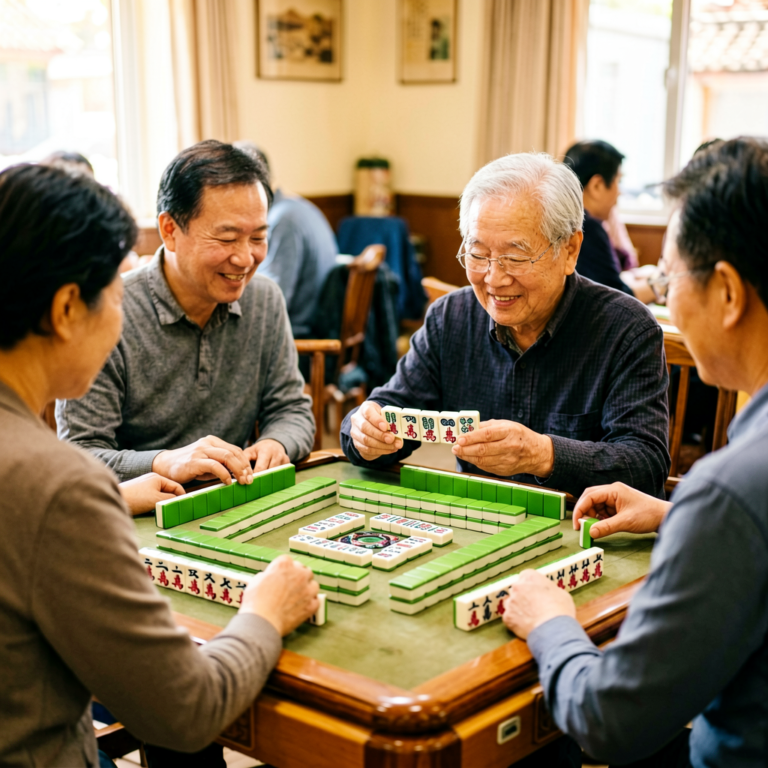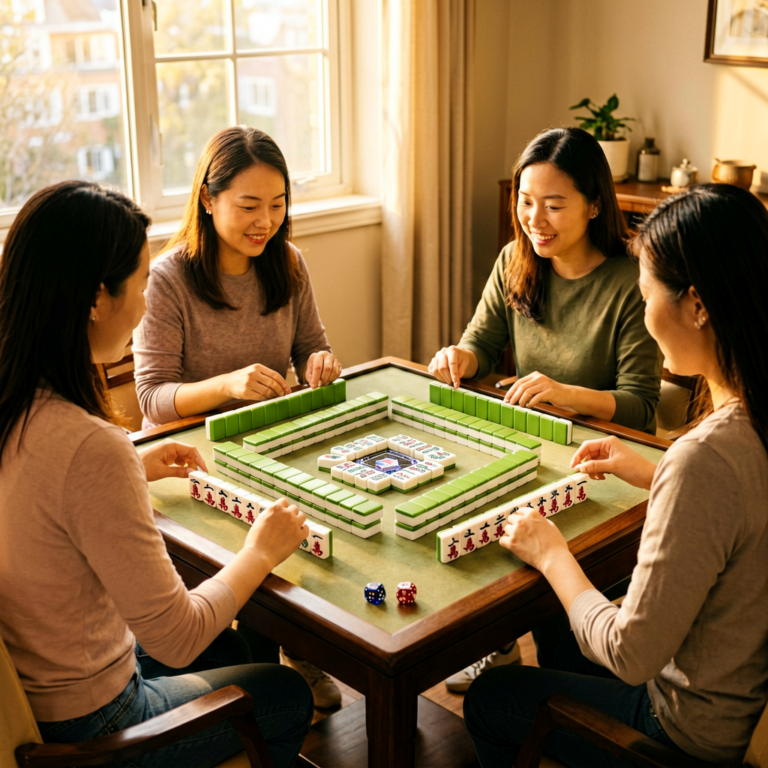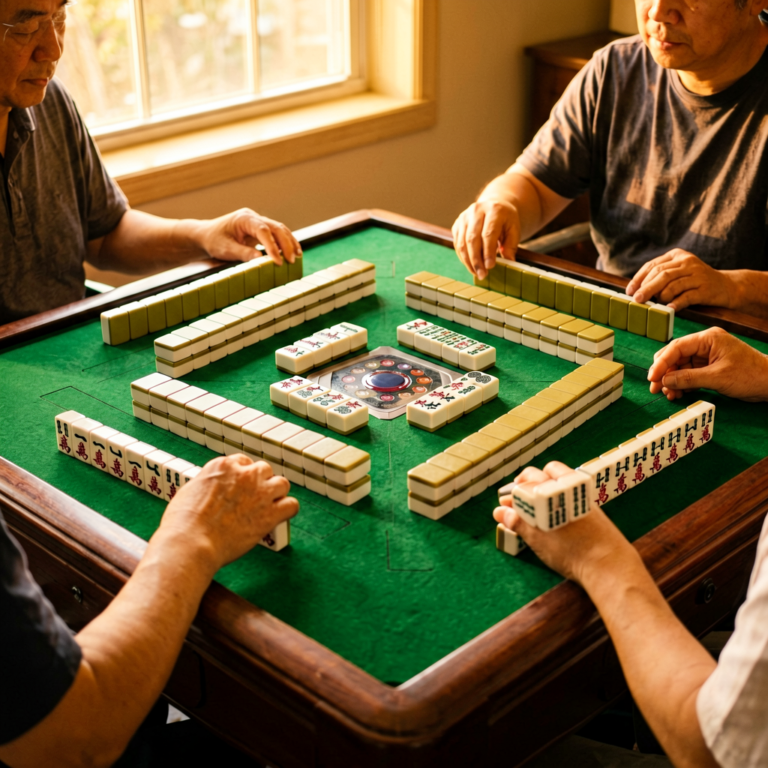
House Rules in American Mahjong: The Table Variations Nobody Writes Down
You can learn the card, memorize the Charleston, and still sit down at a new table and get quietly corrected within five minutes. Not because you were wrong, but because that table does something a little differently than the one you learned on. Welcome to house rules, the layer of American mahjong that nobody prints in a booklet and everybody assumes you already know.
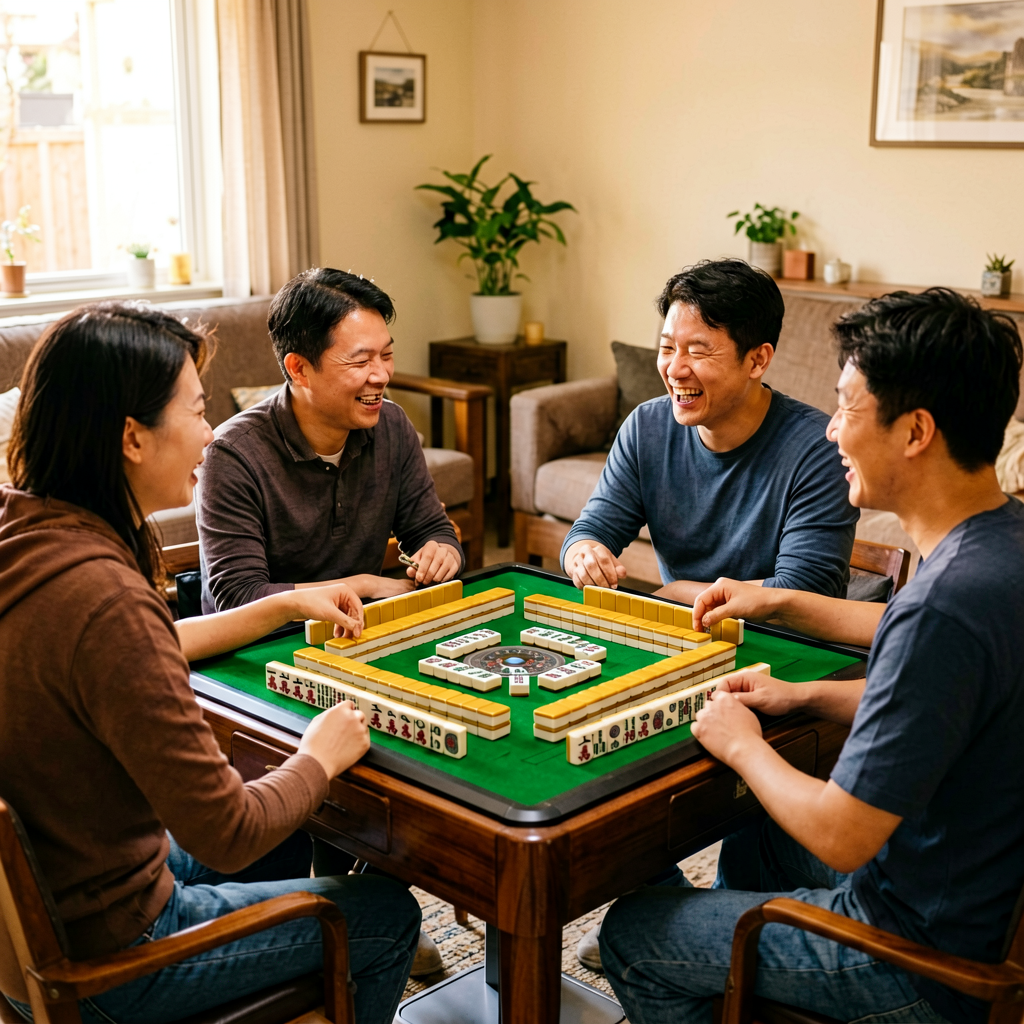
House rules are not cheating and they are not sloppy play. They are what happens when a group plays together for years and settles small questions their own way. The problems only start when four people show up with four different sets of assumptions.
Why house rules exist at all
The official card tells you which hands win. It does not tell you what to do when someone knocks a tile off the rack, or whether a player who called a discard too early has to eat the penalty, or how much money goes into the pot. Those gaps get filled locally.
Most house rules trace back to one of three things: keeping a game moving, keeping it fair to slower players, or keeping it fun for whoever keeps hosting. A rule that seems arbitrary usually started as a fix for something annoying that kept happening.
The house rules you will run into most
Some variations are so common that you should just expect to ask about them.
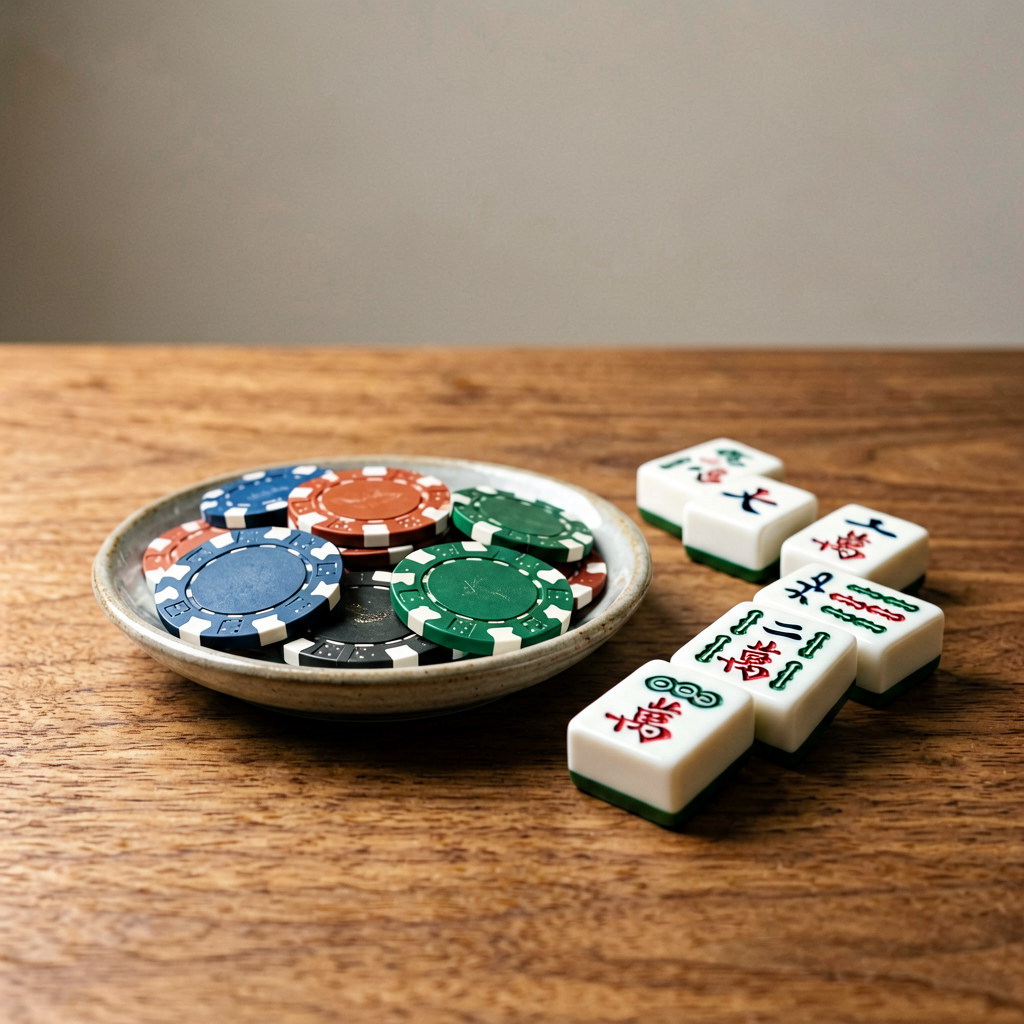
The kitty or the pot. Plenty of groups play for small stakes, and how the money moves is almost never standardized. Some tables put a fixed amount in per hand and the winner takes it. Some pay based on the value of the hand. Some run a separate kitty that only pays out on a self-drawn win or a hand off the concealed column. None of that is on the card.
Jokers and swapping. The rules for exchanging a joker on an exposure are official, but tables differ on the edges: whether you can swap from a joker you exposed yourself, how quickly you have to claim it, and whether a mistaken swap gets reversed or stands. Some casual groups skip joker exchange completely because it slows new players down.
Penalties for a dead hand. If someone exposes tiles that cannot legally make any hand on the card, that hand is dead. What happens next varies a lot. Strict tables have the player sit out the rest of the hand. Friendly tables let them keep playing without the option to win. Tournament tables assess points. Same situation, three different outcomes.
Calling a discard. The window for claiming a discarded tile is technically the moment before the next player draws, but in practice tables interpret it differently, from generous to ruthless. Ask early, because this one causes more friction than anything else.
The softer variations that still change the game
Beyond the big four, smaller habits shape how a table feels.
Some groups allow a courtesy pass in the Charleston where nobody gets stuck passing tiles they need. Some allow a blind pass at the end and some insist on the full pass. Some let a beginner ask for help mid-hand, and some treat coaching as taboo once play starts.
Then there is pace. Certain tables are fine with a long pause while someone reads the card. Others expect you to keep up, and the pressure is real for a newer player. Neither is wrong, but they attract different people, and knowing which one you are sitting at matters more than any single rule.
How to sort this out without being awkward
The trick is to ask before you need to, not after something goes sideways. Right after the seating is settled and before the shuffle, one question does most of the work: are we playing anything differently from standard NMJL rules tonight?
Nine times out of ten somebody will immediately mention two or three quirks, and the rest of the table will nod along. That is your list. If you are hosting a mixed group, do it yourself and say it out loud so nobody has to be the person who asks.
If a disagreement comes up mid-hand anyway, resolve it the fast way rather than the correct way. Pick a call, finish the hand, and settle the debate afterward with the actual rulebook. A table that stops for ten minutes to litigate a technicality loses more than it gains, and the person who was right usually enjoys it less than they expected.
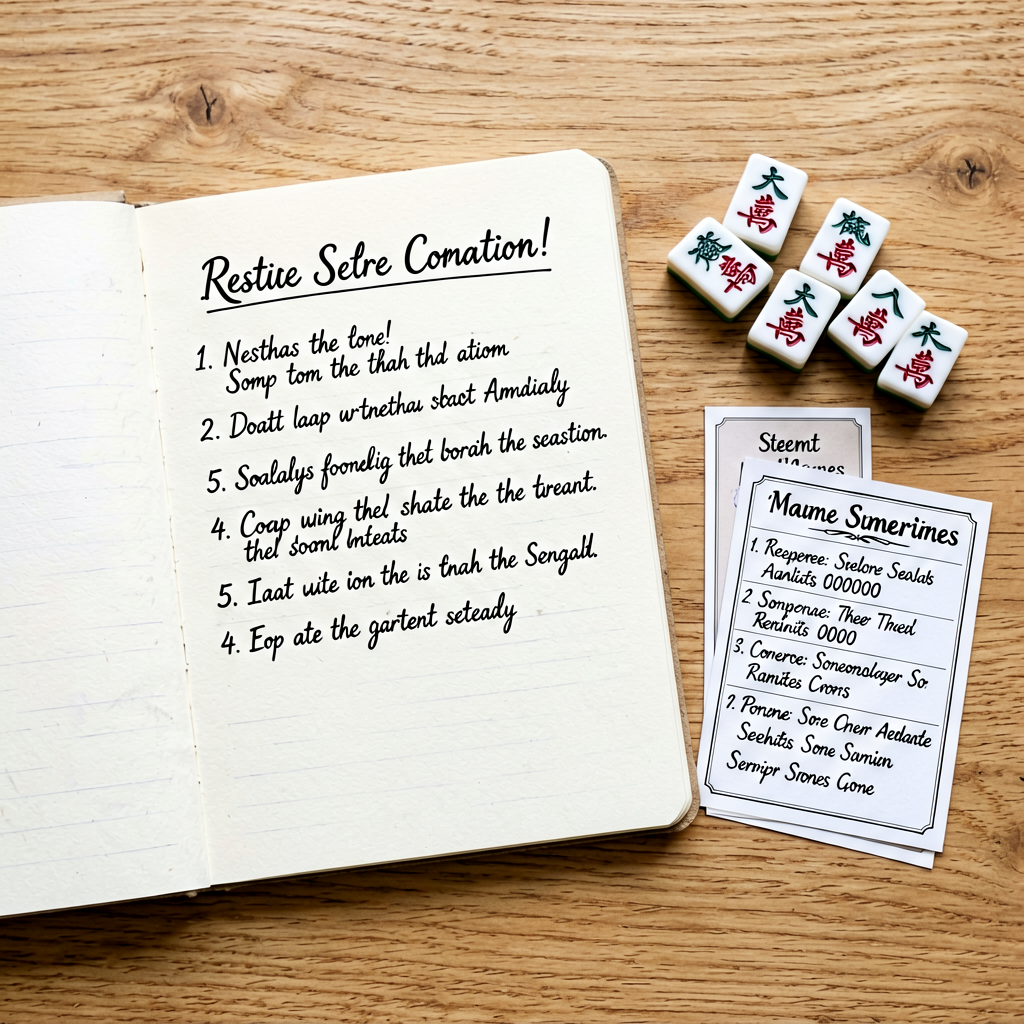
If you host, write them down once
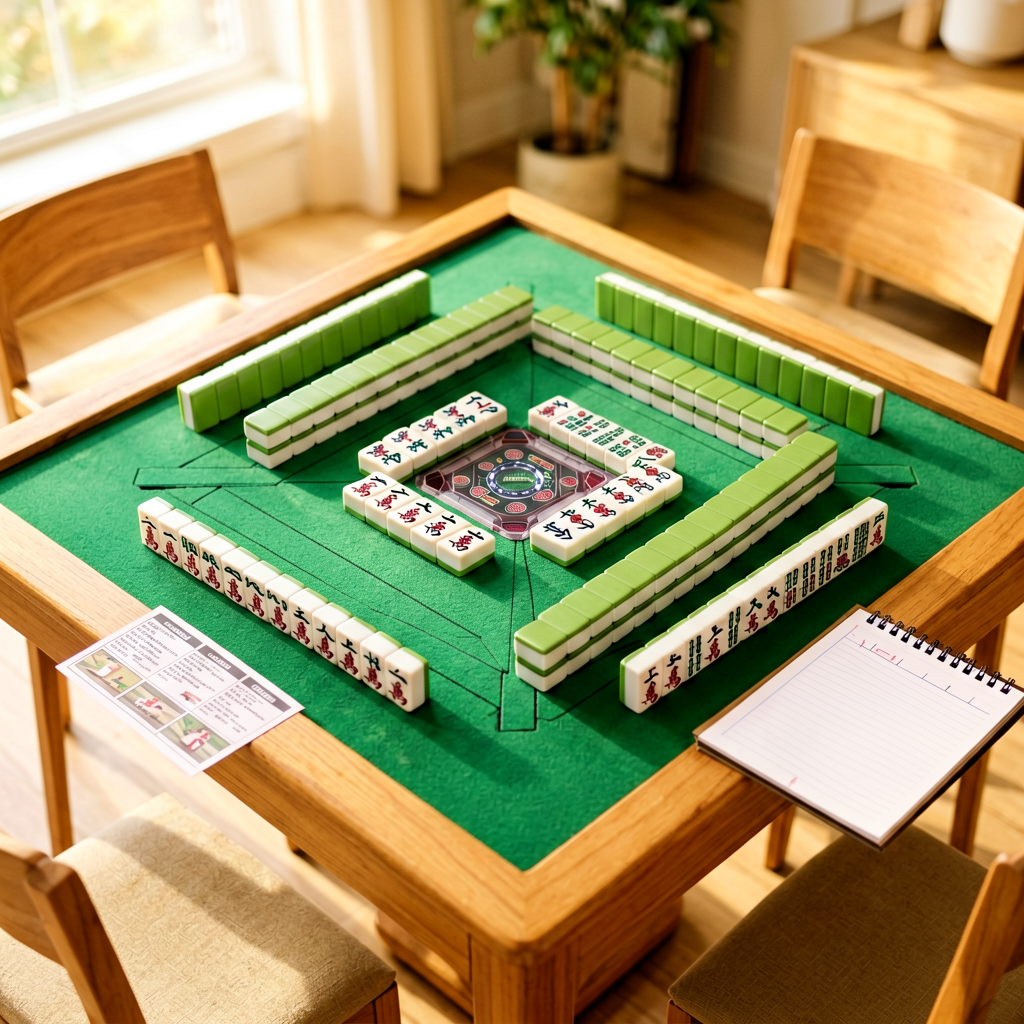
Groups that play weekly should keep a short list, five or six lines, tucked in the case with the card. Stakes, joker handling, dead hand policy, calling window, Charleston variations. That is it.
The payoff is not for the regulars, who already know. It is for the guest, the returning player, and the friend who is finally giving it a try. Handing someone a short list is a lot kinder than letting them discover the rules by breaking them.
One thing house rules should never do
They should not change what wins. The hands on the current National Mah Jongg League card are the hands, and a table that starts inventing its own winning combinations has drifted into a different game. Keep the variations to procedure, penalties, pace, and money. Leave the card alone.
Do that, and your house rules do what they were always meant to do: smooth out the friction so the actual game stays the same everywhere you go. Learn the card once, ask two questions at each new table, and you can sit down with strangers anywhere and be playing within a minute.