Luck vs. Skill in American Mahjong: How Much of the Game Is Actually in Your Hands?
Every newcomer asks the same question, usually after a hand they thought was dead suddenly lands a win, or a hand they built perfectly falls apart on the last draw. Is American mahjong luck or skill? People want a clean answer. The honest one is messier: it is both, and which one is running the show changes depending on who is sitting at the table.
You cannot remove the luck. You also cannot pretend the skill is not there. The interesting part is figuring out where one ends and the other begins, because that line is exactly where you get better.
Where luck actually shows up
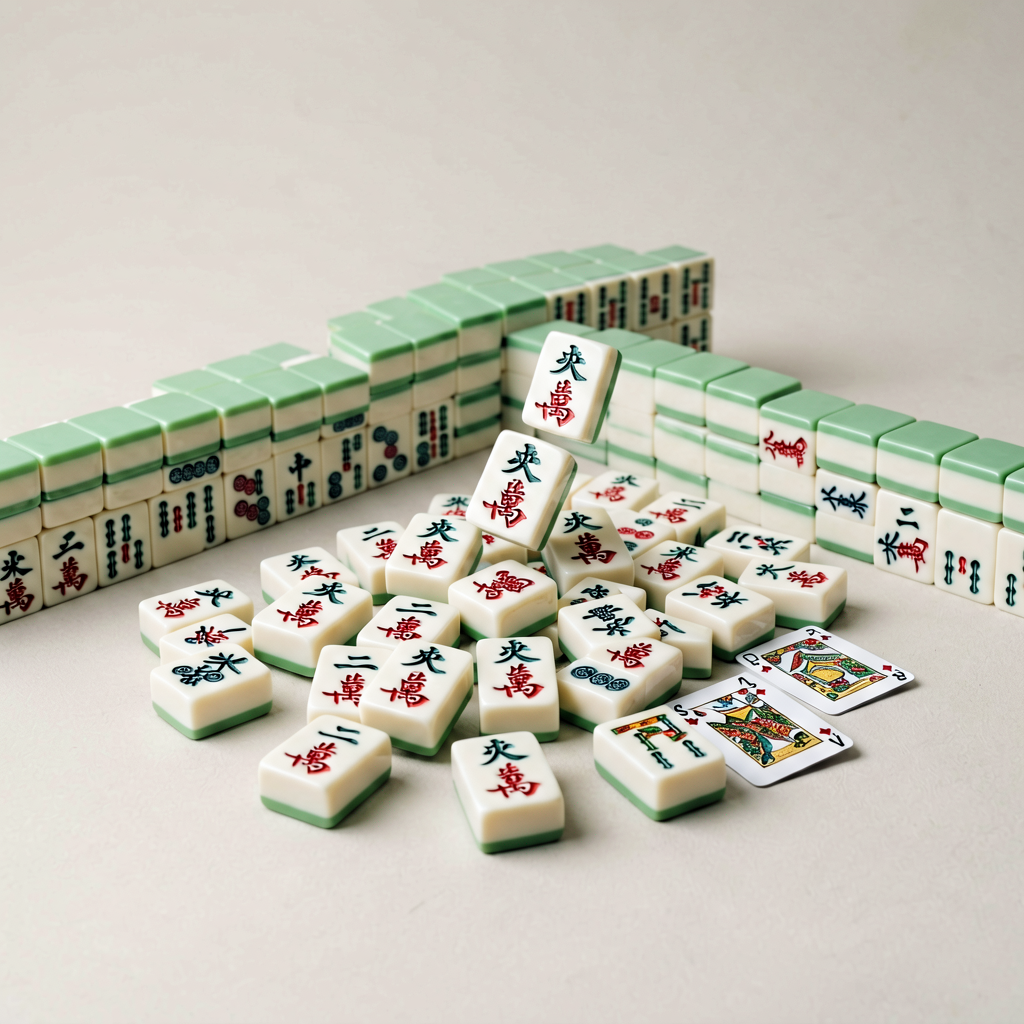
Some of the game is decided before you make a single choice. The tiles you are dealt, the order they come off the wall, and the jokers that drift your way are all outside your hands. Even the Charleston, the part where you pass tiles around, only rearranges the luck you already had. It does not invent new tiles.
This is why a beginner can beat a veteran on any given afternoon. The wall does not know who studied the card. A run of good draws will carry a brand-new player further than bad draws will sink a good one, at least for a few hands. That is the fun of it, and also the frustration.
Jokers deserve a mention here. They are the luckiest tiles in the box because they can stand in for almost anything. Drawing one early is a gift. Not drawing one is not your fault. Treat them as bonus, not expectation.
Where skill quietly takes over
Skill is everything you do after the tiles are in front of you. Reading the card well enough to pick a hand your tiles can actually reach is skill. Deciding what to pass in the Charleston is skill. Knowing when to abandon a hand that is not developing, instead of grinding toward a loss, is skill. Watching what other people discard and refusing to feed them is skill.
None of that changes the next tile off the wall. But it changes how many tiles off the wall actually matter. A player who reads the table well turns a random draw into a useful one far more often than someone playing on autopilot.
How the balance shifts as you improve
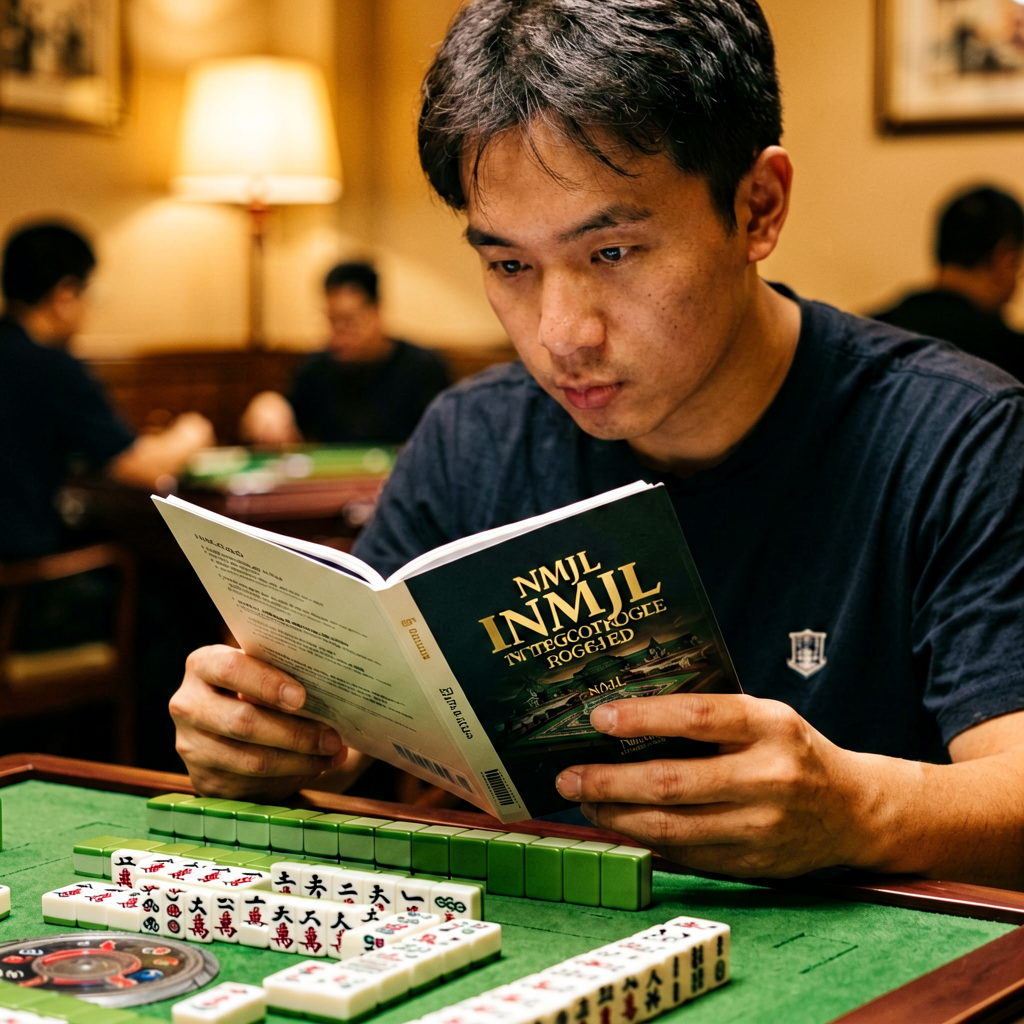
Here is the part people miss. American mahjong is more luck-driven for beginners and more skill-driven for experienced players, not because the game changes, but because you do.
When you are new, you waste draws. You chase hands your tiles cannot support. You pass the wrong tiles in the Charleston. You hold onto a plan that stopped making sense. A lot of your draws never had a chance to help you, so the game feels random, because a big chunk of it is.
As you learn, fewer draws get wasted. You spot a viable hand early. You keep your options open instead of committing too soon. You defend when you are behind. Now the same random wall is feeding a player who knows what to do with it, and the luck stops looking so dominant. The dice did not change. You did.
Why “it’s just luck” is a trap
You will hear players say the game is all luck after a bad beat. It feels true in the moment. It is also a comfortable story, because if it is all luck, then the loss was not on you.
But think about it this way. You cannot control the tile you draw. You can control how many draws it takes to matter. A tight, flexible player reaches a winning hand in fewer draws than a scattered one, which means fewer chances for a bad tile to show up and ruin the night. That is skill compressing the role of luck, hand after hand.
Practical ways to tip the scale
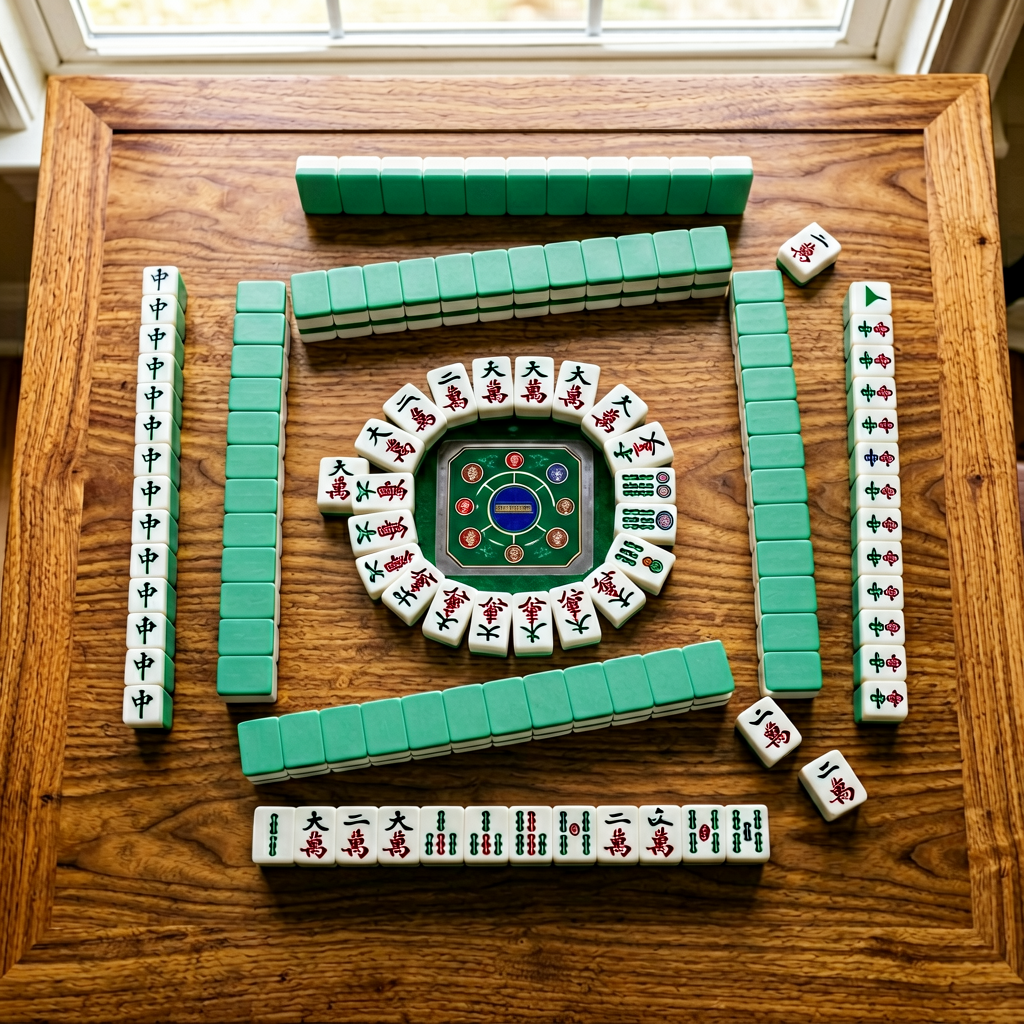
If you want more of the outcome to come from your head than from the wall, a few habits move the needle more than anything else.
Learn to read the card fast. The quicker you can scan a column and know whether your tiles fit, the sooner you commit to the right hand instead of three wrong ones.
Use the Charleston on purpose. Most players pass tiles they might need later because they have not picked a direction yet. Pick a direction first, then pass.
Track discards. You do not need a photographic memory. Just notice what is gone. If the tiles you need are already in other players’ hands, your odds dropped, and switching hands is the smart move, not the cowardly one.
Practice alone. Dealing yourself hands and racing to find the best line teaches recognition faster than any amount of hoping at the table.
A healthier way to think about it
The luck is what makes the game social and a little bit silly. Nobody wants a game where the better player wins every single time, because then the worse player stops showing up. The luck keeps the door open.
The skill is what keeps you coming back, because it means the work counts. You got better, and you can feel it. The wins that come from a good read or a well-timed switch feel earned in a way a pure coin flip never could.
So the next time someone asks if American mahjong is luck or skill, the right answer is to smile and say yes. Then go make the skill part bigger, one hand at a time.