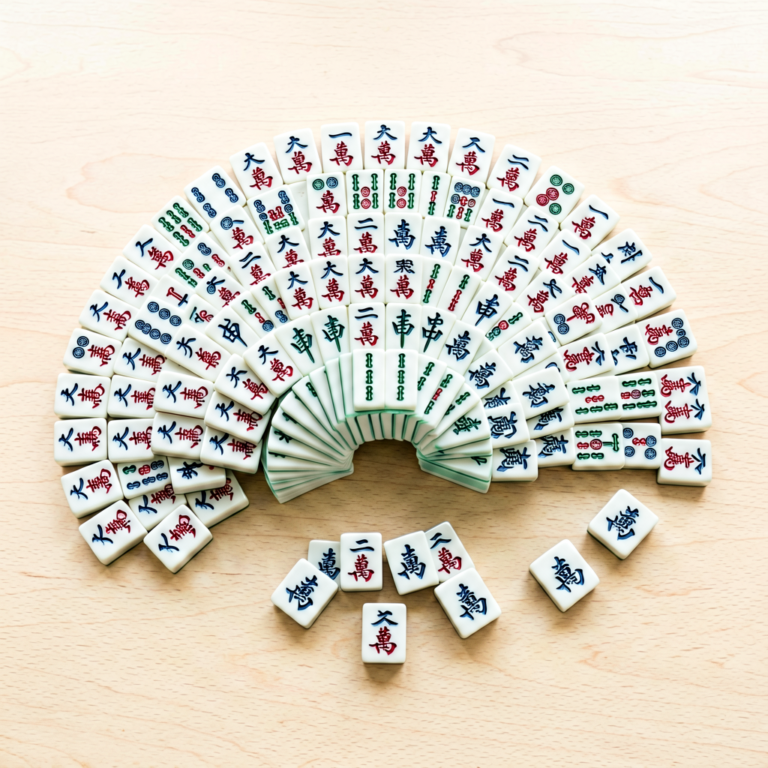
Why American Mahjong Is Suddenly Everywhere Again: The New Wave of Players Picking It Up
If you have been online much this past year, you have probably seen it. A clip of tiles clacking, a friend’s story from a game night, a cafe you like posting that it now hosts mahjong on Thursdays. Eighteen months ago almost nobody under forty I knew had touched a mahjong set. Now half of them own one.
This is not the first time the game has surged, and it will not be the last. But the shape of this wave is different, and if you are thinking about joining it, it helps to know what is actually going on.
It was never actually gone
The first thing to clear up: this is not a rediscovery. American mahjong never disappeared. It has been played continuously for a century, mostly by women, mostly in living rooms and community centers, mostly under the radar of anyone who writes trend pieces.
What changed is not the game. It is who is watching. For decades the people who played were the people whose mothers played. The knowledge passed hand to hand, at a kitchen table, with no camera in the room. That is a beautiful way to keep something alive, but it does not travel. Then the cameras showed up, and a game that had been private for generations became very public, very fast.
So when people say mahjong is “back,” what they mean is that a quiet, steady tradition finally got an audience. The players were always there.
What actually changed
Three things landed at once, and none of them had to do with the rules.
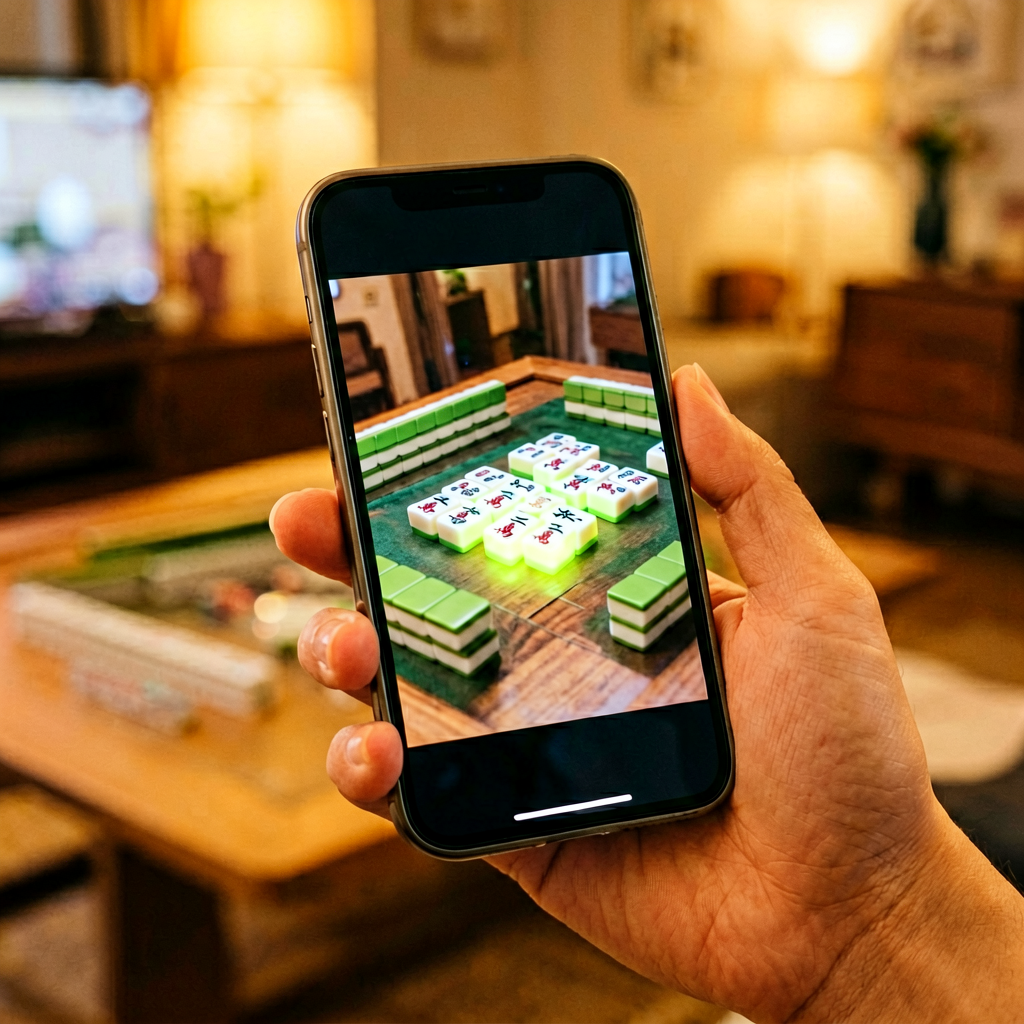
First, the short-video feed. A sixty-second clip of a Charleston pass, or a satisfying win call, is weirdly compelling, and it is easy to share. Mahjong is visual in a way that, say, bridge is not. You see the tiles move. That made it spread without anyone explaining anything.
Second, the post-pandemic hunger for offline things. People got tired of screens and wanted a reason to sit in a room with other humans and do something with their hands. A game that takes two hours, uses real objects, and requires you to look at people instead of a phone was exactly the antidote a lot of us were after. The joke writes itself, since the phone is what brought us there, but it works.
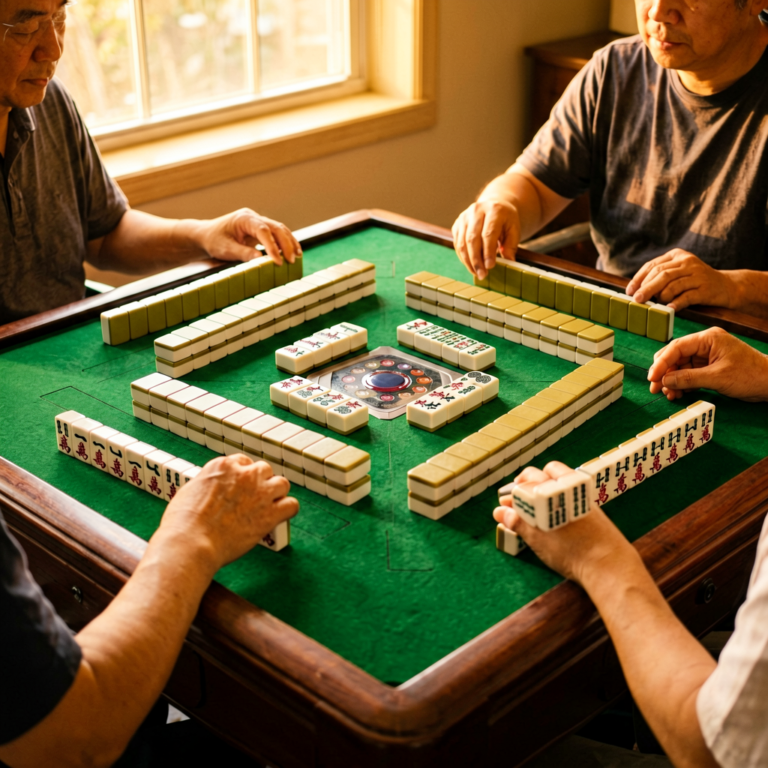
Third, and this one matters more than it sounds: the sets got nicer and easier to find. A few years ago, if you wanted a decent American set, you ordered from one company and waited. Now there are makers doing good tiles at different price points, custom racks, travel cases, the works. When the gear is pleasant, the game is easier to start and harder to quit.
Who is showing up
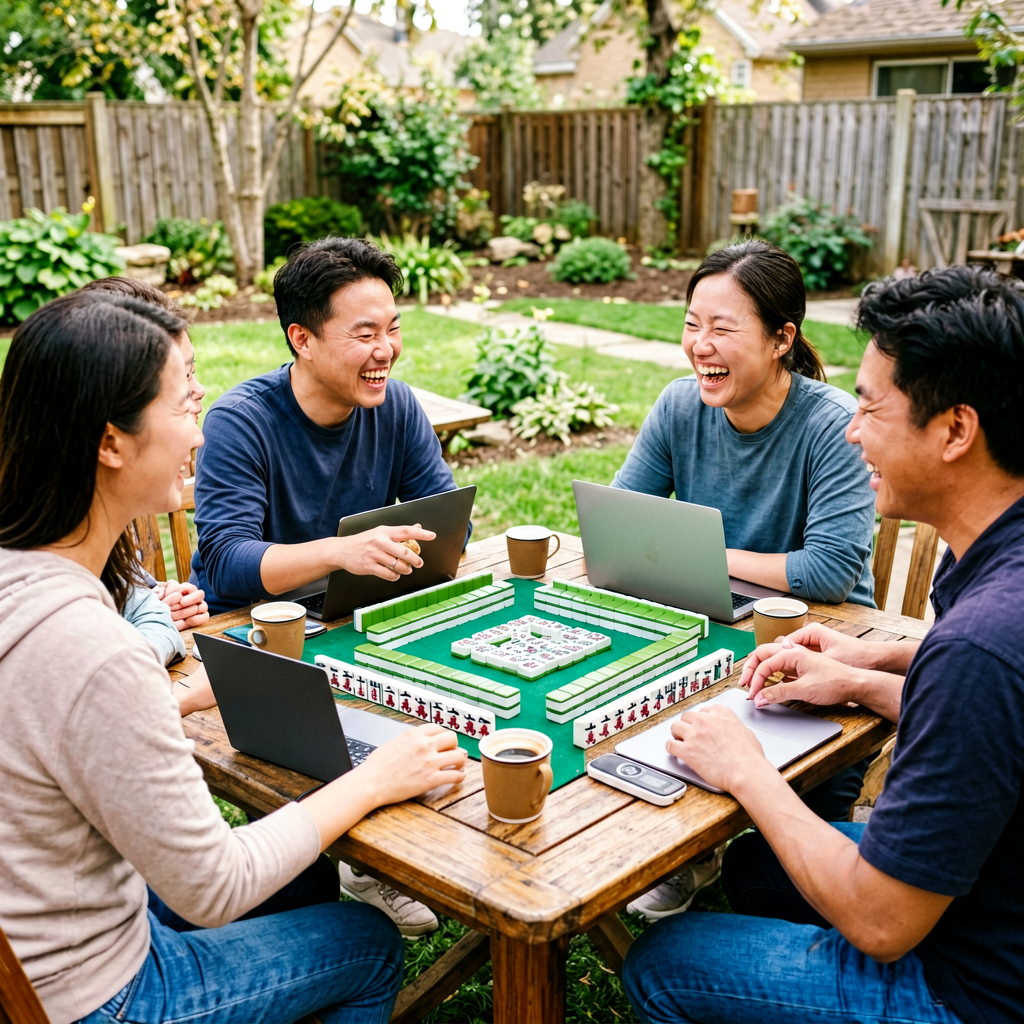
The new crowd is not who you would expect if your only reference point is the old stereotype. Yes, there are twenty-somethings who found it through a video. But the rooms are mixed in a way they were not before.
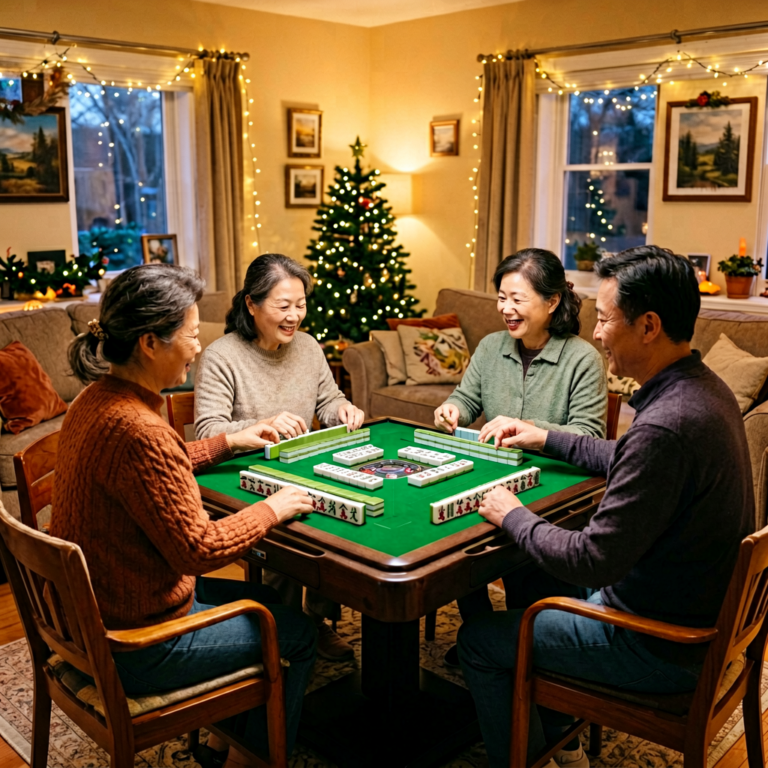
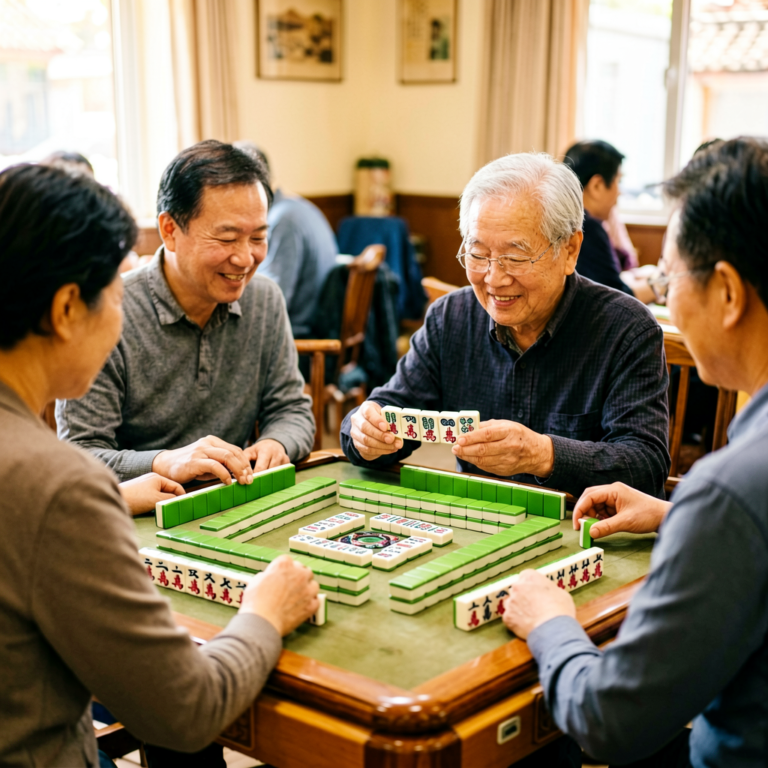
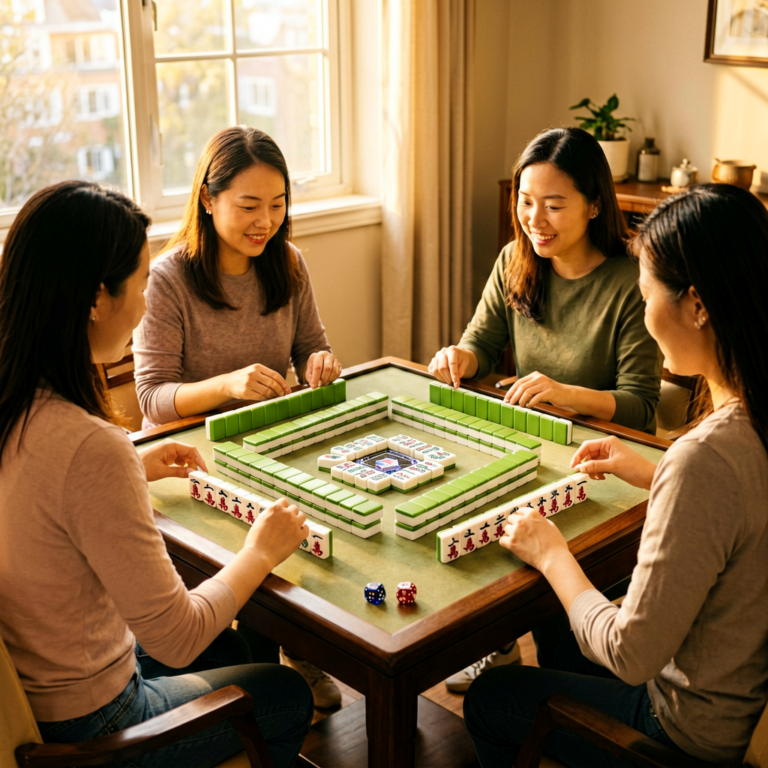
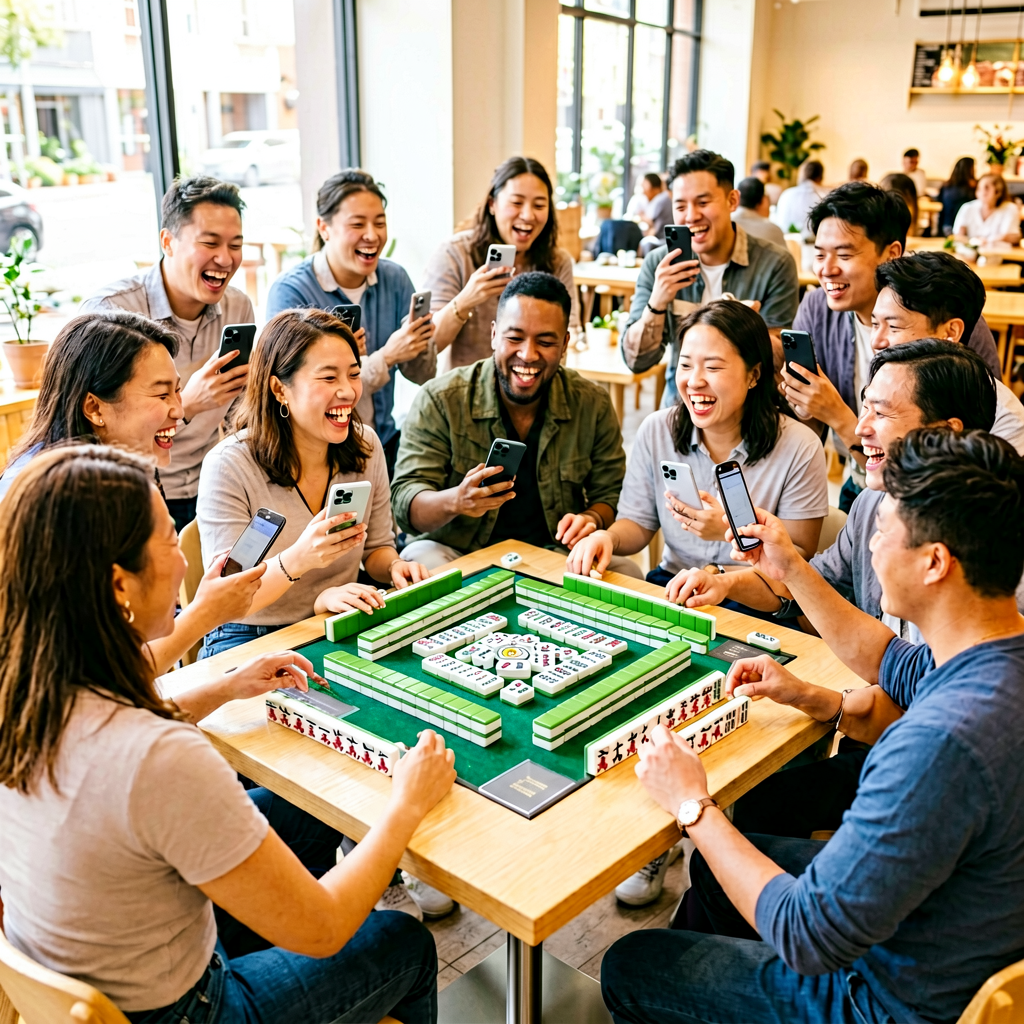
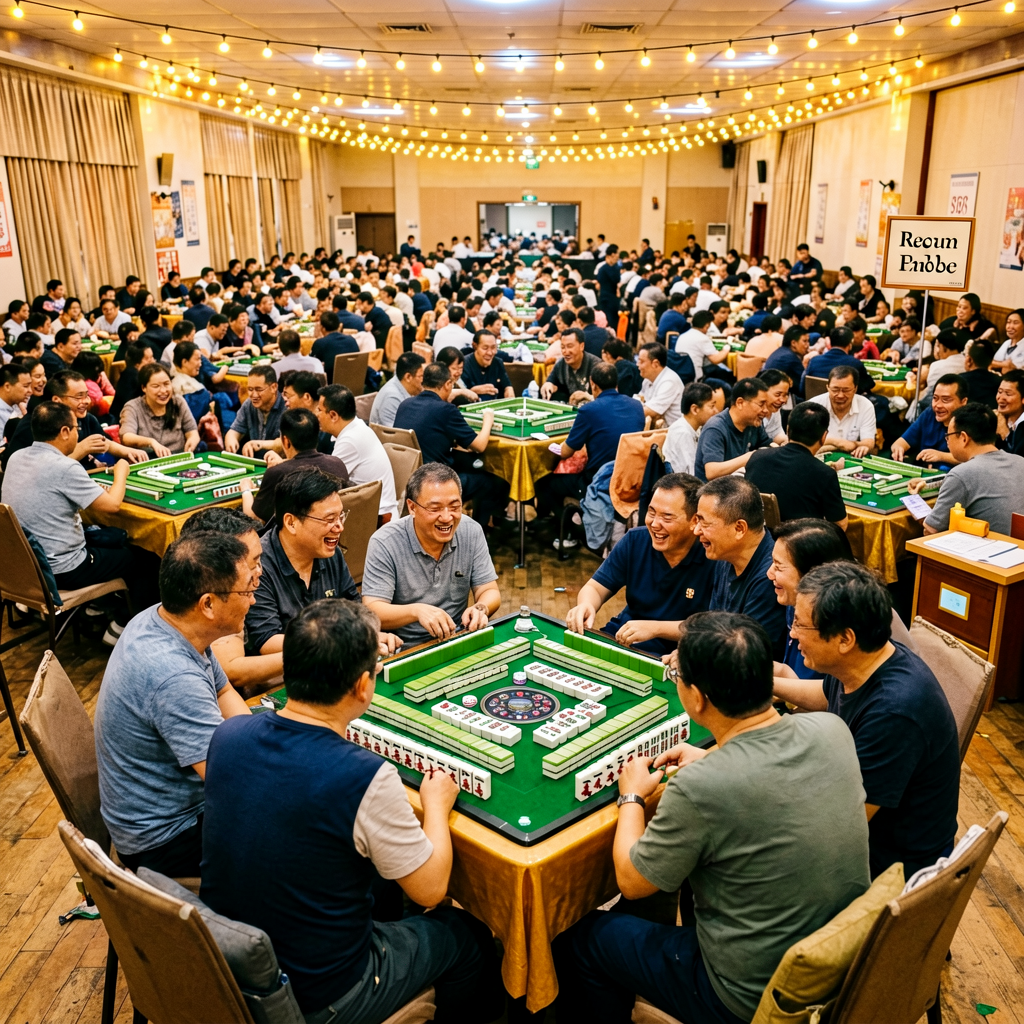
You see younger women who treat it as a social club first and a game second. You see men who never considered it because it “was not for them” and are now hooked. You see families where the grandmother is teaching the grandkids and quietly enjoying that the cool factor finally caught up to her. You see coworkers who turned a Thursday into a standing thing.
The common thread is not age or background. It is that everyone there wants to be there, and that is a rare thing to manufacture on purpose. The game earns the loyalty. The room just holds it.
One detail worth noticing: a lot of the new players are not chasing mastery. They are chasing the table. They will happily lose for months as long as the snacks are good and the group is funny. That is healthy. It means the community is growing from the middle out, not from a few serious players at the top.
Why it sticks this time
Fads burn out when the novelty is the only product. Mahjong has a second act built in, because the skill curve is real and it keeps rewarding you. The first night is about the tiles and the snacks. The tenth night is about reading the table. The fiftieth is about a hand you finally learned to spot. There is always another layer, so the people who came for the trend tend to stay for the game.
There is also the card. Every year the national league puts out a new card with new hands, and the regulars scramble to learn it. That yearly reset is a genius retention machine nobody planned. It gives every player, new or old, a fresh reason to come back each spring and feel like a beginner again, together.
And the gear, again. A good set is not a consumable. It is the kind of object you keep, lend, and eventually pass down. Owning one changes how you see the game from “a thing I tried” to “a thing I have.” That shift is most of why this wave will outlast the clips that started it.
If you are thinking about starting
You do not need a strategy. You need a table and one person who already knows, or a beginner group that meets publicly. Most cities now have at least one, and they are almost always happy to take a newcomer, because every group remembers being the confused one.
Do not buy the fanciest set first. Borrow, or get something solid and plain, and upgrade once you know you will actually play it. The tile quality matters more than the packaging, so feel a few before you commit. And be honest with the group that you are new. American mahjong players are weirdly generous with teaching, and the fastest way in is to say “show me” and mean it.
The part nobody tells you: the first session feels chaotic and you will misplay constantly. That is the entire point. Everyone at that table was you, not long ago, and the game is built to let you grow into it without embarrassment. Show up, lose gracefully, come back.
If you are shopping for your first real set and want tiles that actually feel good in the hand and stack straight game after game, that is the kind of thing we care about at EastCraft. But the brand does not matter on night one. The table does.