What to Look for in Your First American Mahjong Set: A No-Regrets Buying Guide
Walk into any shop or marketplace and every American mahjong set looks the same from a distance. Same tiles, same colors, same little racks. But spend one game with a cheap set and one with a good one and you will feel the difference in the first five minutes. The boxes lie. The tiles do not.
I have handled sets that cost forty dollars and sets that cost three hundred, and the gap is real. This is the guide I wish someone had handed me before my first purchase, the stuff that actually matters when you are picking a set you will still be happy with a year from now.
Start with the tiles, because everything else is decoration
The tiles are the game. The single biggest split is the material. Old tournament sets were bone and bamboo, and you can still find them, but most modern sets are melamine, acrylic, or a resin blend. None of those is “bad.” The question is how the symbol is put on the face.
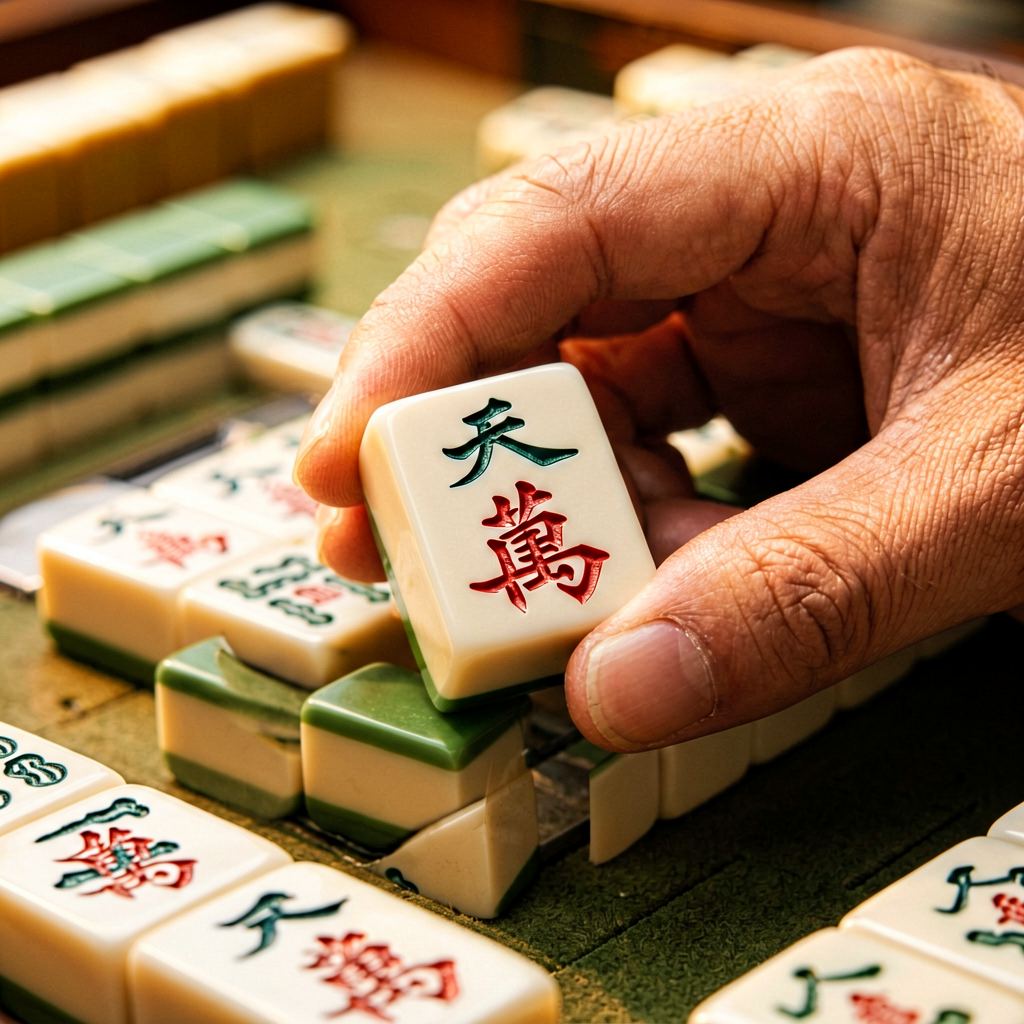
Cheap sets print or press the symbols shallowly, and after a few months of shuffling the ink starts to look tired and the edges feel rough. A good set has the symbol engraved or inlaid deep enough that you can feel it with a thumb, and the corners are finished so they do not chip. Run a finger across the face. If it feels smooth and the symbol reads clean, that is most of the battle won.
Weight matters more than people expect. Heavier tiles sit still when you build your wall and they make a satisfying click that, honestly, is half the fun. Light tiles slide around and feel like plastic because they are. You do not need lead-heavy, but a set that feels substantial in the hand is one you will reach for.
Size is the quiet decision that affects every game
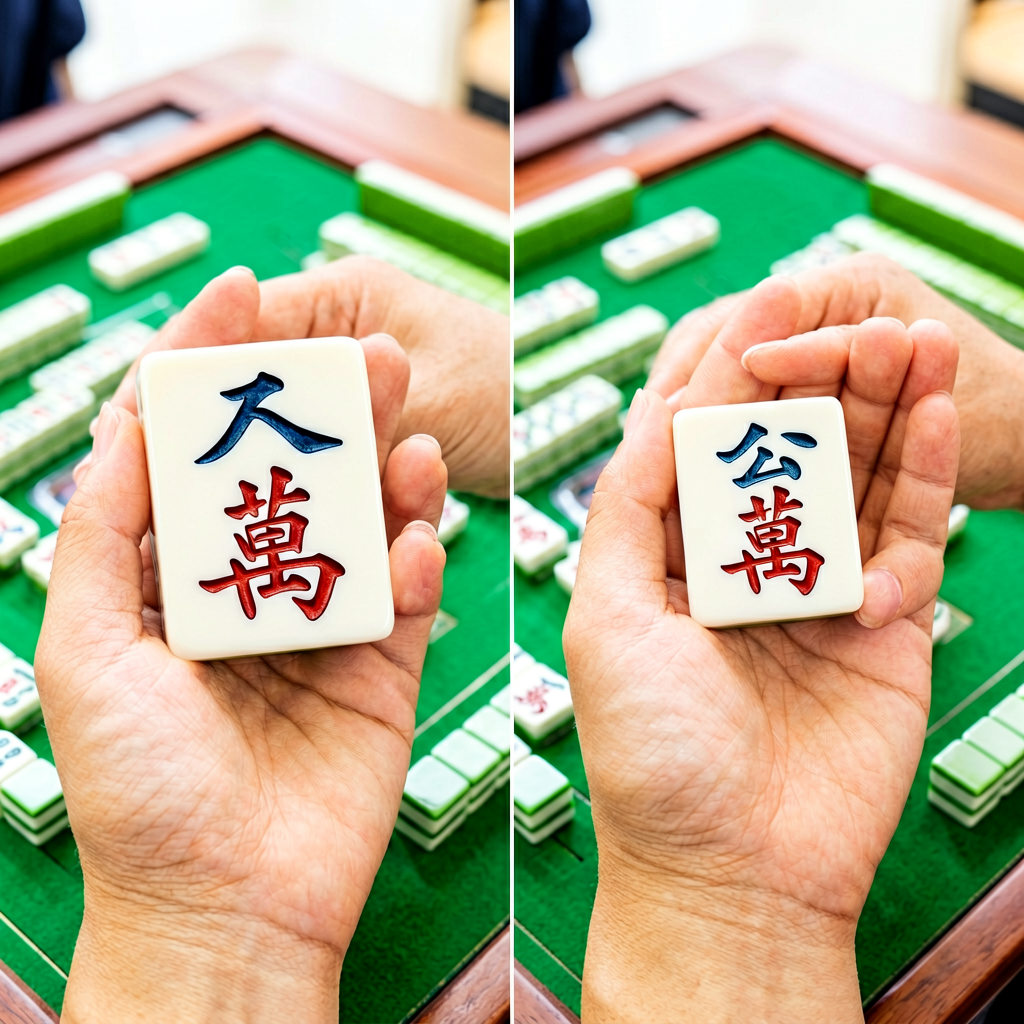
American mahjong tiles come in a range of sizes, and bigger is usually kinder. If you wear reading glasses, play with older relatives, or just have average eyes, larger tiles save you from squinting at flowers and zeroes across the table. The standard size most clubs use is around an inch tall. If your table has mixed ages, go up a size.
There is a trade-off. Bigger tiles need a bigger case and a bigger table, and they shuffle a little slower. But for a first set meant for home and family play, I would rather have readable than compact. You can always travel with a smaller set later. Your everyday set should be the comfortable one.
The case and racks are what survive real life
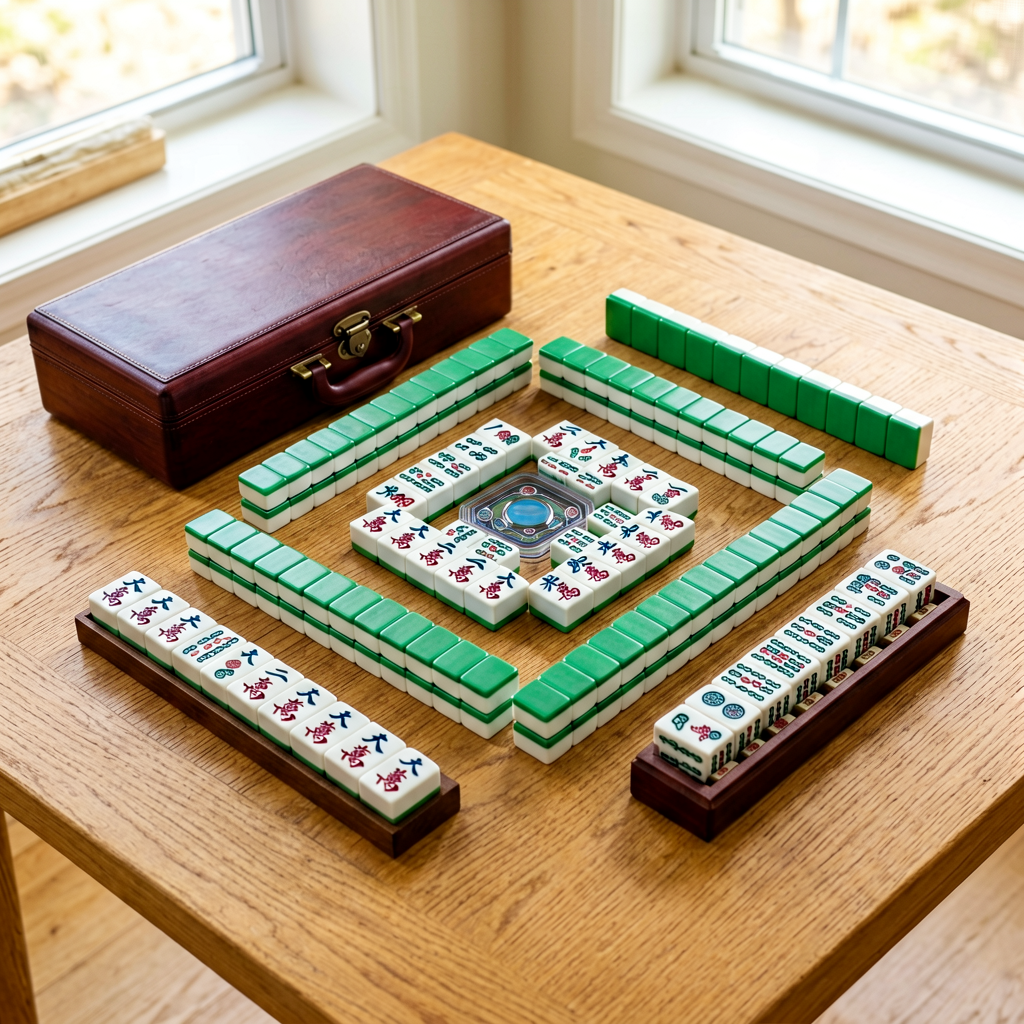
A set gets lugged. To a friend’s house, to a club, to a holiday gathering, and back. The case is where cheap sets die. A flimsy cardboard or thinplastic case cracks at the hinge on trip two and then you are carrying tiles in a grocery bag, which is embarrassing and invites lost pieces.
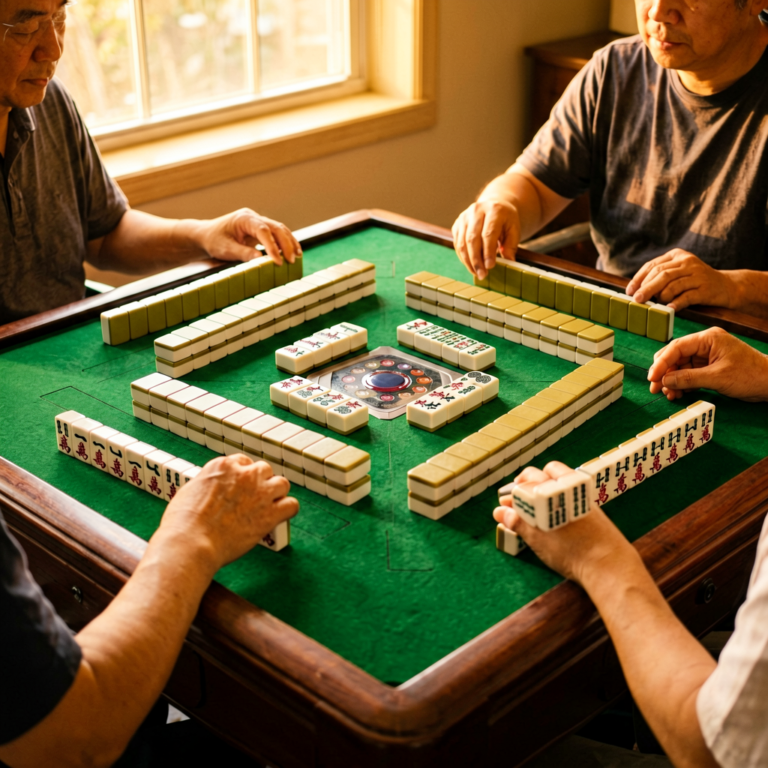
Look for a hardshell case with a real latch and compartments that hold the tiles without rattling. The racks matter too. Flimsy racks bow in the middle and your tiles lean like drunks. A set with solid, slightly weighted racks keeps your hand upright and your discards readable, which matters more than you think when you are learning to read the table.
Make sure the set matches this year’s card
American mahjong changes its hands every year through the national league card, and the tile set has to support whatever that card asks for. The big thing to check is the jokers. Modern play uses eight jokers, so a set without them, or with the wrong count, will not work for current card hands. Most new sets include them, but some bargain boxes are older stock. Confirm before you buy.
Also check that the set has the full complement: the dots, bams, cracks, winds, dragons, flowers, and the American additions. A missing tile is not something you can fake. If a listing is vague about the count, that vagueness is your answer.
What the price brackets actually buy you
Around forty dollars gets you a playable starter. Tiles will be lighter, the case thinner, the symbols softer. Fine for a trial run, rough for the long haul. Around a hundred to a hundred fifty gets you proper engraved tiles, a real case, and solid racks, the sweet spot for most home players. Push past two hundred and you are paying for heftier material, nicer finish, and often a case that will outlast the table.
None of this means expensive is better for you. It means match the spend to how seriously you will play. If this is a one-summer fling, the cheap box is honest. If you are the person who will host the game every month for years, buy once and buy well.
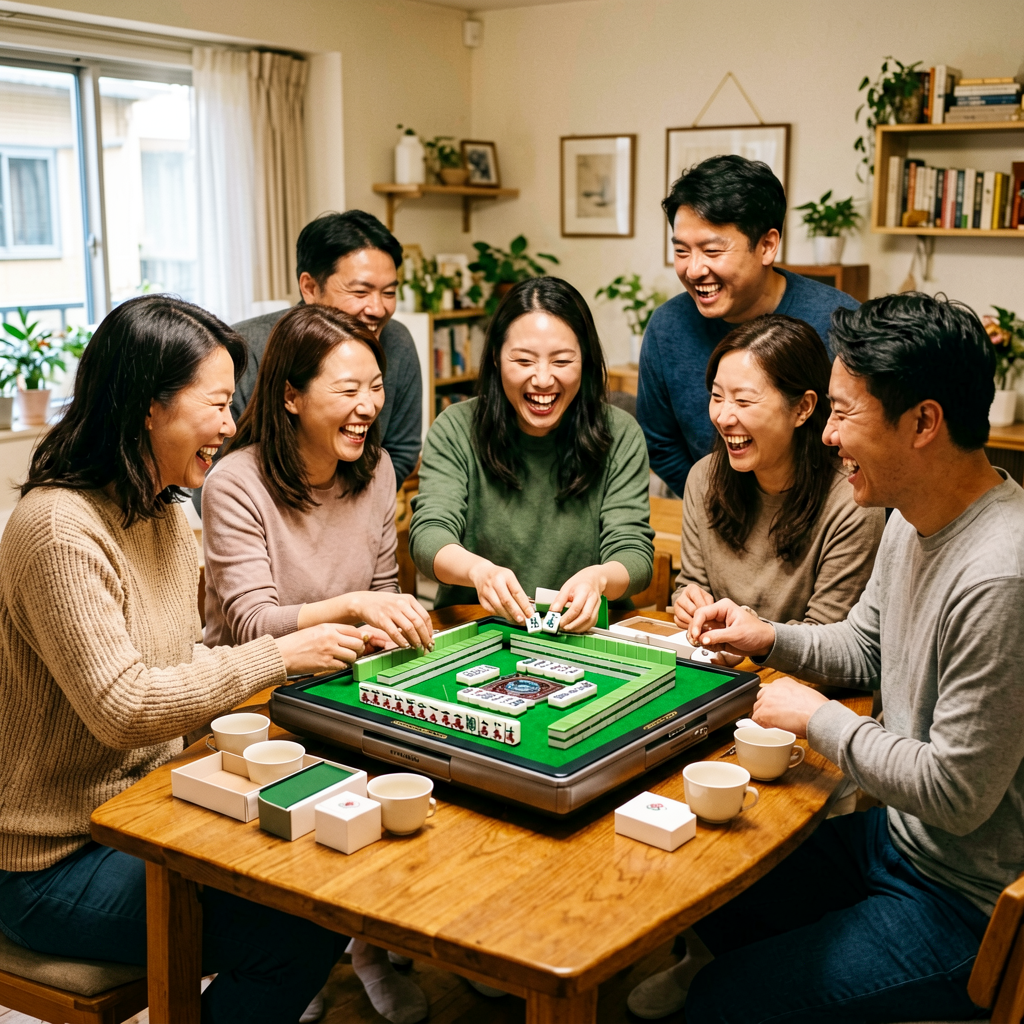
How to actually choose
Put it together and the decision is simple. Engraved, readable tiles you can feel. A size your whole table can read. A case that closes like it means it. Jokers included and counted. A price that matches how often you will play. That is the whole list. Ignore the pretty box art.
If you want a set built around exactly those priorities, that is the kind of thing we care about at EastCraft. Our tiles are engraved deep, sized for mixed-age home tables, and shipped in a case that survives the car. But the brand is the least important part. The point is that you end up with a set people want to sit down at again, because that is the only metric that has ever mattered. Buy the one that gets played, not the one that looks best in the photo.