
The Charleston in American Mahjong: How the Tile-Passing Ritual Works, Step by Step
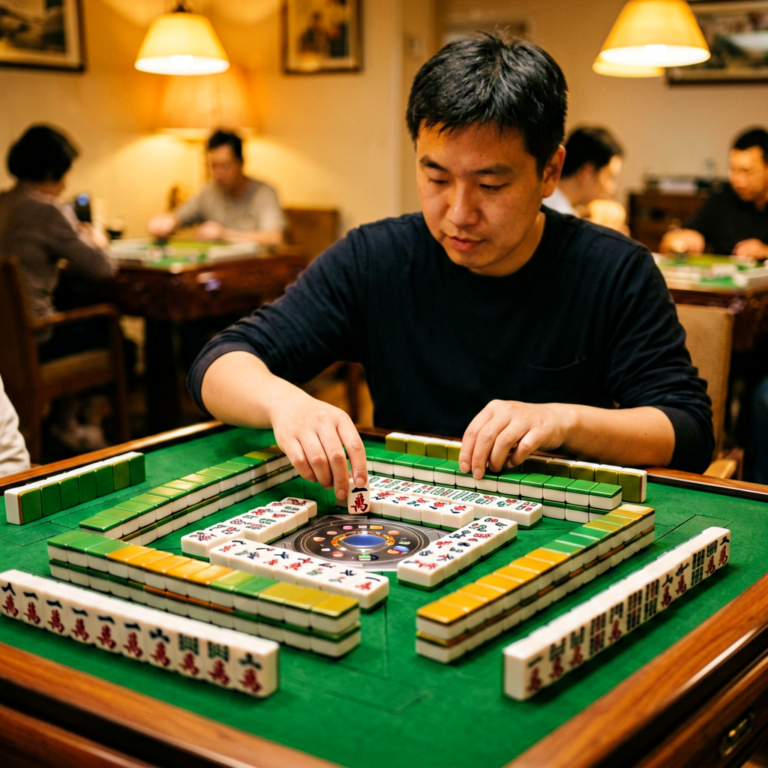
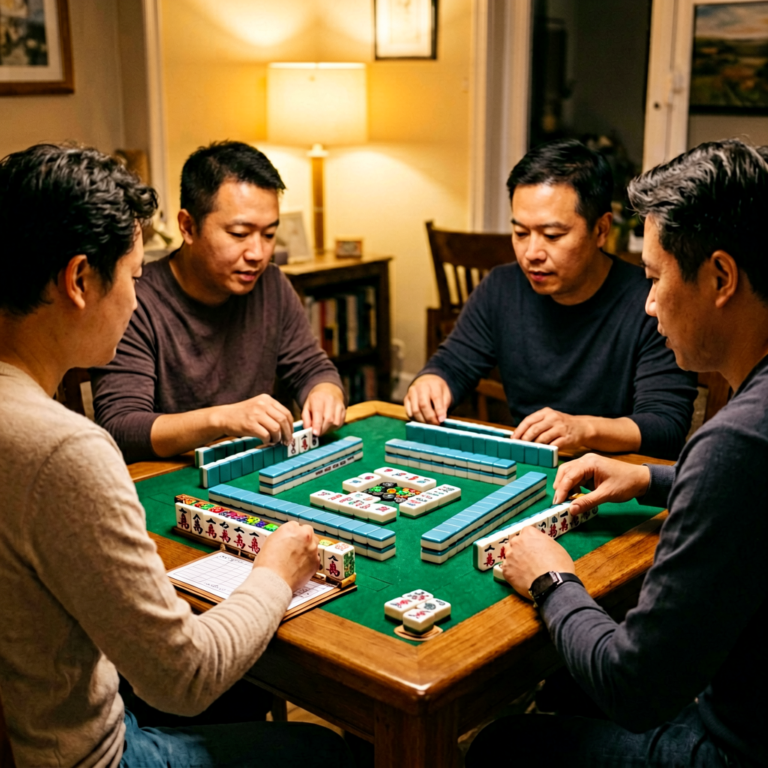
If you have ever watched an American mahjong game begin, you already know the Charleston before you know its name. Four players sit down, racks snap into place, and then, instead of drawing tiles, everyone starts sliding them around the table. It looks like a swap meet in miniature. It sounds like polite chaos. And it is the one thing that separates American mahjong from almost every other version of the game.
The Charleston is a tile-passing ritual that happens right after the deal and before the first discard. In about two minutes, you will trade nine tiles with your opponents. The goal is simple: get rid of tiles that do not fit your hand, and hope the tiles coming your way do. Done well, it turns a random set of tiles into something you can actually build on. Done poorly, it gives the player across from you exactly what they need.
What the Charleston Actually Looks Like
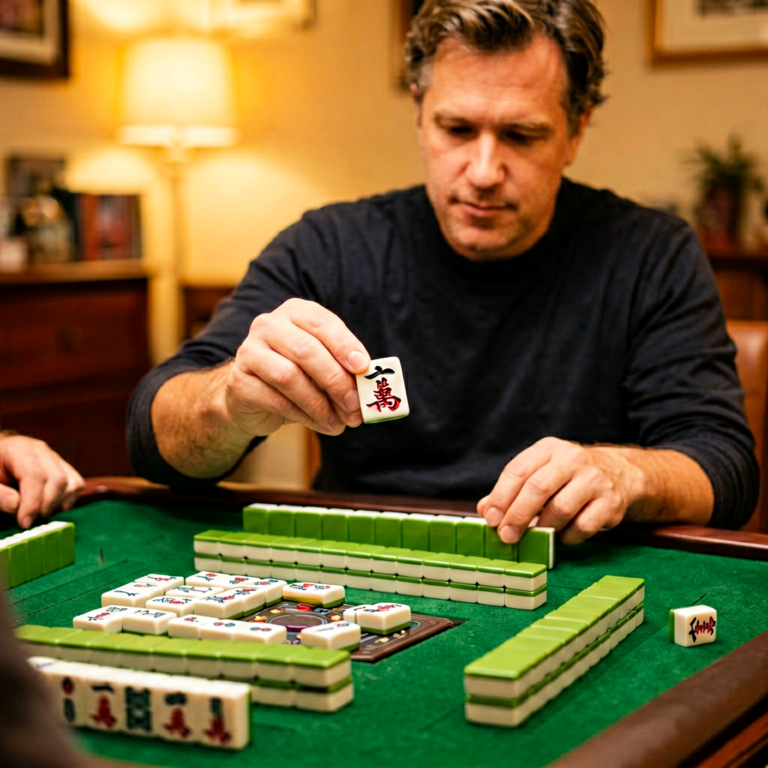
After each player builds their initial thirteen-tile hand, the dealer says something like “Charleston” and the dance begins. Every player chooses three tiles they are willing to give away, usually tiles that do not match the rest of their hand. Those three tiles are passed at the same time, face down, to the player on the right.
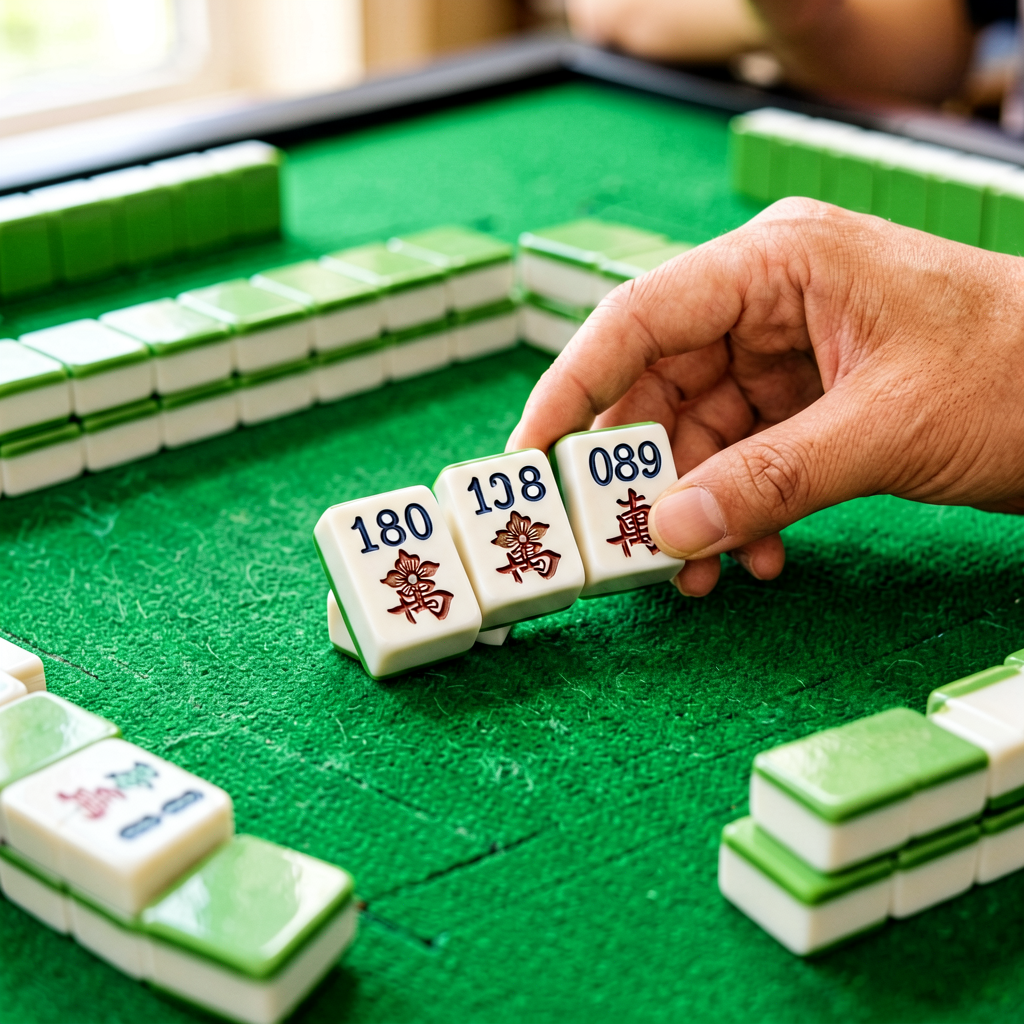
That is the first pass. The second pass sends three tiles across the table. The third sends three tiles to the left. After those three passes, everyone has a new hand and a fresh opinion about whether the round is worth playing.
The Sequence, Step by Step
Here is the order as it is played in standard NMJL rules. Local groups sometimes tweak the finer points, but the sequence itself is close to universal.
- First pass to the right. Pick three tiles you do not want. Pass them facedown to the player on your right. Pick up the three tiles coming from your left.
- Second pass across. Choose three more tiles, often after seeing what you received in the first pass. Pass them to the player across from you.
- Third pass to the left. Pass three tiles to the player on your left and take three from your right.
- Optional second Charleston. Some games allow another round: left, across, right. The group decides beforehand whether to play it.
- The courtesy pass. If everyone agrees, the players across from each other may swap zero to three tiles. This is the last chance to fix a hand before the game begins.

Between each pass, you get a few seconds to look at what just landed in your rack. Sometimes a tile solves a problem you were stuck on. Sometimes it creates a new problem. That is the point: the Charleston is not just an exchange, it is a decision-making sprint.
Why the Charleston Exists
American mahjong hands are built around specific combinations listed on the yearly NMJL card. A single hand might need three six dots, two red dragons, and a pair of fours in bam. If you are dealt none of those, your hand is dead before it starts. The Charleston gives you a way out. By trading tiles, you trade some of your bad luck for someone else’s.
It also adds a layer of strategy early on. If you pass a dragon tile to your right and the player next to you calls it later, you might regret being generous. If you hold onto a tile you should have passed, you might clog your own hand. The Charleston forces you to commit to a direction before you even know what direction that is.
Etiquette and Common Mistakes
The Charleston has a rhythm. Everyone passes at roughly the same time so the game keeps moving. Digging through your tiles for thirty seconds between passes slows things down and breaks the mood. Most regular players sort their hand quickly and keep three obvious discards ready.

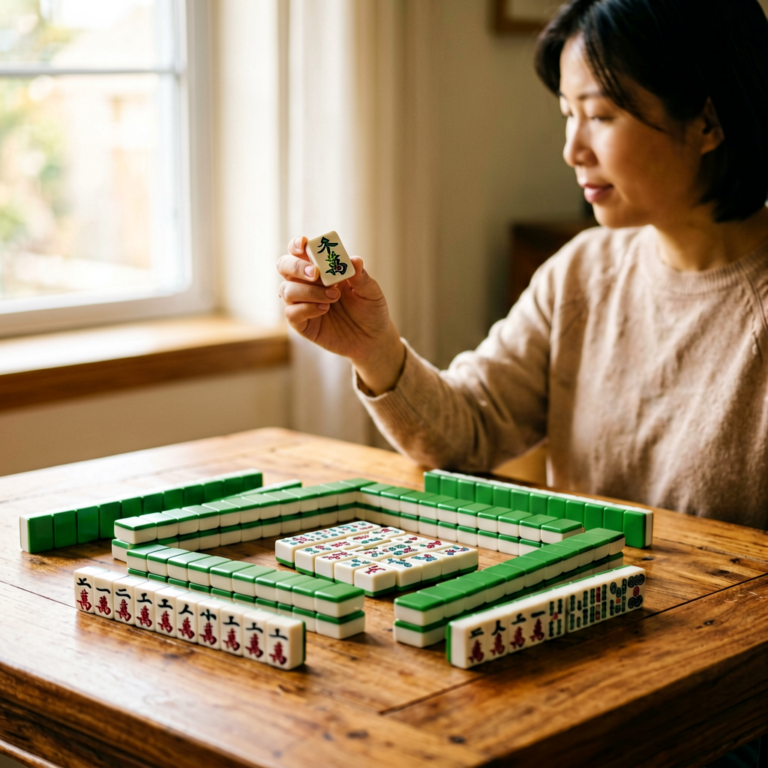
Beginners often pass the wrong things. They hang onto honor tiles because the symbols look valuable, even when those tiles have nothing to do with their hand. Or they pass useful pairs because they do not yet see how pairs connect to a full hand. The rule of thumb is easy: pass what does not match, keep what might.
Another common slip is peeking at incoming tiles before everyone has passed. Wait until all four players have placed their tiles down, then pick up the ones coming to you. It is a small courtesy that keeps the table friendly.
Making the Charleston Work for You
You do not need a perfect strategy to survive the Charleston. You just need a clear idea of what your hand is not. If you were dealt mostly bam tiles, pass the dots and cracks. If you have no honor tiles worth keeping, send them away and hope someone returns a matching pair.
Over time, you will start reading the table. You will notice which tiles other players are passing and guess what they are building. You will learn when to keep a risky tile and when to let it go. The Charleston looks like luck on the surface, but the longer you play, the more it feels like a conversation happening in tile form.
Once the last courtesy pass is done, the noise stops. Everyone straightens their rack. The dealer draws the first tile, and the real game begins. But by then, the Charleston has already done its job: it has given every hand a second chance.