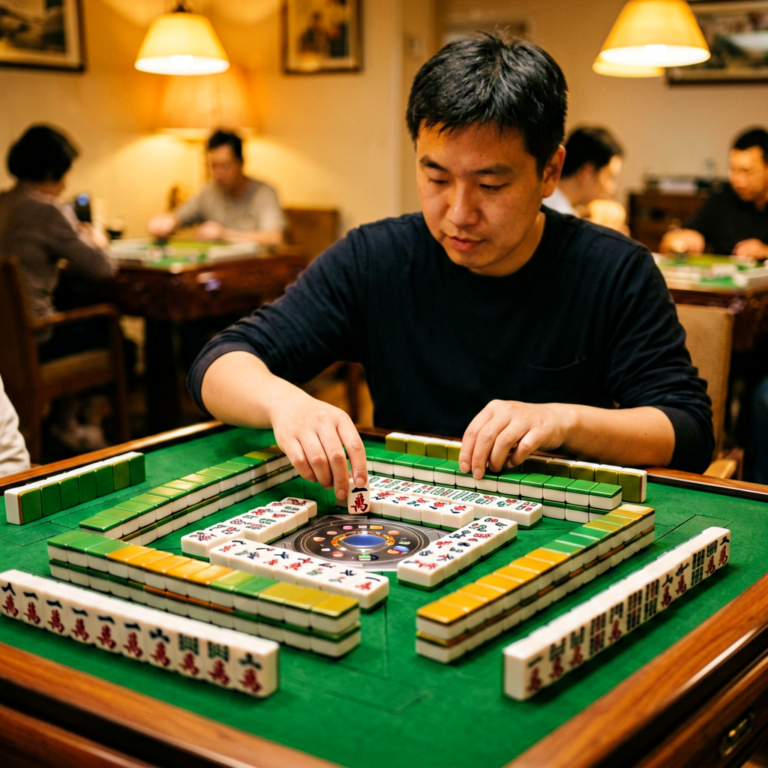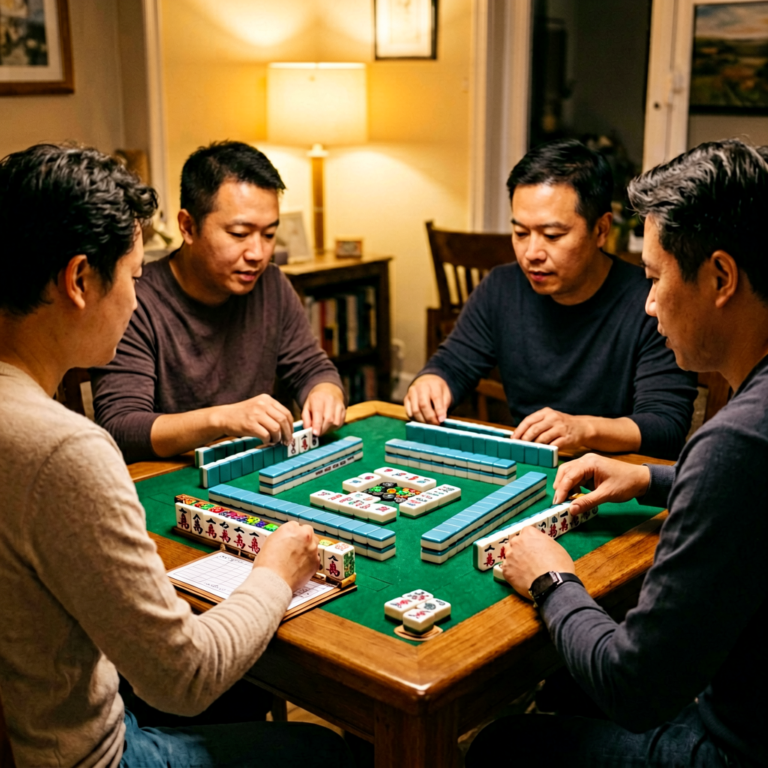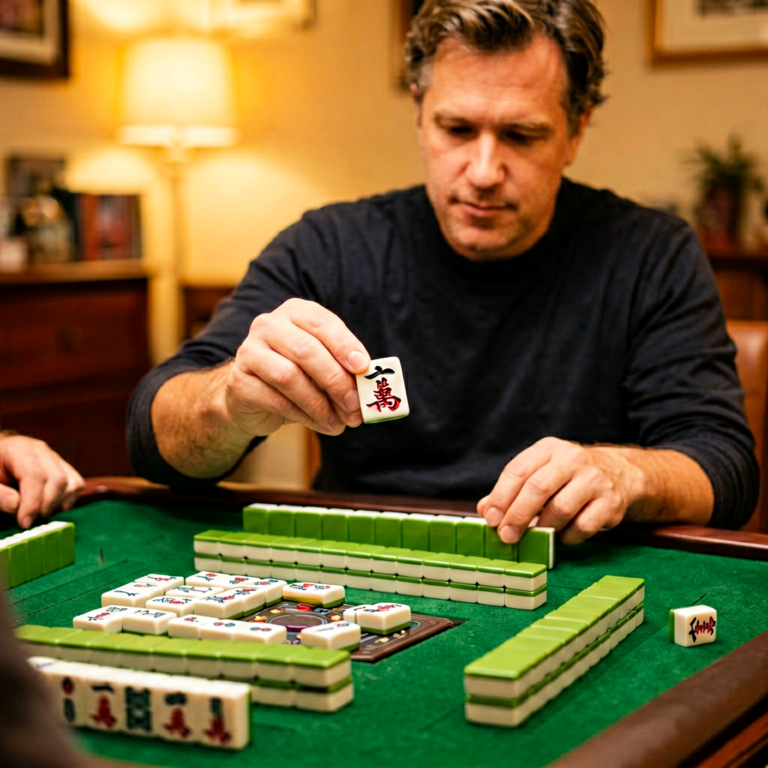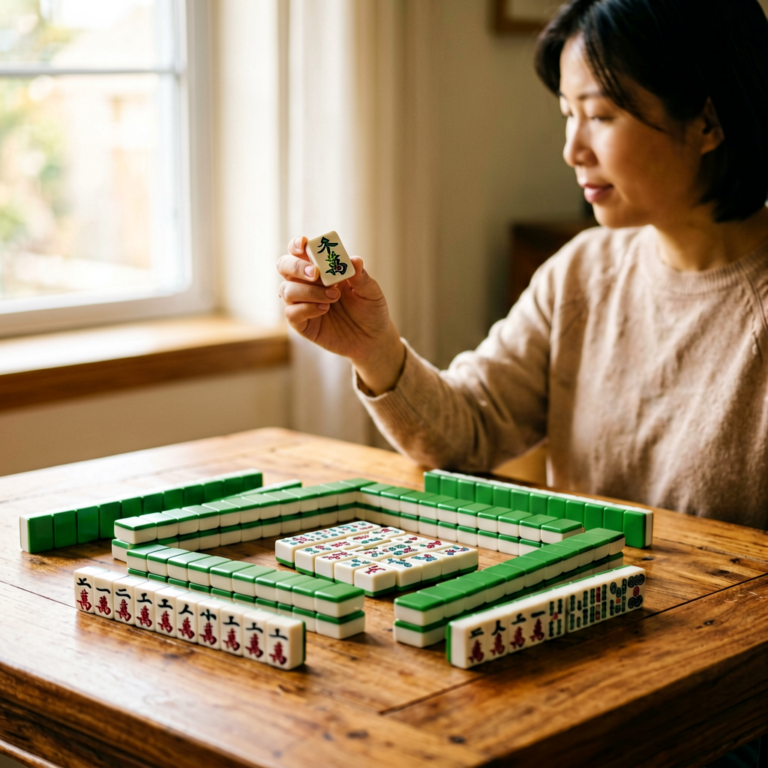
The Kitty, the Quarters, and the Score: A No-Fuss Guide to Betting on American Mahjong
There’s a moment at every American mahjong table where somebody wins a hand and everyone reaches for their change. Nobody’s playing for rent money — usually it’s a quarter, maybe two — but the little economy of the game has its own rules, and they’re worth getting right before anyone sits down. Get them wrong and you spend the night arguing about who owes what instead of playing.
The system is called the kitty, and once you’ve seen it run a few times it feels obvious. Here’s how it actually works.
What the kitty even is
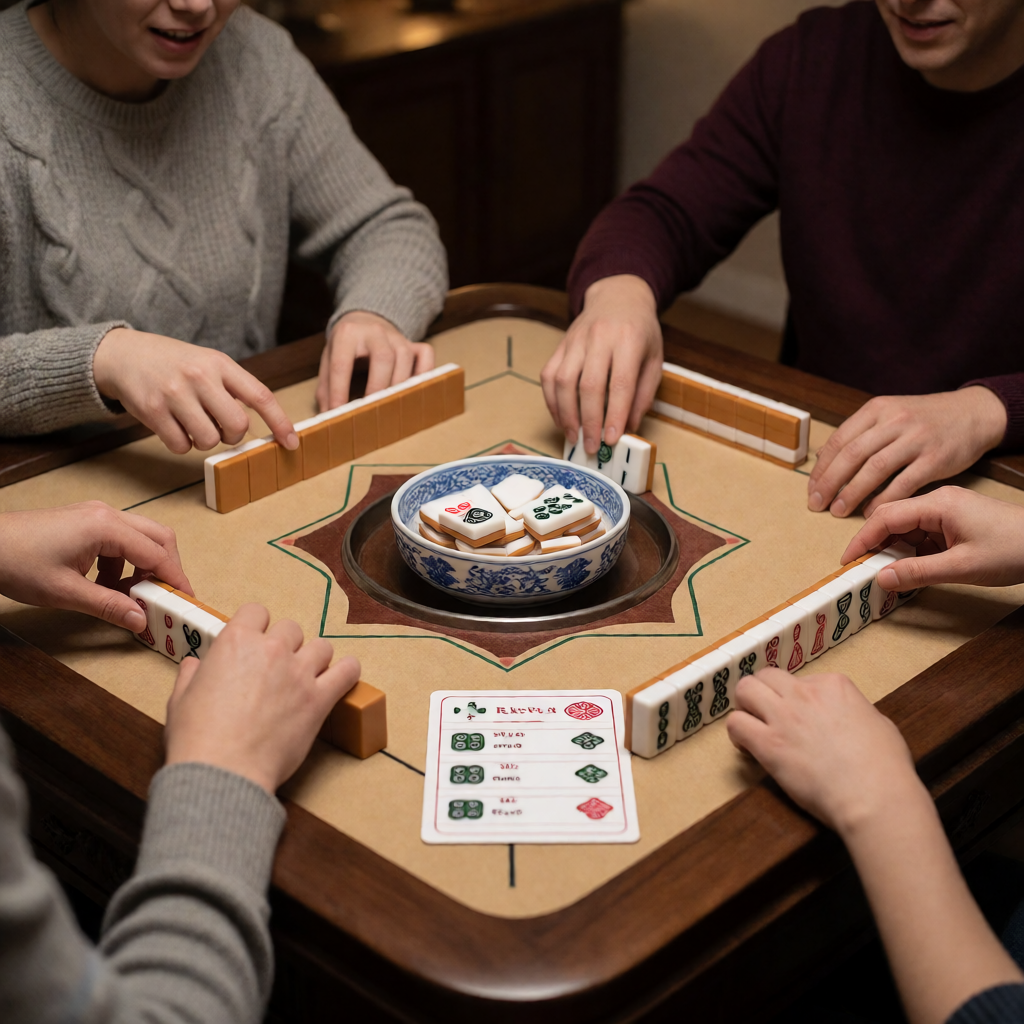
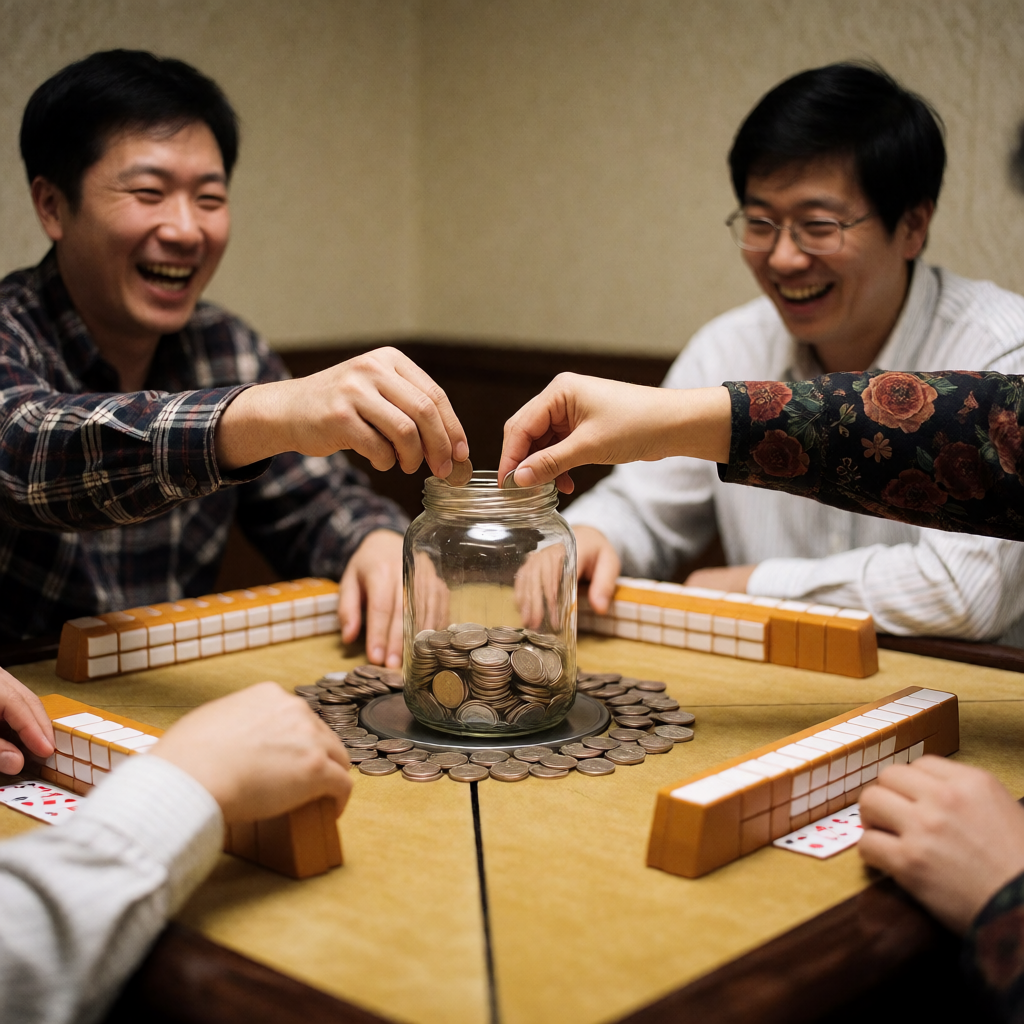
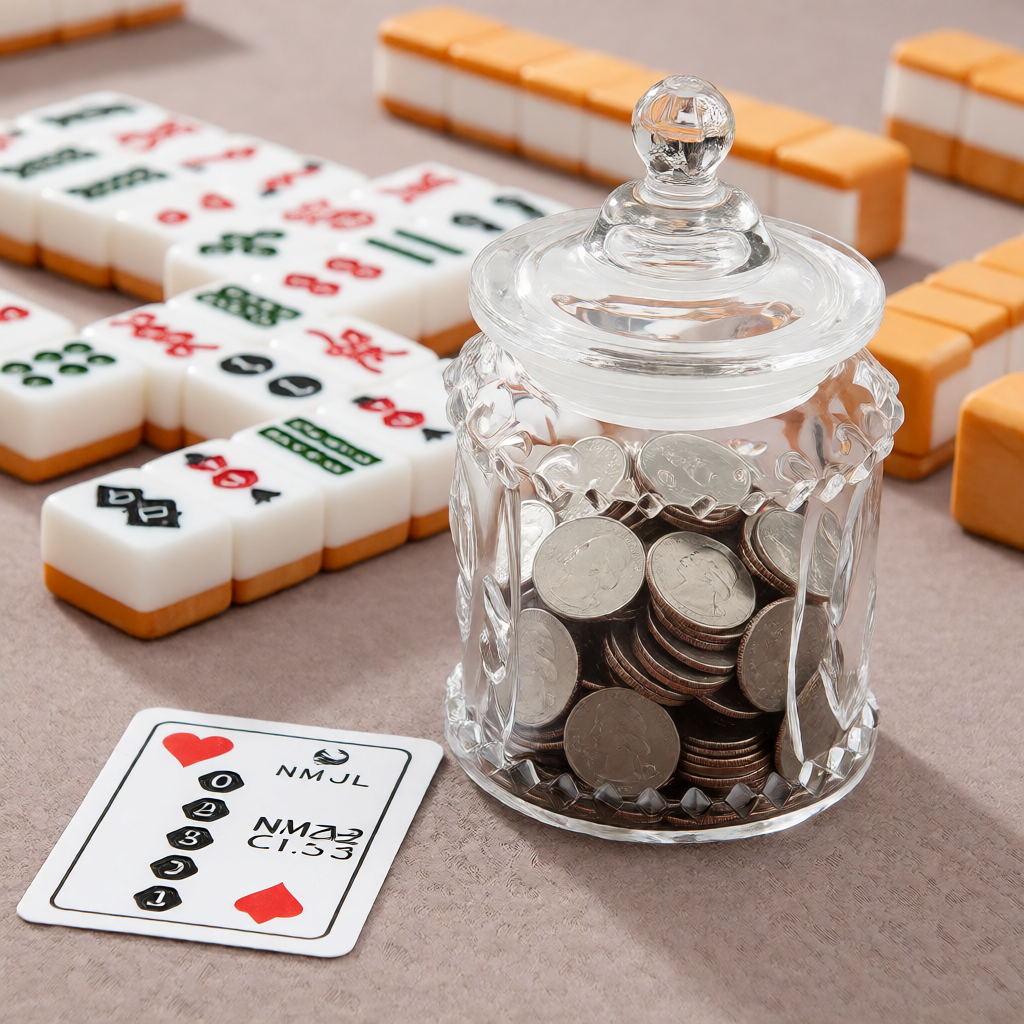
The kitty is just a pot. Every time somebody goes mahjong, the other three players chip in a set amount — almost always a quarter, sometimes two if your group plays bigger. That money goes into a bowl in the middle of the table, and it sits there building up through the night. At the end, whoever’s won the most hands takes the kitty, or you roll it into the next game, or it buys snacks. Depends on the house.
The standard quarter math
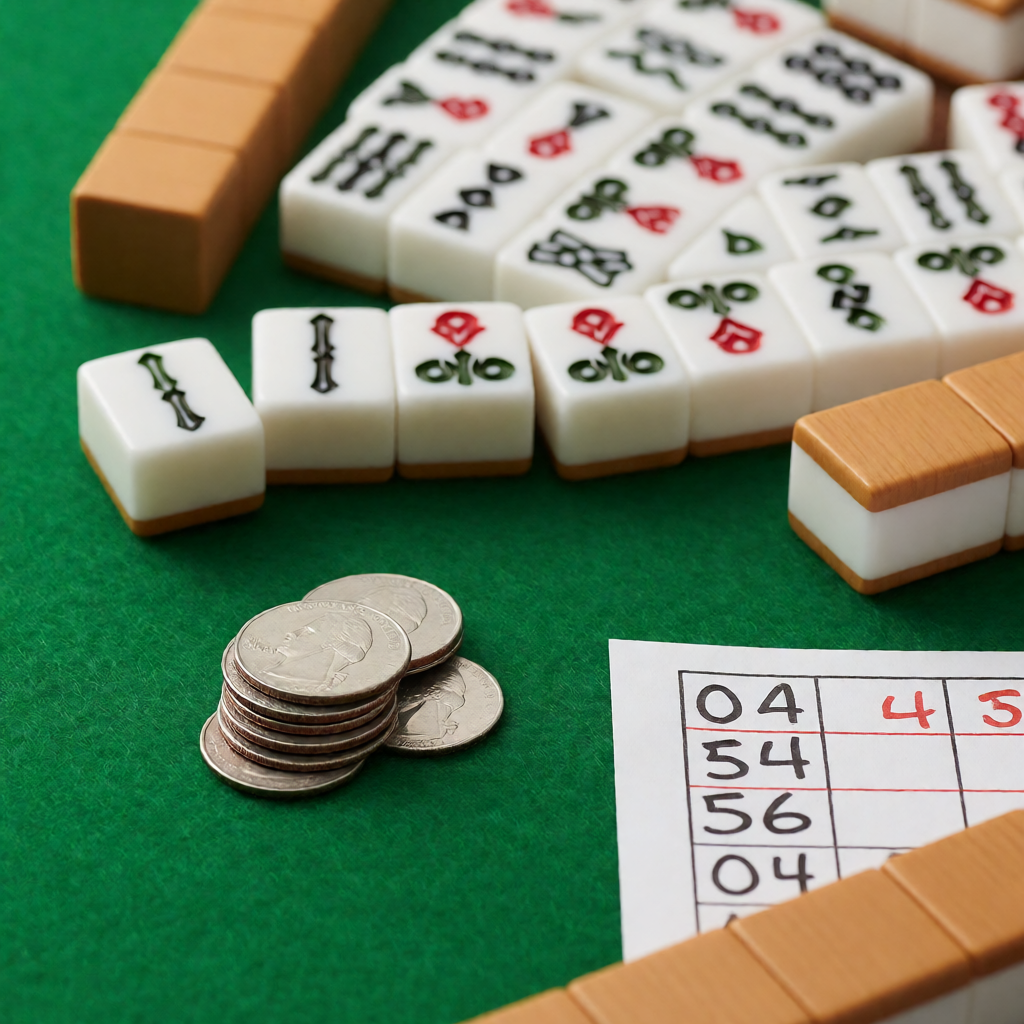
If you’ve never played for money, the amounts are simpler than they sound. A regular hand is one quarter from each of the three losers to the winner. A “national” or a hand worth more on the card — the 50-point hands, the special ones — often pays double, so two quarters each. The person who went mahjong last, or who had a dead hand, usually throws in an extra bit too. It’s not a science. It’s whatever the group agreed to on the first hand.
The point isn’t the money. It’s that everyone knows the number before the tiles come out. Ambiguity is what turns a fun night into a spreadsheet argument.
Three ways groups handle the payout
Different tables run it differently, and none of them are wrong. The most common is “pay the winner” — losers pay the person who went mahjong. A close second is “pay the kitty,” where losers pay into the pot and the winner of the night sweeps it. Then there’s the mean-but-fair one: “pay the loser,” where the person who went mahjong last, or who killed their own hand, pays everyone else a little something for the trouble. New groups should pick one and say it out loud before the Charleston starts.
When nobody wants to play for money
Not every table gambles, and that’s completely fine. Plenty of groups play for bragging rights only — the kitty becomes a “loser buys coffee” thing, or it’s a jar for charity, or it just doesn’t exist and the scorecard does all the talking. If you’re teaching kids or playing at a community center, skip the money entirely and keep a running tally instead. The structure is the same; only the coins change.
The mistake is mixing the two without saying so. If three people think it’s for fun and one person thinks it’s for quarters, the fourth person is about to have a bad night. Say it at the start.
How to run it without an argument
A few habits keep the money part quiet. Agree the amount before the first hand and write it on a sticky note by the kitty. Keep the stakes tiny — a quarter is traditional for a reason, and nobody’s here to lose twenty bucks. If someone’s out of cash, let them owe it; the kitty doesn’t care about IOUs and neither should you. And when in doubt, round down. Nobody remembers the exact count by hand six.
Losing with some grace
The worst thing you can do with a kitty is take it personally. You’ll have nights where the tiles never come and the quarters all flow the other way — that’s the game, not a verdict on you. Toss your coins in, say “nice hand,” and reshuffle. The people who pout over a dollar are the people nobody invites back, and the tiles will be there next week regardless.
At the end of the day
The kitty is a small thing that says a lot. It gives every hand a little weight, it gives the night a shape, and done right it never gets in the way of the actual fun, which is the people across the table. Set the number, keep it small, laugh when you lose. Everything else sorts itself out by hand four.