All One Suit in American Mahjong: When a Single-Suit Hand Is Worth the Risk
Most new players learn American mahjong by taking tiles from wherever they show up. That works, right up until a hand on the card asks for something stricter: everything in one suit. When that happens the game gets quieter and a little meaner, because you have to throw away a pile of perfectly good tiles just to stay on the path. Nobody warns you how exposed that feels the first time.
What “all one suit” actually means
A lot of card hands expect you to build inside a single suit, dots, or cracks, or bams. Not a mix. If the hand says one suit, every tile you keep has to belong to that suit, and the moment a tile from another suit slips into your plan, the hand is dead. This is different from Chinese mahjong, where a flush is a bonus you chase if the tiles happen to arrive. In American mahjong it’s often the printed requirement, sitting there in black and white on the card.
The suit tiles are the ones with a clear identity: the circles, the bamboo-looking sticks, and the number characters. The winds and dragons don’t count as a suit, so an all-one-suit hand is about committing to one of those three and ignoring the rest.
Why players still go for it
A single-suit hand looks clean, and that’s not nothing. When you commit to dots, your whole rack becomes easier to read at a glance. You stop second-guessing whether that 4 of cracks is worth keeping. Everything off-suit becomes a discard, and discards are decisions you don’t have to make. There’s a real relief in narrowing the field.
The catch is the commitment itself. You usually know early whether you’re chasing it, and by the time you’re sure, you’ve already tossed most of your other-suit tiles. If the tiles don’t cooperate, you’ve painted yourself into a corner with fewer outs than a player who stayed flexible. A single-suit hand rewards conviction, but conviction is exactly what gets you stuck when the draws go cold.
The Charleston is what makes it possible
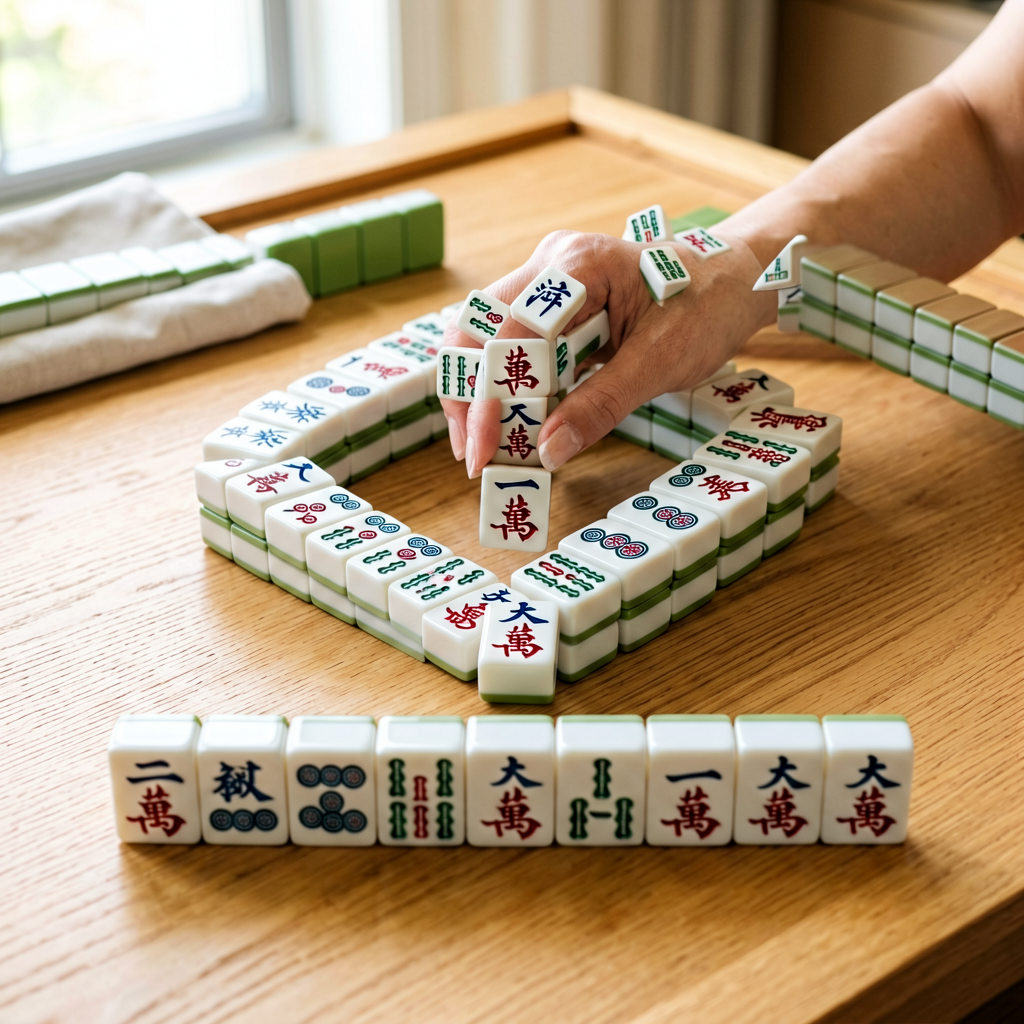
This is where the Charleston earns its keep. That first pass across the table is the perfect moment to shovel every off-suit tile you can toward your neighbors. Most players are glad to take tiles they need, and you get to empty your rack of the suits you’ve abandoned without “wasting” a normal discard on a tile someone might have grabbed anyway. By the time the Charleston ends, a player going single-suit should already be looking lopsided toward one suit. That lopsidedness is the whole point.
Skip the Charleston and try to dump a full suit through normal play, and you’ll spend half the game discarding tiles nobody wants yet, telegraphing your plan to everyone at the table.
The danger nobody mentions
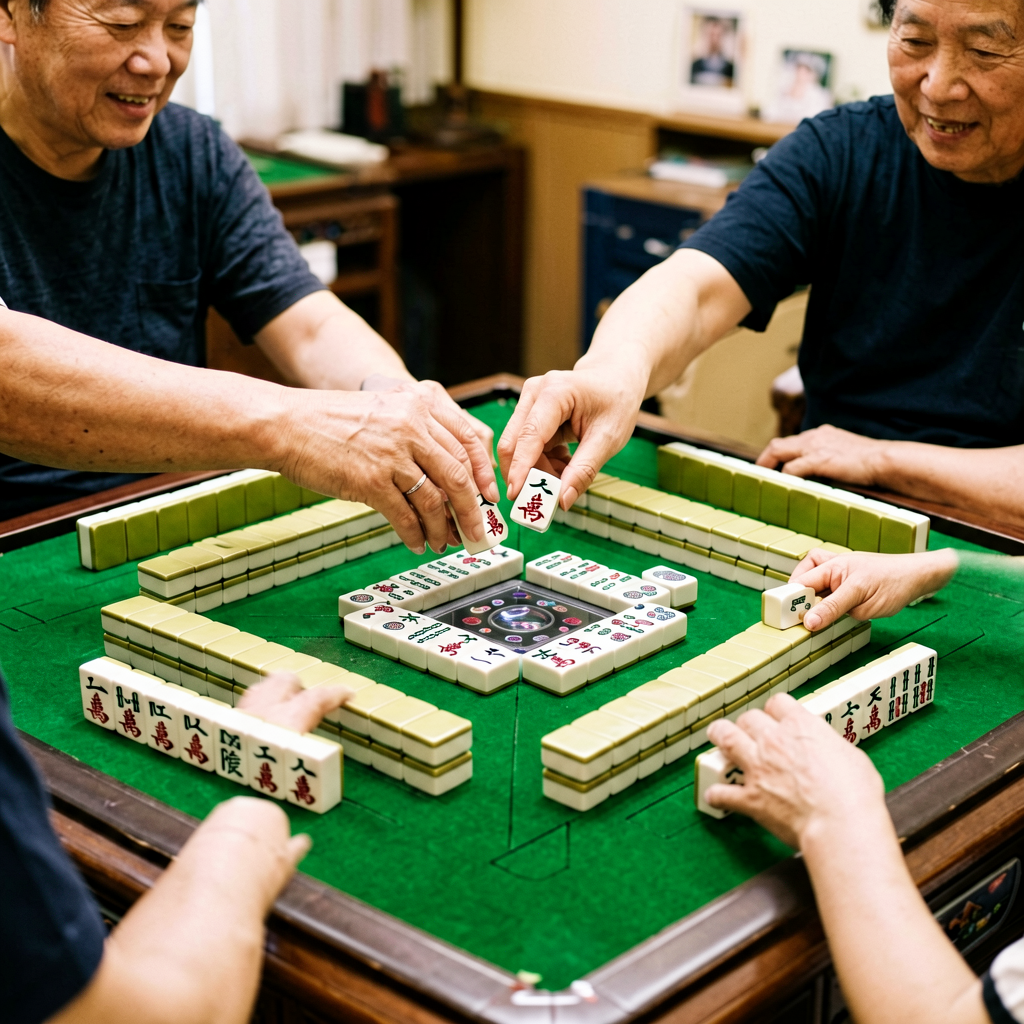
Single-suit hands are popular, which means other players may be fishing for the same suit. If three people at the table are all quietly collecting dots, the dots get scarce, and the discards you need start landing in someone else’s hand instead of yours. Narrow play makes the discards matter more, not less. A player going single-suit who ignores what everyone else is throwing is the player who ends up staring at a half-built hand when the game ends.
It helps to watch the exposures. If two opponents already have a dot combo on the table, your dot hand just got harder, and it might be time to bail before you’ve thrown away your safety tiles.
When the risk is actually worth it
Honestly, it depends on the card. Some years the single-suit hands carry real points and the gamble is justified. Other years they sit mid-tier and a flexible hand gets you there faster with less exposure. The move is to read the card first, decide whether the suit hand is worth chasing this season, and only then start dumping the other suits. Chasing a single-suit hand because it “looks neat” is how you end up stuck with no way out.
A good rule: if your opening rack already leans hard toward one suit, chase it. If it’s balanced across all three, forcing a suit is usually a mistake.
A habit that quietly helps
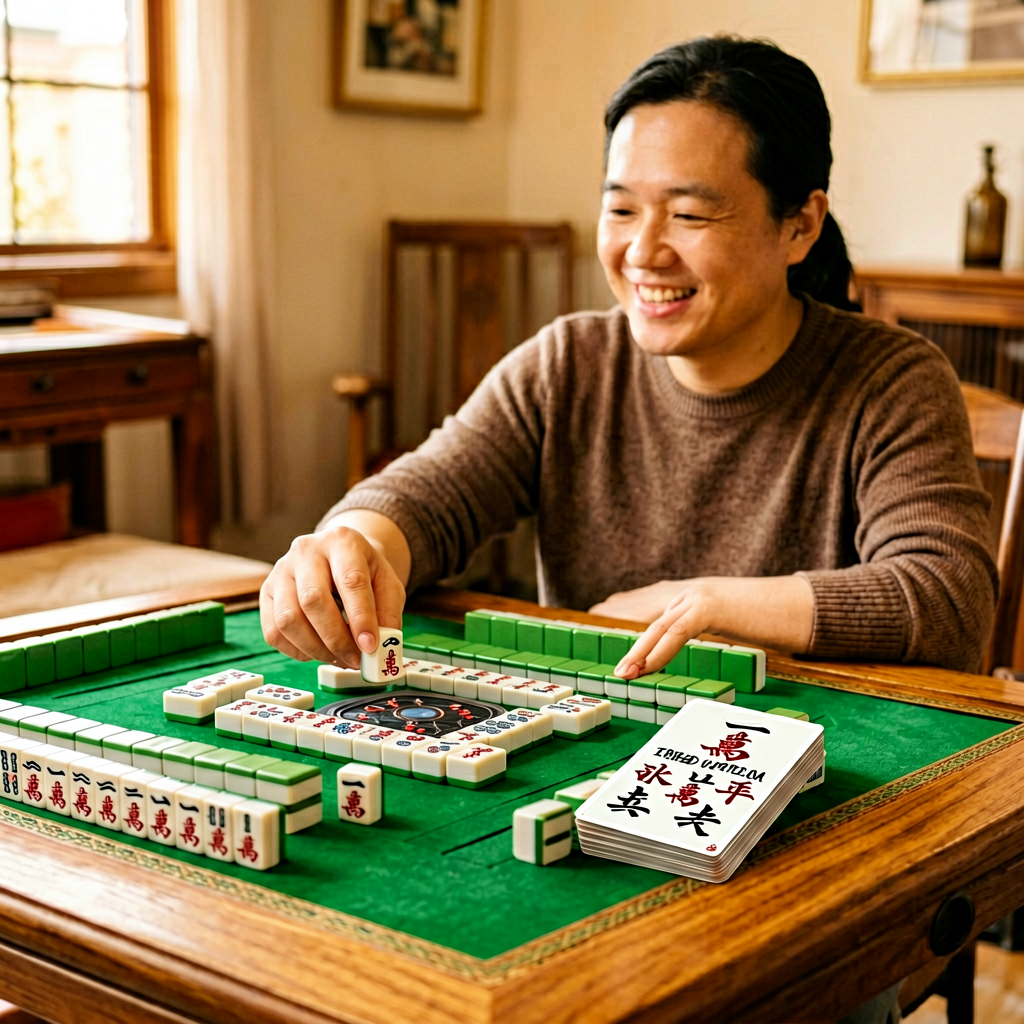
When you sort your rack, group by suit right away and count. If one suit is clearly ahead, say you’ve got a run, a pair, and a half-built combo, that’s your candidate. Don’t split your attention across two suits hoping one develops. Pick the stronger one, use the Charleston to shed the rest, and let other players’ needs carry your unwanted tiles away. The players who do this well make single-suit hands look easy, when really they just decided early and stuck to it.
The short version
All-one-suit hands are a commitment, not a coincidence. They’re clean to play but unforgiving when the tiles don’t show, and the Charleston is the tool that makes them reachable at all. Read the card, pick your suit early, and watch what everyone else is throwing. Do that and a hand that looks risky from the outside becomes one of the most satisfying ones to actually close out.