Winds and Dragons in American Mahjong: Why the Honor Tiles Carry More Weight Than You Think
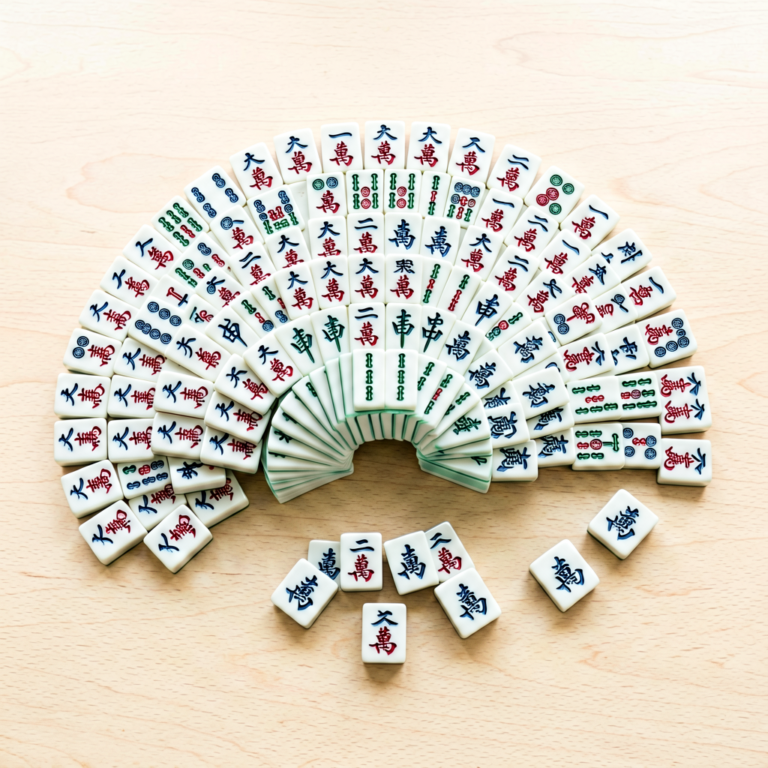
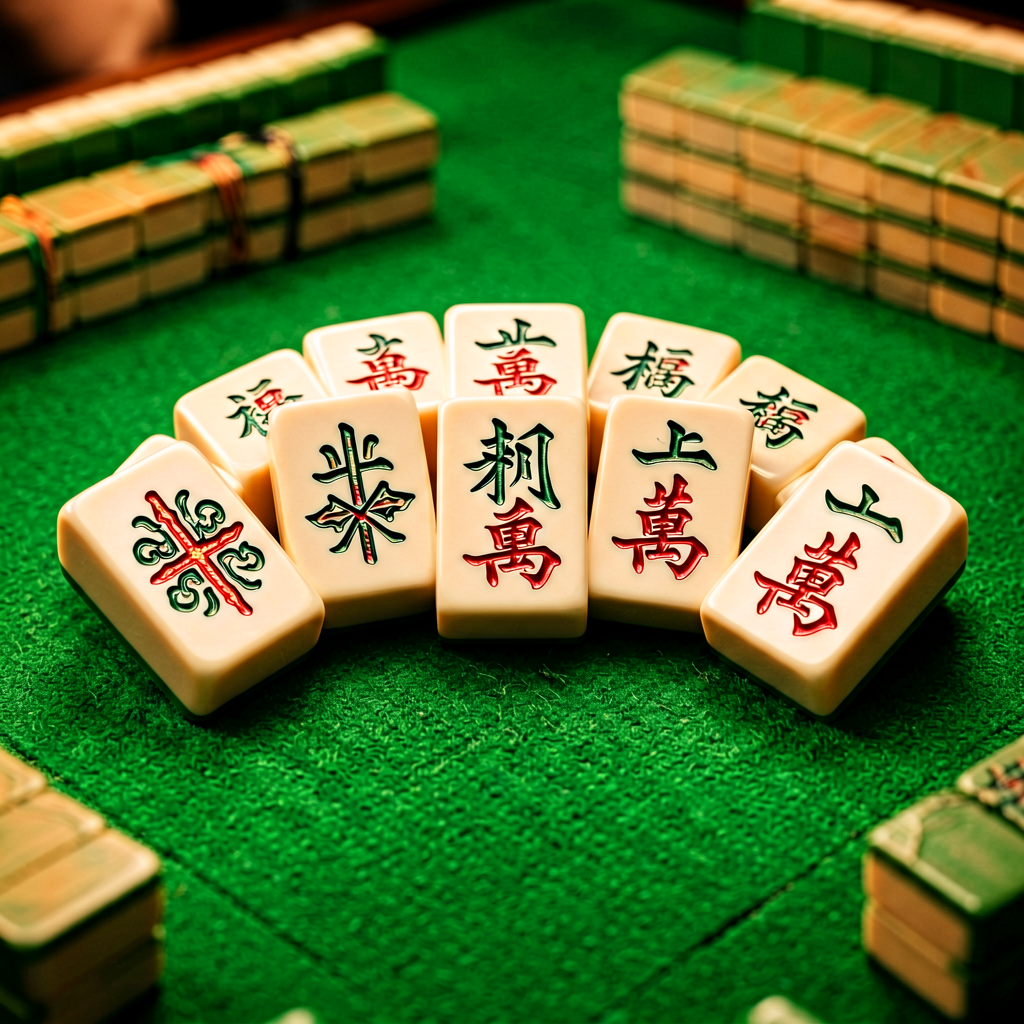
The first thing most people notice about an American mahjong set is the noise of the tiles. The second thing, once they slow down, is a small group of tiles that don’t behave like the rest. No numbers, no suits you can line up in a run. These are the winds and the dragons, and if you treat them as leftovers you’ll keep missing hands that were sitting right in front of you.
What the honor tiles actually are
American mahjong has four winds: East, South, West, and North. It also has three dragons: Red, Green, and White. You get four of each, so that’s sixteen winds and twelve dragons in a standard 152-tile set. They have no neighbors. You can’t make a sequence out of them the way you can with a 3-4-5 of dots. What you can do is pair them, triplet them, or kong them.
That single fact changes how you think about them. A numbered tile is usually part of several possible runs. A wind or dragon is only ever a combo piece. So when one shows up, the question isn’t “what can it connect to,” it’s “does my hand want a pair of these, or a triplet.”
Why winds are sneakier than they look
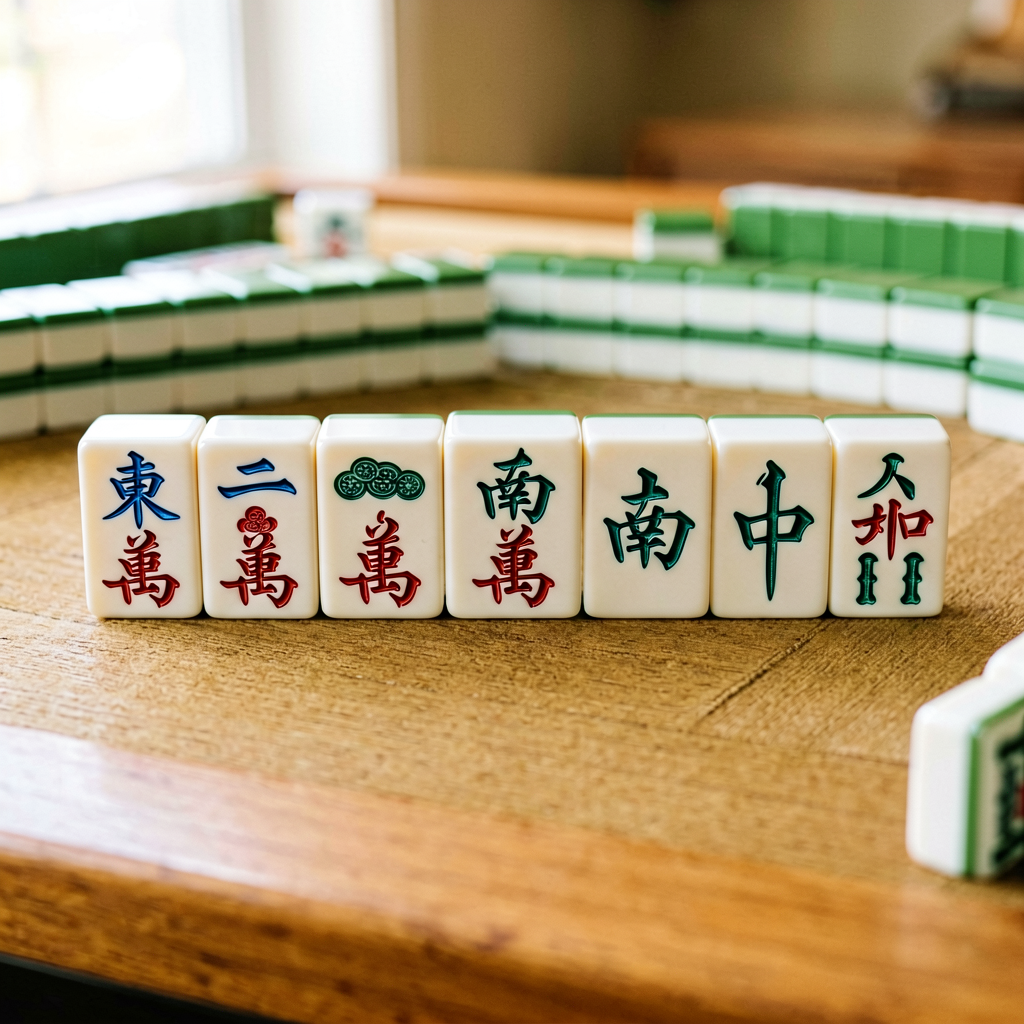
Winds matter in American mahjong for a reason that barely exists in other versions of the game. Every player is assigned a seat: East, South, West, or North. There’s also a “round wind” that rotates as the game moves through hands. A lot of card hands quietly ask for your own seat wind, or the current round wind, as part of the requirement.
So a South tile that looks dead to you might be gold to the player sitting in the South seat. And the same tile can be trash in one hand and mandatory in the next, depending only on where everyone is sitting and which round you’re in. That’s why experienced players don’t just count winds as generic discards. They check the seat assignment first.
There’s also the famous “NEWS” family of hands that build around all four winds at once. When one of those is live on the card, every wind you’ve been tossing becomes a tile you wish you’d kept.
Dragons are the most flexible building blocks
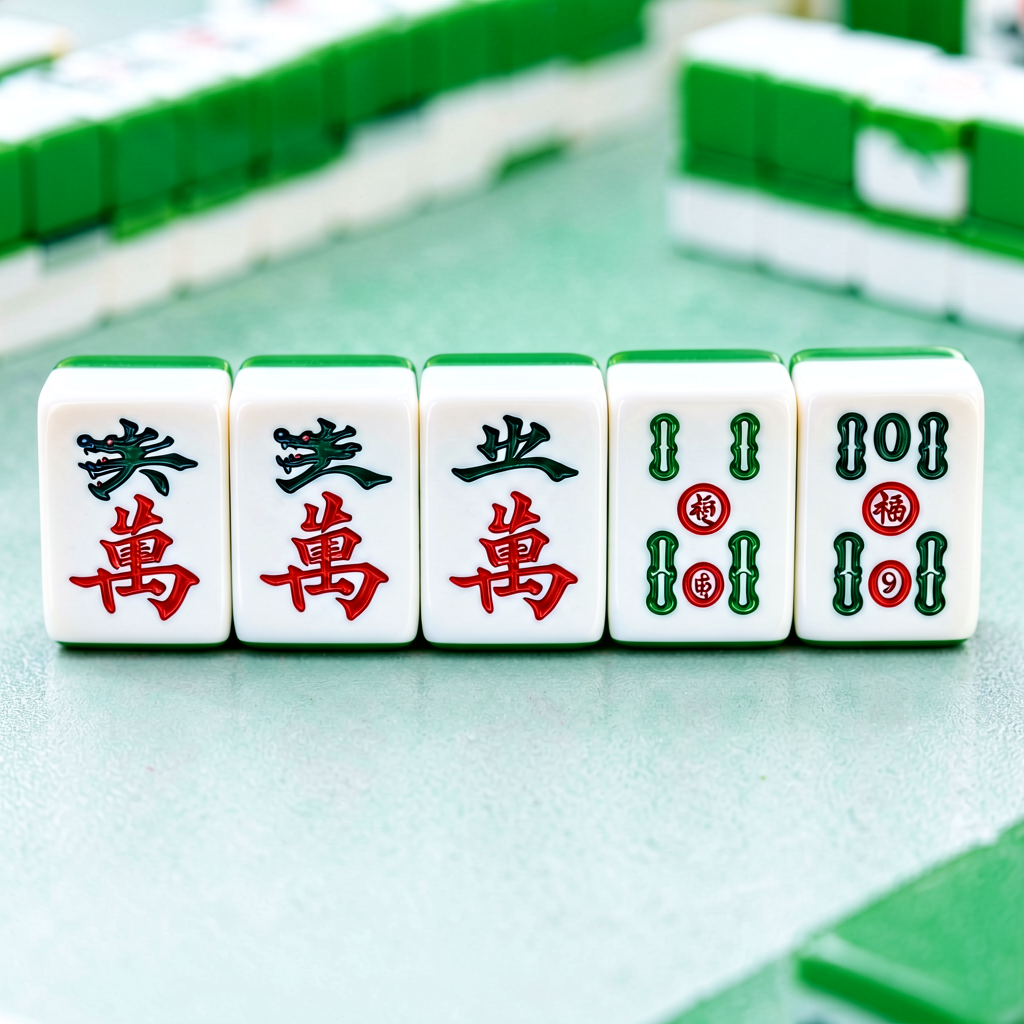
If winds are situational, dragons are dependable. They show up as required pairs or triplets in a huge share of card hands. A “red dragon pair” or “any two dragons” shows up so often that keeping a dragon you don’t need yet is rarely a waste.
The White dragon is the odd one visually, often just a blank tile or a blue frame depending on the set, which throws off newcomers. Don’t let the blank face fool you. It scores exactly like the Red and Green dragons, and plenty of hands call for a specific one of the three. Learn to spot your set’s White dragon fast, because fumbling it at the table costs you a beat every single round.
How the card uses them
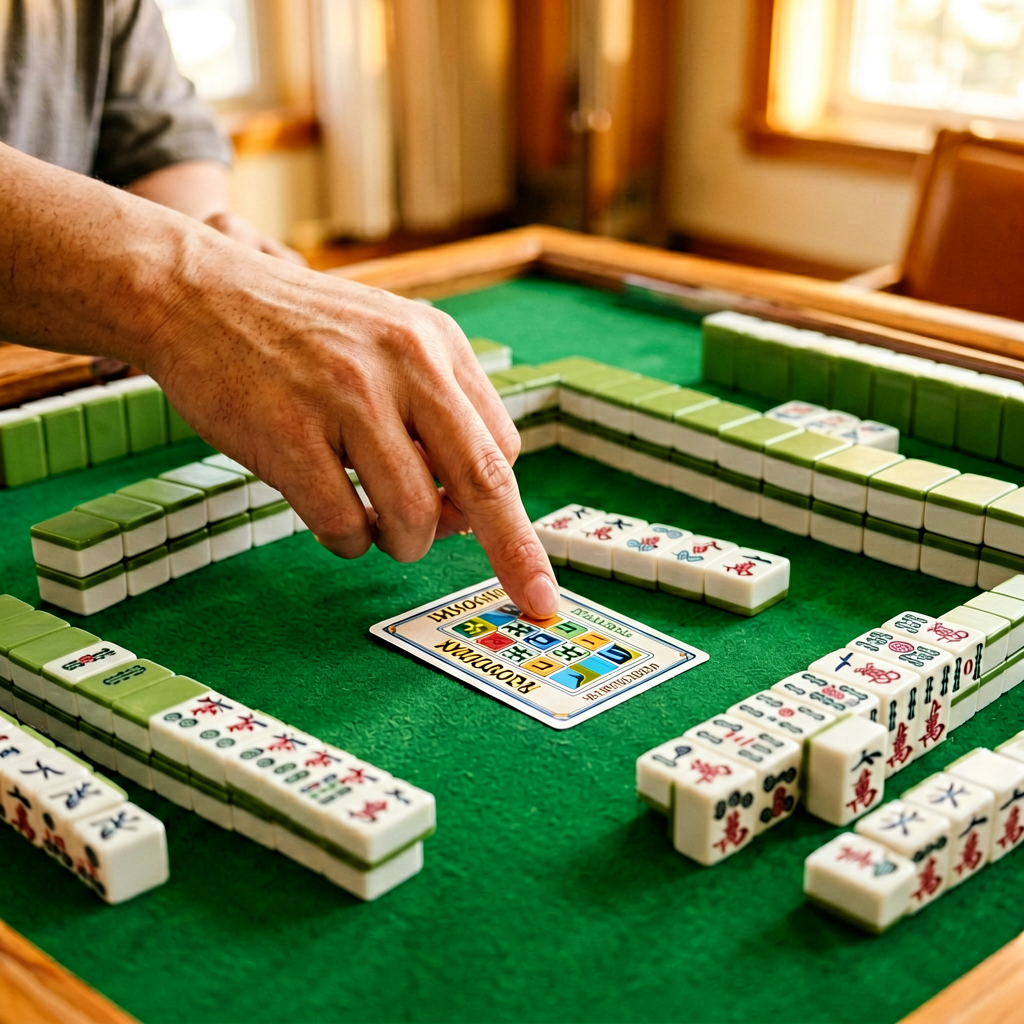
Here’s the part that saves you real trouble. In American mahjong you don’t guess whether winds or dragons fit a hand. The card tells you. Many hands list exact honor requirements right in the line: a pair of dragons here, your seat wind there, all four winds somewhere else. When you’re deciding what to keep, the card is the shortcut. Match your tiles to a live hand that wants them, and the honor tiles stop being mystery pieces.
The trap is holding honor tiles for a hand that isn’t on the current card. The card changes every year, and a hand that loved dragons last season might not exist this season. Read the card for the year you’re playing, not the one you remember.
A simple habit that pays off
Next time you sort your rack, do one extra thing. Separate the winds and dragons out where you can see them. Ask two questions. First, is there a live card hand that wants any of these as a pair or triplet. Second, does my seat or the round wind make one of the winds more valuable than its neighbors. Answer those two and you’ll keep tiles most players throw, and you’ll throw tiles most players hoard.
None of this is complicated. The honor tiles aren’t a secret system. They’re just a set of pieces with very specific jobs, and the card is honest about what those jobs are. Learn the jobs and the rest of your hand planning gets quieter, because a big chunk of the puzzle is already printed in front of you.
The short version
Winds and dragons aren’t decoration. They’re combo-only tiles that the card leans on constantly, winds because of seats and rounds, dragons because they fit everywhere. Check your seat, read the current card, and stop treating them as scraps. Do that and a lot of hands that felt out of reach will start to open up.