American Mahjong, Demystified: The Tiles, the Card, and Why Everyone’s Playing
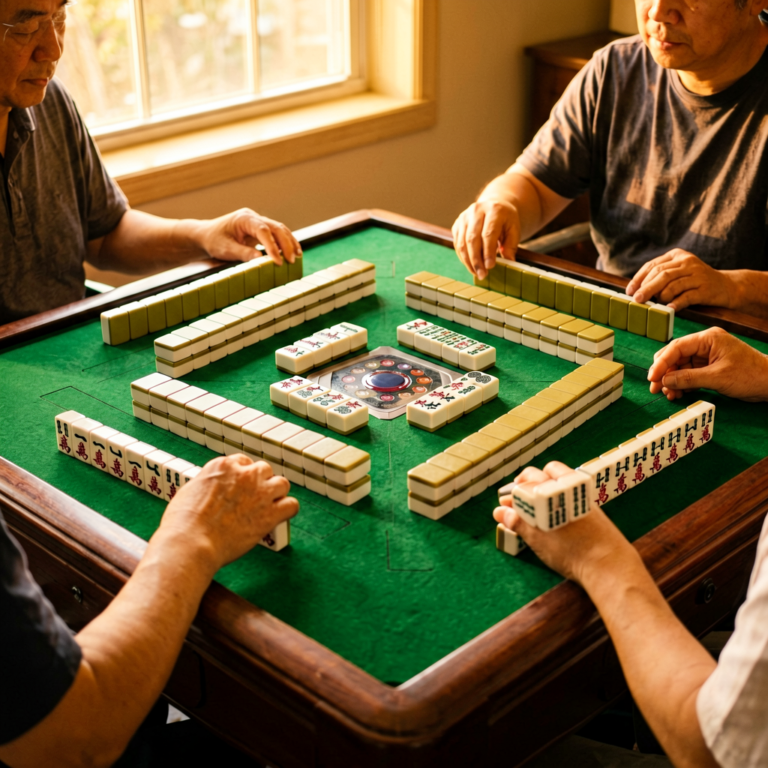
American mahjong looks familiar if you have seen any kind of mahjong before. Spend five minutes at a real table, though, and you will notice it plays by its own rules. The tiles are there. The clicking and shuffling are there. But the goals, the scoring, and even the rhythm feel different. If you have been curious about picking it up, here is the plain version of how it works and what makes it such a social obsession.
Where it came from
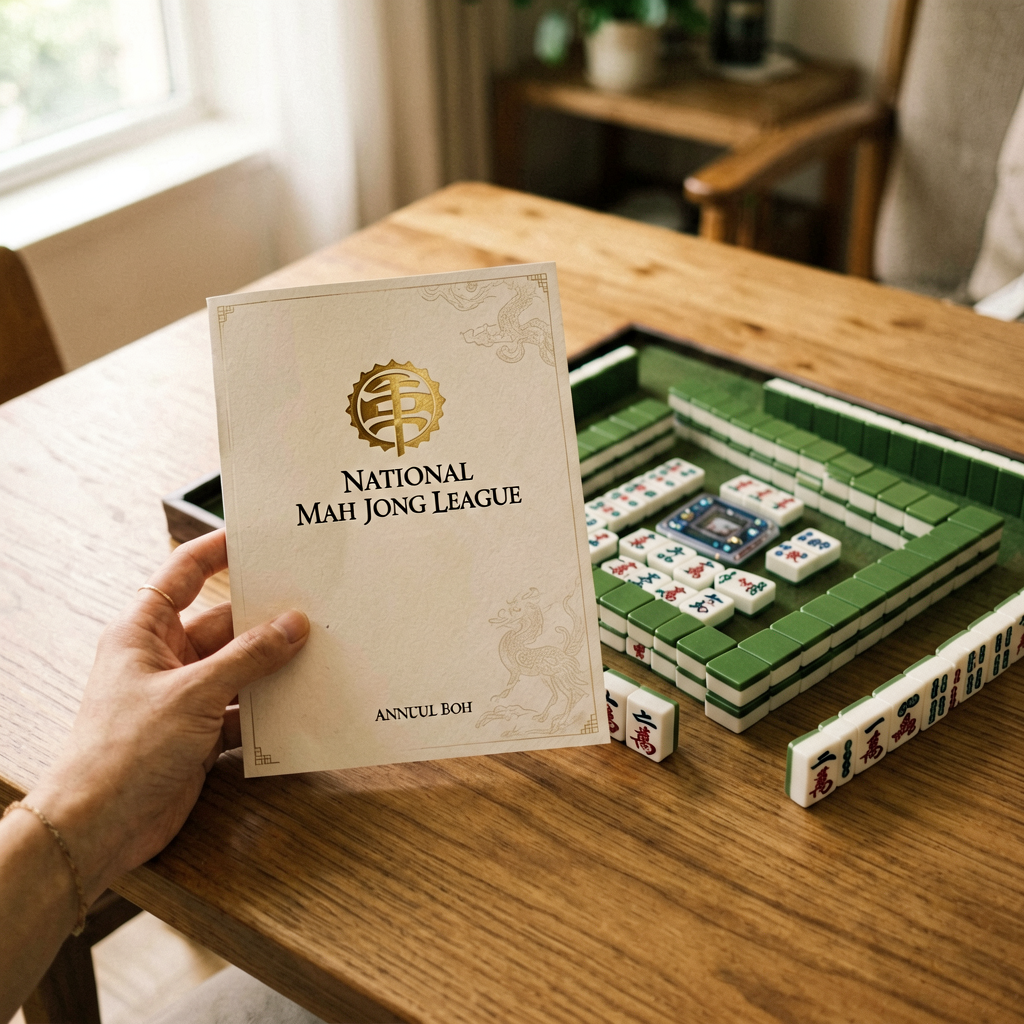
The American game grew out of the classic Chinese version that came over with immigrant families in the early 1900s. By the 1930s it had developed its own identity, and in 1937 the National Mah Jongg League was founded to standardize the rules. That organization is still around today, and it publishes the one thing every American player thinks about: the annual card.
What is actually in a set
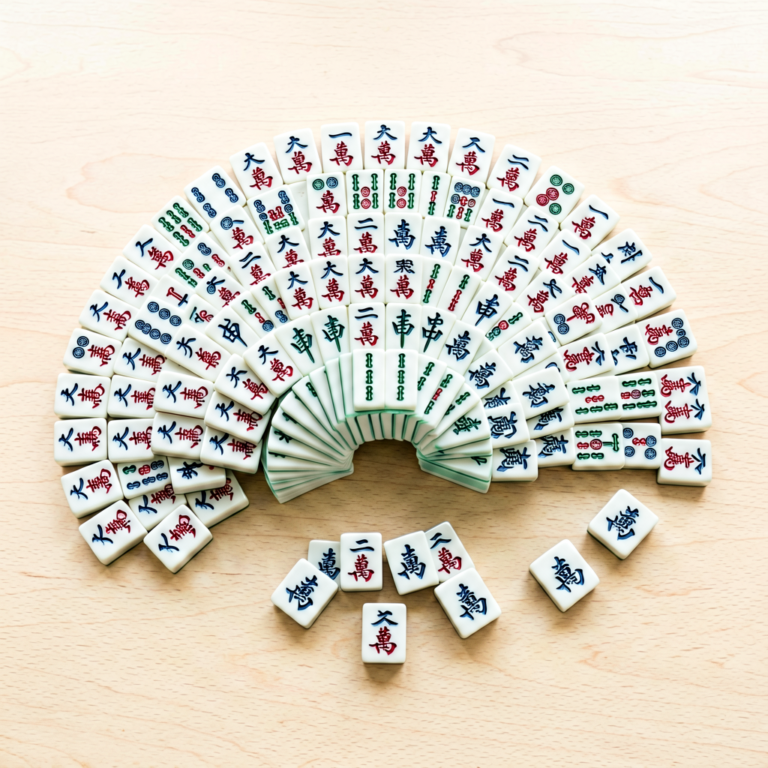
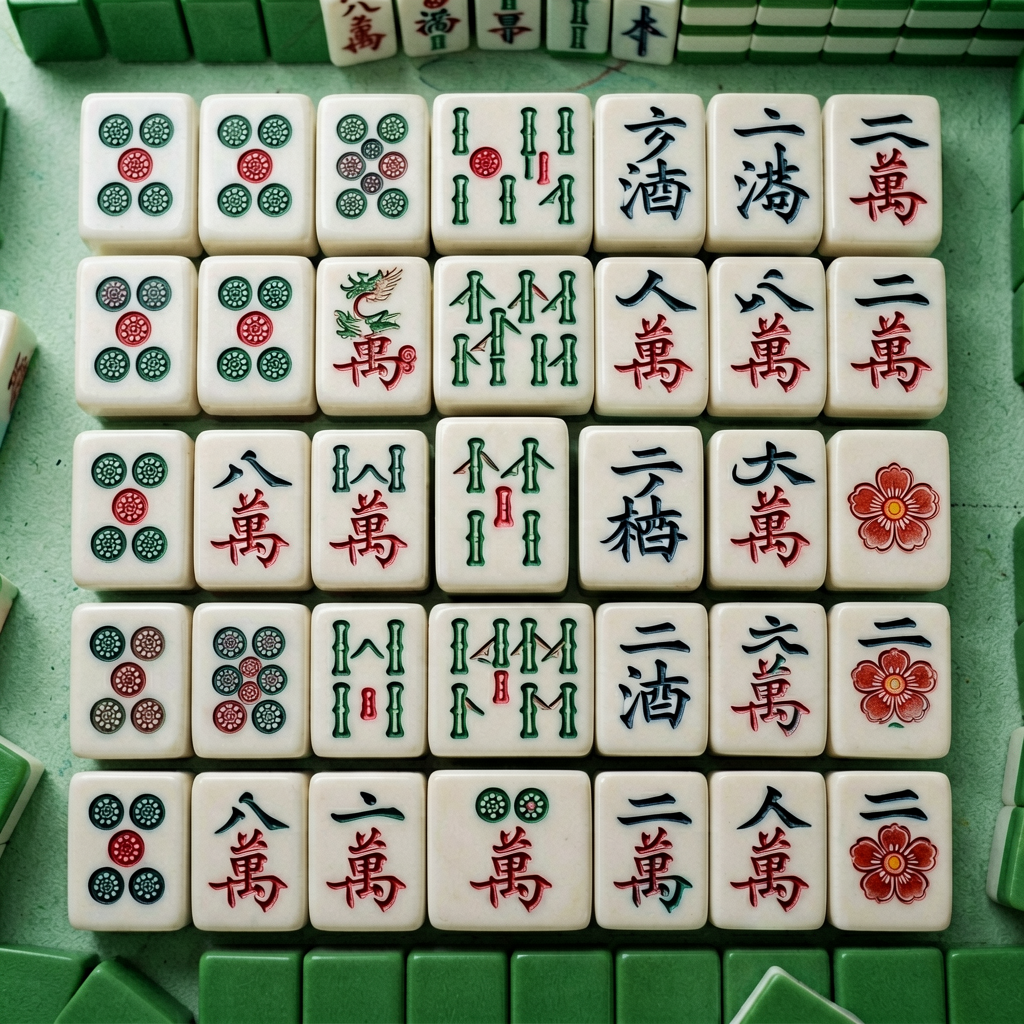
A standard American set runs 152 tiles, quite a few more than you will find in an Asian set. You get three numbered suits, dots, bamboo, and characters, each running one through nine. Then there are the honors: winds (east, south, west, north), dragons (red, green, white), and a set of flower and season tiles that do not show up in every other variant. Those extra tiles are exactly why the American game can build the longer, more elaborate hands that players enjoy.
The card is the whole game
Here is the part that catches newcomers off guard. In many mahjong styles you can build almost any hand the rules allow. In American mahjong, the hands you are allowed to make are printed on a card that changes every year. The National Mah Jongg League releases a new one each spring. Players buy it, study it, and talk about it for months.
The card lays out specific combinations. Think of runs like “2468,” quints (five of a kind, which only work because of those extra tiles), and themed sequences. You pick a hand from the card before you start building, and you have to complete that exact pattern to win. Miss a tile and you might be stuck chasing a hand nobody else at the table is even playing.
How a round actually goes
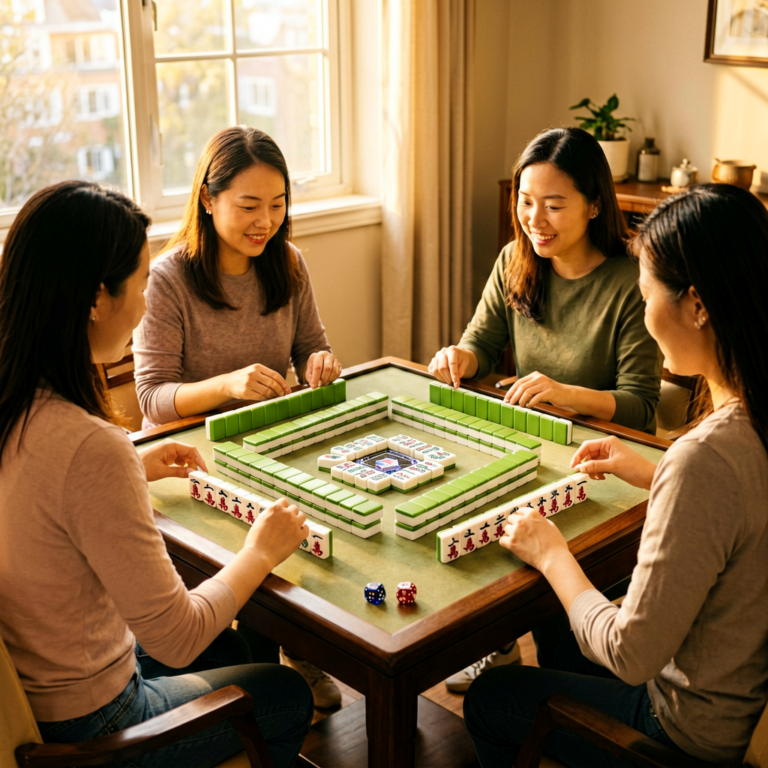
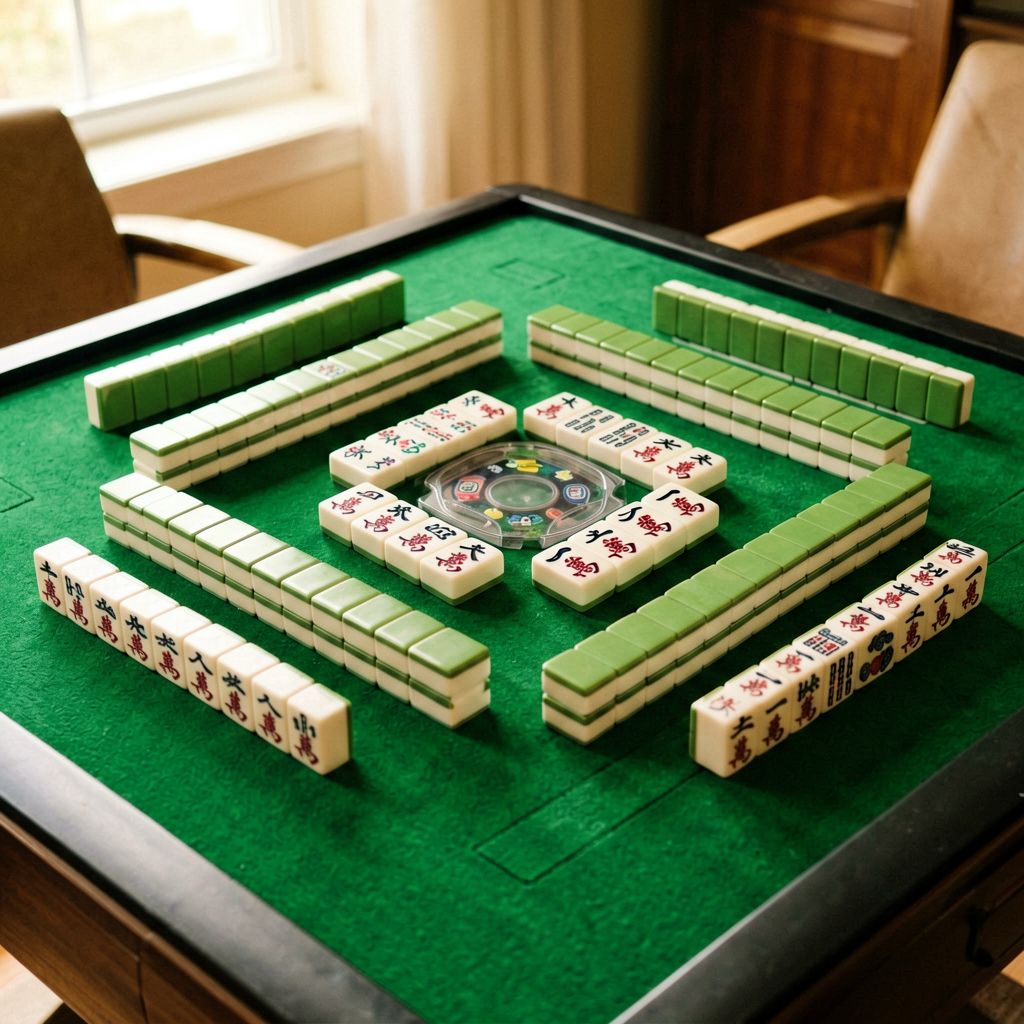
Play moves counterclockwise, which trips up people used to the clockwise flow of the Chinese game. Everyone starts with thirteen tiles and draws and discards in turn, trying to shape their chosen hand. There is a calling system. If another player discards a tile you need, you can claim it to complete a group, though doing so locks part of your hand. The first person to finish the pattern on their card calls “Mahjong!” and wins the hand.
It sounds strict, and it is. That structure is also what makes it learnable. You are not free styling every round. You are working a puzzle that someone already designed for you.
Why it is so social
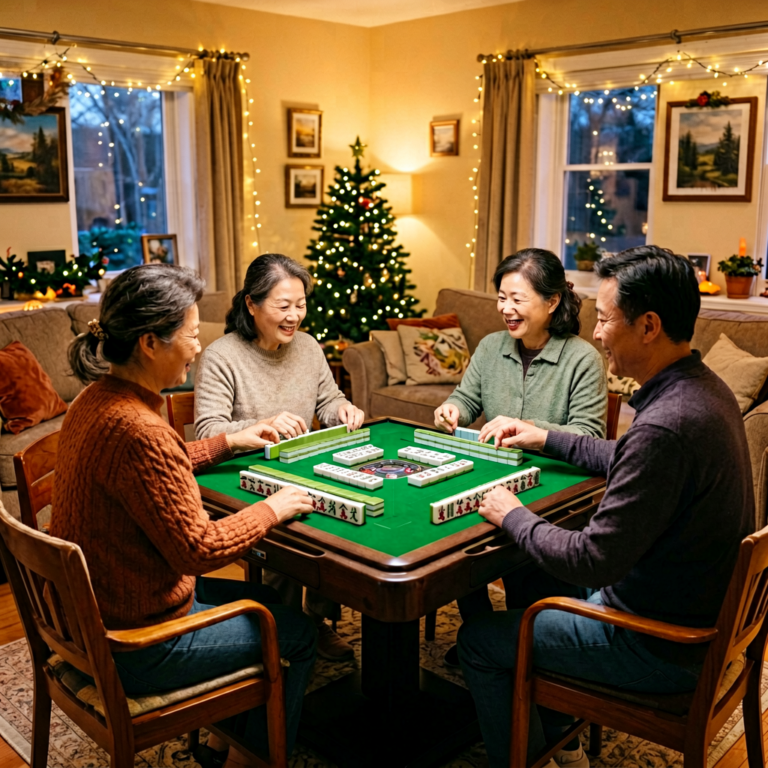
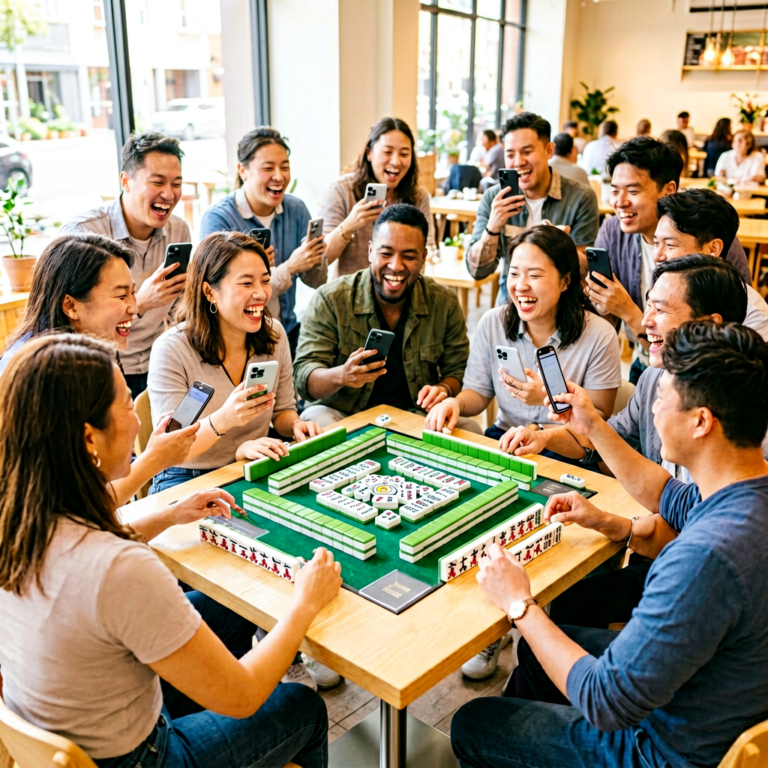
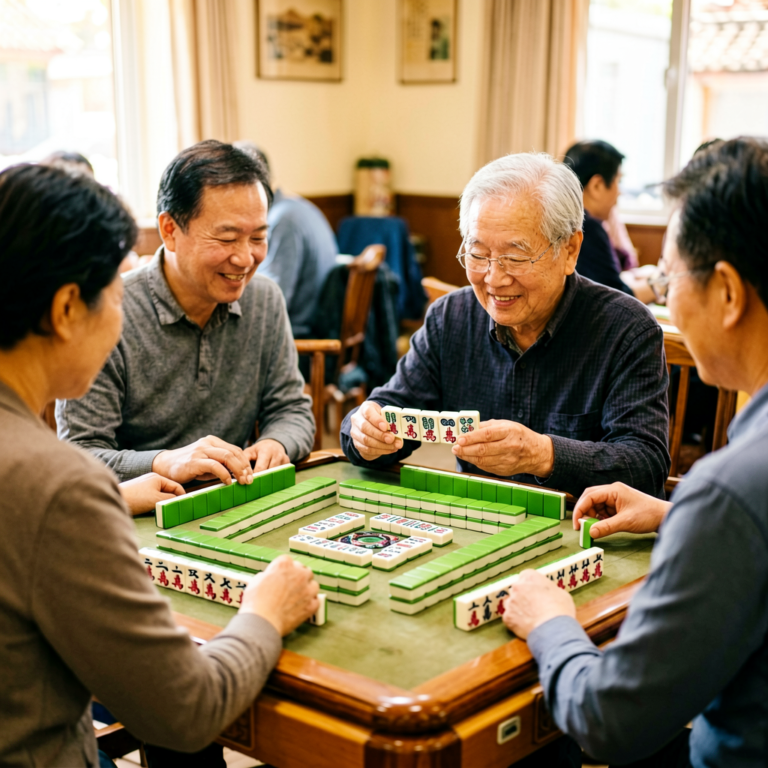
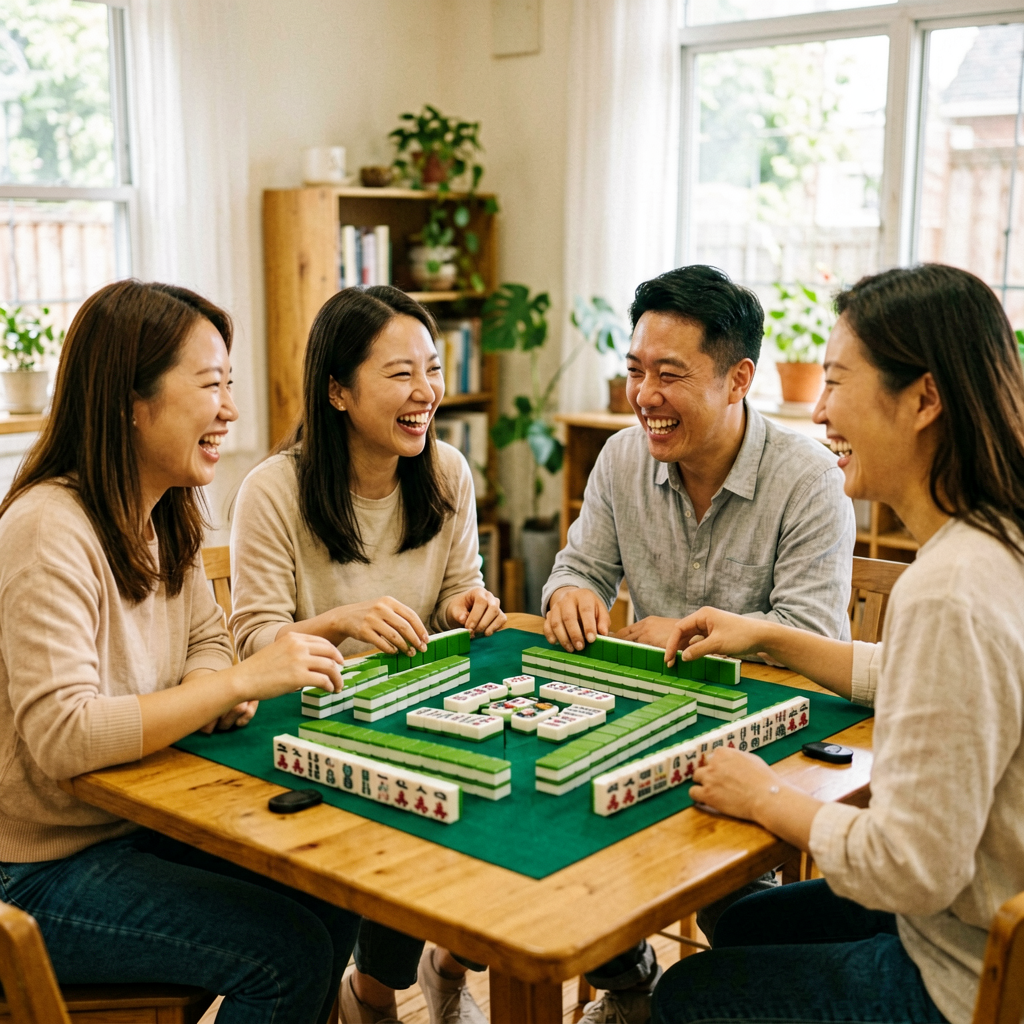
Ask anyone who plays and they will tell you it is less about winning and more about the table. American mahjong has a strong community, especially among the women who have kept the game alive for generations. Weekly games, potlucks, and tournaments are the norm. The card gives everyone a shared language, so a table of mixed experience can still have a great time.
A word on the sets themselves
Not all mahjong sets are built the same. The American version needs those extra tiles, and the styling matters more than you might expect when you are handling them for hours. Weight, the feel of the engraving, the case it travels in. These are the things regular players actually talk about. A well made custom set turns a hobby into something you are happy to leave out on the table.
If you are thinking about starting, the fastest route is to find a group, grab a copy of this year’s card, and play a few hands with someone who already knows the rhythms. The rules click faster in person than they do on paper.