American Mahjong vs. Chinese Mahjong: What Actually Changes at the Table
Pick up a tile from an American set and one from a Chinese set and they feel like the same family. Sit down at the two tables, though, and you will see two different games wearing similar clothes. If you have learned one and you are curious about the other, here is where they actually part ways.
The sets are not the same size
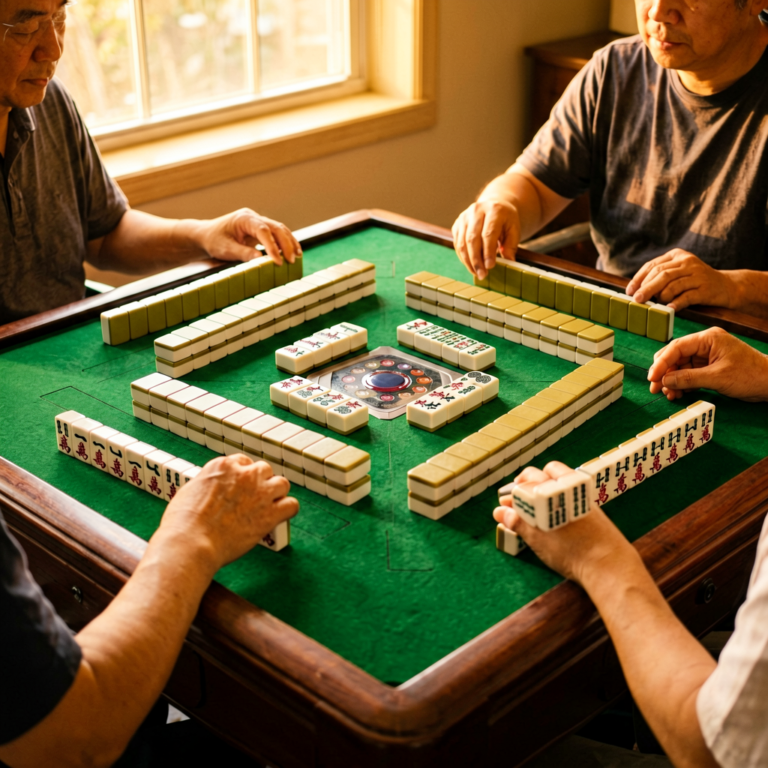
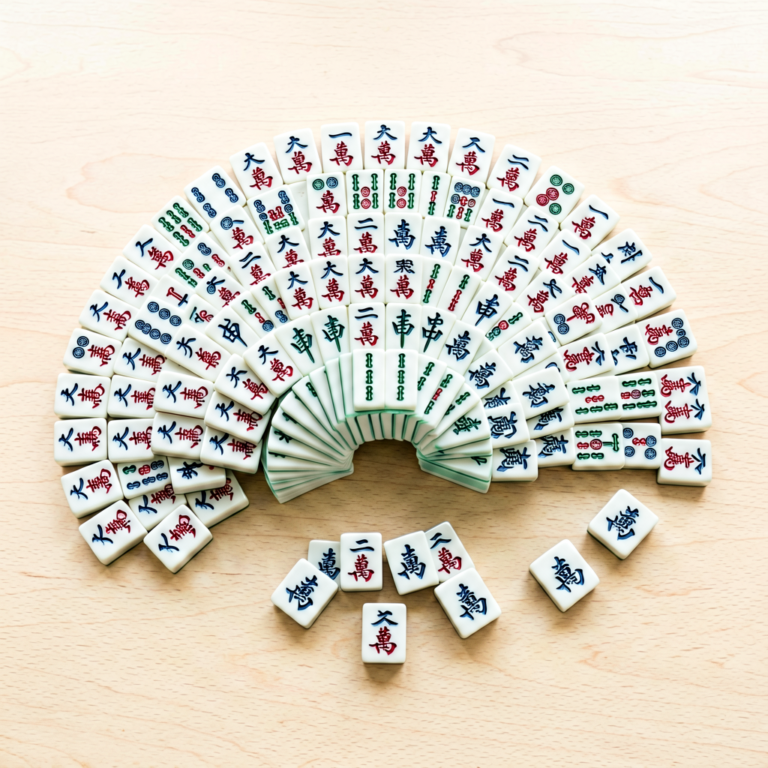
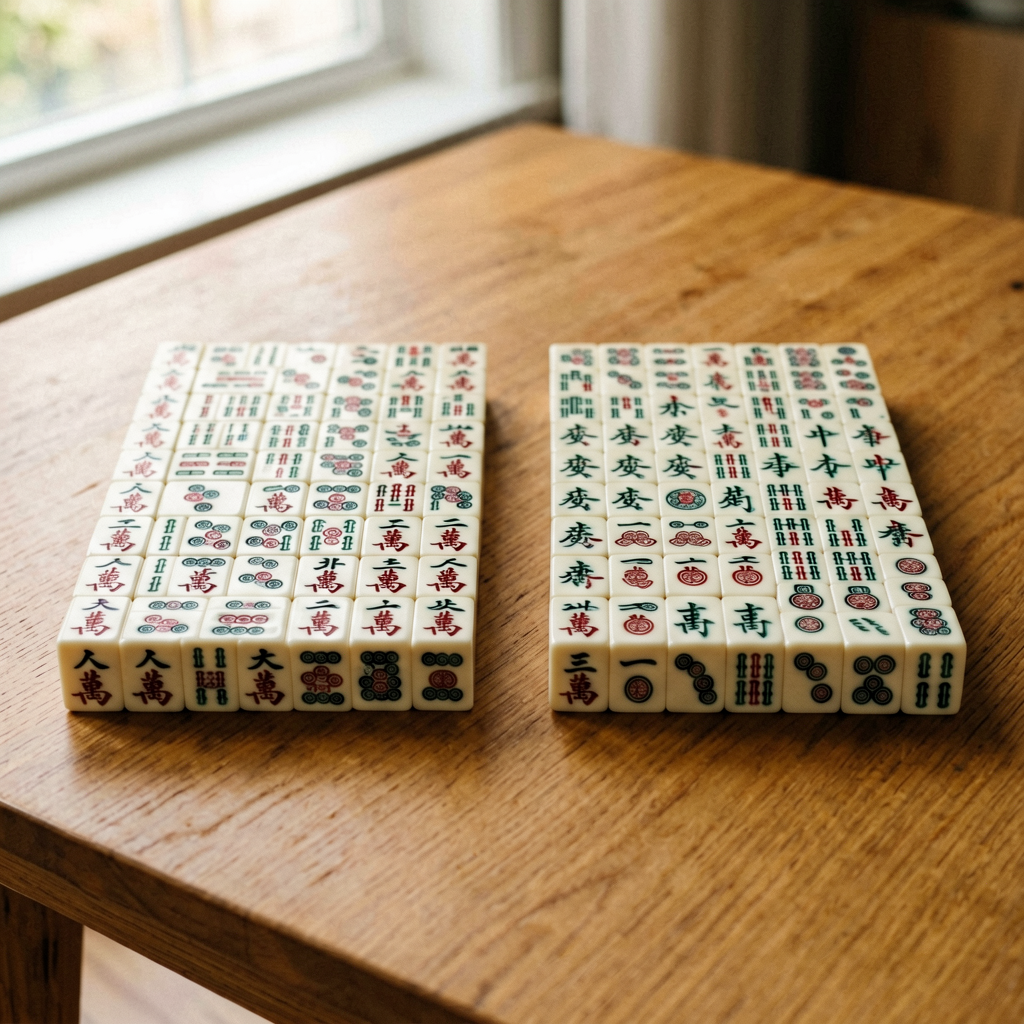
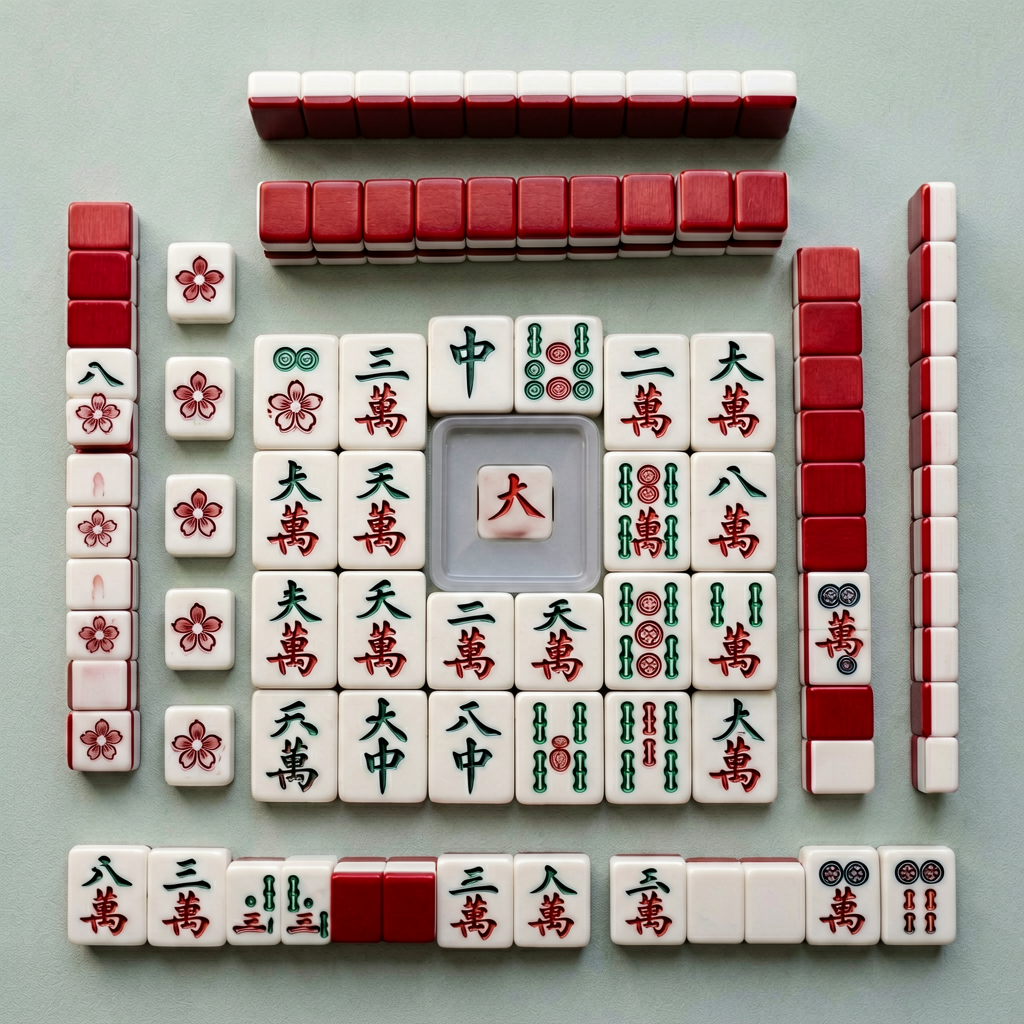
An American set carries 152 tiles. A standard Chinese set carries 144. That gap matters more than it sounds. The eight extra tiles in the American set are the flowers and seasons, and they are the reason certain American hands can get as long and as odd as they do. You cannot just swap sets and expect the rules to line up.
You build toward a card, not just any winning hand
This is the big one. In Chinese mahjong you can shape almost any legal hand the tiles allow, and you are free to change your mind as the game goes. In American mahjong the hands you are allowed to make are printed on a card that the National Mah Jongg League refreshes every year. You pick a hand off that card before you start, and you are stuck chasing that exact pattern. Miss a tile and the whole plan shifts.
How the turns move
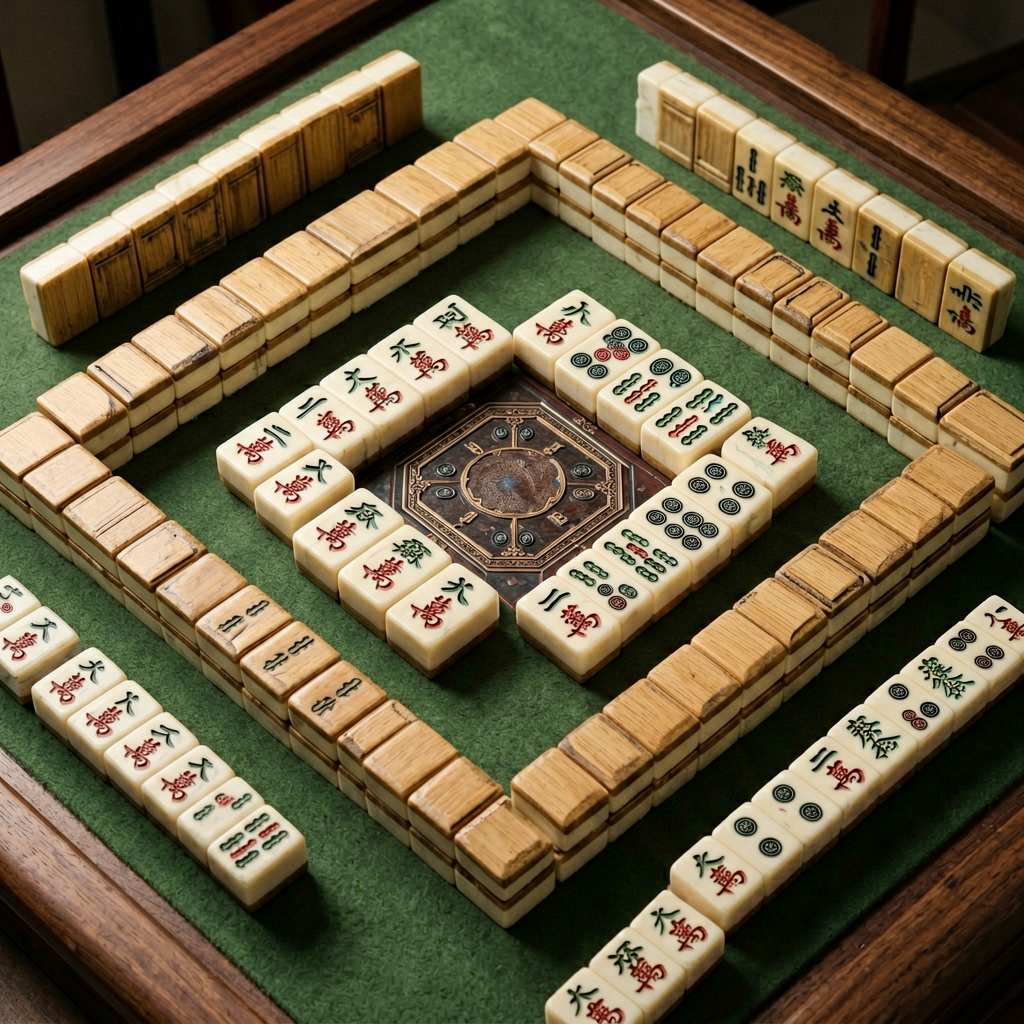
American play runs counterclockwise, and because you have committed to a hand from the card, a lot of the thinking happens before the first tile is drawn. Chinese play also tends to move counterclockwise, but the feel is different because you keep your options open and can pivot when a better hand shows up. If you are switching between the two, the thing that trips you up is not the direction. It is having to commit early in one and stay flexible in the other.
Calling tiles and showing your hand
Both games let you claim a discard to complete a group. In American mahjong, claiming a tile to finish a set usually means exposing that group face up on the table, which locks that part of your hand into place. It is a trade. You speed up one section but you cannot hide what you are building. Chinese styles have similar calls, but the exposure rules and the scoring behind them vary a lot by region.
How you actually win and score
Finish your hand in American mahjong and you call Mahjong, same as anywhere. The difference is what counts as finished: your specific card hand. Chinese mahjong scores on a fan system, where different completed patterns are worth different points and you add them up. One rewards hitting a preset target. The other rewards knowing which patterns are worth the most.
The people around the table
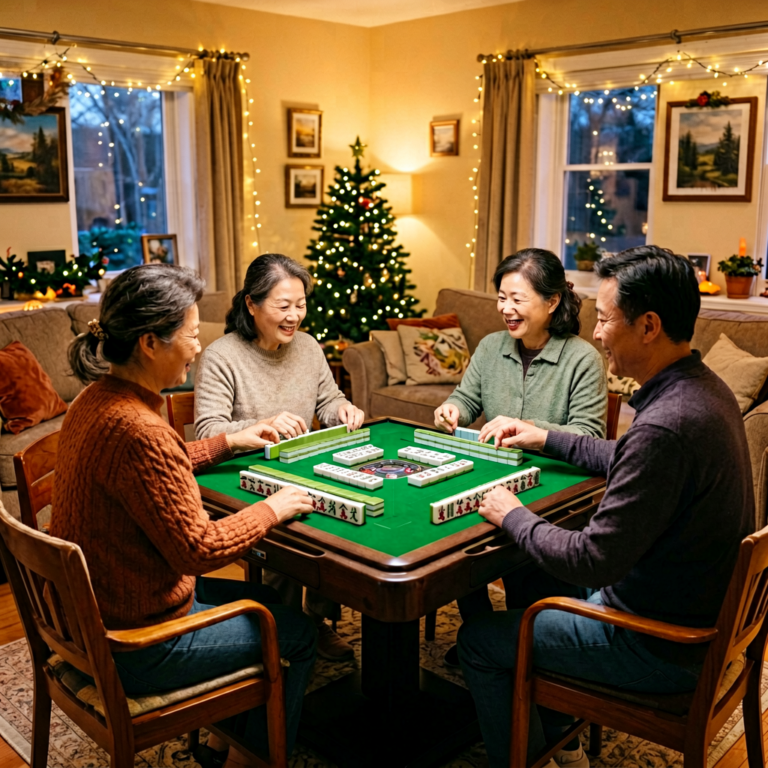
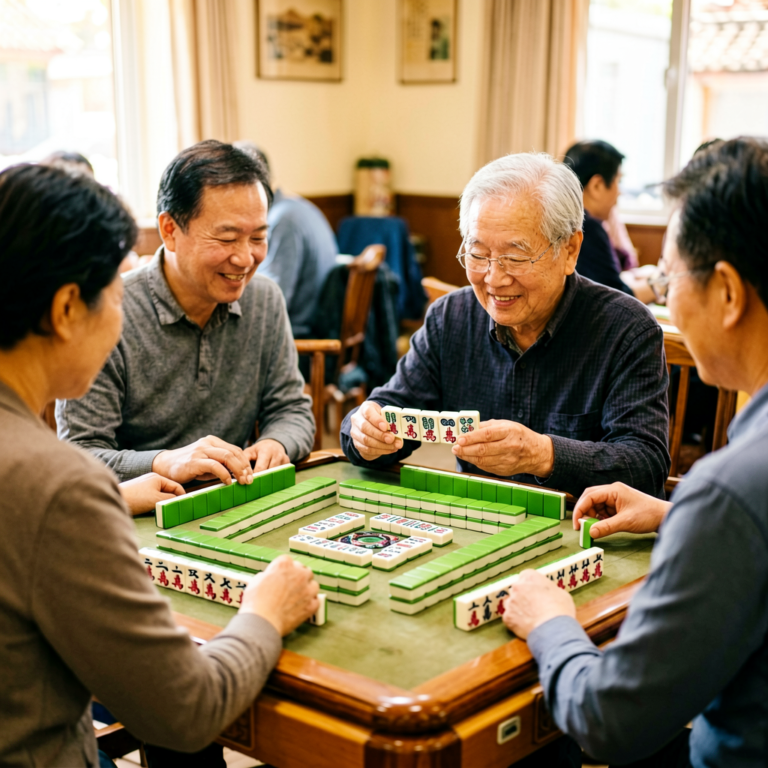
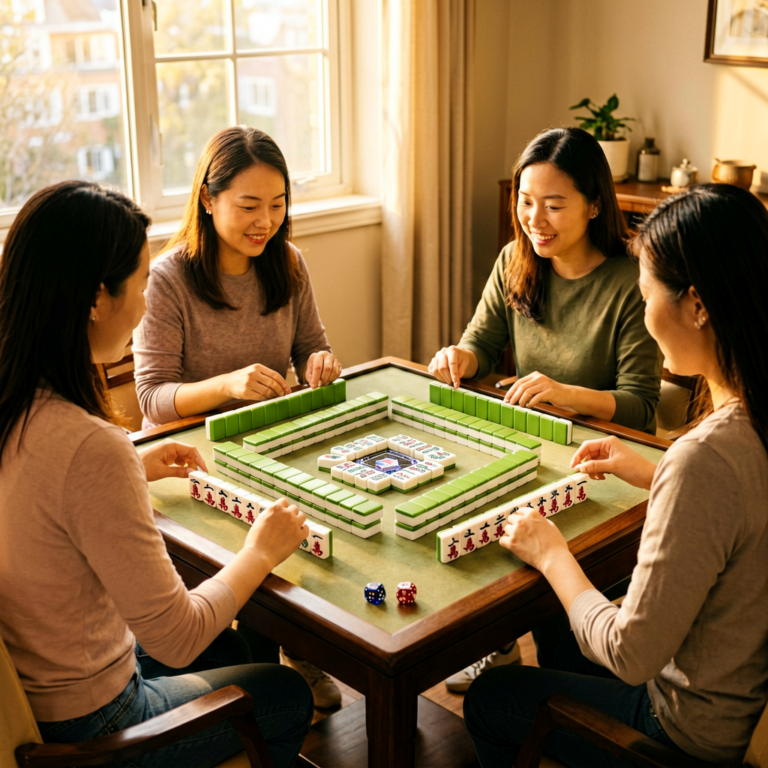
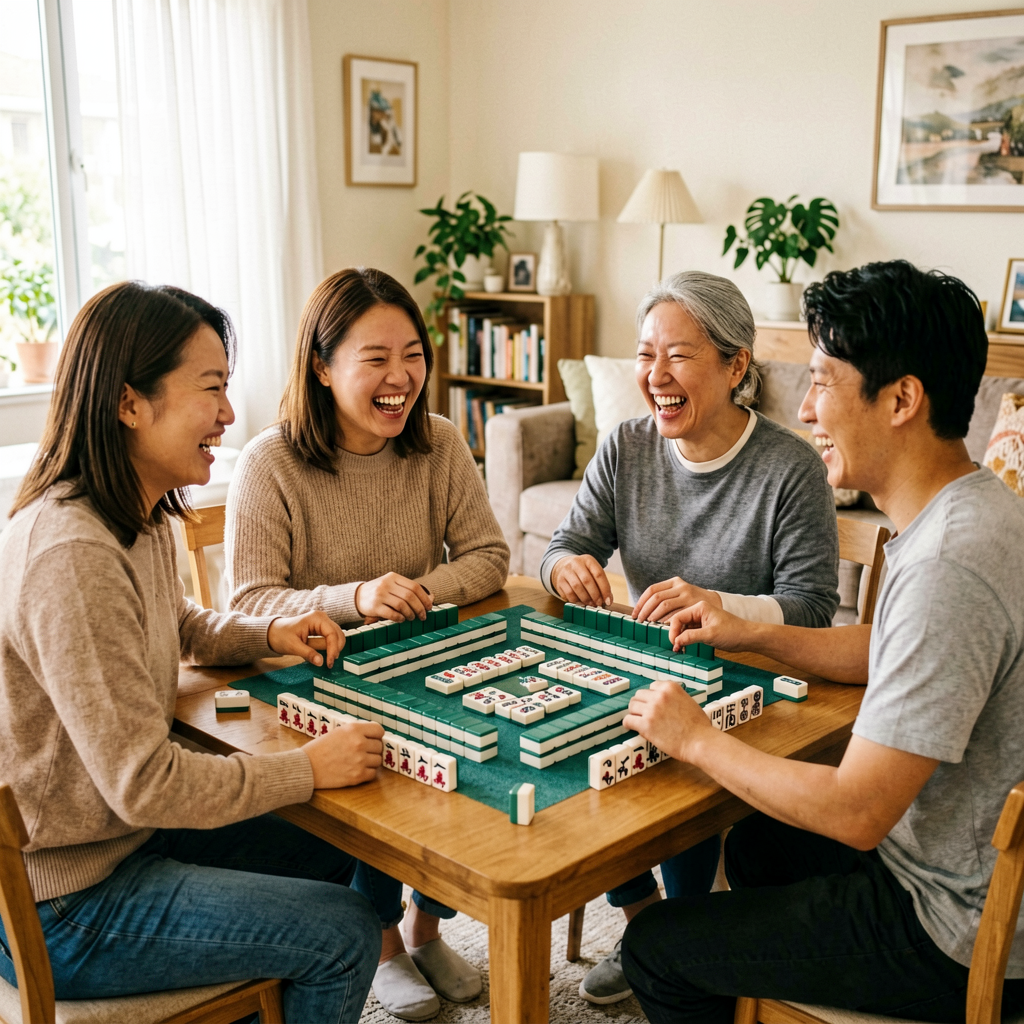
American mahjong has a strong social streak, with clubs, leagues, and regular games that have kept it alive for generations, much of it community led by women who turned it into a fixture of summer and friendship. Chinese mahjong is just as social but leans more on family and local tradition, with rules that shift from city to city. Either way, the table is the point.
So which one do you learn
If you like a clear structure and a built in community, American mahjong is an easy yes. The card tells you what to aim for, and there is always a group to join. If you want more room for strategy and local flavor, Chinese mahjong has deeper variation. And if you are buying a set, match it to the game: 152 tiles for American, 144 for Chinese. A set built for the wrong game will leave you short when it matters.