The Etiquette of American Mahjong: Unwritten Rules That Keep the Table Friendly
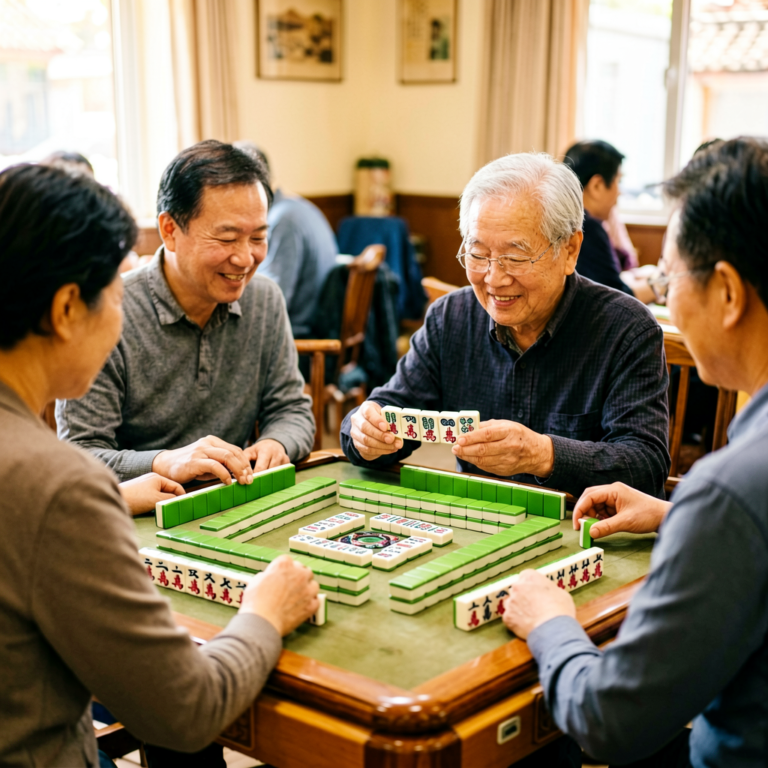
You can learn the rules of American mahjong in an afternoon. The card, the Charleston, the jokers — none of it is that hard once someone walks you through it. But there’s a second layer that nobody prints on the rule sheet, and it’s the part that decides whether people actually want to play with you again. It’s etiquette. The little unwritten habits that keep four strangers, or four friends, at the same table for three hours without anyone wanting to flip the board.
If you grew up with the game, a lot of this is muscle memory. If you’re new, it can feel like there’s a secret test you didn’t study for. There isn’t. Here’s the stuff experienced players quietly expect, and why it matters.
Say what you’re doing — out loud
American mahjong is a talking game, and the talking starts with your discards. When you throw a tile, name it. “Eight dot.” “Red dragon.” “Joker.” It sounds fussy until you’ve played a hand where somebody tossed a tile face-down and three people had to stop and squint at it. Calling your discards keeps the game moving and stops the “did you really throw that?” arguments before they start.
The big one is the win call. When you complete a hand, you say “Mahjong” — clearly, and before you start grabbing tiles. Mumbling it while you’re already sweeping up your rack is how disputes happen. Say it, let the table confirm, then gather your hand. Some groups are strict about this; a win you didn’t announce is sometimes a win that doesn’t count.
Keep your hands to yourself
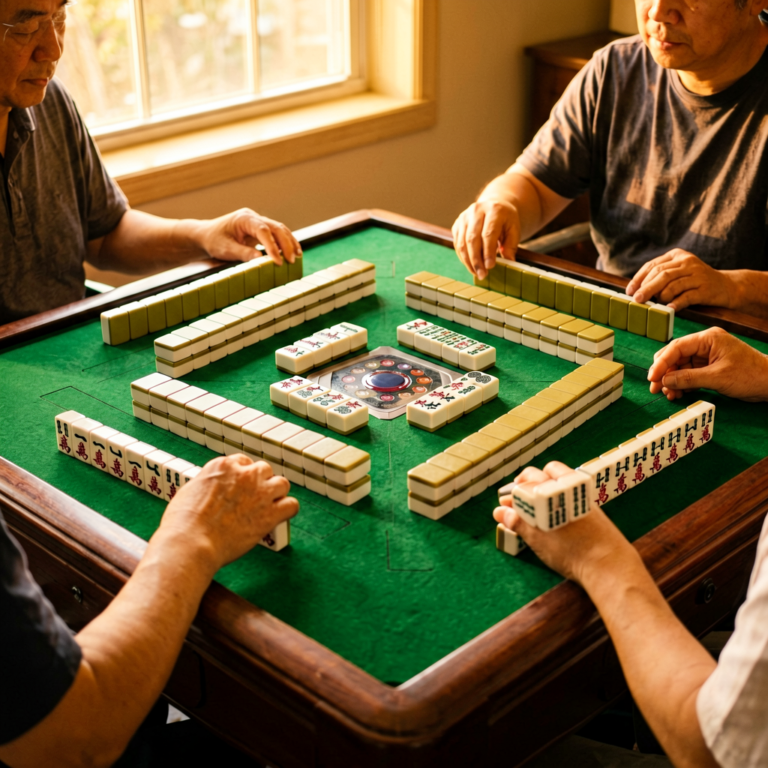
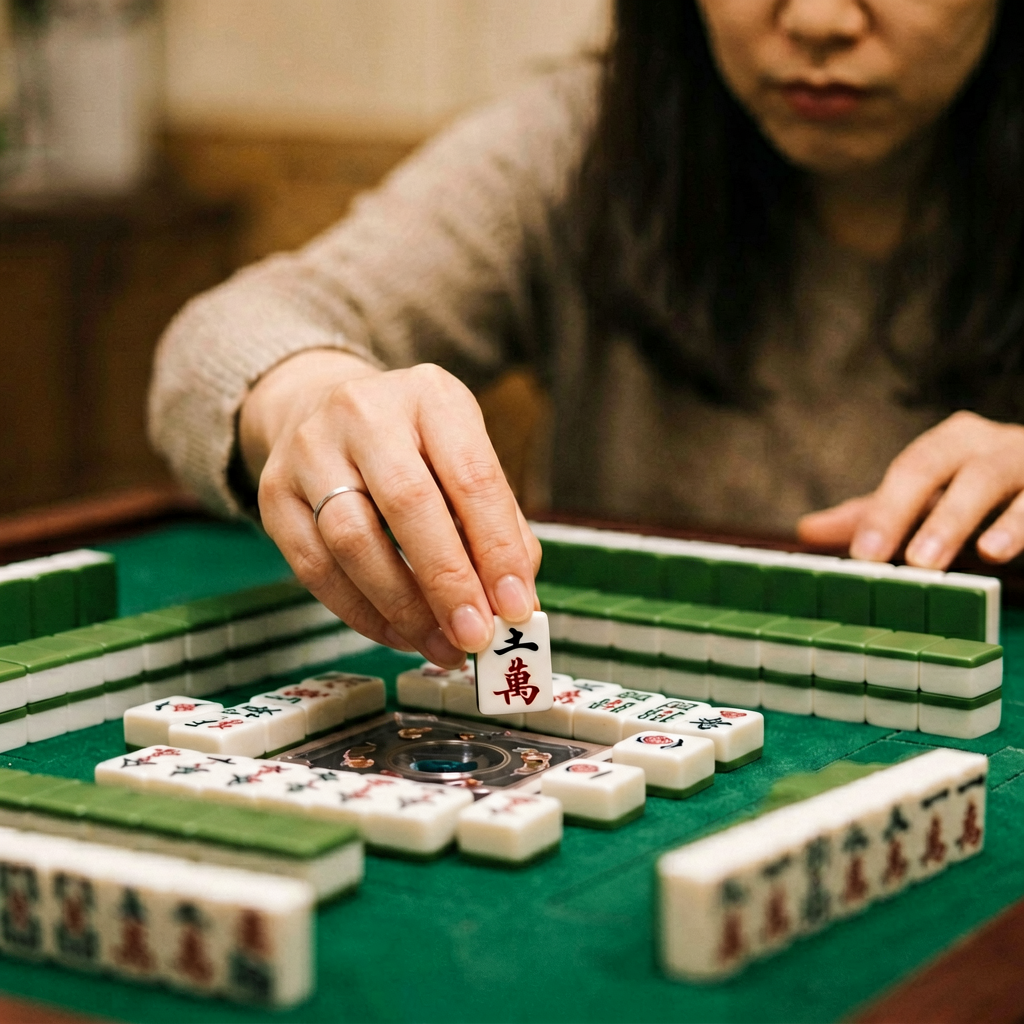
This is the rule newcomers break without meaning to. Don’t touch another player’s tiles. Don’t straighten their rack. Don’t peek at what they’re holding, even sideways. And please don’t “help” by sorting someone’s discards for them — it’s their mess to manage, and your help just telegraphs information the rest of the table shouldn’t have.
There’s a related one: don’t rearrange the discard pile. Those tiles on the table are a shared record of the hand. If you start flipping them around to see what’s dead, you’re not just being nosy — you might be tipping off the whole table about what’s still live. Leave the dead pile where it lies.
The Charleston has its own manners
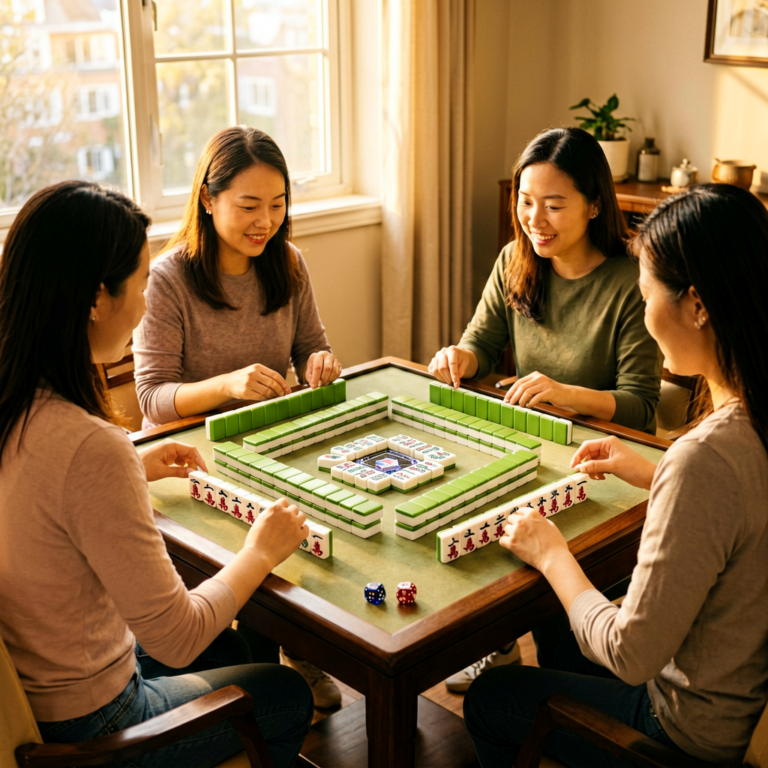
The Charleston — that pre-game dance where everyone passes three tiles left, then right, then across — has a rhythm, and part of good etiquette is respecting it. Pass promptly when it’s your turn. Don’t hold up the table staring at your tiles like you’ve got all night. And don’t sneak a look at what’s coming back to you before the pass is actually yours; the order matters, and jumping it throws everyone off.
Most of this is just not being the person who slows the room down. The Charleston is supposed to be the fun, social part. Be in it, pass with a little flair, and keep it moving.
Quiet is a kindness
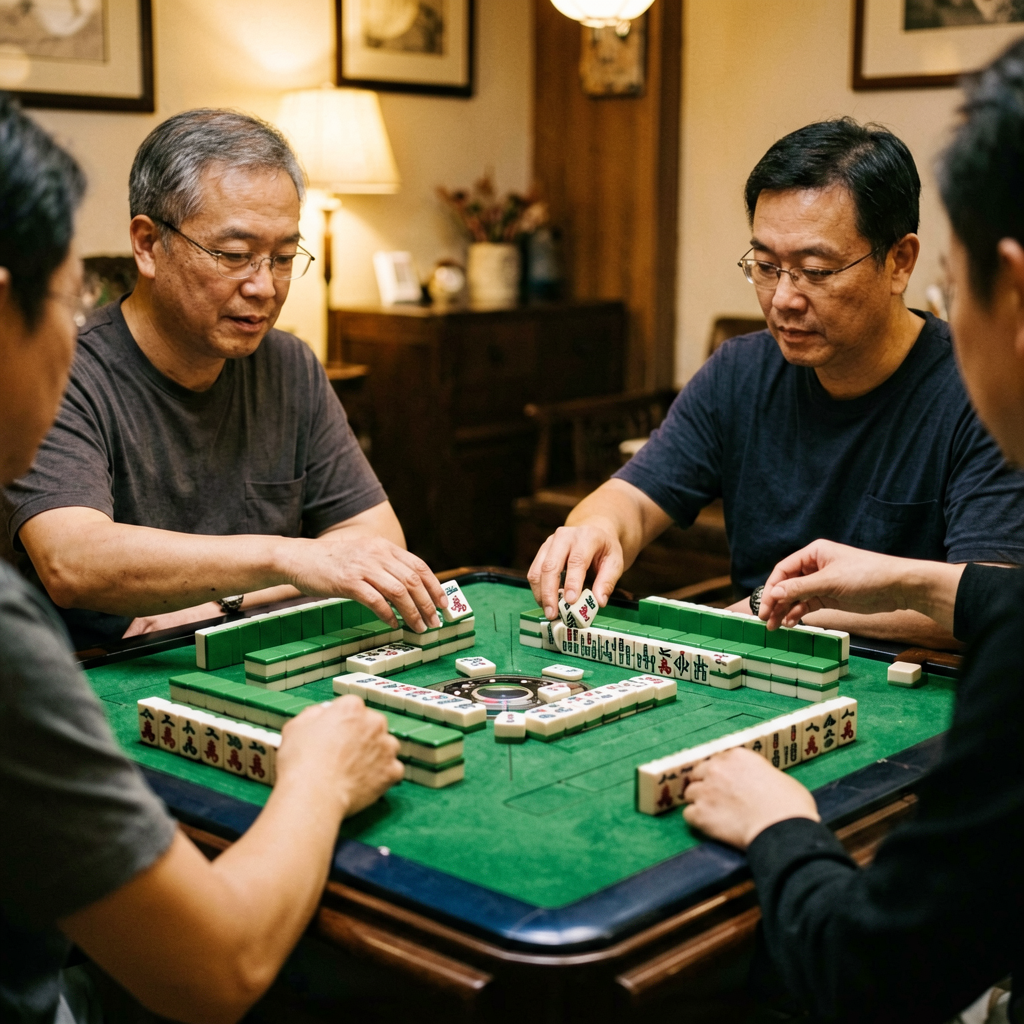
Here’s one that surprises people. Once the game is going, the table should get quiet — not silent, but focused. That means no kibitzing: don’t coach the player across from you, don’t groan when someone makes a move you wouldn’t have, and definitely don’t narrate what you’d do in their spot. A player mid-hand is doing real mental work. Your commentary isn’t helping; it’s noise.
This is especially true near the end of a hand. If someone is one tile from winning and you’re chatting about dinner, you’re making it harder for them to concentrate — and harder for everyone else to read the room. Save the big conversations for between hands.
Food, drinks, and the tiles
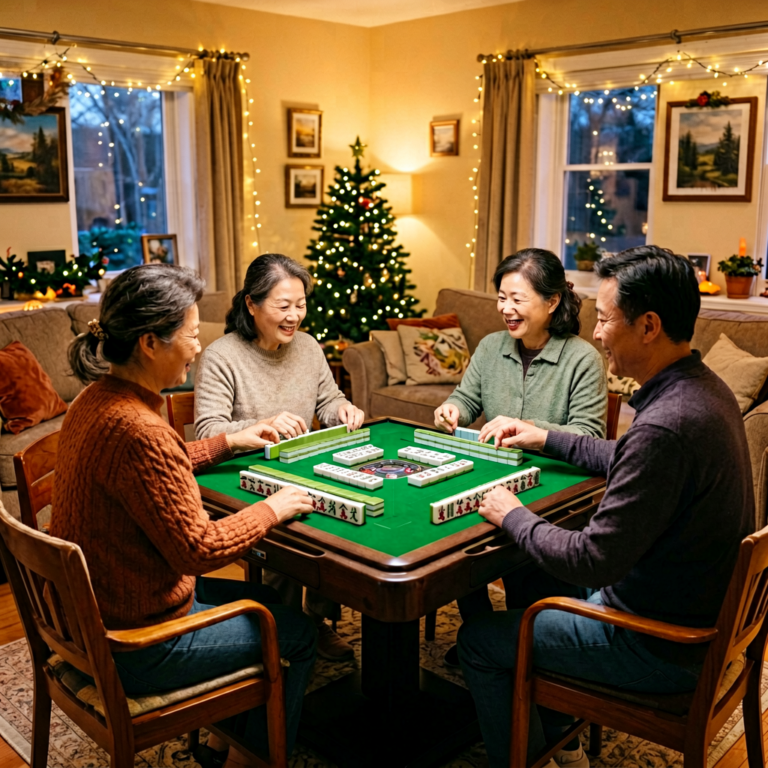
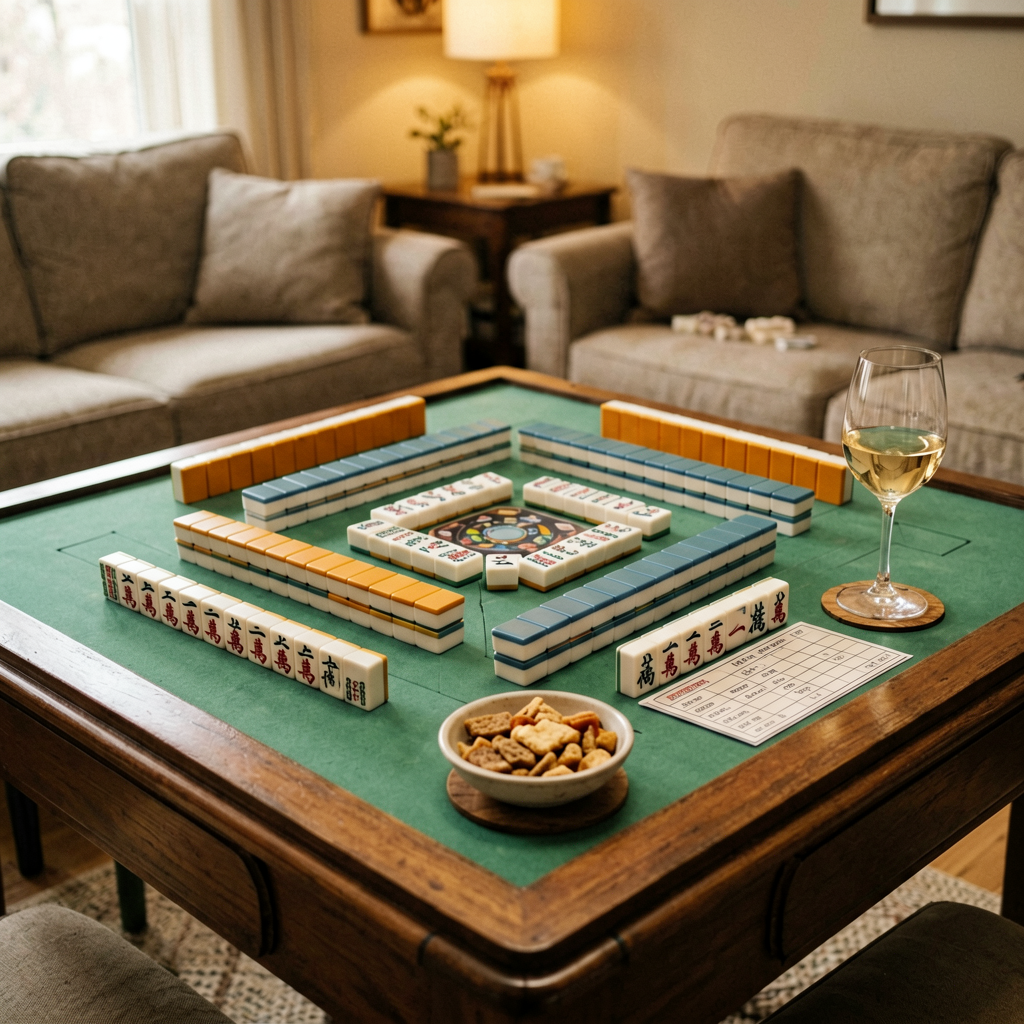
Game nights come with snacks. That’s half the point. But there’s a line between a nice spread and a disaster waiting on the table. Use coasters. Keep drinks away from the edge where a careless elbow lives. And for the love of clean tiles, no crumbly snacks right over the board — nobody wants cheese dust on their flowers.
If you’re the host, this is your job to set up: napkins, a place for glasses, maybe a “no food over the tiles” rule said with a smile. Players remember the host who made the table feel taken care of.
Win and lose like a person
American mahjong has a lovely little tradition of tipping the winner — a few dollars, a quarter a point, whatever your group settles on. It’s not about the money. It’s a way of saying “good hand” and keeping things light. Pay up without a fuss, and if you’re the winner, don’t rub it in. A small “nice hand” to the table goes further than a victory lap.
And losing? Don’t throw tiles. Ever. The urge after a bad beat is real, but the clack of a slammed rack is the sound of someone everyone quietly agrees not to invite next time.
When you’re new, just ask
If you’re learning, the best etiquette is honesty. Tell the table you’re new. Most American mahjong players — and the community is overwhelmingly welcoming — will walk you through calls, check your hand, and cut you slack on the fiddly stuff. Pretending you know the rules and quietly breaking three of them is worse than asking.
So that’s the real rule sheet. None of it is hard. Talk clearly, keep your hands in your own space, respect the Charleston, stay quiet when it counts, protect the tiles, and be gracious either way. Do those things and you won’t just play well — you’ll be the person people actually want at the table.