American Mahjong vs. Japanese Riichi: Two Totally Different Games With the Same Tiles
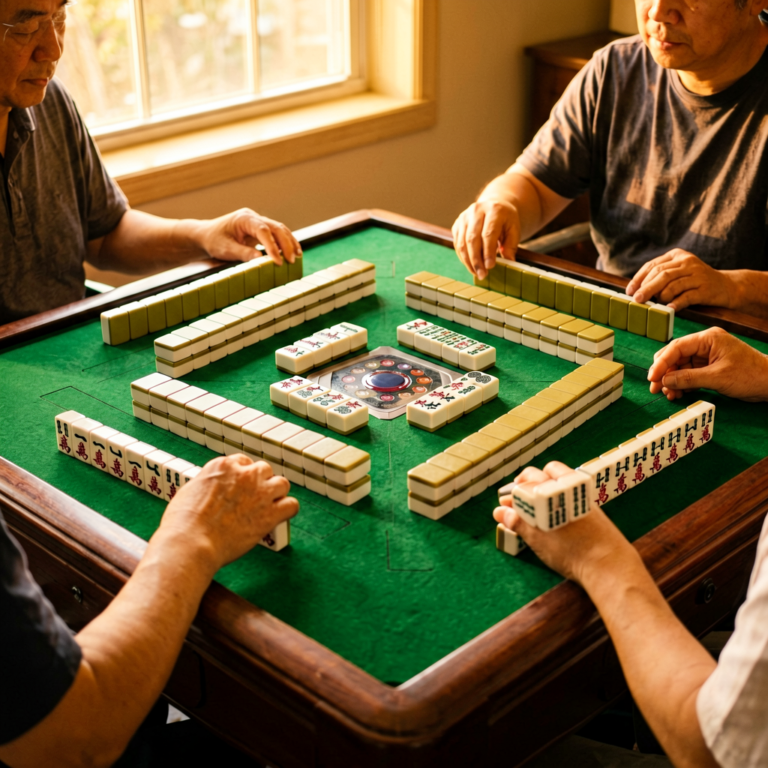
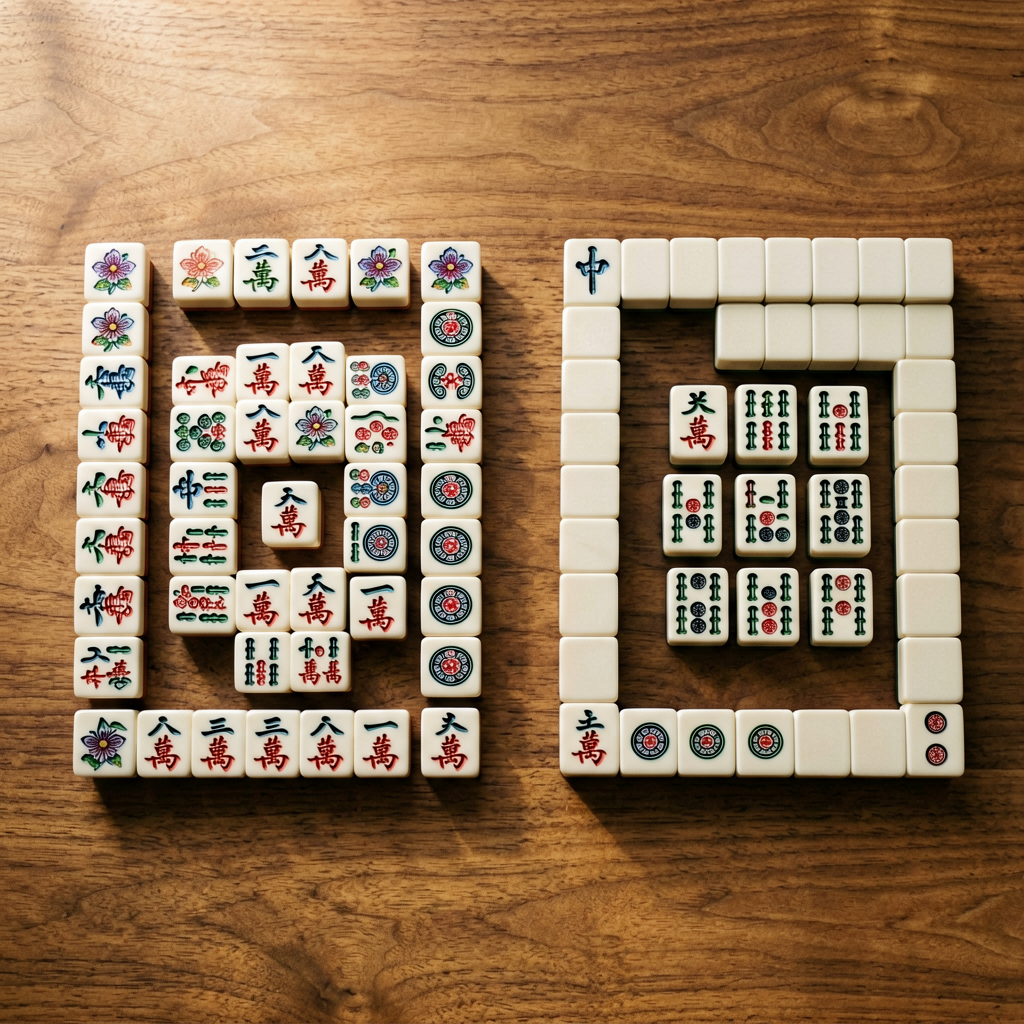
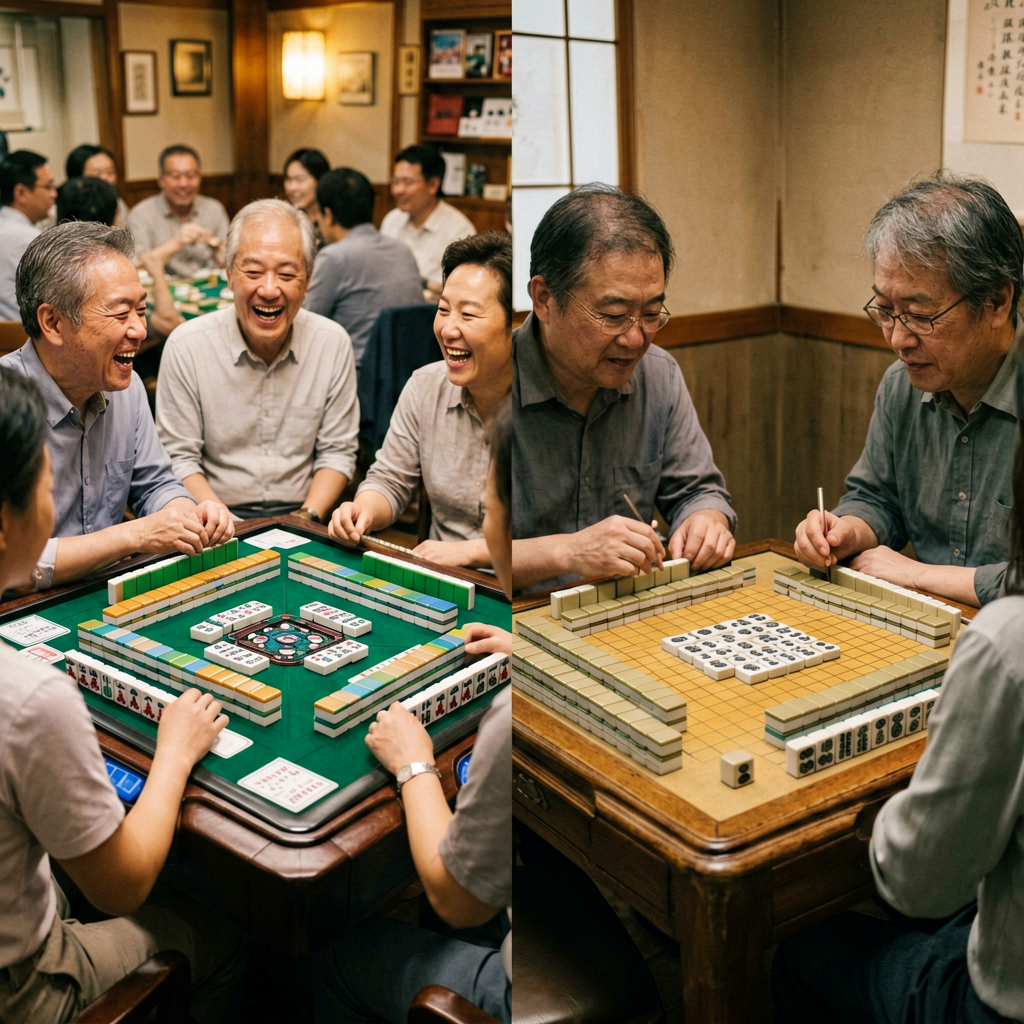
Walk into any game shop and you’ll see them sitting side by side — same little rectangles, same dragons and winds, same satisfying clack when you shuffle. But here’s the thing nobody tells you up front: American mahjong and Japanese riichi are not the same game wearing different clothes. They share an ancestor and a tile set that looks familiar, and then they go completely their own way. If you’ve only ever played one, the other will feel like learning chess after years of checkers.
How American mahjong actually plays
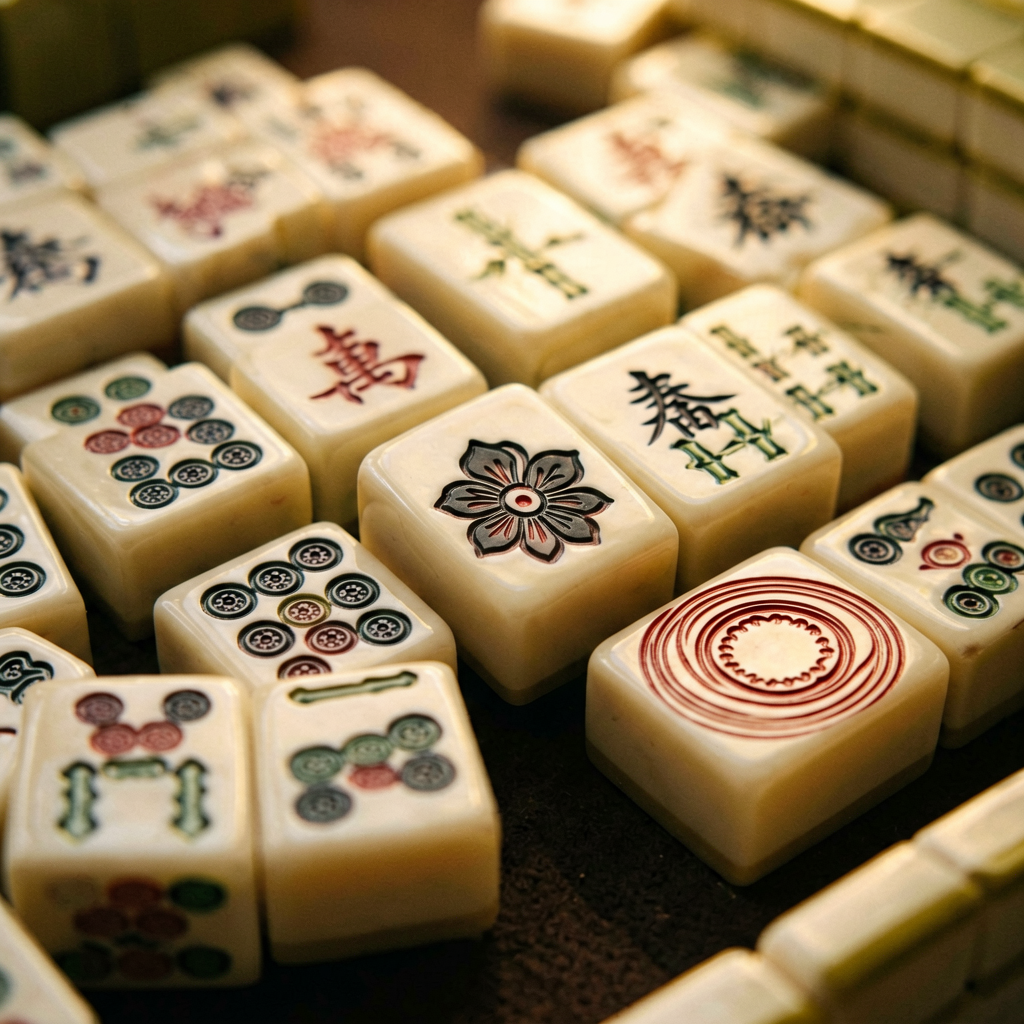
The version most Americans know runs on a card. Every year the National Mah Jongg League prints a new official card, and that card is the law. It lists the hands you’re allowed to build — and the hands change every single year, which is part of why people love it and part of why newcomers panic a little. You draw 13 tiles, then on your turn you pick one up and throw one away. You’re hunting for a specific pattern printed on the card, not just any old grouping.
Then there’s the Charleston. Before anyone even tries to win, all four players pass three tiles to the left, then to the right, then across — sometimes with an extra “courtesy” pass thrown in. It’s a ritual, almost a dance, and it’s uniquely American. No other version of mahjong does it.
And the jokers. American mahjong has eight joker tiles that can stand in for almost anything. Pair that with the flowers and the annual card, and the game leans hard into variety and surprise. Most hands need 25 points minimum to count, so you’re not just completing a set — you’re building one that actually scores.
Enter riichi — a quieter, stricter game
Japanese riichi looks similar from across the room, but the rules are a different animal. There’s no annual card. Instead you build hands based on yaku — specific recognized patterns — and you need at least one yaku before a win counts. Jokers don’t exist. The tiles are plain: characters, bamboo, dots, winds, dragons, and that’s the whole cast.
The word “riichi” itself is a declaration. When your hand is one tile away and you’re confident, you can call riichi, sliding your discard forward and putting a 1,000-point stick on the table as a bet. From that moment the game tightens — you can only win on the exact tile you’re waiting for — and everyone at the table knows you’re dangerous. There are also dora, bonus tiles that bump up your score, plus a steep penalty for mistakes called chombo.
The differences that actually trip people up
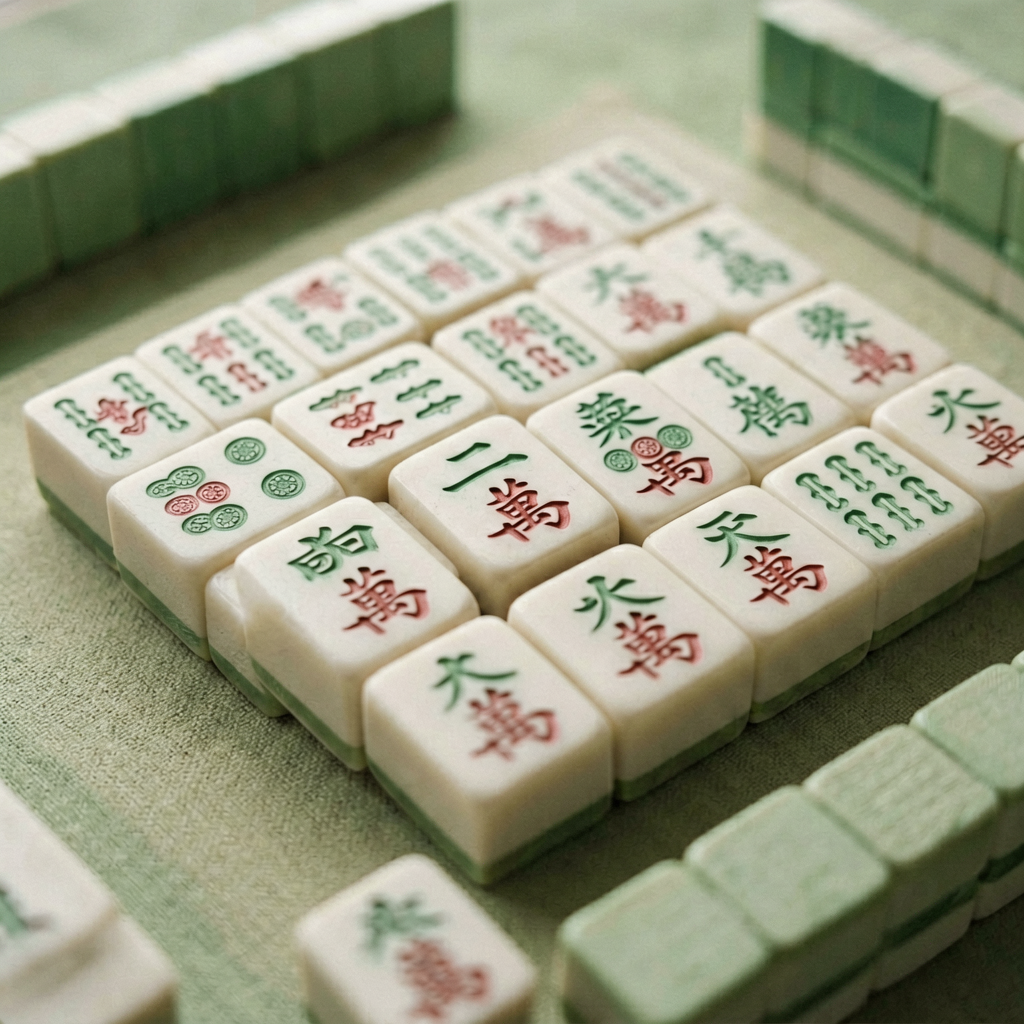
If you switch from one to the other, a few things will bite you.
Jokers. American players reach for a joker without thinking. In riichi it doesn’t exist, and trying to use one just confuses the table.
The card vs. yaku. In American mahjong you study the card like a textbook. In riichi you memorize yaku and read the board — the value of your hand depends on what’s already been discarded and what’s still live.
Feel. American mahjong is loud and social, full of table talk and the clatter of the Charleston. Riichi is quieter and more technical; a good player is reading everyone’s discards while hiding their own plan. Both are fun. They just scratch different itches.
Pace and luck. American mahjong leans more on the luck of the card and the pass. Riichi rewards reading skill and probability — though luck still shows up, because it always does in a tile game.
Which one should you learn first?
Honestly? Start with whichever fits your life. If you want a weekly get-together with friends, snacks, and a game that changes every year so nobody gets too good too fast, American mahjong is the move. The card gives you a clear goal, and the Charleston is half the fun.
If you’re drawn to a deeper, more competitive puzzle — something with rankings, tournaments, and a skill ceiling that keeps climbing — riichi will pull you in. It’s the version with the biggest competitive scene in the world, and once the yaku click, it’s hard to put down.
You don’t have to choose forever. Plenty of players keep an American set for game night and a riichi set for when they want a real mental workout. Same tiles, two completely different good times.
So the next time someone says “mahjong,” ask which one. The answer tells you more about the evening you’re in for than you’d think.