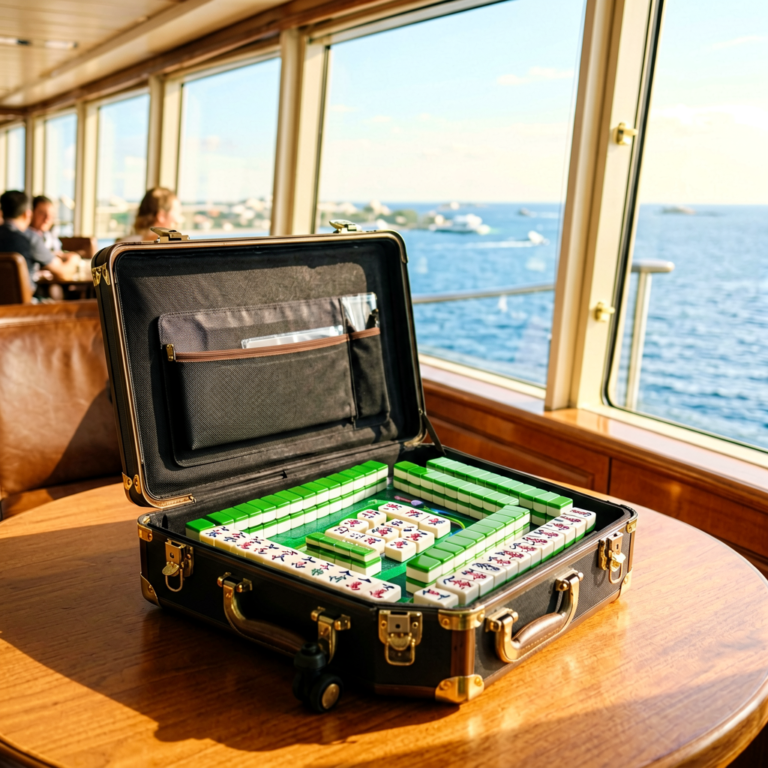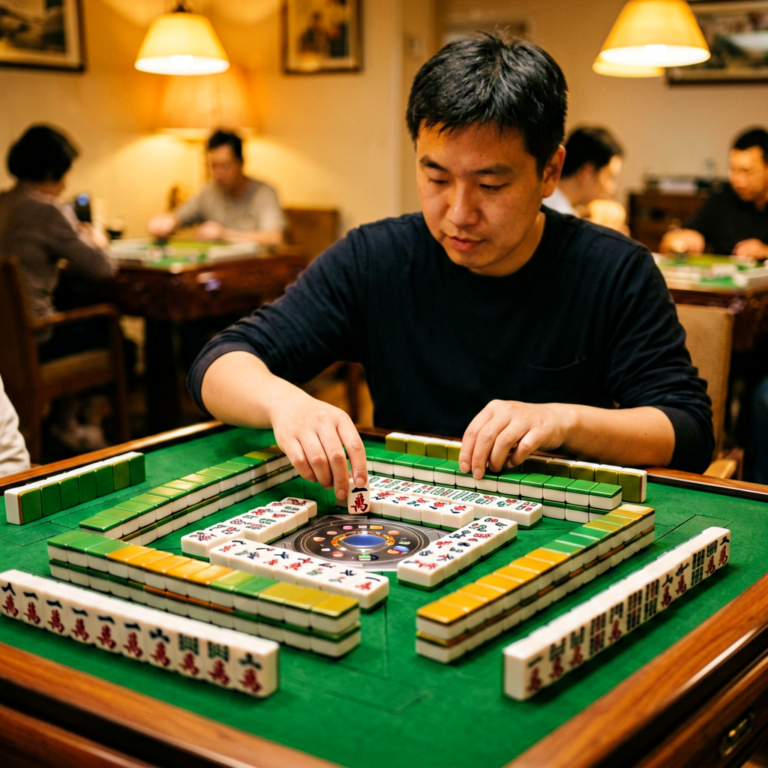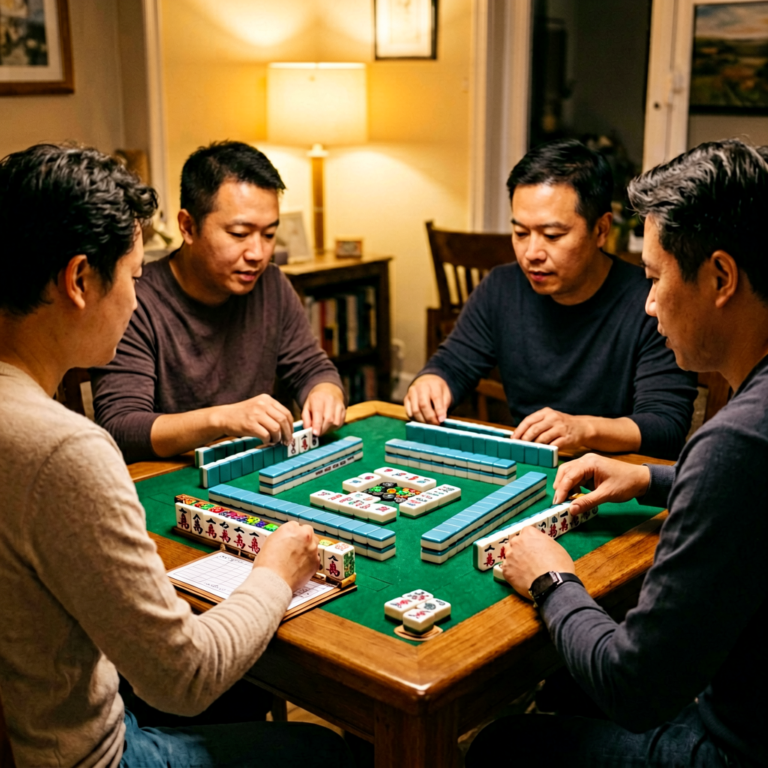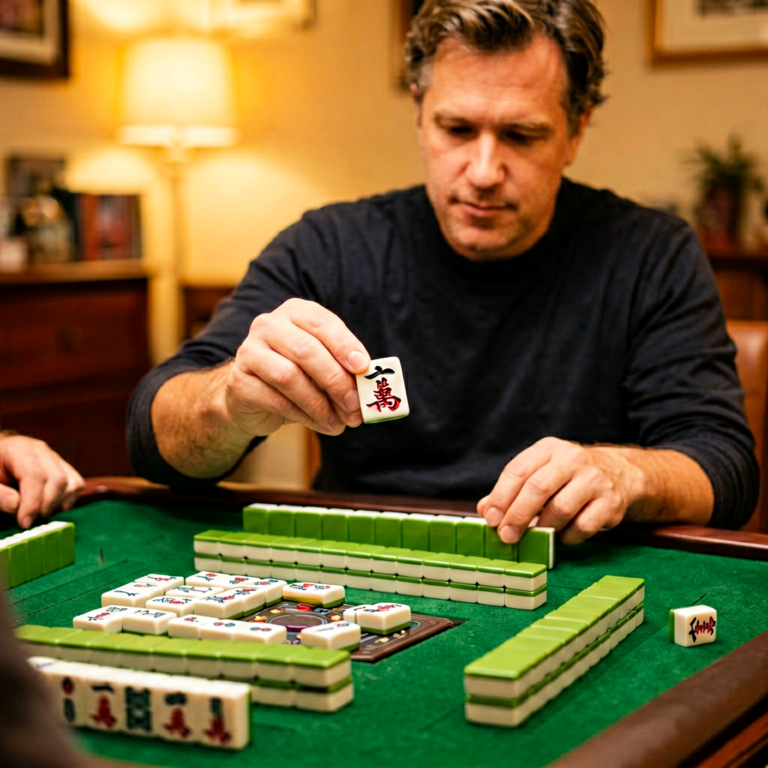
The Quiet Hero of Every American Mahjong Game: Your Table Pad
Most people shopping for American mahjong obsess over the tiles. The set, the case, the color of the racks. Fair enough — the tiles are the part you touch every single turn, so they get the attention. But there’s a piece of kit that quietly decides whether your three-hour game is a joy or a low-key ache, and almost nobody mentions it until they’ve spent a season playing without one: the table pad.
I didn’t think about it for years. My first games were on a bare oak dining table, and I blamed my sore wrists on “getting old” at the grand age of thirty-one. Then a friend showed up with a padded mat rolled under her arm, unrolled it across the table like she was setting up a spa, and suddenly the tiles stopped clattering and started landing. That was the whole game changed.
What a table pad actually does
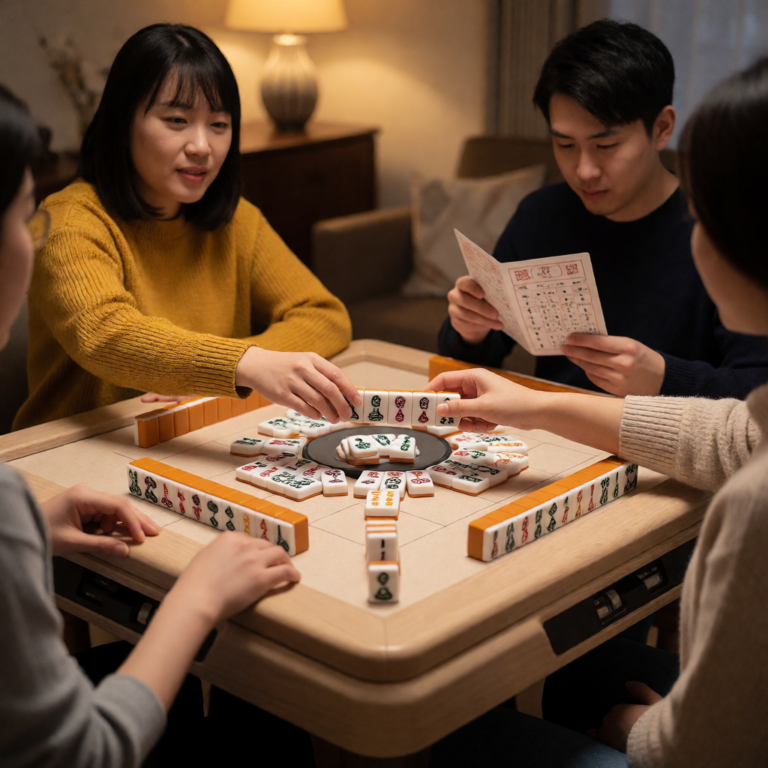
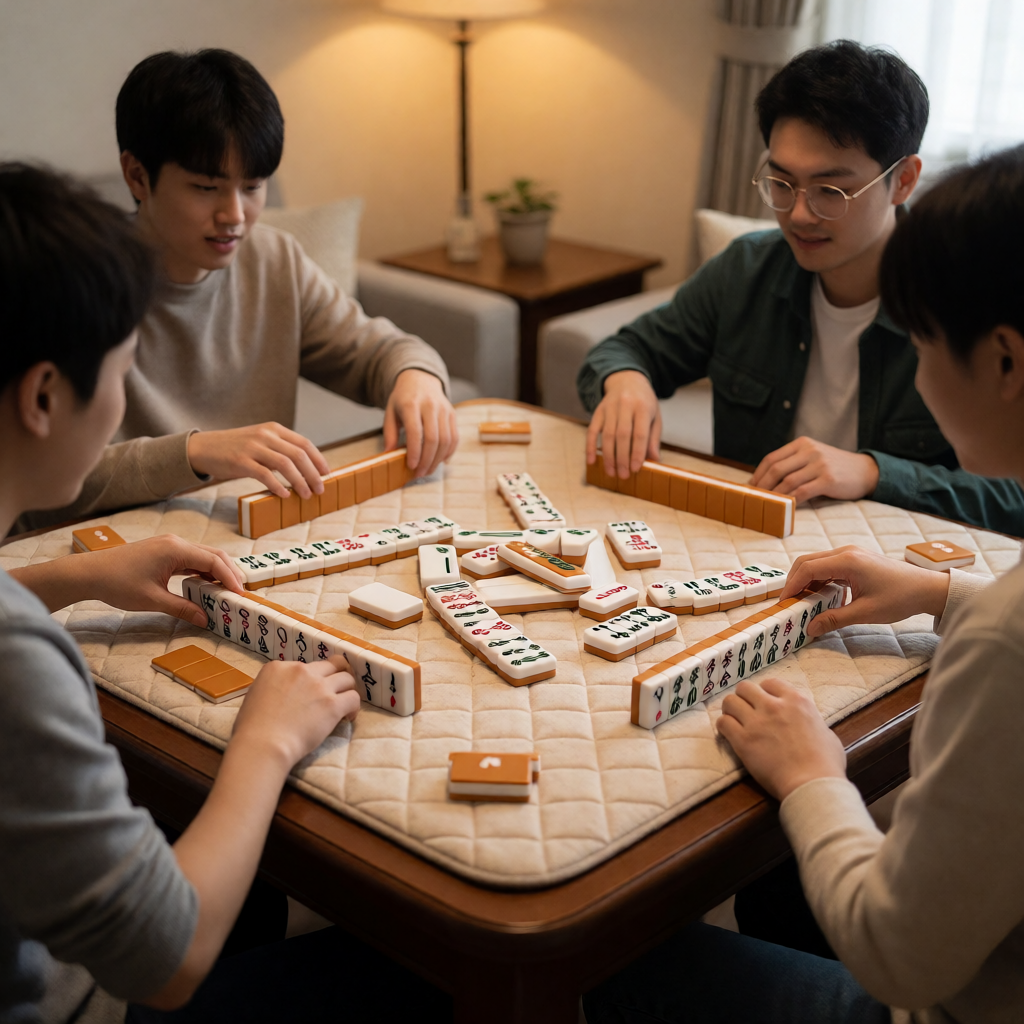
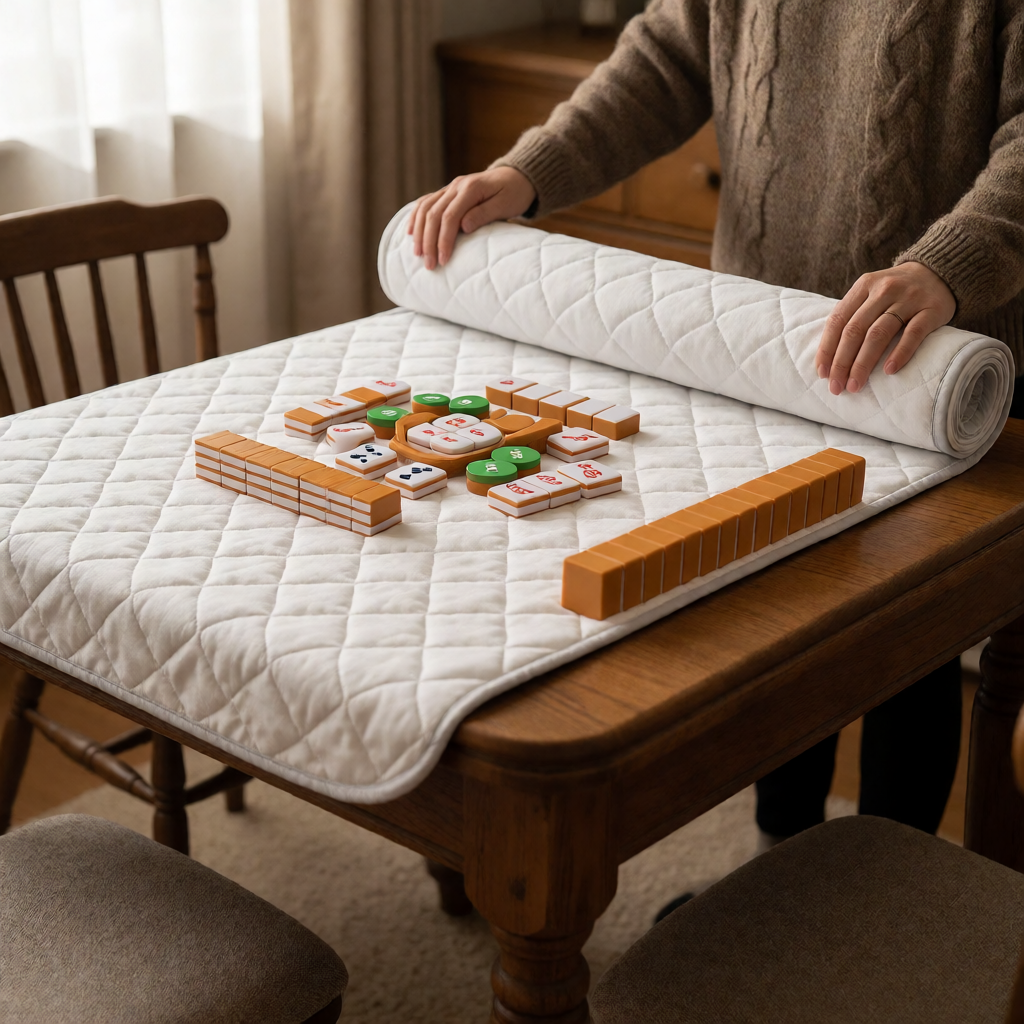
Strip it back and a mahjong table pad is just a soft, usually quilted surface that sits on top of whatever table you’re using. Most are felt or micro-suede on top, with a thin foam or batting layer underneath, and a non-slip backing so the whole thing doesn’t slide when someone slams a winning tile down.
The obvious job is noise. Hard tables turn every discard into a crack that bounces around the room. A pad swallows that. But the quieter wins matter more: tiles don’t slide when you don’t want them to, racks sit flat instead of rocking on a slightly warped table, and your wrists stop taking the brunt of every tap.
Why your wrists will thank you
Here’s the part nobody puts on the box. American mahjong is a long game. You’re reaching, sorting, and tapping tiles for hours. On a hard surface, every one of those little impacts travels up through your hands. On a padded surface, the give is just enough to take the edge off — not squishy, just forgiving.
If you’ve ever finished a game with tired hands and assumed that’s just how it is, try a pad for one session. The difference is the kind you feel the next morning rather than notice in the moment.
Picking the right one
You don’t need anything fancy, but a few things are worth getting right.
- Size. Measure your table first. Most pads are built for a standard 36-inch square or a round table, and a pad that overhangs looks sloppy while one that’s too small leaves tiles hanging off the edge.
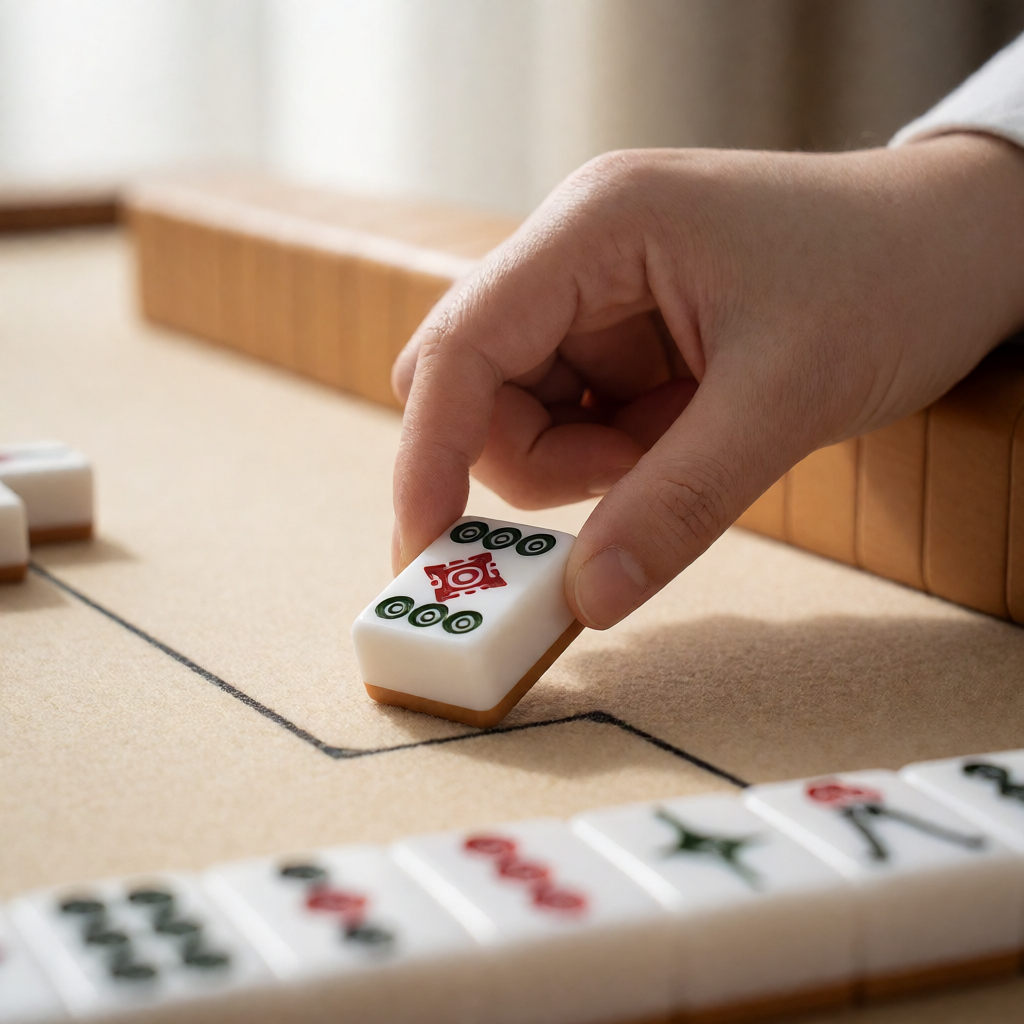
- Surface feel. Felt is classic and quiet; micro-suede is easier to wipe down after someone spills the snacks (they will).
- Thickness. Too thin and you’re back to a hard table in disguise. Too thick and tiles wobble. Somewhere around a quarter inch of padding is the sweet spot for most home tables.
- Edges. Bound edges last. Frayed edges are how a cheap pad dies in a season.
The table underneath still matters
A pad is not a miracle cure for a bad table. If your surface is uneven or too low, you’ll still feel it. The pad smooths out small sins — a slightly bowed top, a tablecloth underneath, the usual domestic reality — but it won’t turn a coffee table into a tournament setup. Get the height right first, then let the pad handle the comfort.
Care is boring but easy
These things are low maintenance. Shake them out, spot-clean with a damp cloth, and don’t fold them sharp — roll them. A pad rolled loosely in its own carry bag will outlast three sets of tiles if you treat it right. Leave it folded in a closet and the crease becomes permanent, which is somehow both ugly and functional at once.
The bottom line
If you’re building a mahjong setup from scratch, buy the tiles first, sure. But the pad is the upgrade that makes you want to play again next week. It’s cheap relative to a full set, it travels in a tube, and it turns a kitchen table into a place you actually want to sit for three hours. For something nobody puts on the wish list, it might be the best money you spend on the game.