
Dead Hands in American Mahjong: What Kills a Hand, Who Calls It, and How to Recover
Sooner or later somebody at the table says the word: dead. The room goes quiet for a second, one player sets her tiles down, and the game keeps rolling without her. If you’re new, it feels like a punishment. It isn’t. A dead hand is just the game’s way of saying that hand can no longer legally win — nothing more dramatic than that.
Nobody explains this part properly to beginners, so it lands as a shock the first time it happens. Let’s fix that.
What “dead” actually means
A dead hand is a hand that has broken a rule it can’t un-break. The player stays at the table. She keeps picking and discarding so the wall moves at a normal pace, but she can’t declare mahjong and she can’t collect if someone else wins from her discard. She’s a passenger for the rest of the round.
That’s the whole penalty. There’s no fine, no lost turn, no dramatic exit. In a friendly game most tables let a first-timer quietly fix a mistake instead of killing the hand — but in tournaments and in most experienced groups, dead is dead.
The number one killer: the wrong tile count
This is the mistake that ends more hands than every other cause combined. You’re supposed to hold thirteen tiles, and fourteen the moment after you pick. Anything else and your hand can’t be legal.
It usually happens in one of three ways. You pick a tile and forget to discard, so you sit at fourteen through a full turn. Or you discard twice in a row without noticing. Or — the classic — you get flustered during the Charleston and pass two tiles instead of three.
The fix is boring and it works: count your rack. Count it after the Charleston, count it after every exposure, count it any time the table pauses. Fourteen in, thirteen out. Players who do this out of habit almost never go dead.
Exposures you can’t take back
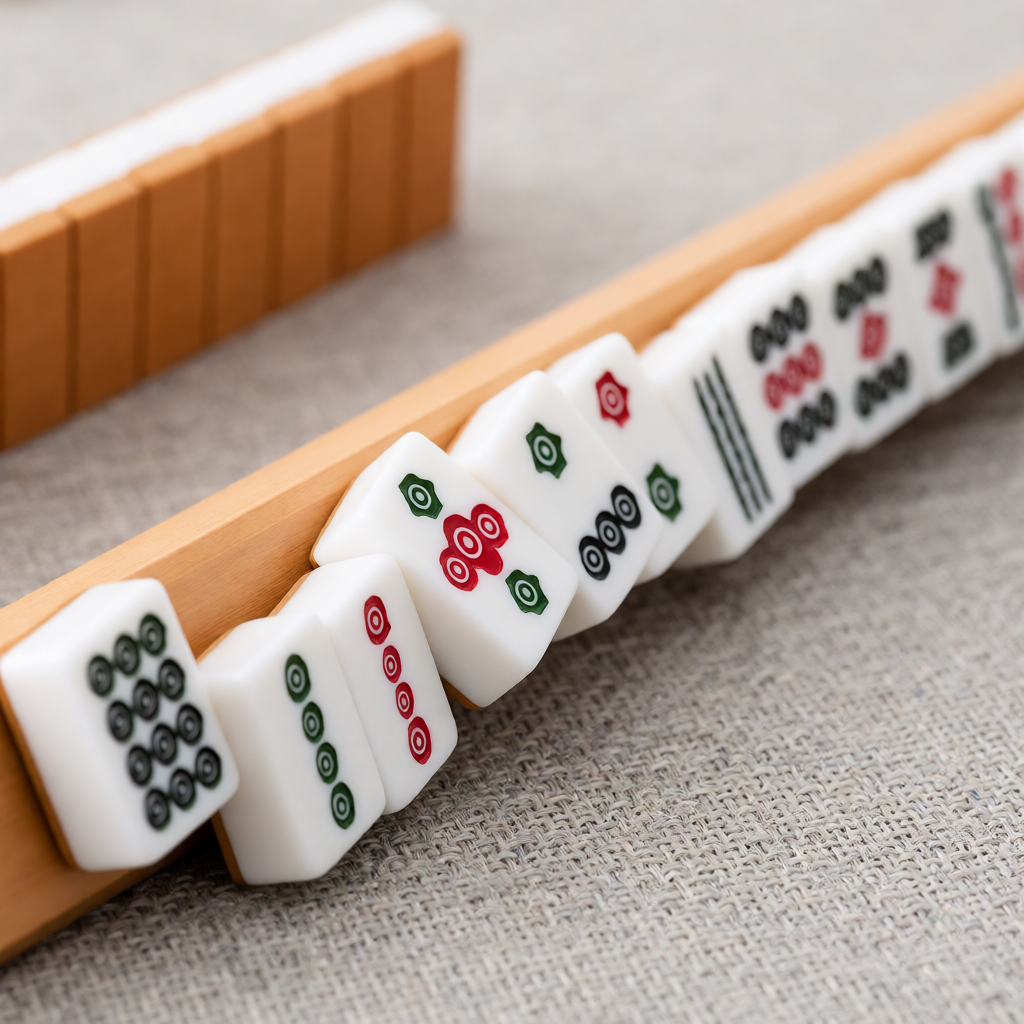
Once you push tiles forward onto the table, they’re public and permanent. That’s what makes an illegal exposure fatal.
Say you call a discarded tile for a pung, expose three tiles — and then realize the hand you’re chasing on the card doesn’t contain a pung at all. You can’t pull those tiles back. Your hand no longer matches any line on the card, so it’s dead.
The same goes for exposing the wrong number of tiles, exposing tiles in a hand the card marks as concealed, or exposing a group with a joker where the card doesn’t allow one. The card is specific about this and people skim it. Before you say “call,” look at the line you’re playing and make sure the group you’re about to show up actually exists there.
A useful habit: don’t call a tile the instant it hits the table. Take two seconds. Confirm the line. The tile isn’t going anywhere while you check — a called tile stays available until the next player picks.
Joker mistakes
Jokers are generous, but they have hard limits, and stepping over one of those limits kills a hand fast.
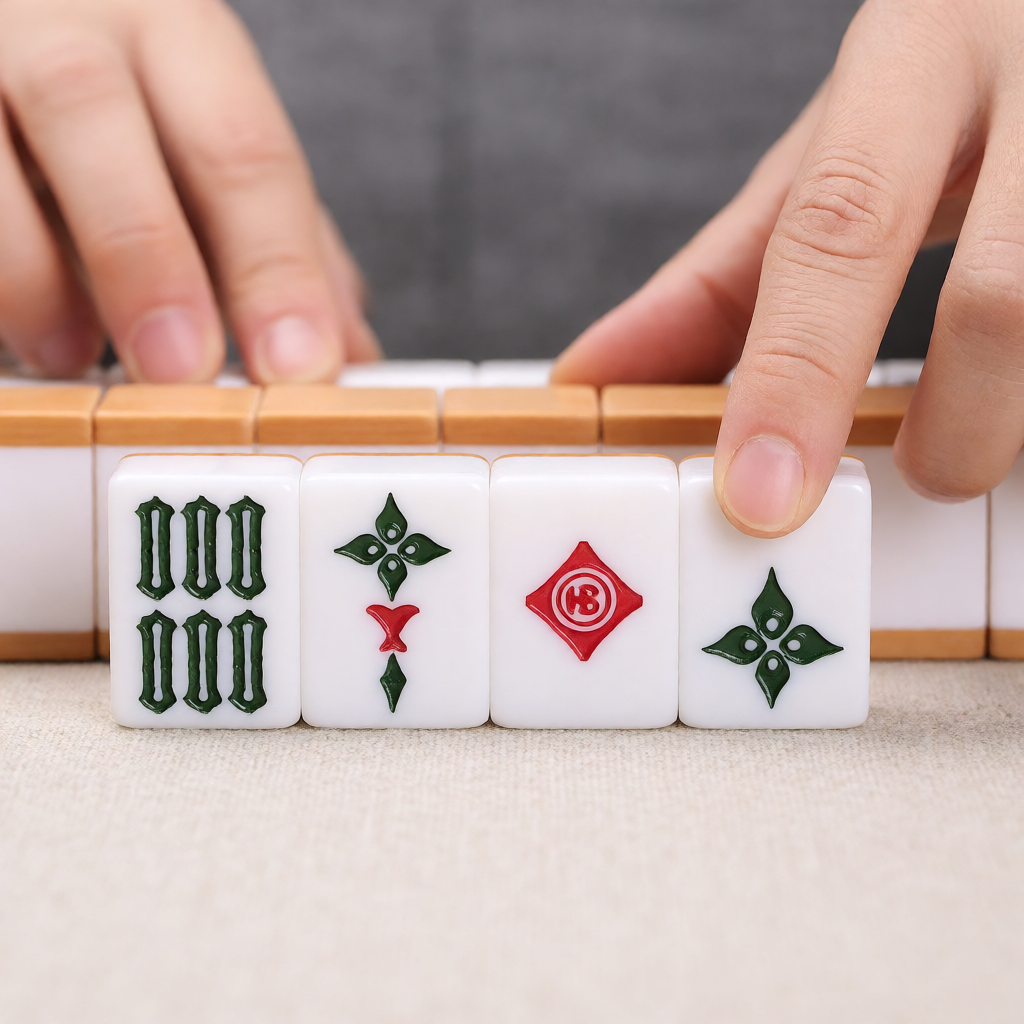
Jokers can’t stand in for a single tile or for the pair that finishes a hand. They aren’t allowed in any group the card designates joker-free. And you can’t redeem a joker out of an exposure that has fewer than three tiles in it.
If you expose a group using a joker where jokers aren’t permitted, that’s it — the exposure is illegal and the hand is dead. Nobody can un-see the joker.
Calling mahjong when you don’t have it
This one stings the most. You lay your hand down, say the word, and someone at the table counts it out and finds you’re one tile short — or your hand doesn’t match the line you thought it did.
Under standard rules that’s a dead hand, and if other players already exposed their tiles in response, some tables call the whole round a wash. Either way, you’ve told everyone exactly what you were holding.
The safeguard is embarrassingly simple: read the line on the card, then read your rack, then say it. Out loud in your head if you have to. Two seconds of checking saves the hand.
Who gets to call it
Any player at the table can point out that a hand looks dead, and they usually do it as a question rather than an accusation: “How many tiles do you have?” The player whose hand is in question is the one who confirms it, and honestly, most dead hands are self-declared. You count, you find fourteen tiles sitting there, you say so.
Where it gets awkward is when a hand goes dead by an opponent’s guess and the player disagrees. The convention is that the hand’s owner doesn’t have to reveal her tiles to prove anything — the count and the exposures are what’s in dispute, not the concealed tiles. In tournament play a director settles it. At your kitchen table, decide the house rule before the first game so you’re not negotiating mid-round.
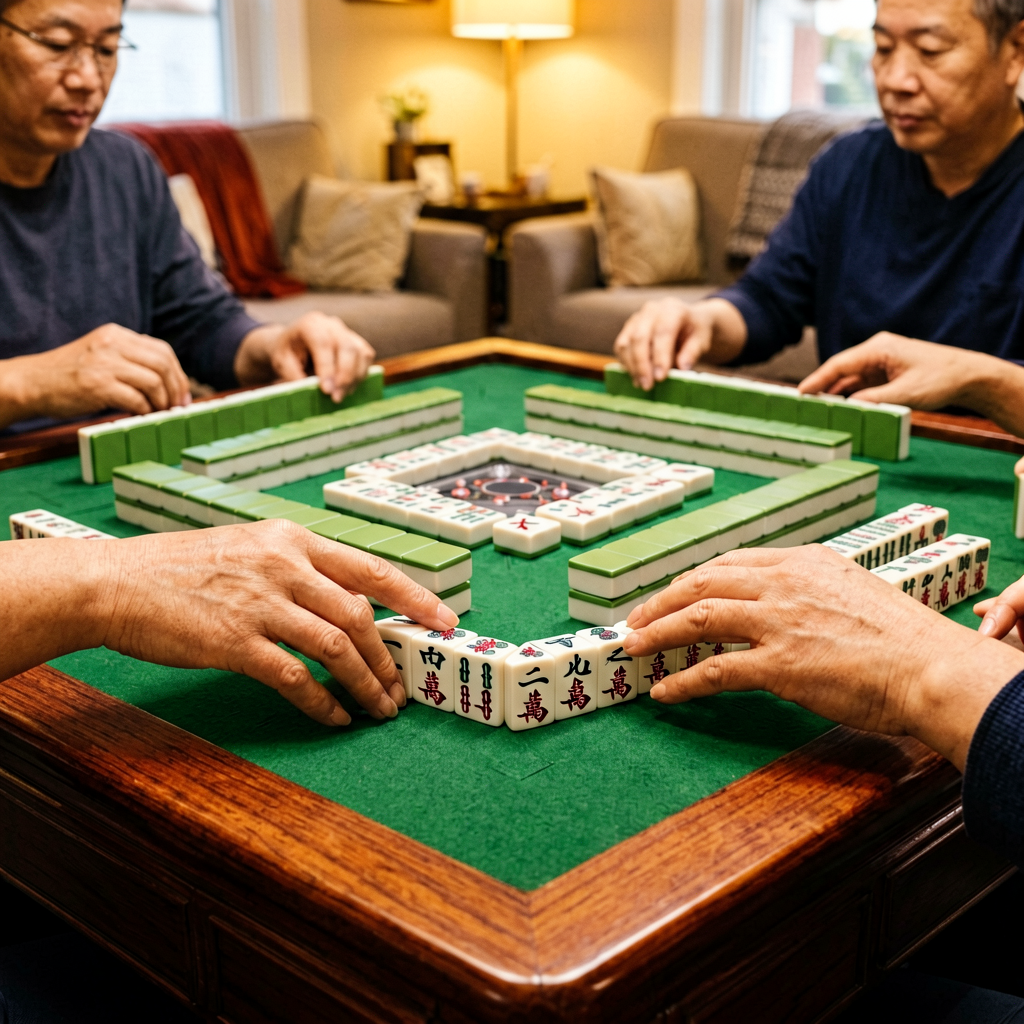
Playing on with a dead hand
Here’s the part people get wrong: don’t check out. You still matter.
You keep picking and discarding on your turn, and what you discard genuinely changes the game. You can no longer win, but you can absolutely hand somebody else the win by throwing out the tile they’ve been waiting for. If you’ve been paying attention to exposures, you know roughly what each player needs. Play it safe — discard tiles nobody has shown interest in, sit on anything that looks dangerous.
It’s also the single best learning position at the table. You’re not managing your own hand anymore, so you can watch how everyone else builds theirs. Some of the fastest improvement I’ve seen in new players came from a round they’d already lost.
The short version
- Count your tiles constantly. Thirteen, fourteen after a pick. That’s most dead hands, prevented.
- Check the card before you expose, not after. Exposures don’t come back.
- Know where jokers are banned on the line you’re playing.
- Verify your hand against the card before you say “mahjong.”
- If your hand does die, stay in it — discard carefully and watch the table.
Dead hands feel personal the first time. After a while they’re just part of the rhythm of the game, and the players who go dead least often aren’t the sharpest strategists — they’re the ones who quietly count their rack while everyone else is talking.