How to Start an American Mahjong Club (and Keep People Coming Back)
A single set gets you one good game. A club gets you a habit you’ll keep for years. The players who stick with American mahjong almost never do it alone. They find a group that meets on a schedule, and that regular rhythm is what turns a hobby into something they look forward to.
Starting one sounds heavier than it is. You don’t need a venue, a budget, or a cert. You need a little consistency and a low bar to entry. Here’s how to do it without burning out in month two.
Start smaller than you think
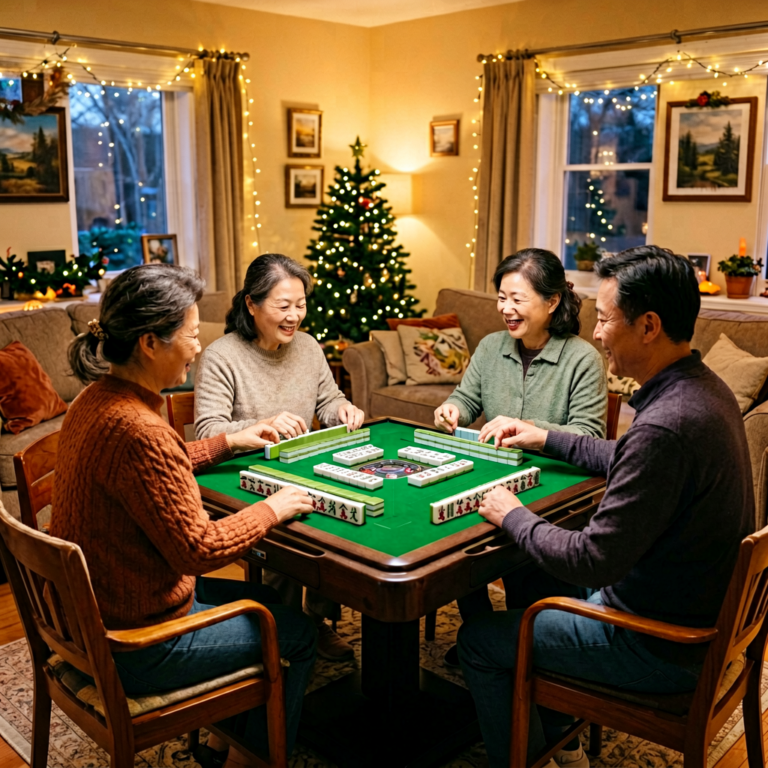
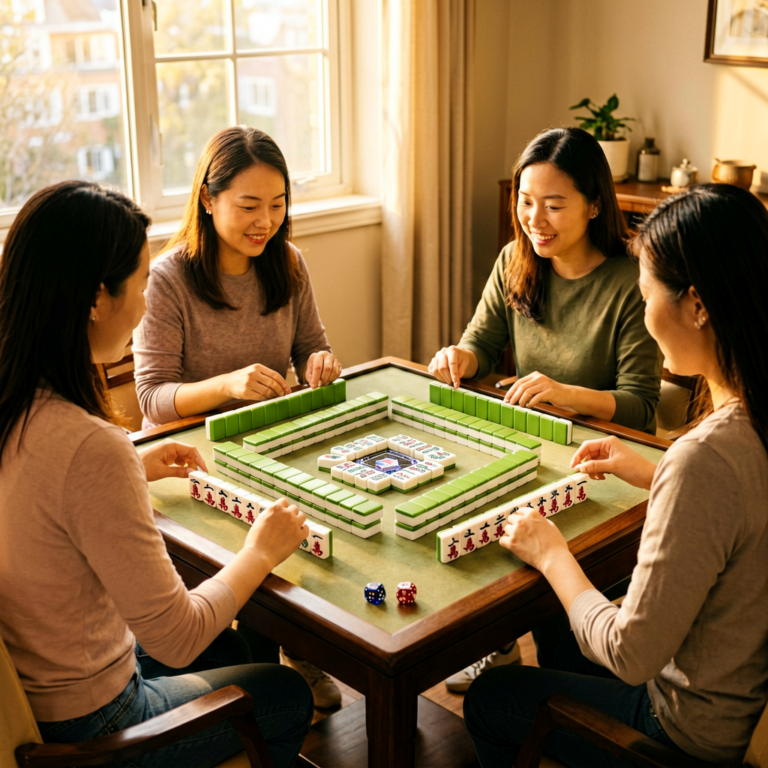
The biggest mistake is aiming for a big launch. Ignore the fantasy of a packed community center. Start with the four people you can already round up, even if two of them are shaky on the rules. A club of four that meets faithfully beats a club of twenty that meets once.
Post in a local group, ask a neighbor, text the friend who said they’d “love to learn sometime.” You only need enough players to fill one or two tables. Everything else grows from there, slowly and on its own.
Pick a rhythm, not a perfect plan
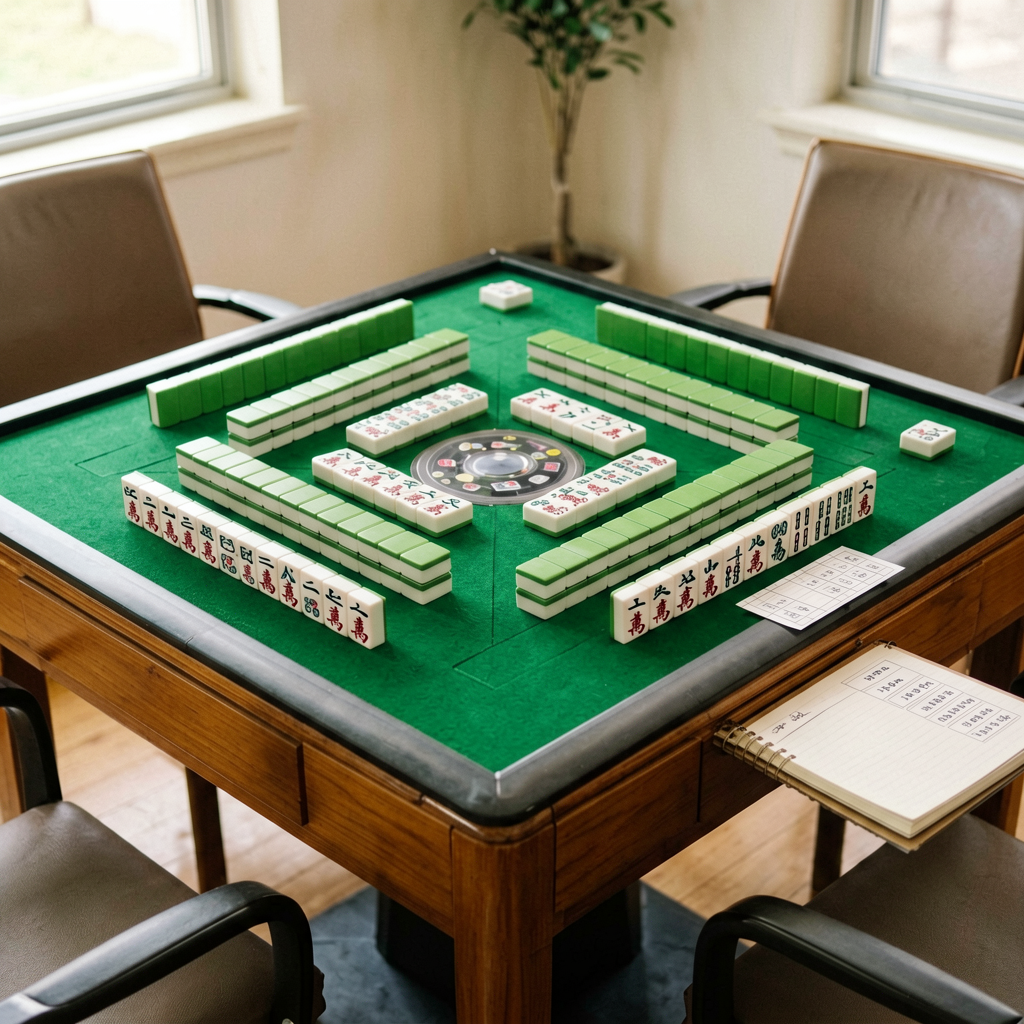
Decide on a cadence and protect it. Every other Tuesday. The first Saturday morning of the month. The specific day matters less than the fact that it doesn’t move. When people know the third Thursday is mahjong night, they plan around it, and planning around it is what makes them show up.
Keep the logistics boring. Same time, same place, same expectation that you’ll play for two or three hours. You can rotate hosts later. Early on, stability is the product you’re selling.
Make the first night stupidly easy
The first session should require almost nothing from a newcomer. They show up, they get a rack, someone walks them through one hand. No homework, no pressure to win, no shame about asking what a “Charleston” is for the fourth time.
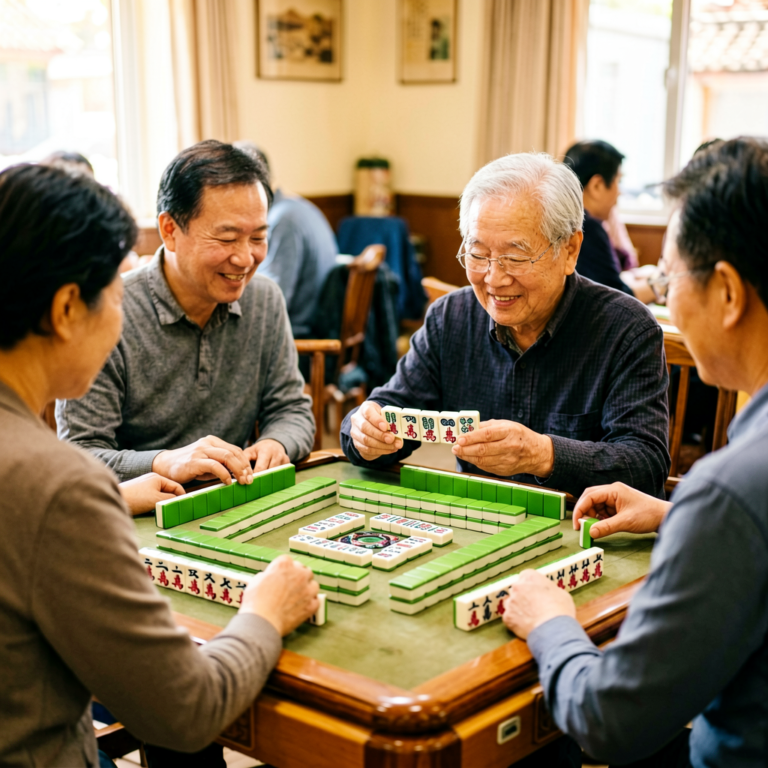
Have one experienced player per table whose only job is to keep the game moving and answer questions. That person is the difference between a newcomer who comes back and one who quietly decides it’s too complicated. Make it easy and they return. Make it intimidating and they don’t.
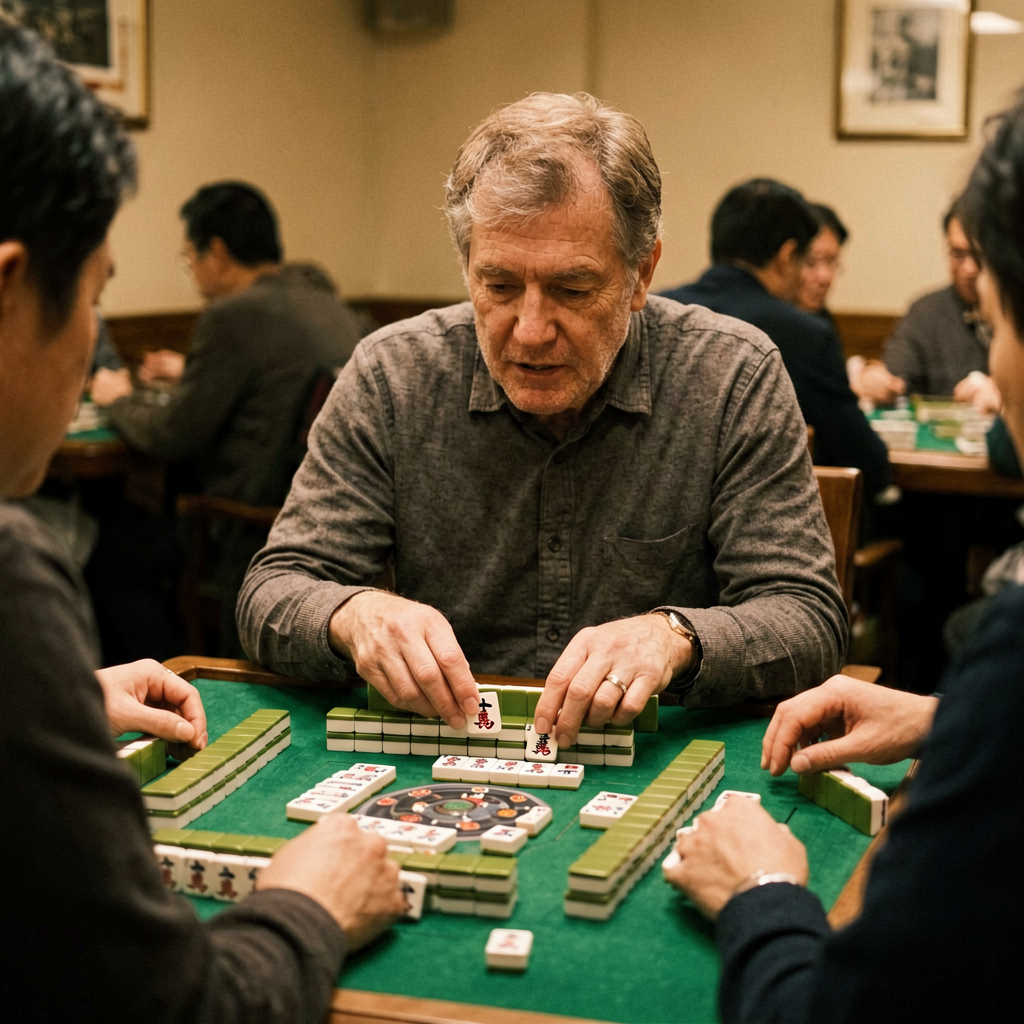
Keep the table welcoming
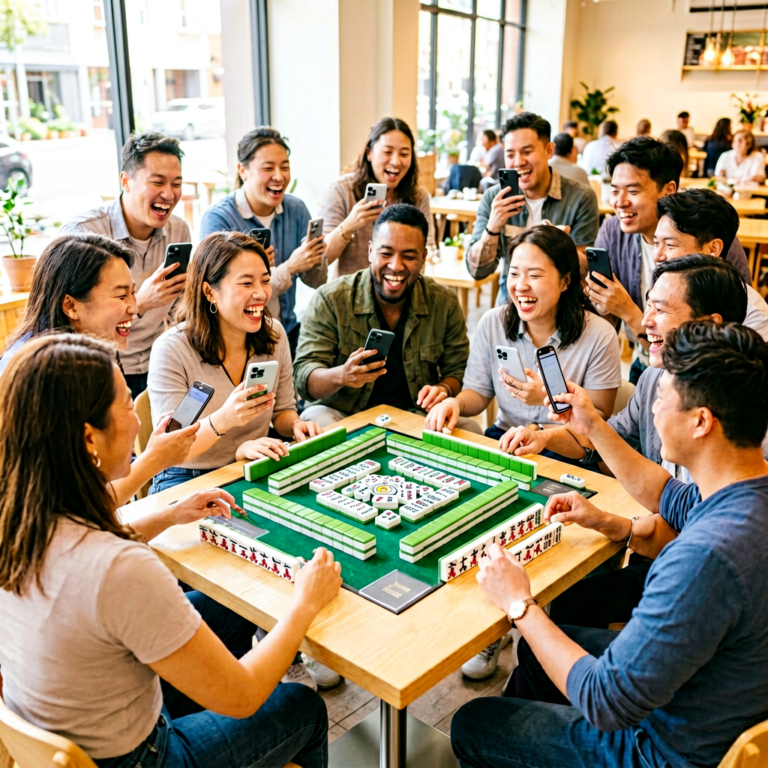
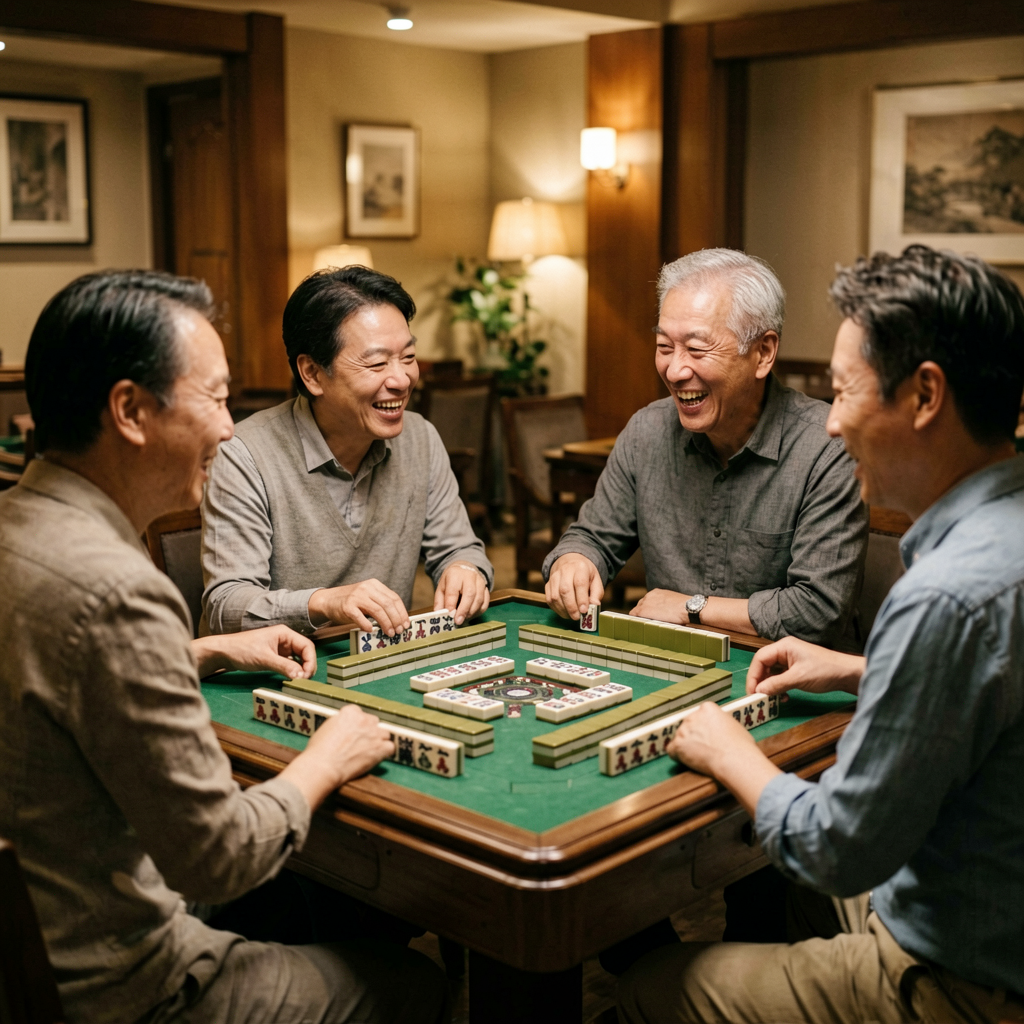
Clubs die when they get cliquish. The fix is simple: always leave room for a beginner, and let the beginners play even when they slow the game down. A group that quietly signals “you’re not good enough yet” shrinks fast.
Celebrate the small stuff. The first time someone calls their own winning hand, the first Charleston they navigate without help. Those moments are why people come back, and naming them out loud costs nothing.
Where the accessories quietly help
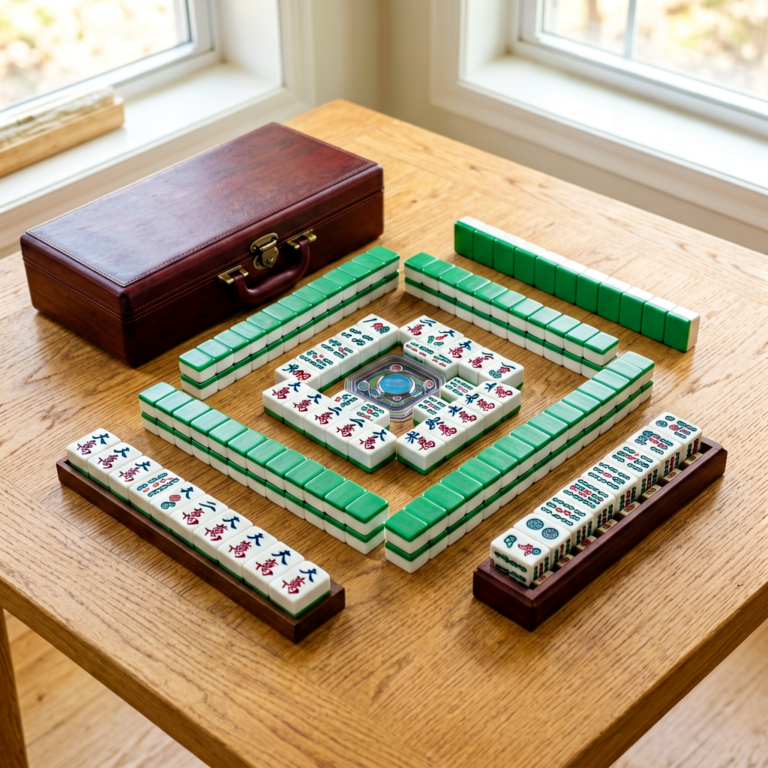
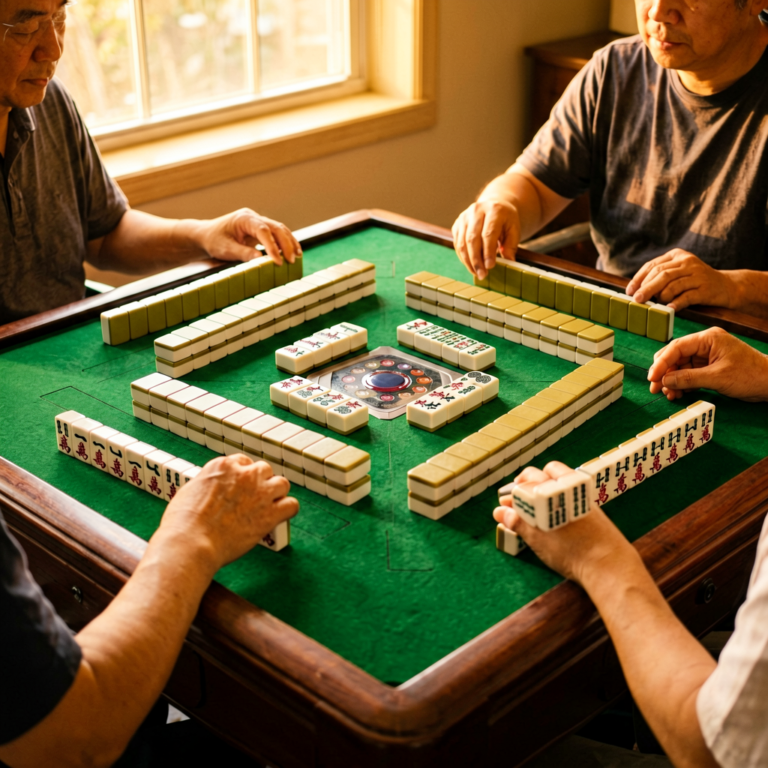
A club plays more often than a casual set, so the gear matters more. A proper rack for each seat, a case that survives being hauled to a different house every other week, and a couple of pushers per table make the nights smoother without anyone having to think about it.
You don’t need matching sets. Mixed sets are fine and often more interesting. But a consistent rack and a real case mean setup takes two minutes instead of ten, and the game starts before people lose interest. Small frictions, removed early, are what keep a club alive.
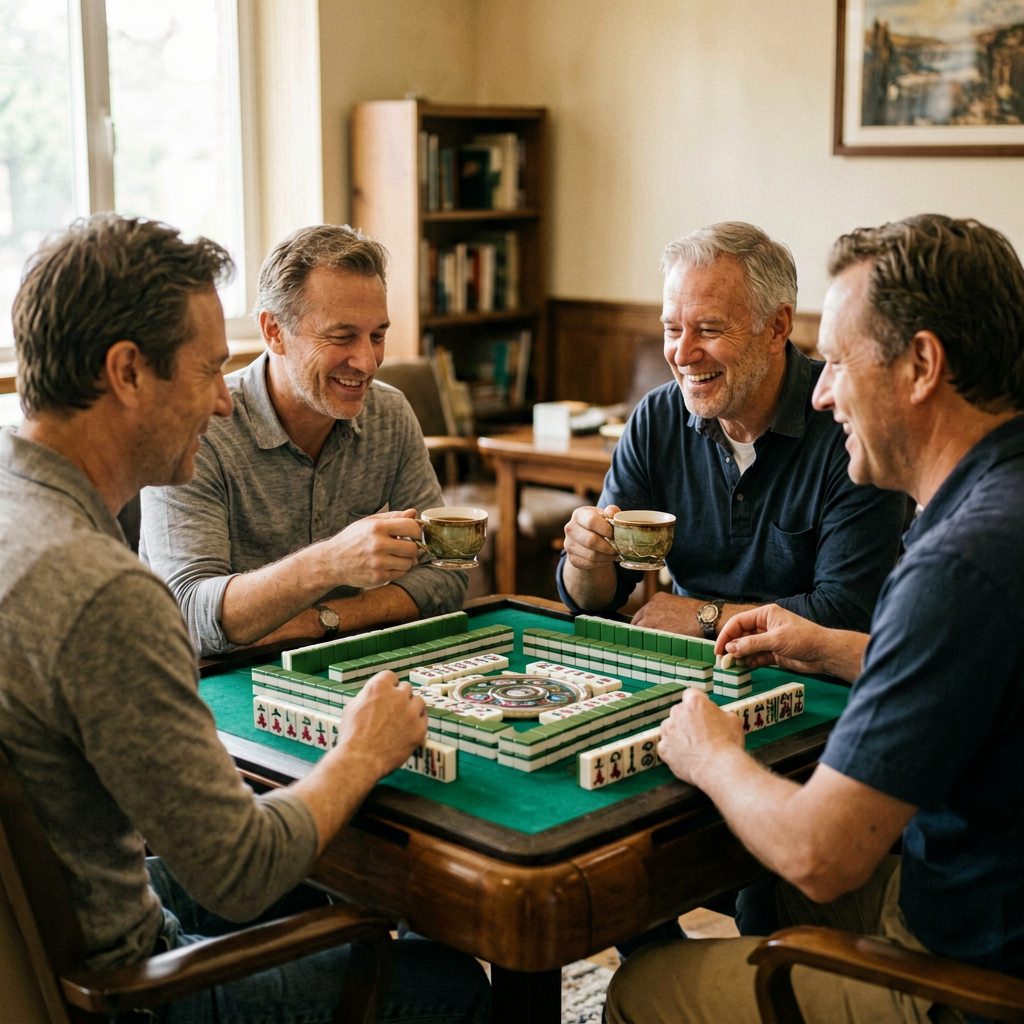
Let the group own it
The clubs that last stop being one person’s project. Once you have a few regulars, hand over pieces. Someone loves snacks, someone else loves scheduling, someone else becomes the unofficial rules referee. When people have a job, they stay.
You can also let the group shape its own traditions. A yearly tournament, a themed night, a running tally of who’s won the most. These don’t need to be planned up front. They show up on their own once the habit is steady.
The short version
Start with whoever you’ve got. Meet on a fixed day. Make the first night easy. Keep it welcoming. Let the regulars take ownership. That’s the whole recipe. The accessories just remove friction so the habit has room to form, and the habit is the real prize.
You don’t need permission to begin. Text four people, pick a night, and put a set on the table. The club is the part that happens after.