-
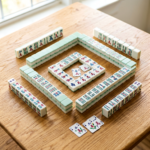
American Mahjong Hand Types, Explained: Pungs, Kongs, Quints, and the Rest
A lot of new players open the NMJL card, see a wall of columns and numbers, and assume the hard part is memorizing it. It is not. The hard part is smaller and friendlier than that. Every hand on the card is built from the same few pieces. Learn what those pieces are, and the card stops being a mystery and starts being a menu. So before you chase any named hand, learn the building blocks. There are only a handful, and you have already seen most of them if you have touched any other tile game. A pung is…
-

American Mahjong Myths: What Most People Get Wrong Before They Ever Play
Most people hear “American mahjong” and fill in the blanks with something they already know. Usually it is the Chinese game they saw once, or a vague idea that it is a grandmother’s hobby. Almost none of it matches what the game really is. Here are the myths that stop people from trying it, and what you actually find at the table. American tiles look busier than Chinese ones on purpose. The numerals and letters are the giveaway. Myth 1: It is just Chinese mahjong with English tiles This is the big one, and it is wrong. The tiles do…
-
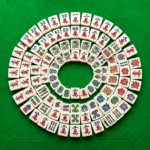
What Every Symbol on an American Mahjong Tile Means (and Why the Tiles Look the Way They Do)
The first time you sort a rack of American mahjong tiles, something feels off if you have played any other version. The tiles are covered in big Arabic numerals and little letters. There are dragons in three colors. And then there is a tile that simply says JOKER. None of that exists in a classic Chinese set. So what are all these marks doing here, and what do they mean at the table. The numbers you already recognize Start with the easy part. The three numbered suits each run one through nine. They are the same idea as every other…
-
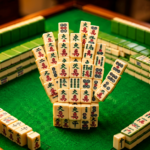
All One Suit in American Mahjong: When a Single-Suit Hand Is Worth the Risk
Most new players learn American mahjong by taking tiles from wherever they show up. That works, right up until a hand on the card asks for something stricter: everything in one suit. When that happens the game gets quieter and a little meaner, because you have to throw away a pile of perfectly good tiles just to stay on the path. Nobody warns you how exposed that feels the first time. What “all one suit” actually means A lot of card hands expect you to build inside a single suit, dots, or cracks, or bams. Not a mix. If the…
-
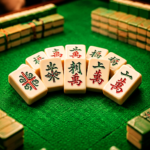
Winds and Dragons in American Mahjong: Why the Honor Tiles Carry More Weight Than You Think
The first thing most people notice about an American mahjong set is the noise of the tiles. The second thing, once they slow down, is a small group of tiles that don’t behave like the rest. No numbers, no suits you can line up in a run. These are the winds and the dragons, and if you treat them as leftovers you’ll keep missing hands that were sitting right in front of you. What the honor tiles actually are American mahjong has four winds: East, South, West, and North. It also has three dragons: Red, Green, and White. You get…
-

The Mental Game of American Mahjong: Small Habits That Quietly Make You Better
Most of what you need to play American mahjong is printed on the card. The hands are there. The scores are there. What the card can’t teach you is how to actually think at the table, and that’s the part that separates the people who keep improving from the people who stay stuck. The good news is the skills that matter are small, repeatable habits, not some talent you’re either born with or not. Read the table before you read your hand It’s tempting to grab your tiles and immediately start building toward a hand. Resist that for thirty seconds.…
-
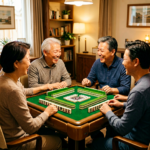
American Mahjong Has Cousins: Jewish, Hawaiian, and Other Western Styles Worth Knowing
American mahjong, the version with the annual card and the Charleston, feels like one fixed game. It isn’t. Walk into different communities and you’ll find the same tiles played with different rules, different rhythms, and different stories attached. If you’ve only ever played NMJL-style, meeting these cousins is a fun way to see how flexible the game really is. The Jewish-American roots you’re already part of Most American players don’t realize it, but the modern game they sit down to grew straight out of a Jewish-American community. The National Mah Jongg League was founded in New York in 1937 by…
-
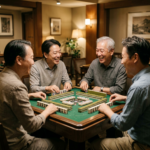
How to Start an American Mahjong Club (and Keep People Coming Back)
A single set gets you one good game. A club gets you a habit you’ll keep for years. The players who stick with American mahjong almost never do it alone. They find a group that meets on a schedule, and that regular rhythm is what turns a hobby into something they look forward to. Starting one sounds heavier than it is. You don’t need a venue, a budget, or a cert. You need a little consistency and a low bar to entry. Here’s how to do it without burning out in month two. Start smaller than you think The biggest…
-
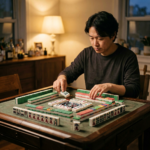
How to Practice American Mahjong by Yourself (and Actually Get Better)
There’s a small myth that keeps new players stuck. The myth says you can only get better at American mahjong by playing full games with three other people. So if your friends are busy, or you only own one set, or you’re just shy about sitting at a table full of sharp regulars, you wait. And wait. Here’s the truth: you can sharpen most of the skills that actually win games while sitting alone at your kitchen table. Nobody’s watching. Nobody’s judging your discards. You can take ten minutes, make a mistake, reset, and try again. Solo practice is underrated,…
-
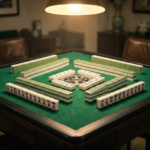
American Mahjong Isn’t One Rulebook: NMJL, Wright-Patterson, and What Changes Between Them
There’s a moment every new player hits. You learn the basics from a friend, you buy a set, you sit down for your first real game, and then somebody slides a completely different card across the table and says “we play by these rules.” Wait. What rules? Here’s the thing nobody warns you about: “American mahjong” isn’t a single game with one official rulebook. It’s a family of games that share a tile set, a table ritual, and a love of the annual card. The rules underneath can shift a lot depending on who’s dealing. So before you get blindsided…